Activity
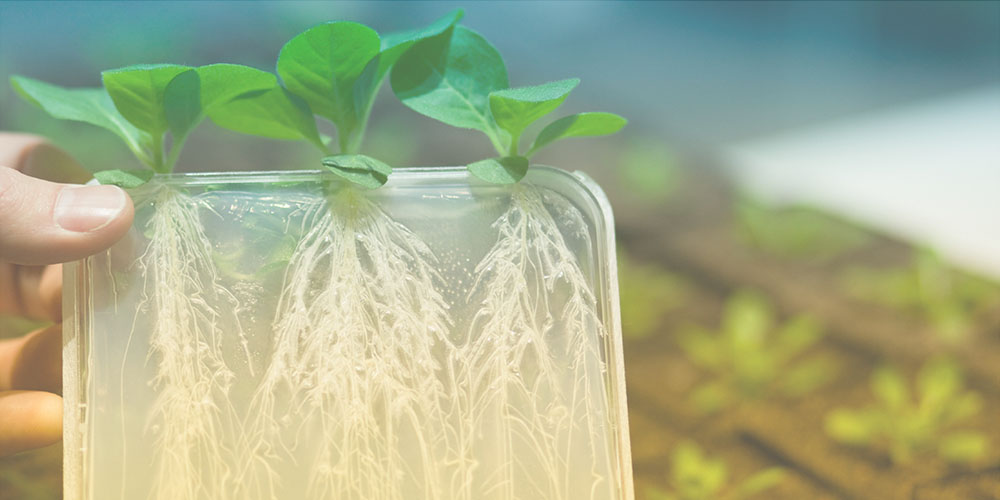
Bioremediation
Students learn how living organisms are used to process materials or produce certain results, and how modern bioengineering techniques are used to mimic natural processes for the cleanup of sewage, oil spills, and other environmental toxins.
Biotechnology and You
Students explore artificial selection and learn how advances in science are allowing increasingly specific methods of genetic manipulation in organisms. Students explore risks and benefits and concerns that affect what we eat and wear.
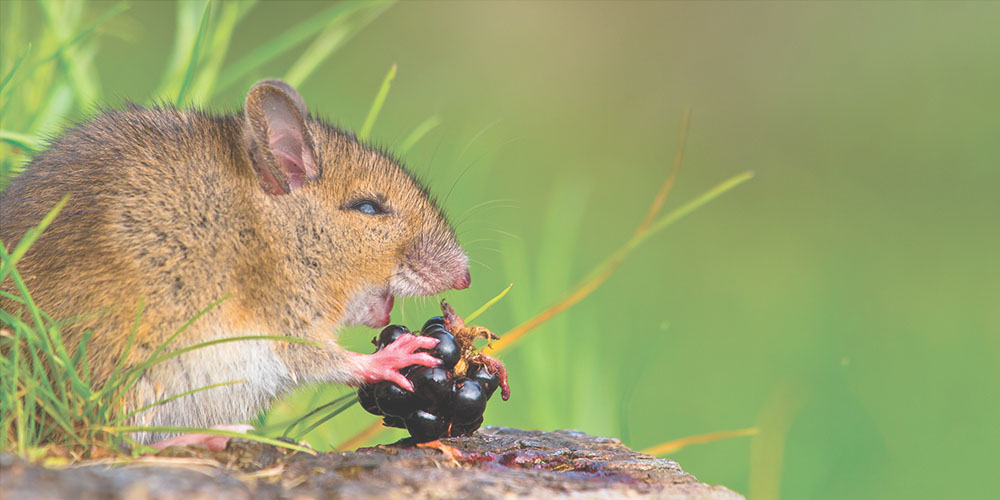
Potatoes, Pesticides, and Biodiversity
Students develop an understanding of some of the costs and benefits of using pesticides and of how those products affect biodiversity. They also research pesticides and learn about alternatives to the reliance on pesticides for growing potatoes.
Protected Areas: Issues and Analysis
By analyzing case studies and describing some of the challenges and conflicts, students learn about the importance to biodiversity of protected areas.
Global Invaders
Students research invasive species in the United States and then investigate the presence and effects of invasive species in their own community.

Regional Community Issues: The Ogallala Aquifer
Students investigate a regional issue as they adopt the roles of shareholders and debate solutions to the depletion of North America’s largest aquifer.
Far-Reaching Decisions
Students develop graphic organizers and creative presentations to illustrate how individual decisions can impact the local environment, as well as distant communities. They also measure their own ecological footprint.
Vision for the Future
Student teams develop and present a vision for the future of an area in their community.
Green Space
Students investigate green infrastructure and native plant communities at the neighborhood, community, and regional scales. They also explore the dual needs to accommodate population growth and to protect green space and native plant communities.
Neighborhood Design
Students explore the current layout of their neighborhoods, critically evaluate a variety of development options, and formulate ideas for guiding further growth in their communities.