Activity
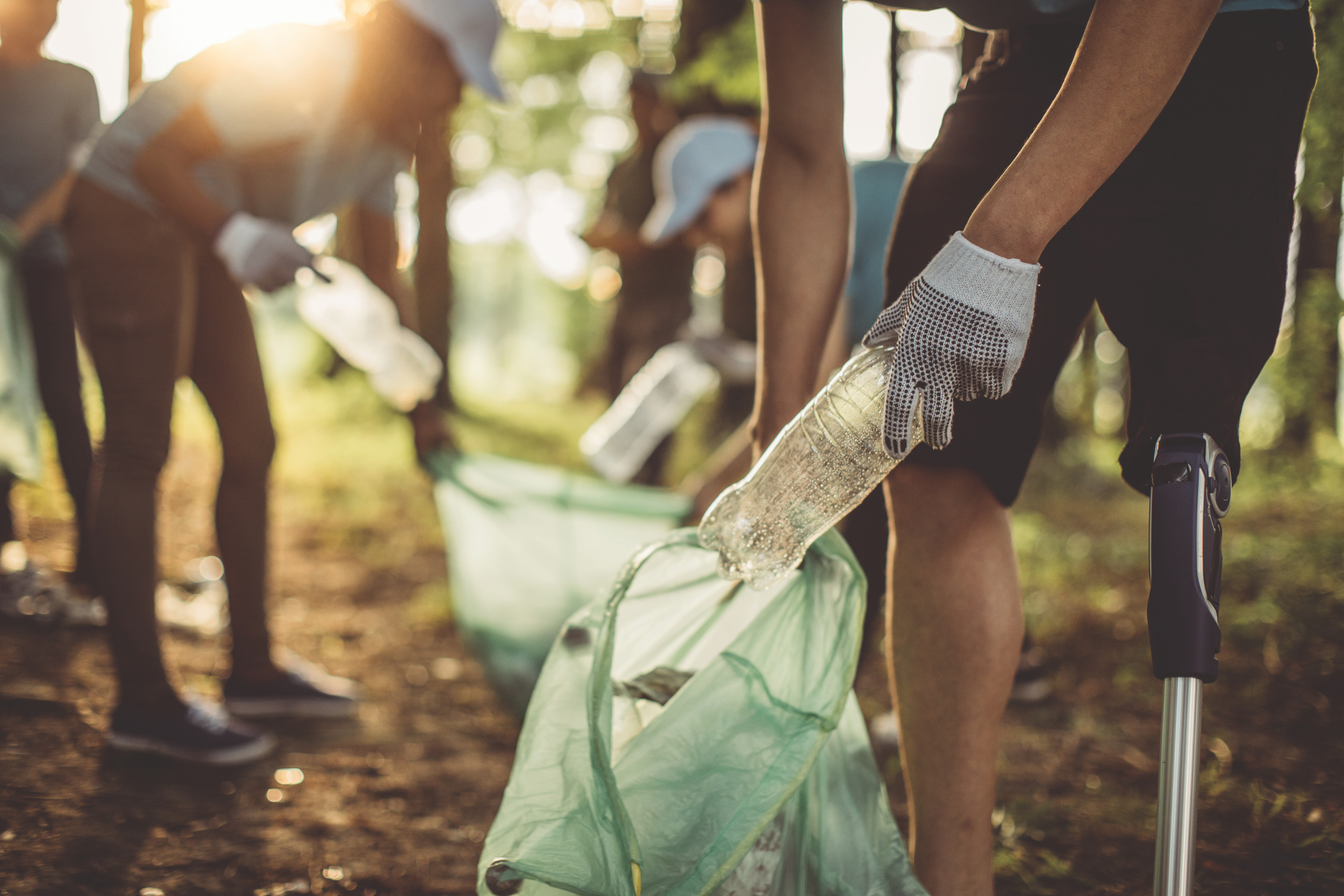
Improve Your Place
Every living thing has a habitat—a place that meets its needs. Human beings’ habitat is the community in which they live.
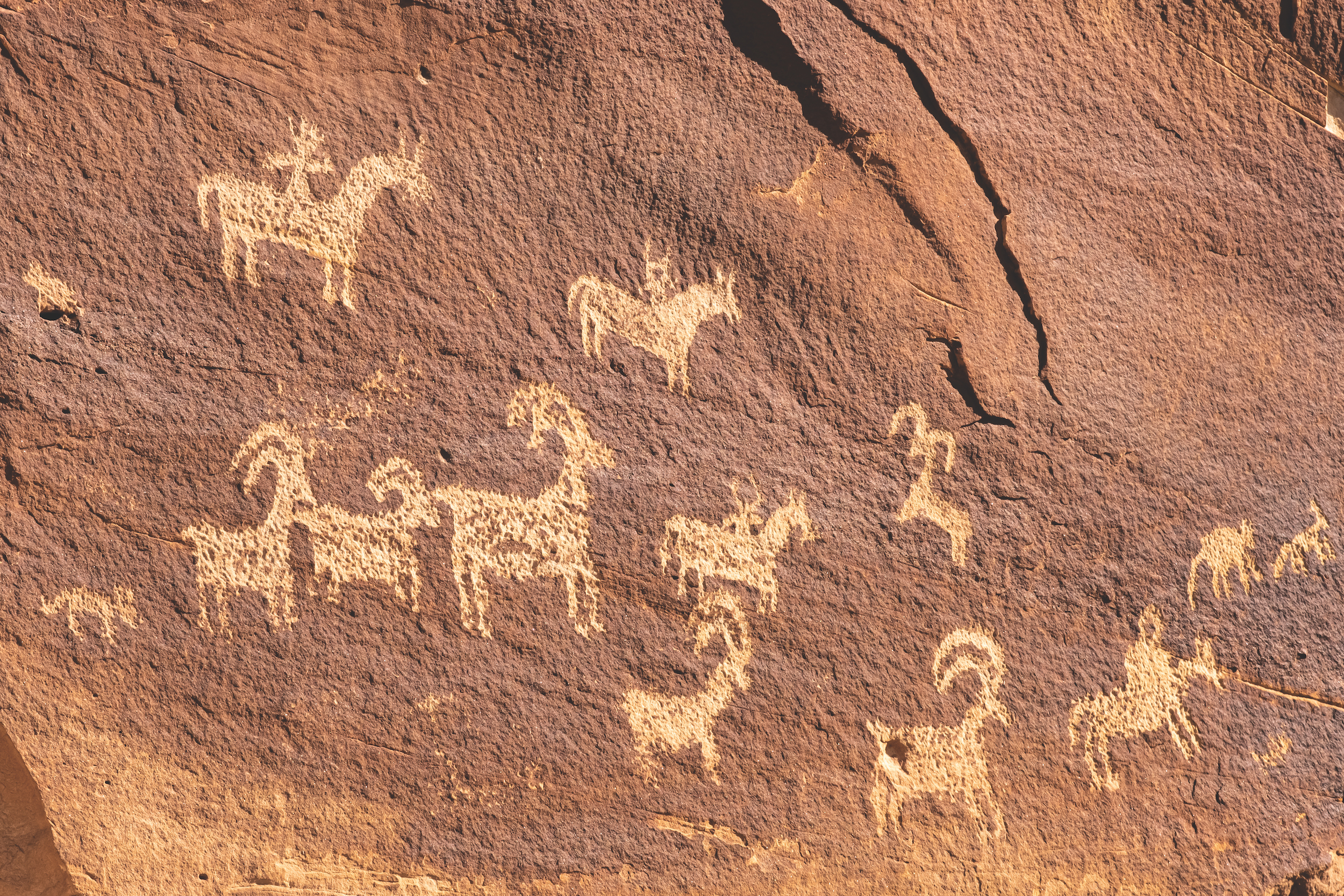
If You Were the Boss
Students play the role of forest manager for a 400-acre (162-hectare) public forest, exploring the complex factors that influence management decisions about forest lands.
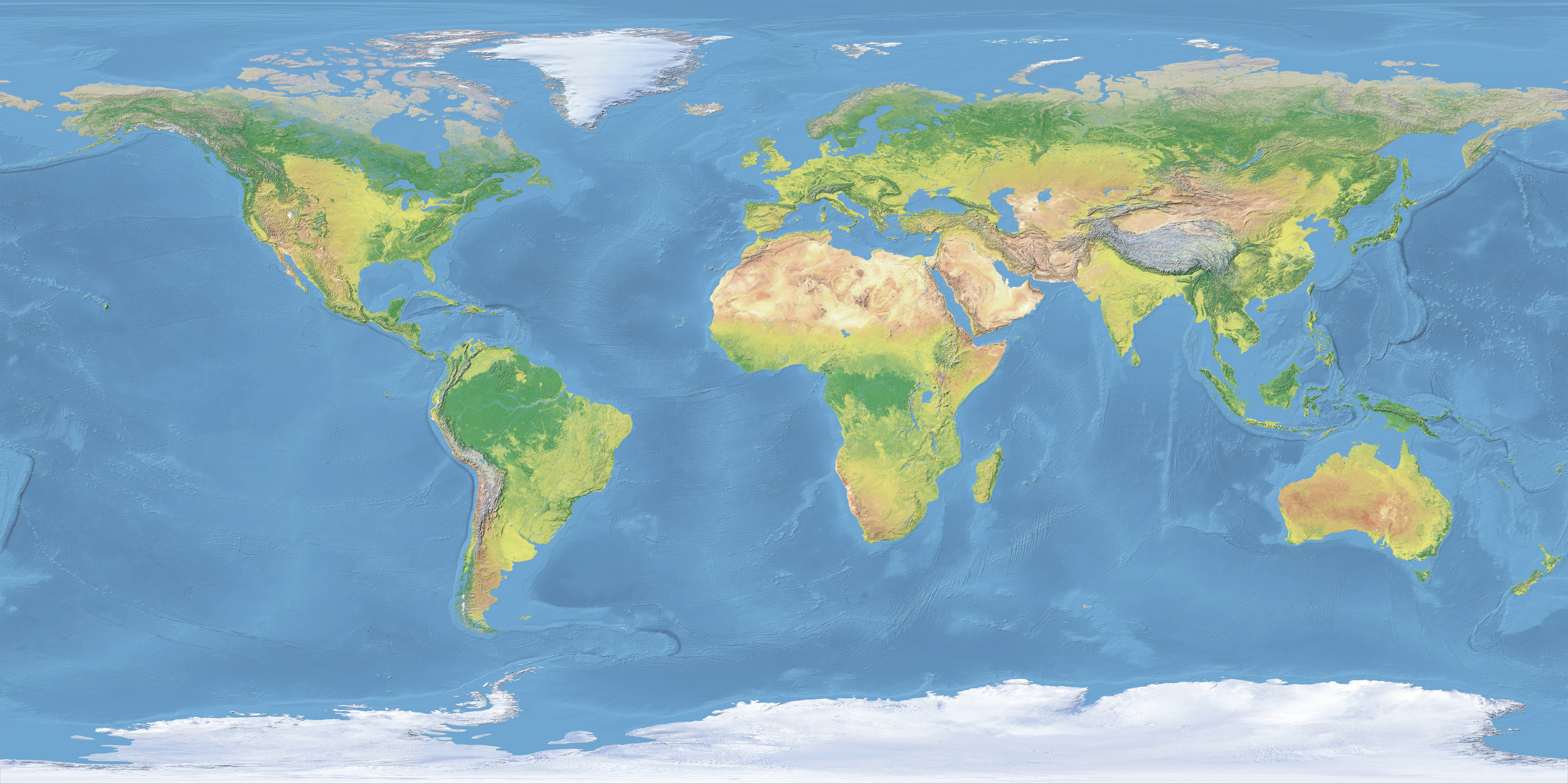
Global Goods
Students gain an appreciation for how many natural resources they depend on in their day-to-day lives. By tracing the resources that go into making one item, students learn how its manufacturing can have an impact on the environment.
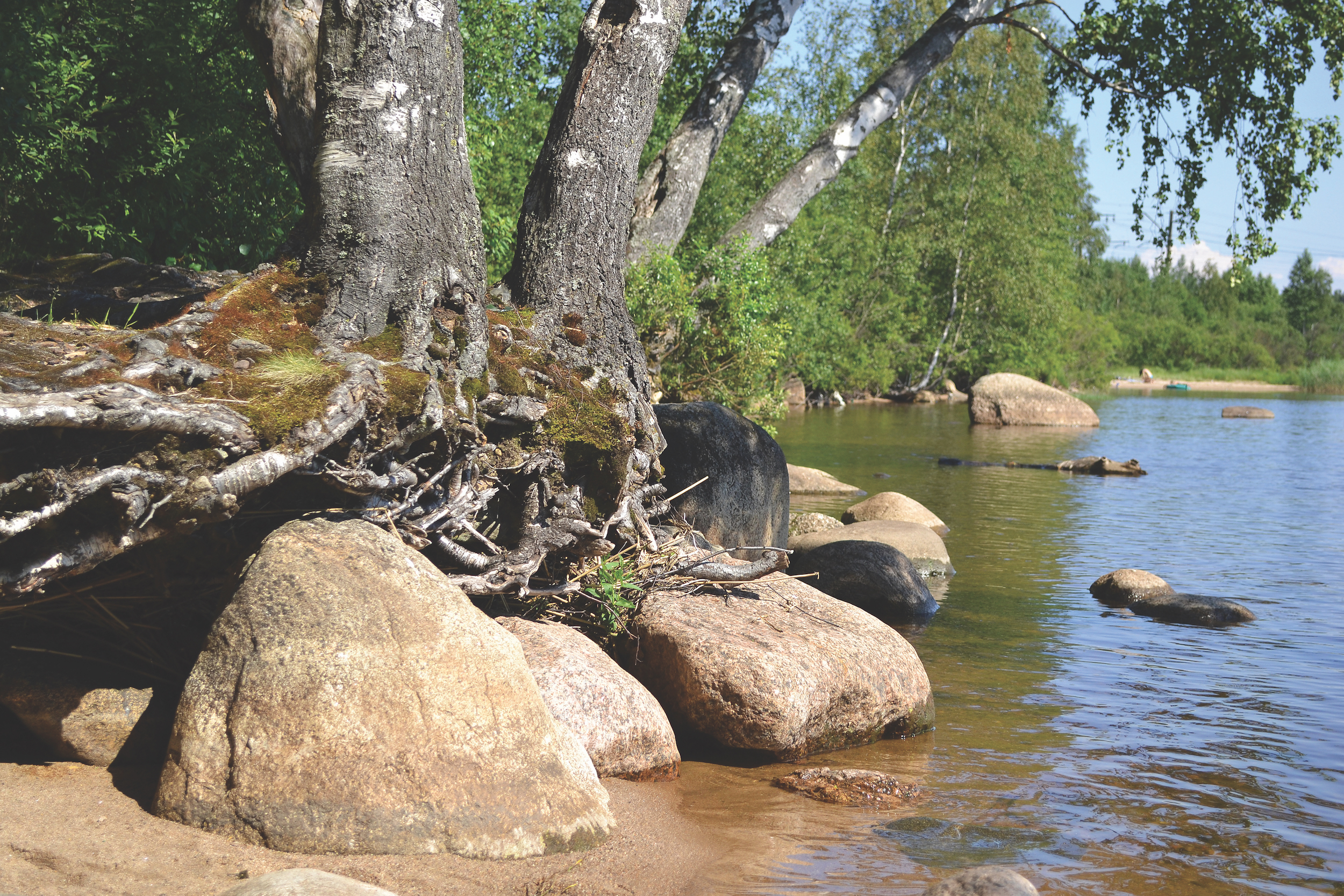
Field, Forest, and Stream
Students conduct a field study of three different environments as they focus on sunlight, soil moisture, temperature, wind, water flow, plants, and animals in each environment.
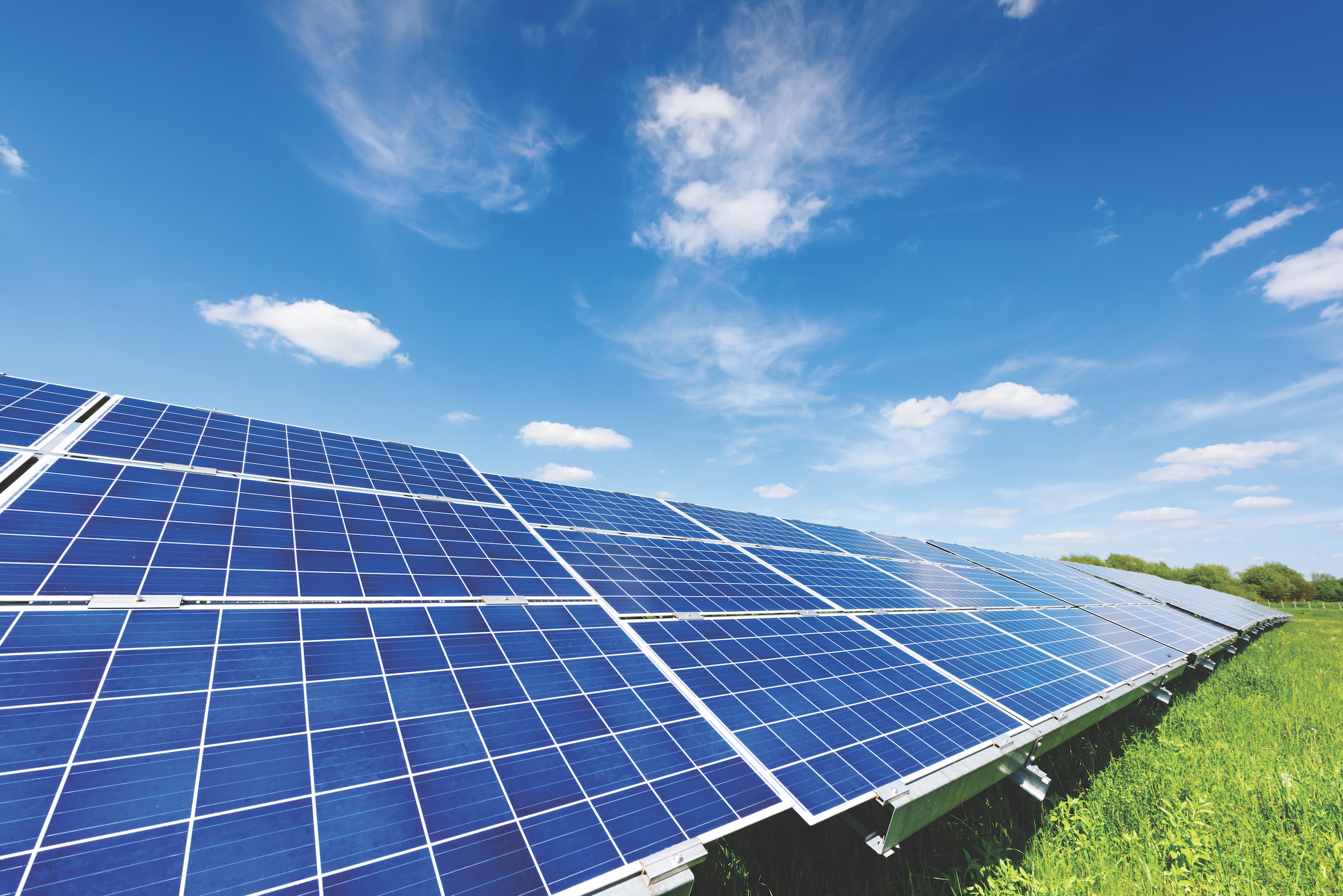
Exploration Energy!
The energy we use at home, school, or work enhances our lives, but it also often contributes to air and water pollution, wildlife and habitat loss, and climate change.
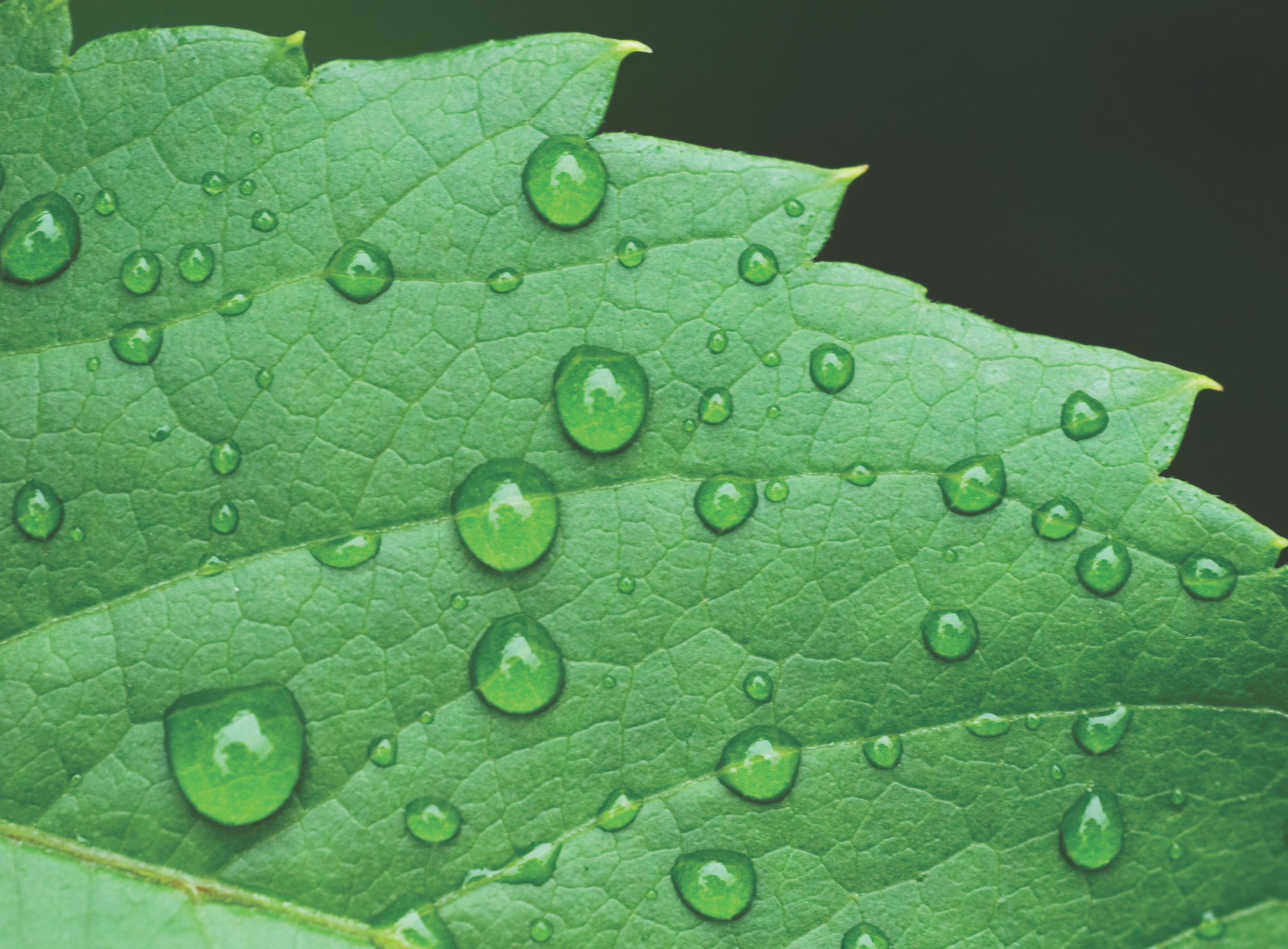
Water Wonders
The water cycle is the system by which Earth’s water is collected, purified, and distributed from the environment to living things and then returned to the environment.
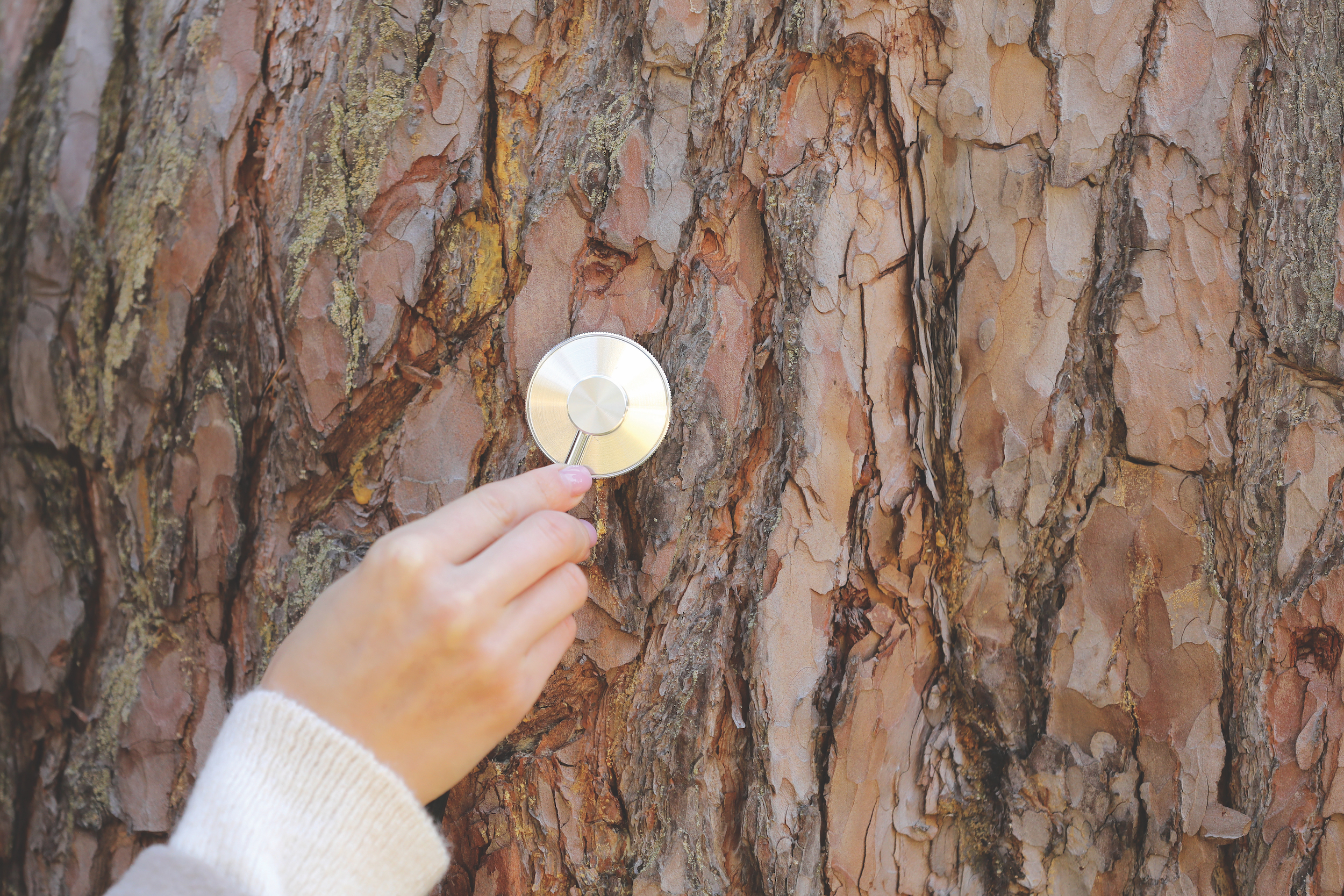
Trees in Trouble
Students examine trees for signs of damage or poor health and investigate conditions that may cause trees and other plants to become unhealthy.

Trees for Many Reasons
By reading a story such as The Lorax by Dr. Seuss, students can examine the importance of conserving natural resources.
Tree ID
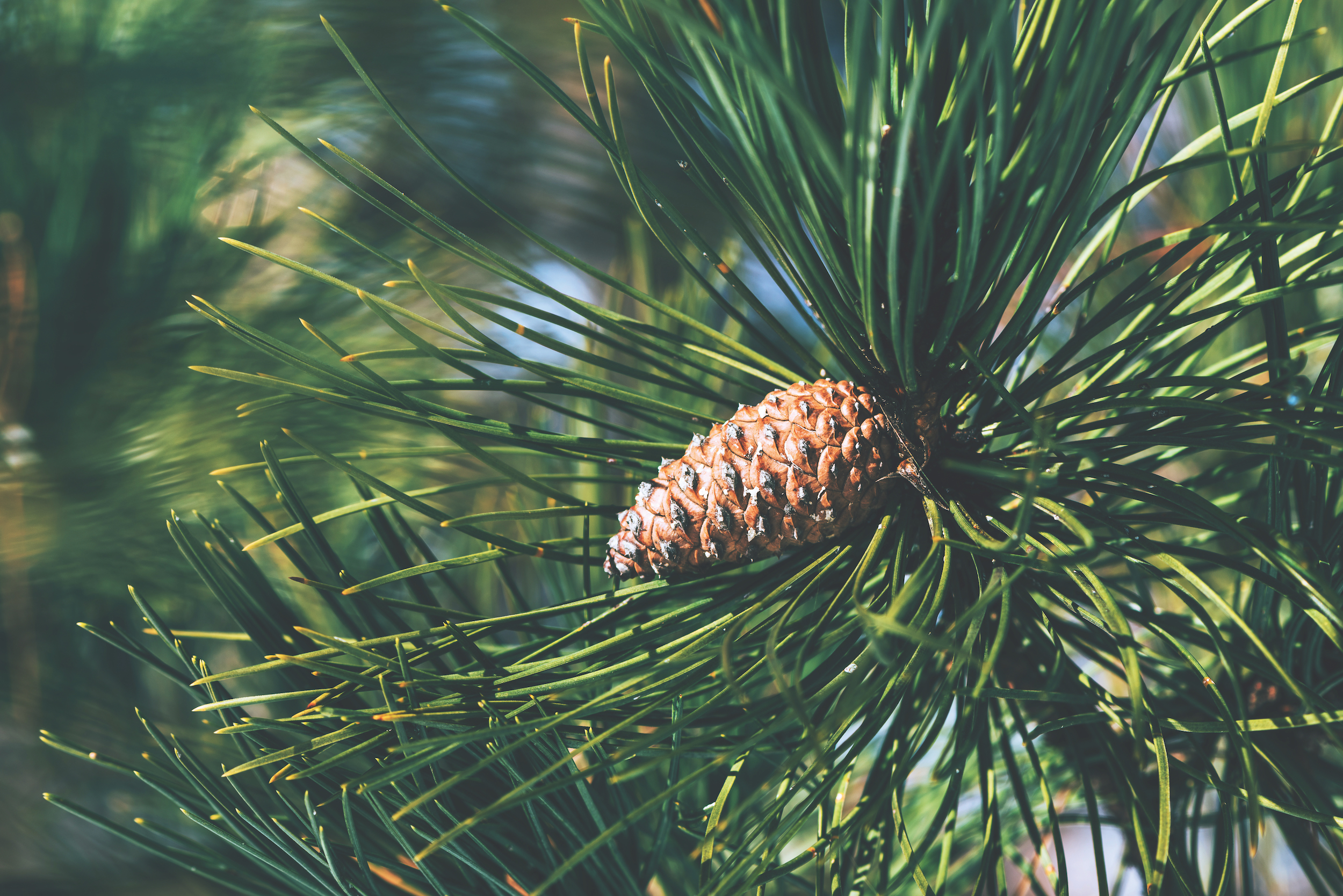
Tree species can be identified by looking at several different features: leaves, bark, twigs, flowers, fruit, and seeds. Even the overall shape of a tree can give clues to the tree’s identity.
Tree Factory
By modeling the parts of a tree and creating a “tree factory,” students will learn about the structure of a tree.