Activity
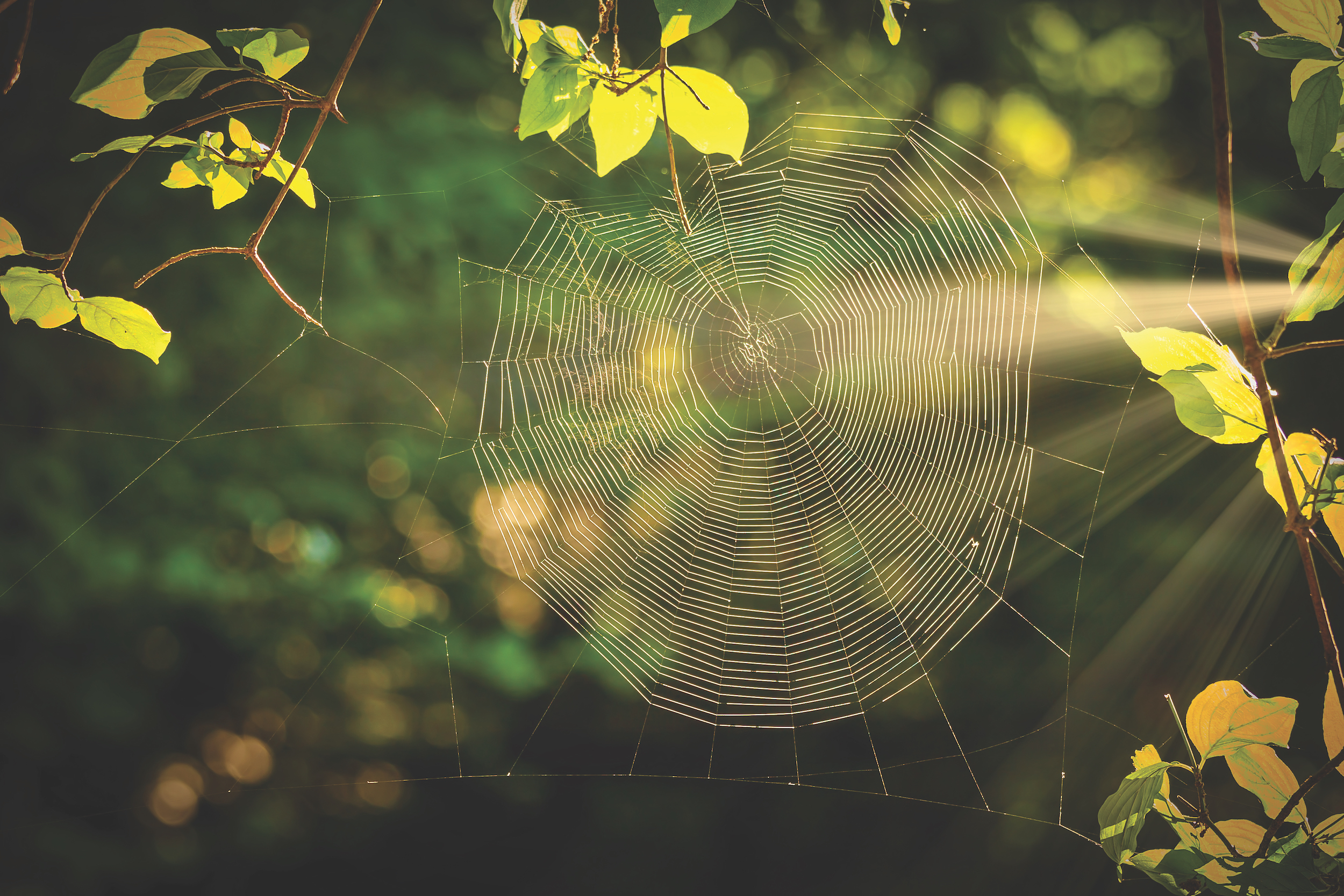
Web of Life
By conducting research and modeling a food web, students take a close look at a forest ecosystem and discover ways that plants and animals are connected to one another.
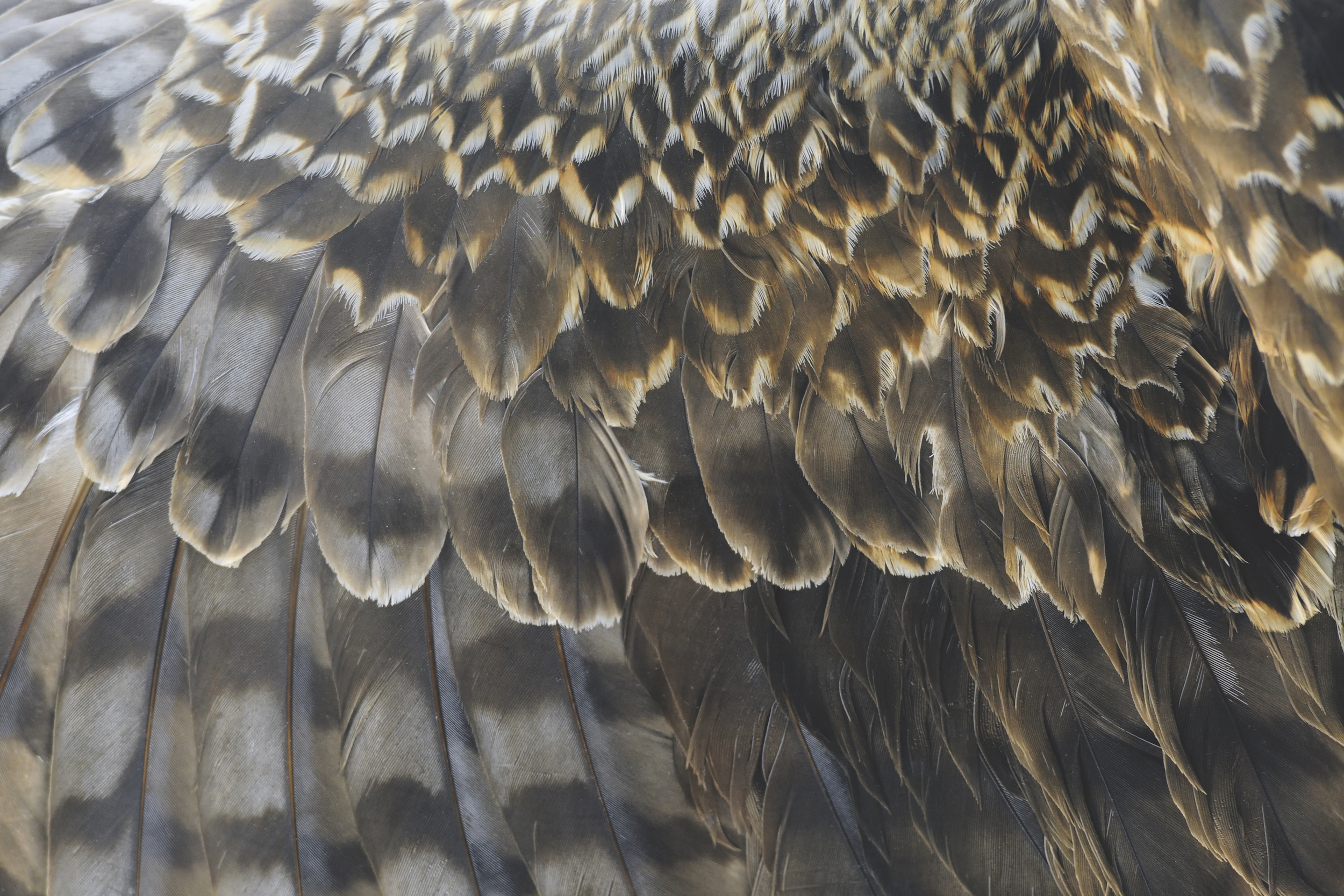
Charting Biodiversity
Students explore the amazing diversity of life on Earth and discover how plants and animals are adapted for survival. This activity helps students understand why there are so many different species and teaches them the value of biodiversity.

Discover Diversity
Students imagine that they are visitors from outer space, viewing life on Earth for the first time. By describing in minute detail all the life they find in a small plot of land, they will become more aware of the diversity and abundance of life.
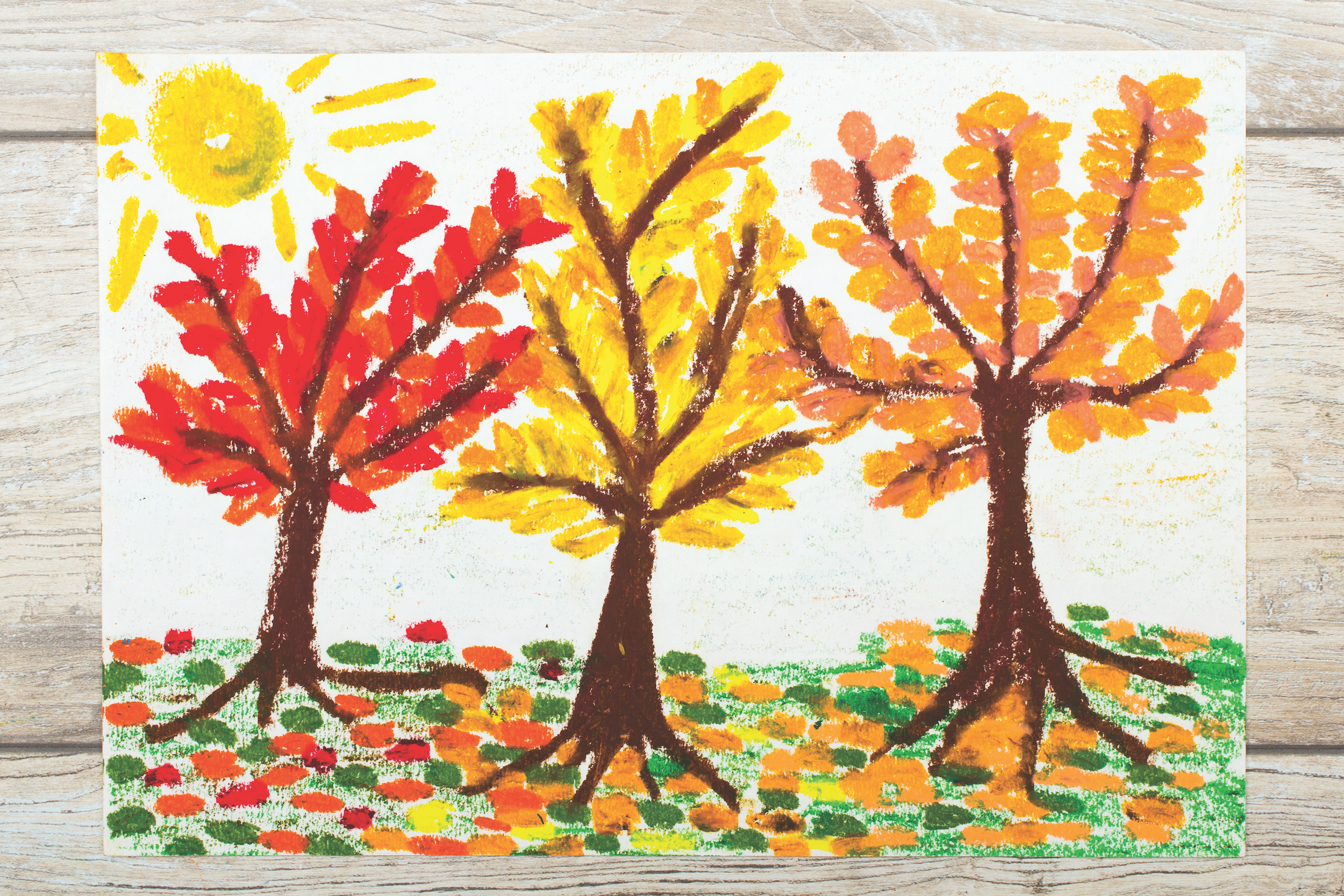
The Closer You Look
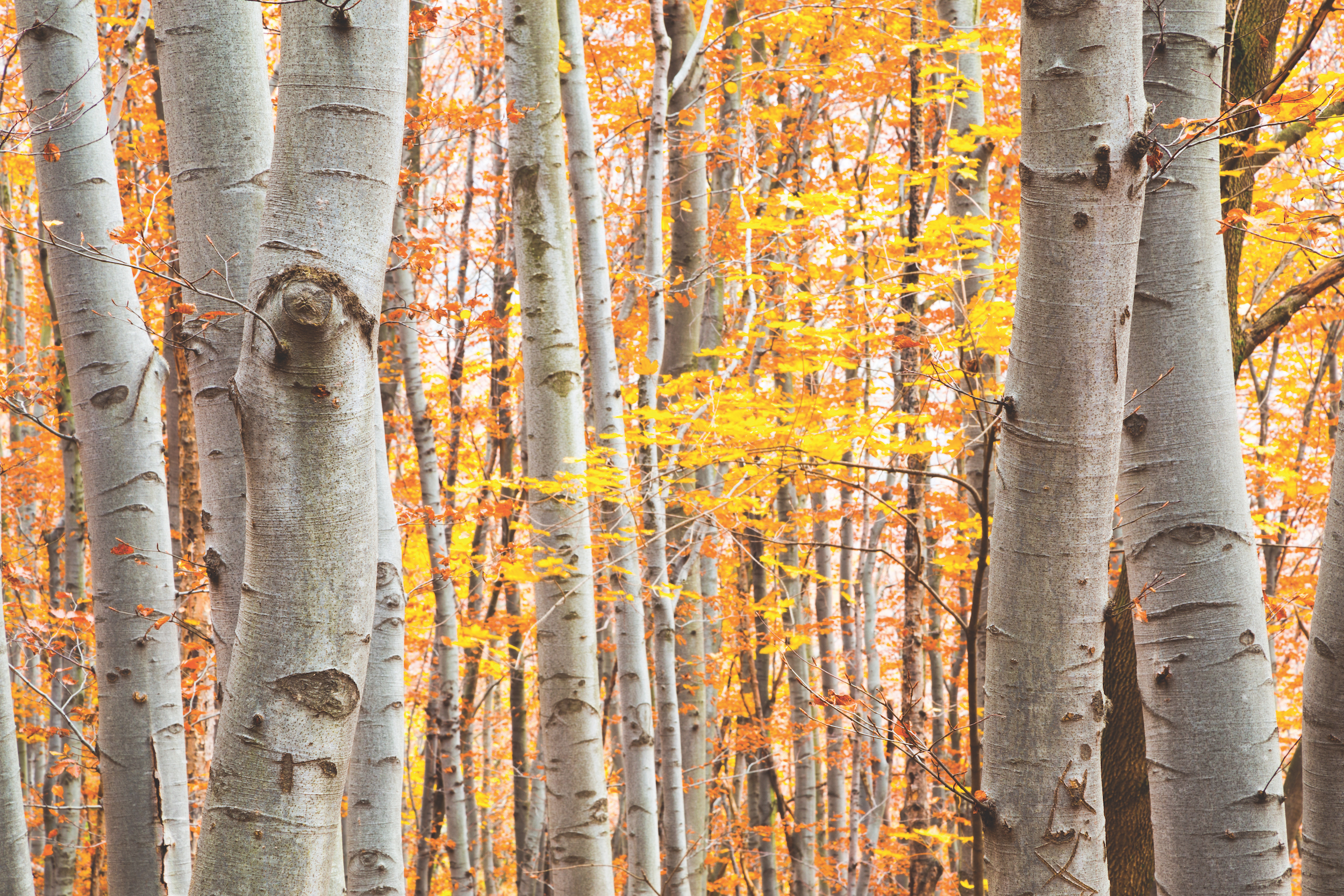
Even though students may be very familiar with trees, they may not have thought much about the actual structure of a tree. In this activity, your students will go outdoors or view pictures to take a closer look at trees and their parts.
Peppermint Beetle
Students explore their sense of smell and discover why smell is important to animals, including beetles and humans.
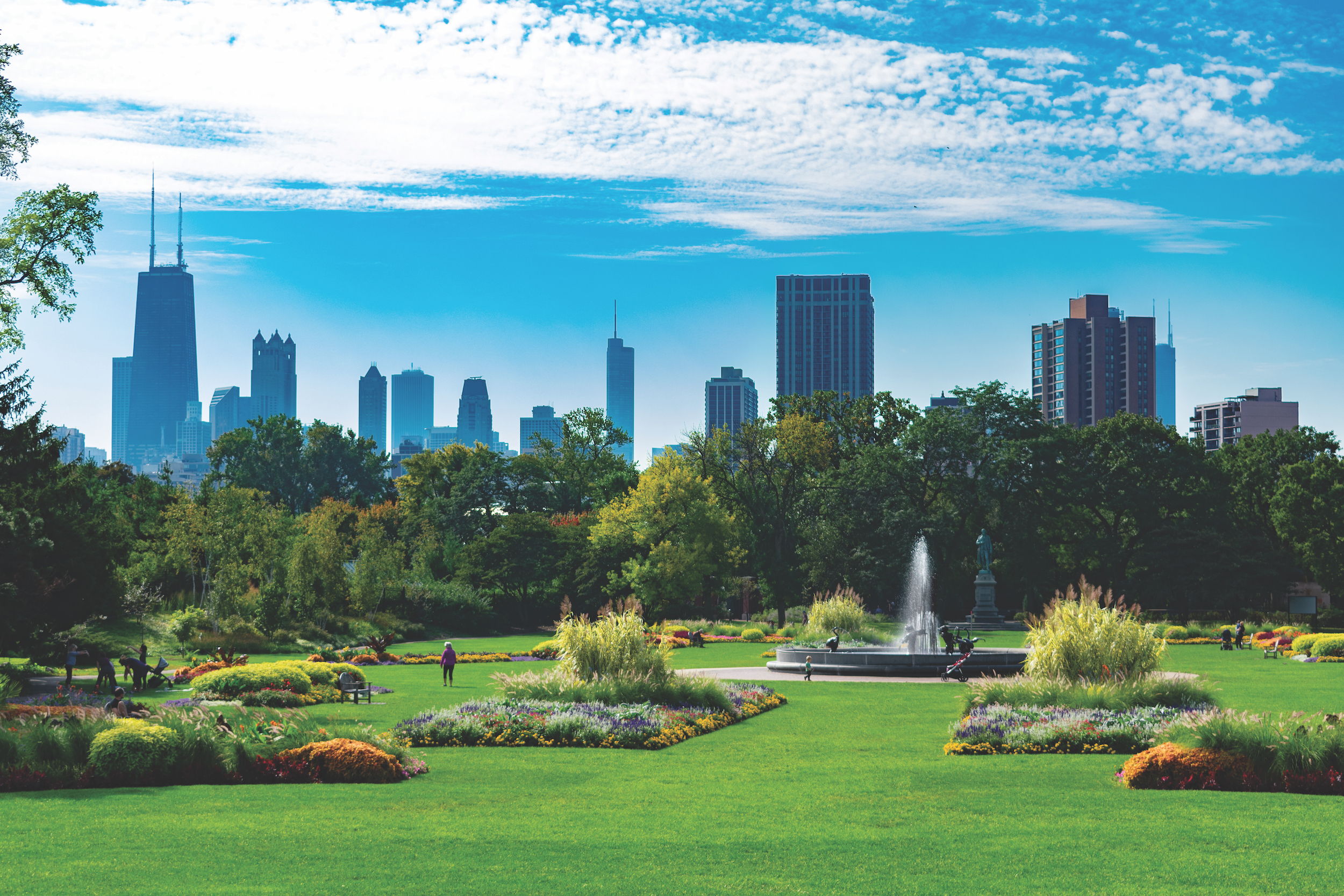
Forest in the City
The trees in our communities provide many benefits: they improve air quality, store carbon, and conserve energy.
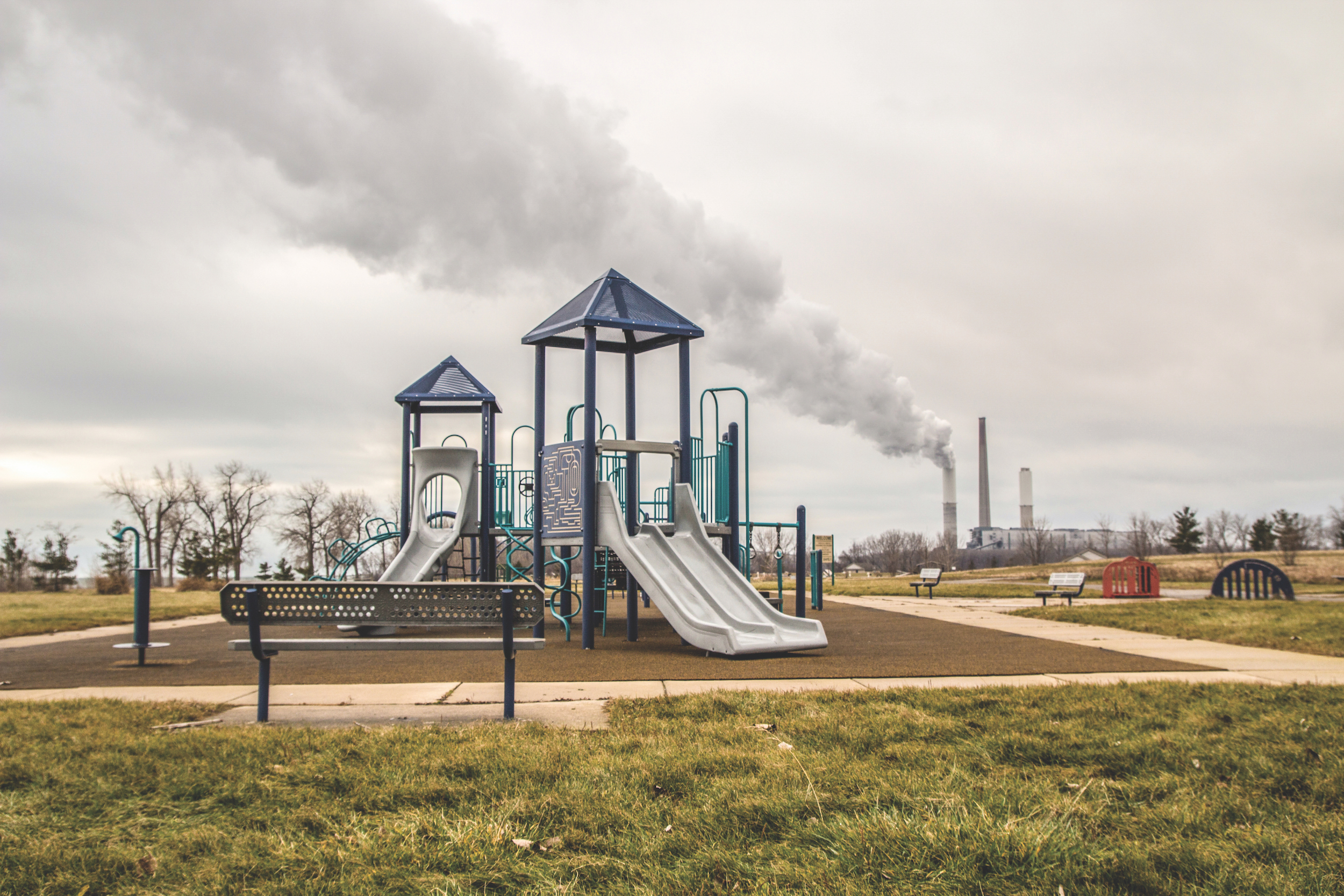
Environmental Health for All
Everyone has an equal right to a healthy environment—but does everyone have a healthy environment?
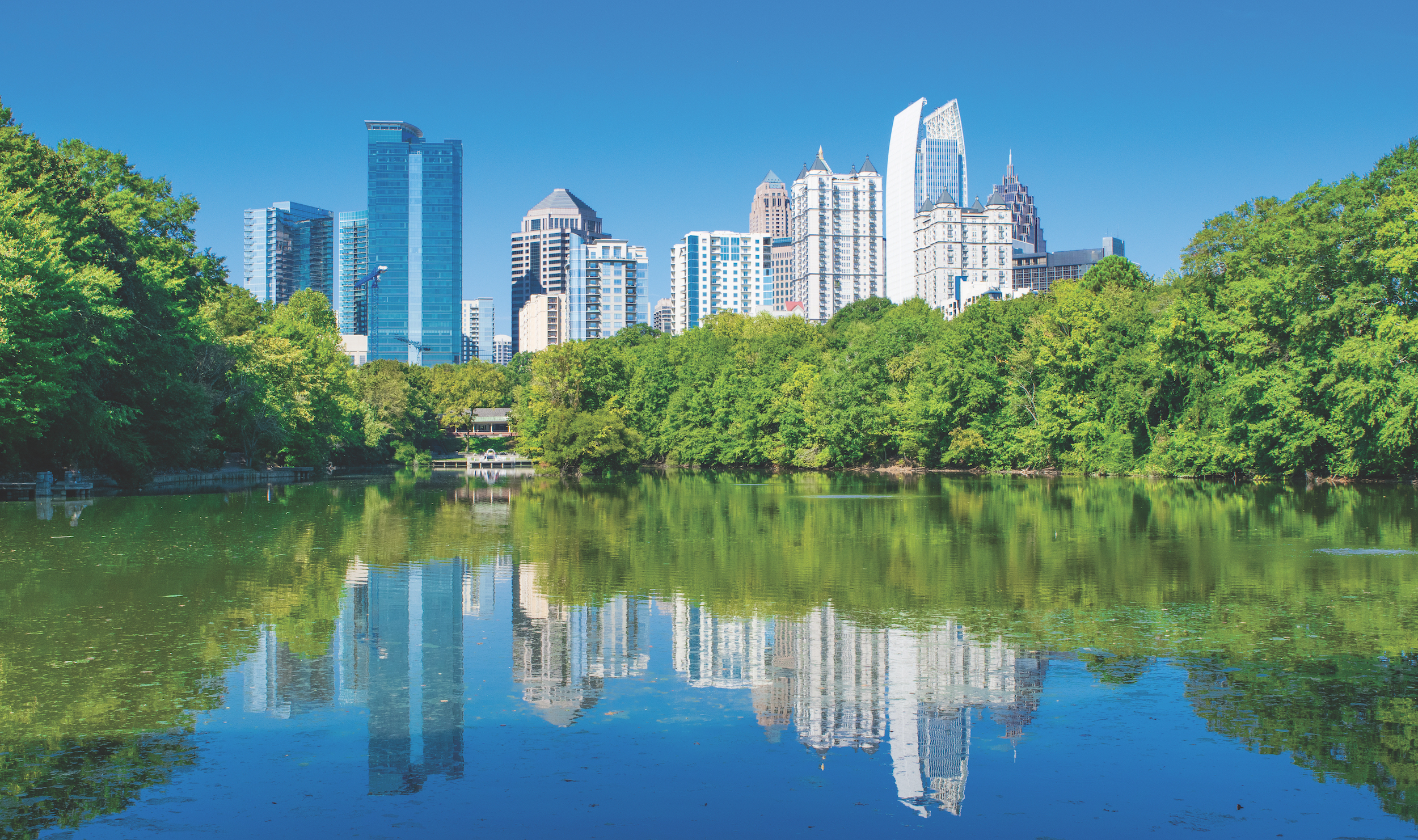
Decisions, Decisions
Decisions about community land use are complex and often involve many people in many ways. In this activity, students use trees as a backdrop to develop a land-use plan.
Seeking Sustainability
Learners explore the concept of sustainability by examining the United Nations’ 17 Sustainable Development Goals, while also taking a look at some jobs involved in ensuring forest sustainability.
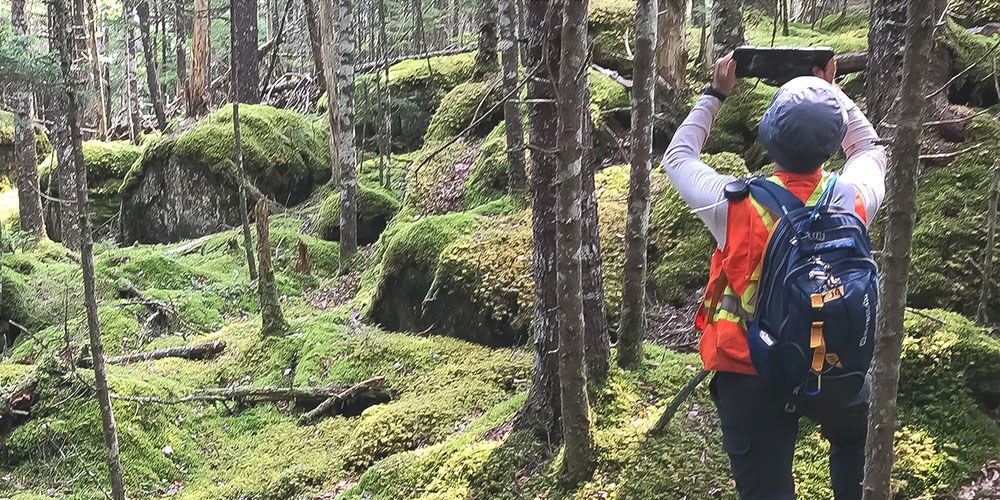
Monitoring Forest Health
Through a variety of health indicators, learners assess the health of a forest area and see how soil scientists, wildlife biologists, arborists, and other forest professionals monitor forests.