Activity
If You Were the Boss
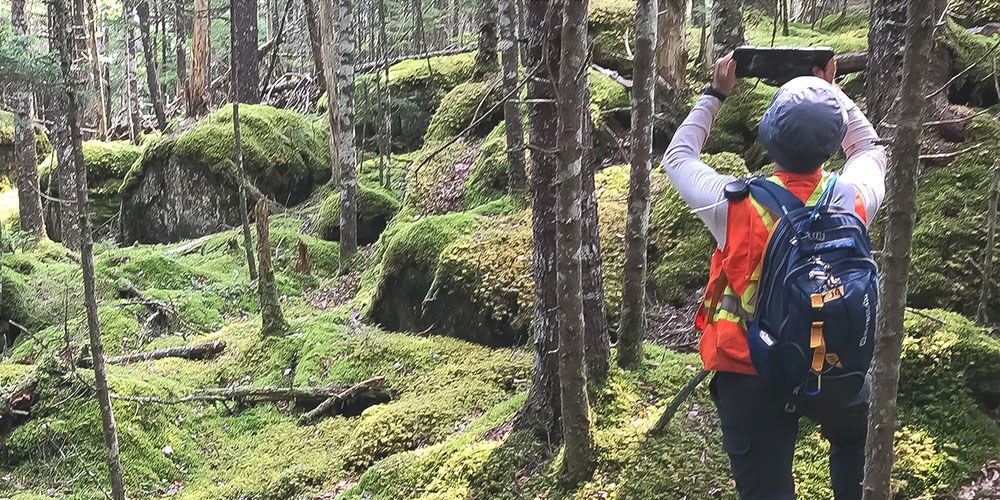
Acting as foresters, learners grapple with decisions about how to manage a forest sustainably while serving different needs.
Who Works in this Forest?
As an introduction to some of the people who work in and on behalf of forests, learners research different forest sector careers to learn what it takes to perform these jobs.
Future of Our Forests
Students review what they have learned in this module by compiling a report of the future of forests in Southeast US. Students can share their knowledge by writing a letter to their state or county forester, city arborist, local newspaper, etc.
The Carbon Puzzle
Students assess a series of facts to understand how to manage a plantation forest to maximize the removal of atmospheric carbon as they practice cooperative learning and graph interpretation skills.
Life Cycle Assessment Debate
After a debate where students compare products, students develop a set of life cycle questions that con be used to guide their consumer choices.
Adventures in Life Cycles Assessment
Students investigate life cycle assessment data for three types of outdoor dining furniture (plastic resin, cast aluminum, and pine) and make conclusions about the relative impact of the products on global climate change.
The Real Cost
Through a simulated shopping activity, students learn about life cycle assessments and the potential impact of their consumer choices on the environment. How do we make decisions about the products we buy?
Counting Carbon
Students calculate the amount of carbon stored in individual trees near their school, then they compare the carbon sequestration potential for land-use types in their state and compare it to the amount of carbon released by human activities.
Carbon on the Move
Students imagine they are a carbon atom and take part in a simulation that allows them to cycle through biological and physical systems.
Mapping Seed Sources
Students use growth data from loblolly pine forests to identify genetically different populations and project where trees with certain characteristics are likely to thrive in changing climatic conditions.