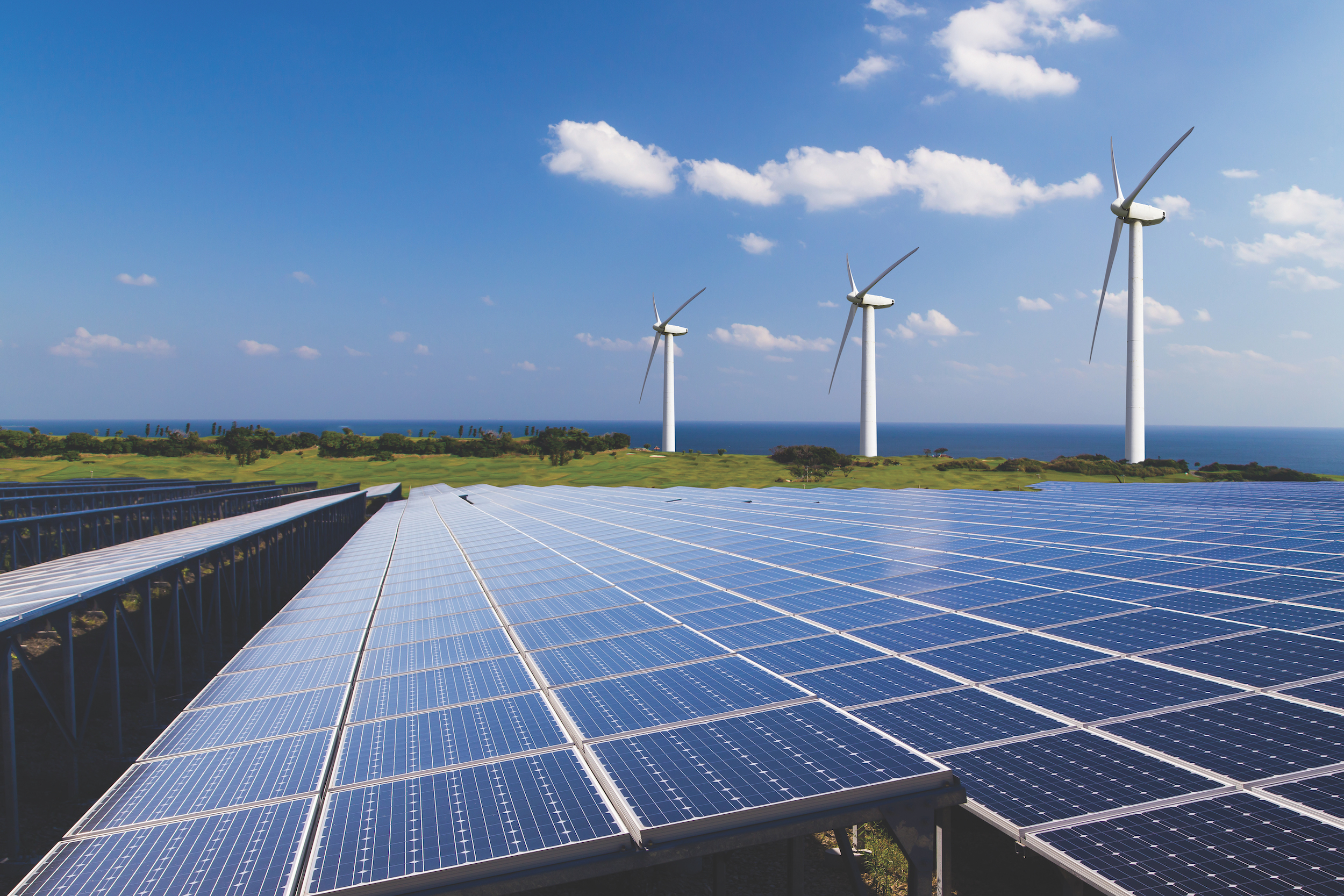
Renewable or Not
Students model what happens to renewable and nonrenewable resources over time and discover why sustainable use of natural resources is so important.
Students model what happens to renewable and nonrenewable resources over time and discover why sustainable use of natural resources is so important.
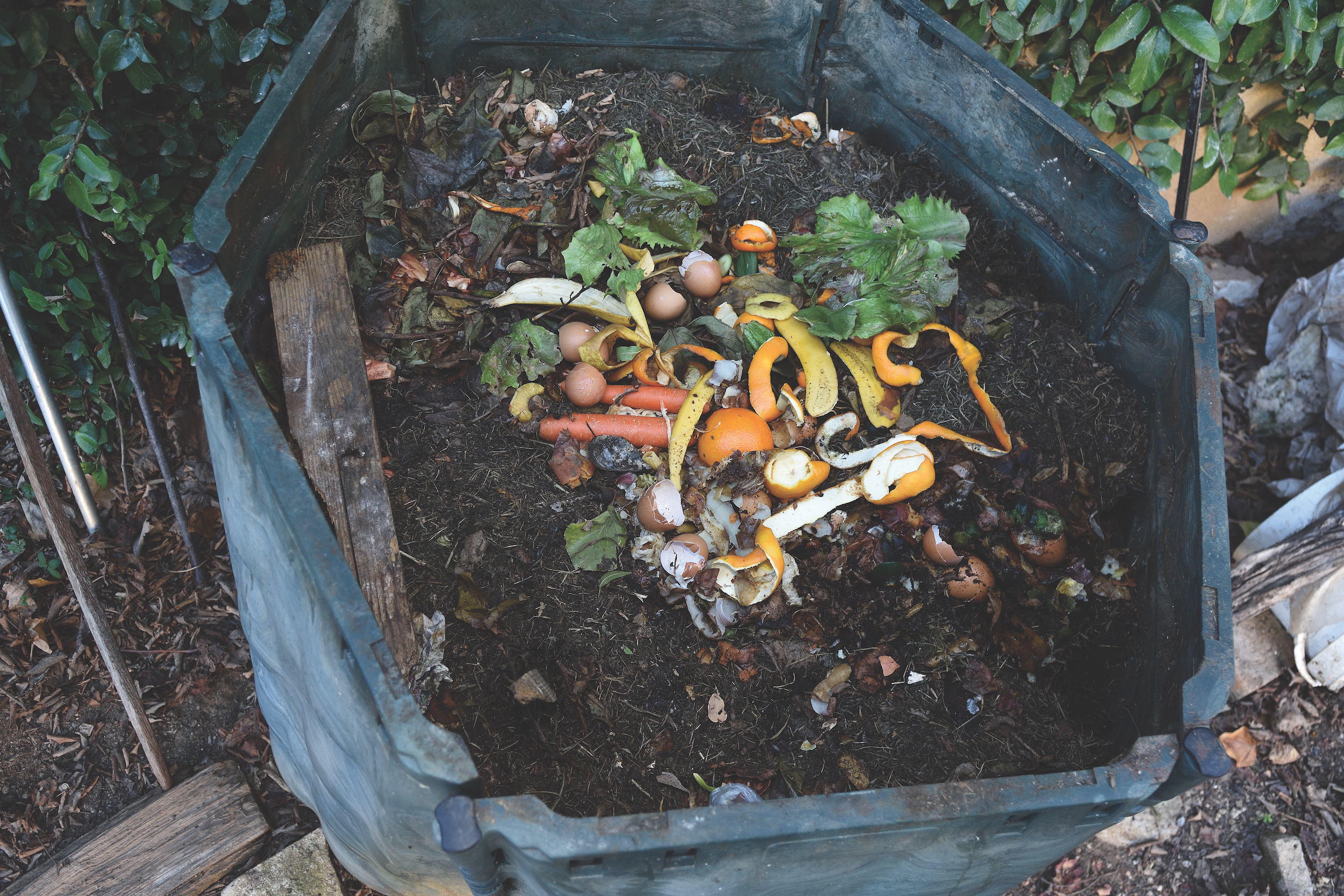
By examining trash, students can learn a lot about how and why they throw things away. Students find ways to reduce their community’s waste production and improve its management through participation in a service-learning project.
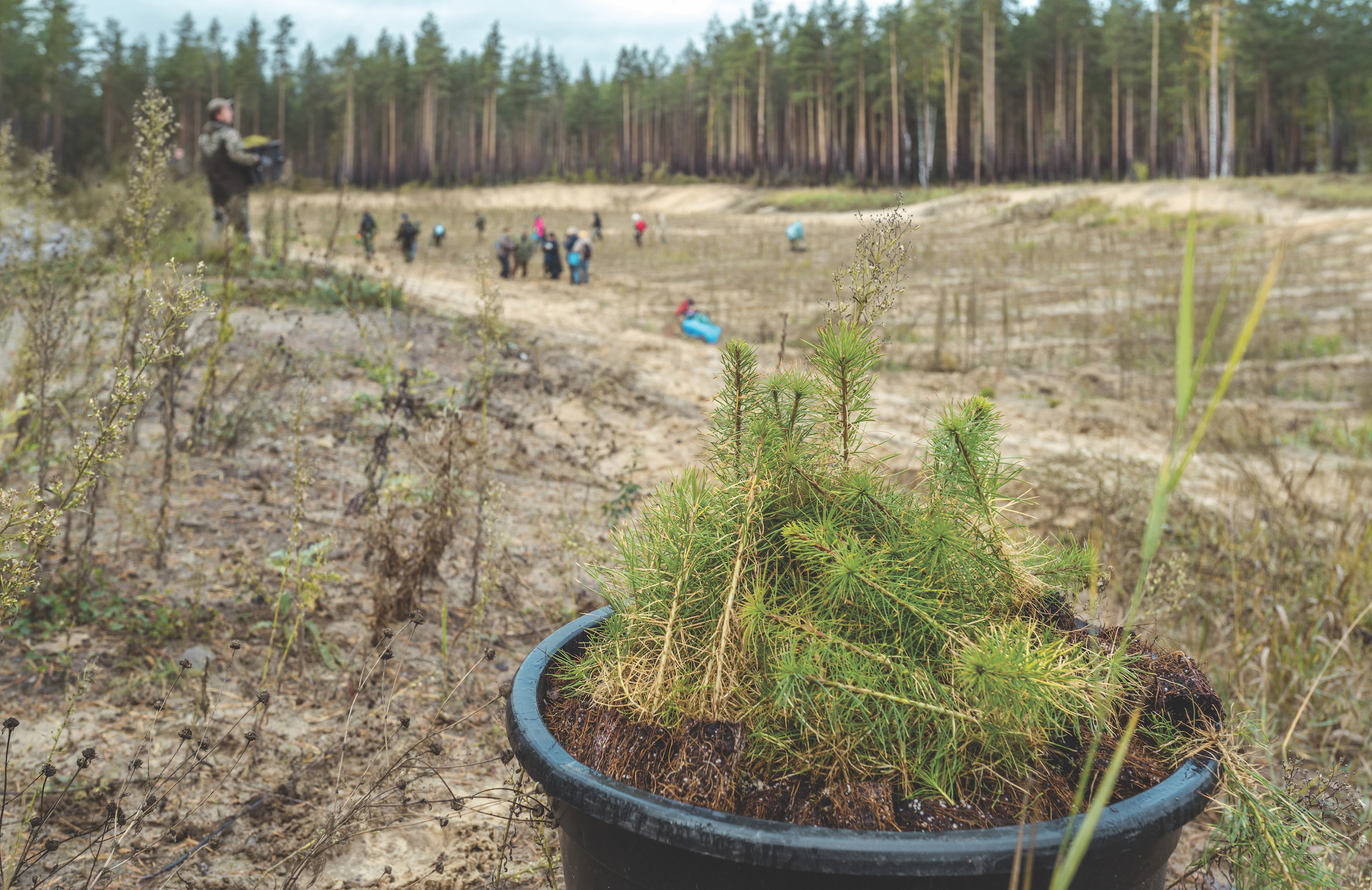
Never underestimate the power of a tree! In addition to giving us an amazing array of paper and wood products, trees provide a host of other benefits—from shading our backyards to reducing air pollution to helping stabilize the global climate.
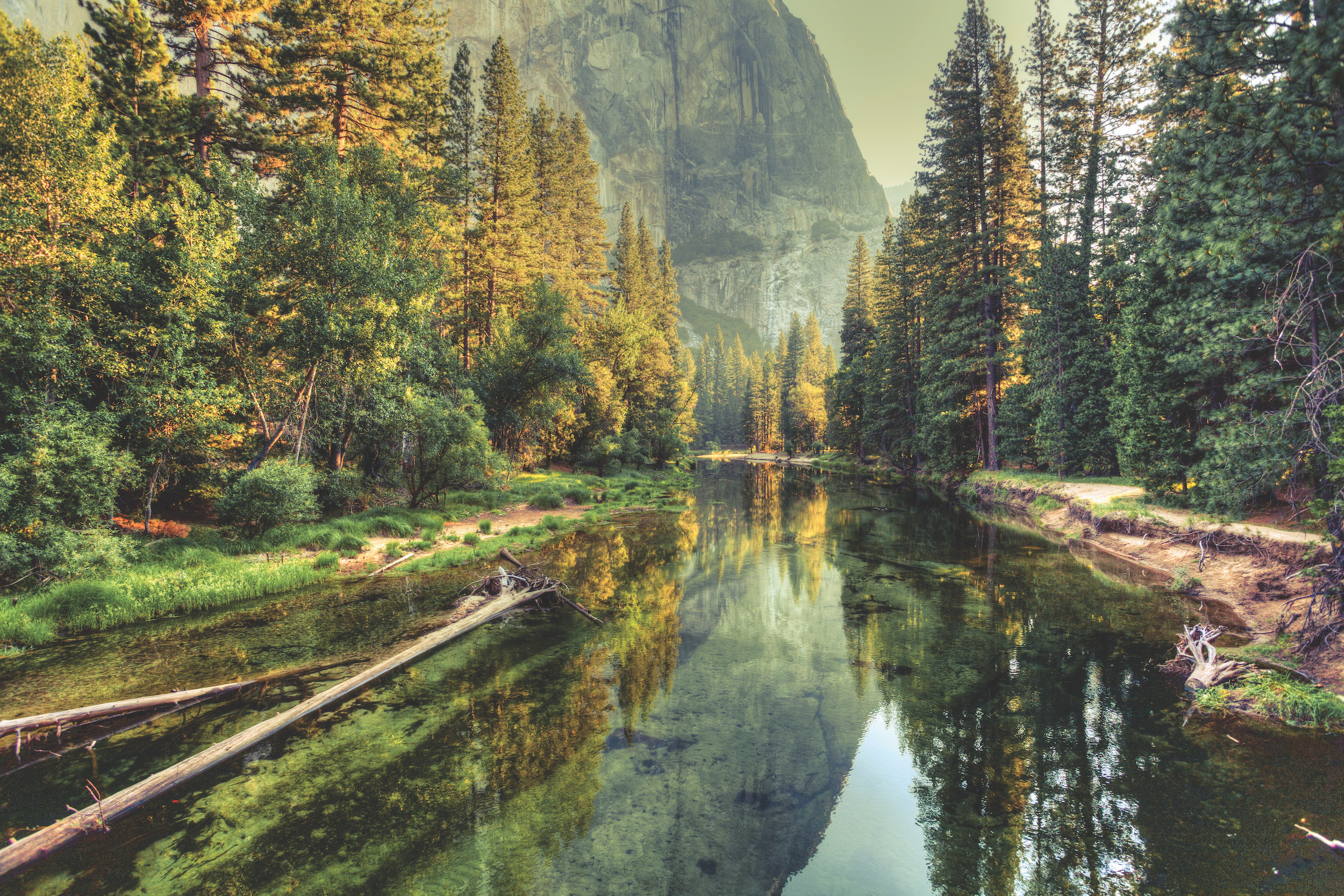
Our nation’s forests are managed to support different outcomes. Students learn how forests can be managed to meet human and environmental needs and examine national parks to identify challenges that forest managers face meeting different needs.
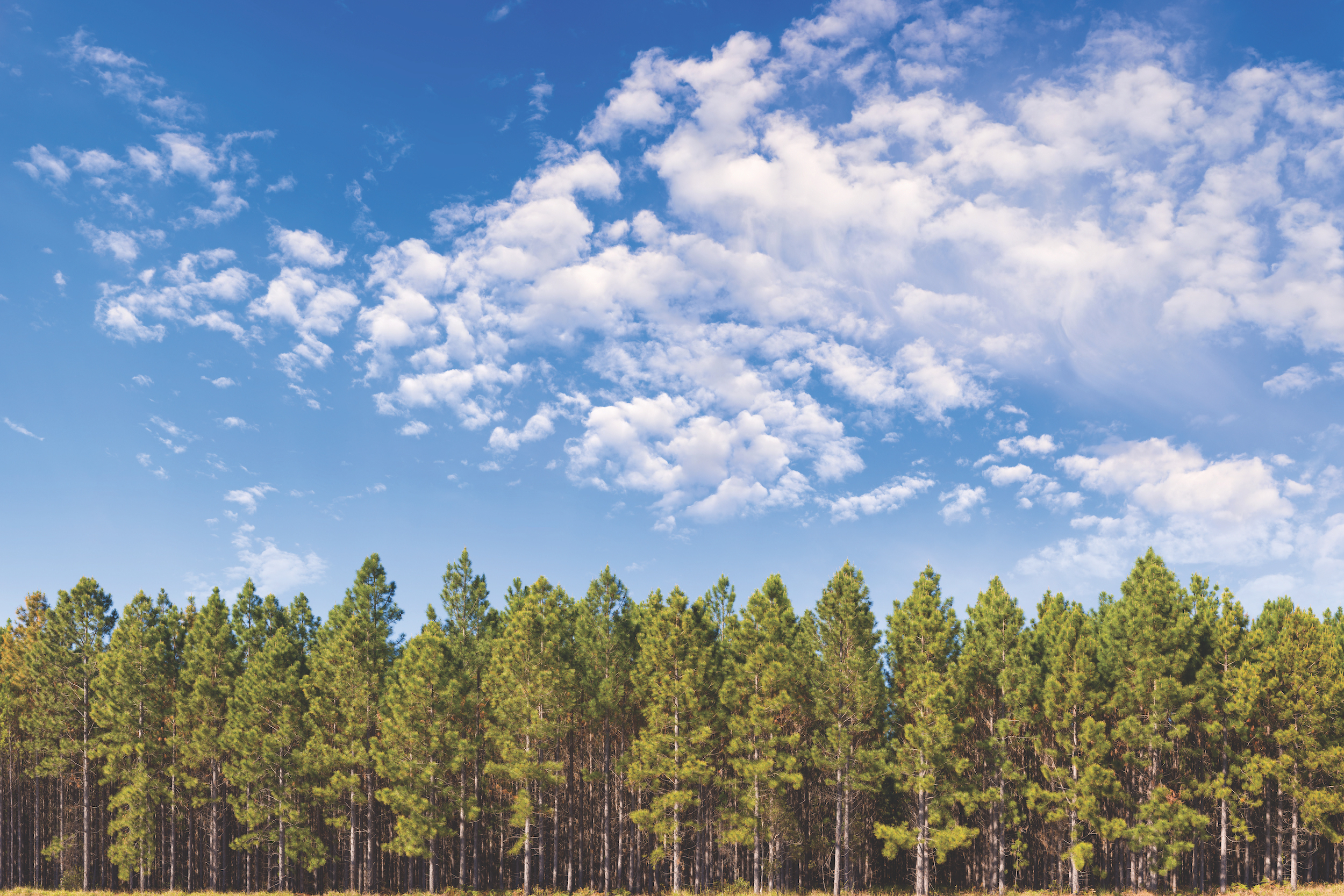
Succession is a natural pattern of change that takes place over time in a forest or other ecosystem. Students read a story about succession and investigate the connections among plants, animals, and successional stages in a local ecosystem.
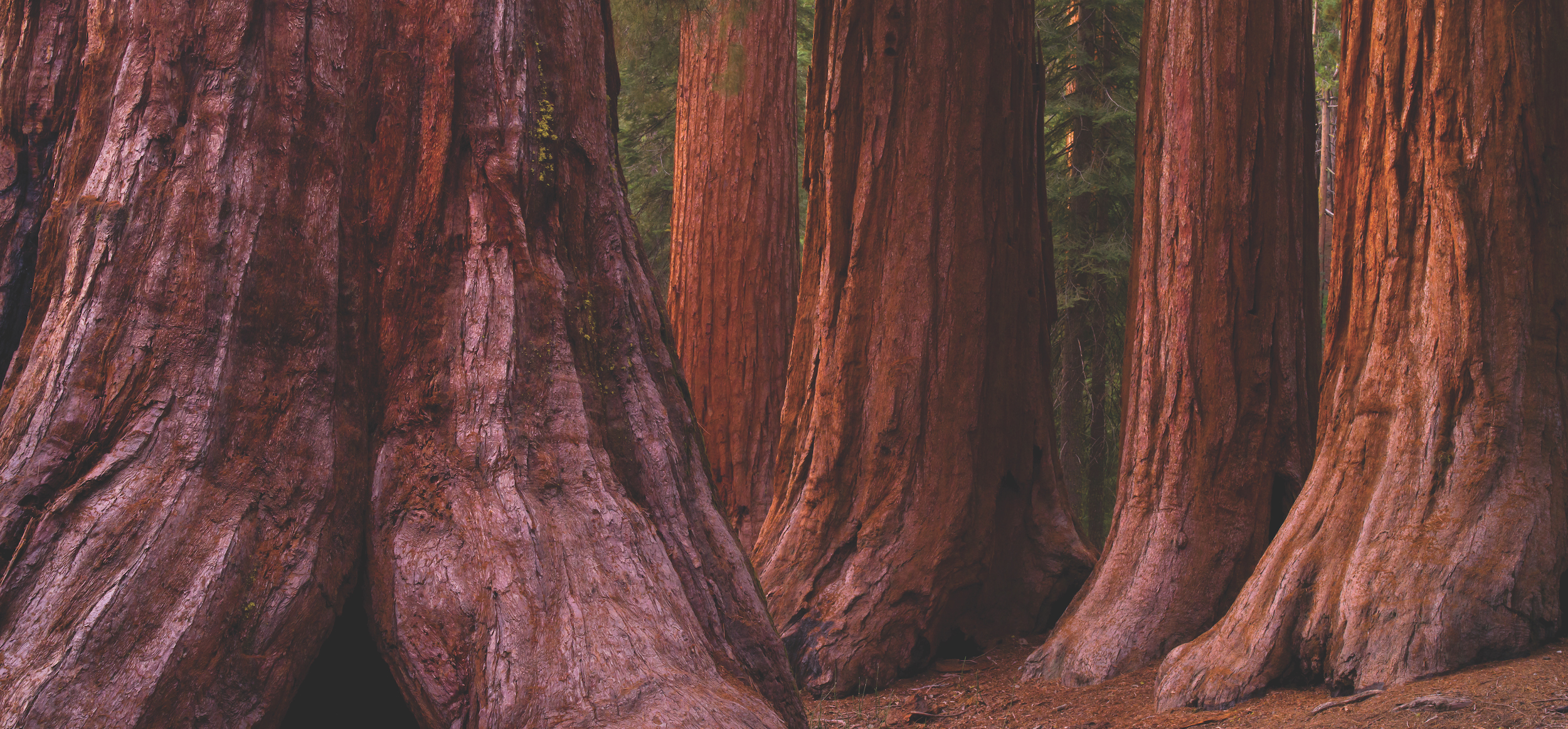
Trees come in many shapes and sizes. Students become familiar with tree structure and scale by using different methods to measure them and by making comparisons. They learn the importance of standardized measurements and proper measuring techniques.
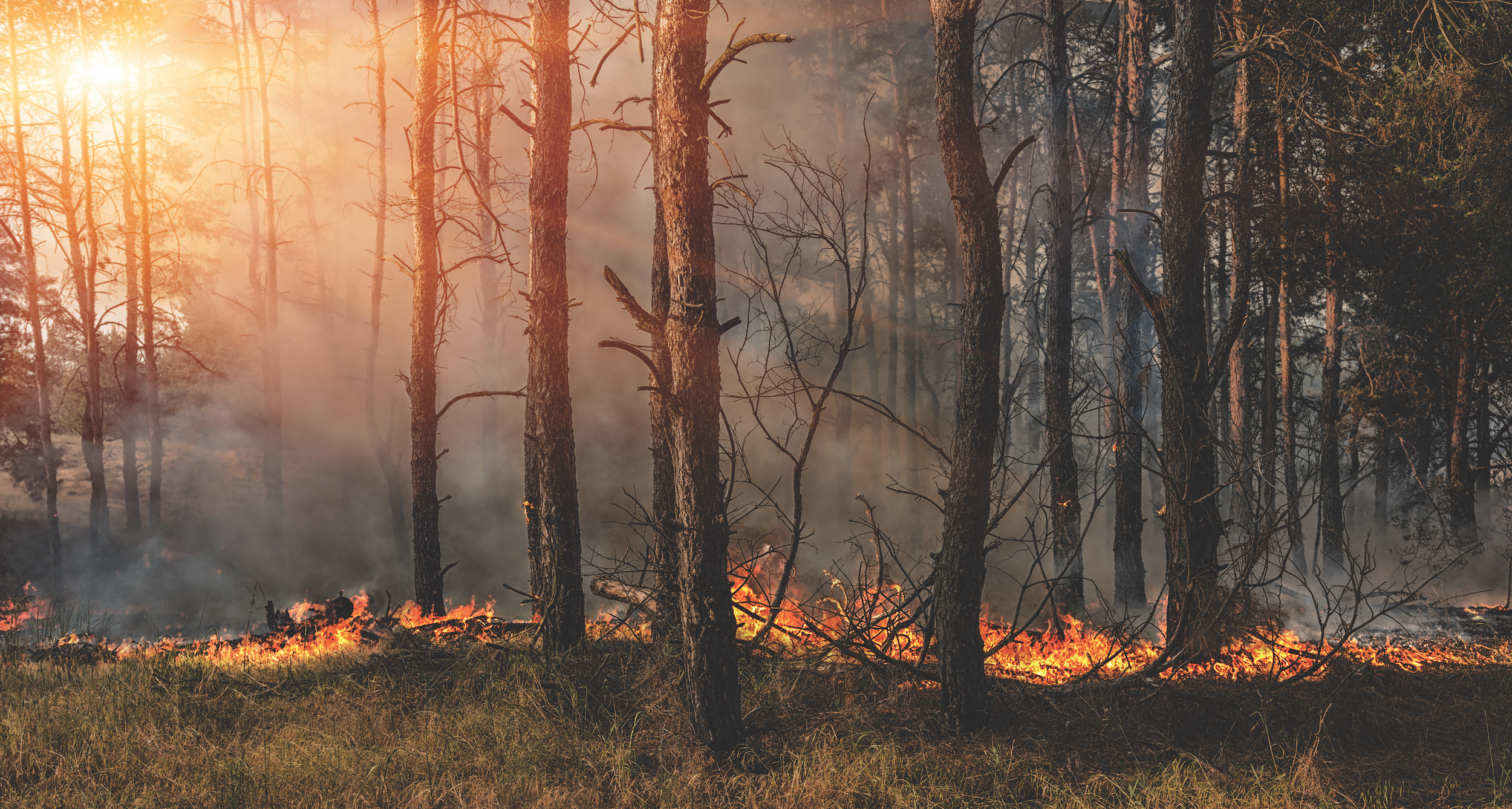
Students learn about the three elements a fire needs to burn and find out how this “fire triangle” can be used to prevent and manage wildland fires, particularly in the wildland–urban interface.
Students model processes that can lead to species becoming rare or endangered. Then, they become advocates for rare or at-risk species of plants or animals and create “public relations campaigns” on behalf of these species.
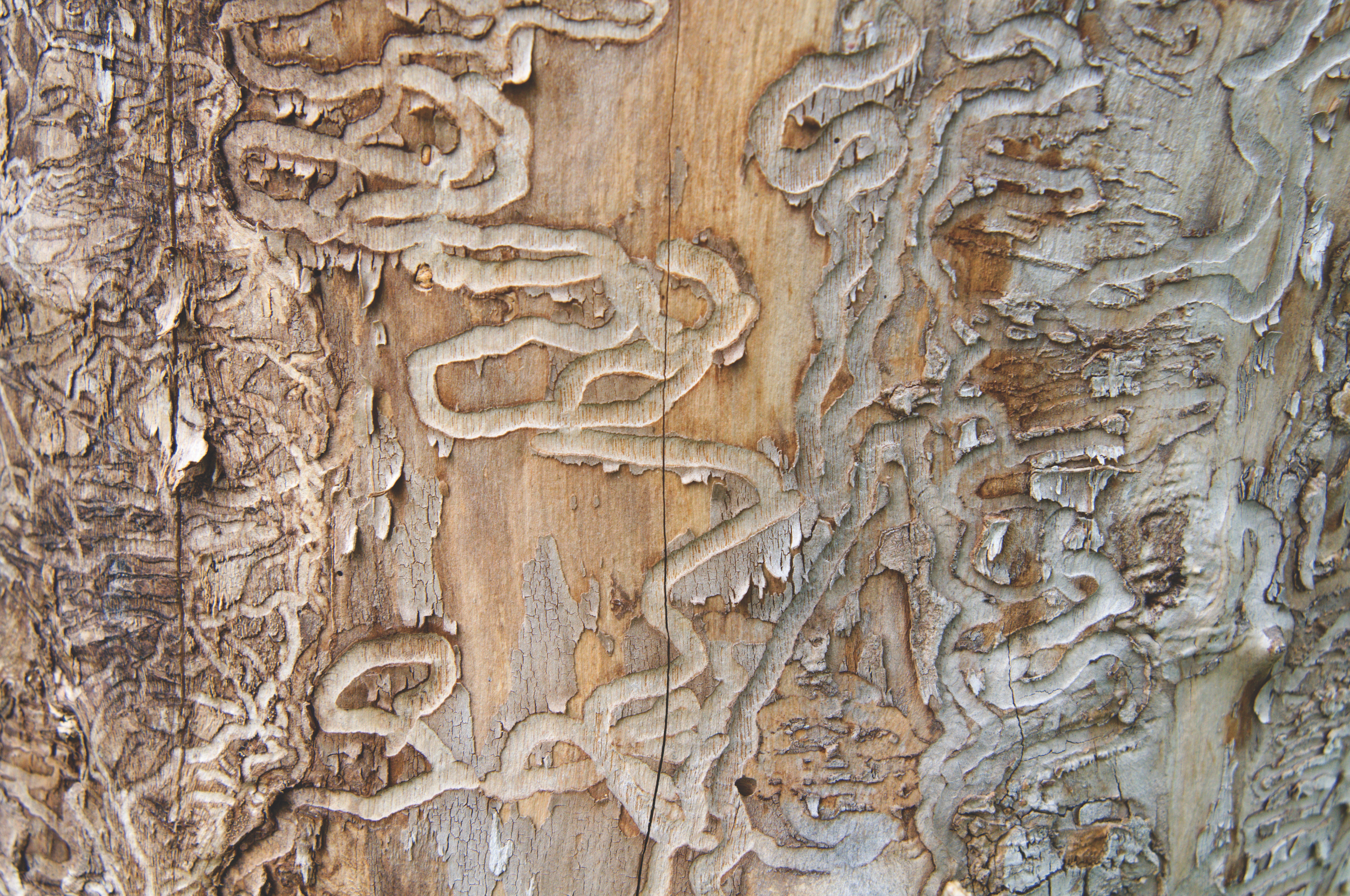
Throughout history, people have intentionally and unintentionally moved plant and animal species to new environments. Some of these species have proved beneficial, but others invade natural habitats, causing environmental and sometimes economic harm.
Every living thing has a habitat—a place that meets its needs. Human beings’ habitat is the community in which they live.