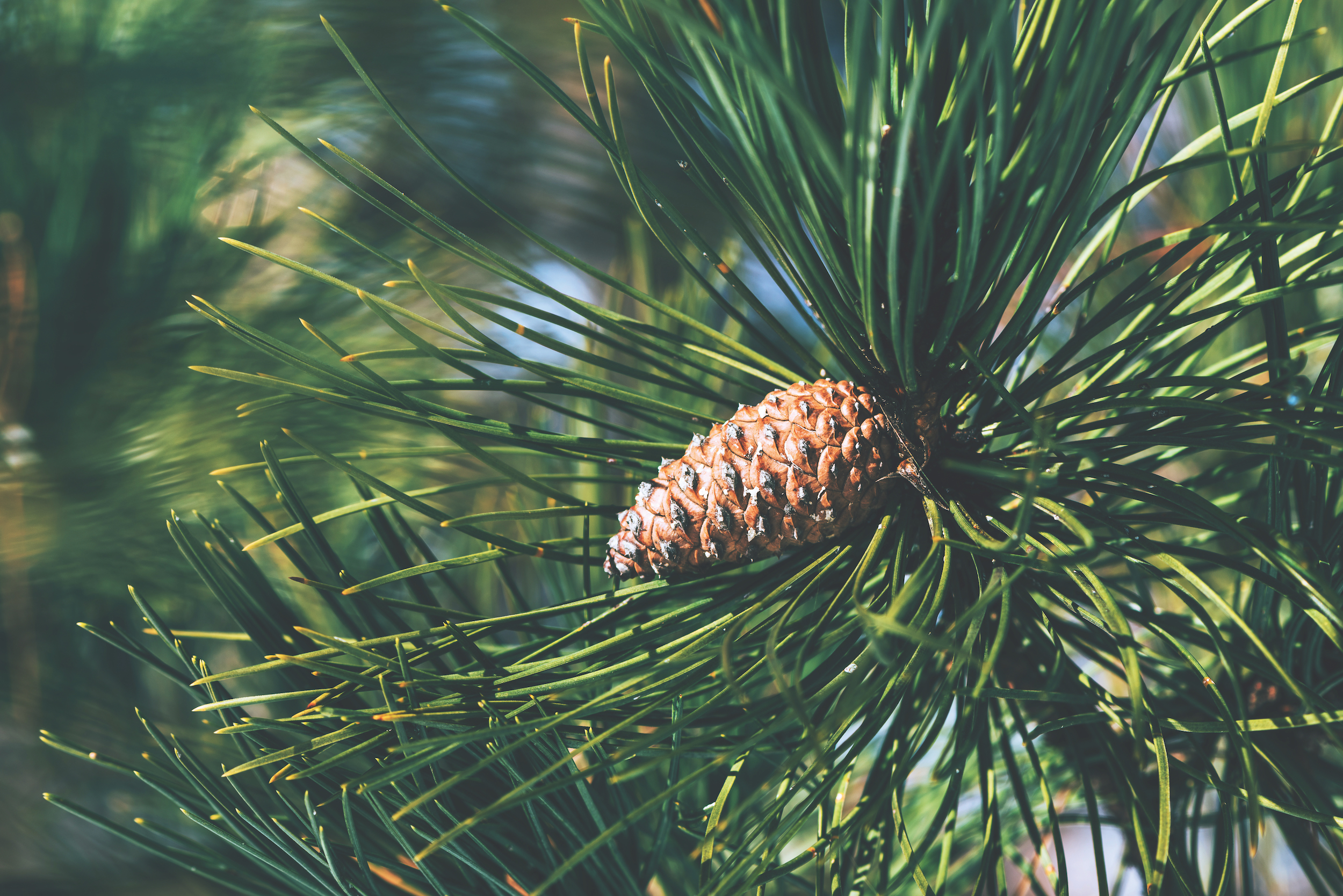
Tree ID
Tree species can be identified by looking at several different features: leaves, bark, twigs, flowers, fruit, and seeds. Even the overall shape of a tree can give clues to the tree’s identity.
Tree species can be identified by looking at several different features: leaves, bark, twigs, flowers, fruit, and seeds. Even the overall shape of a tree can give clues to the tree’s identity.

By modeling the parts of a tree and creating a “tree factory,” students will learn about the structure of a tree.
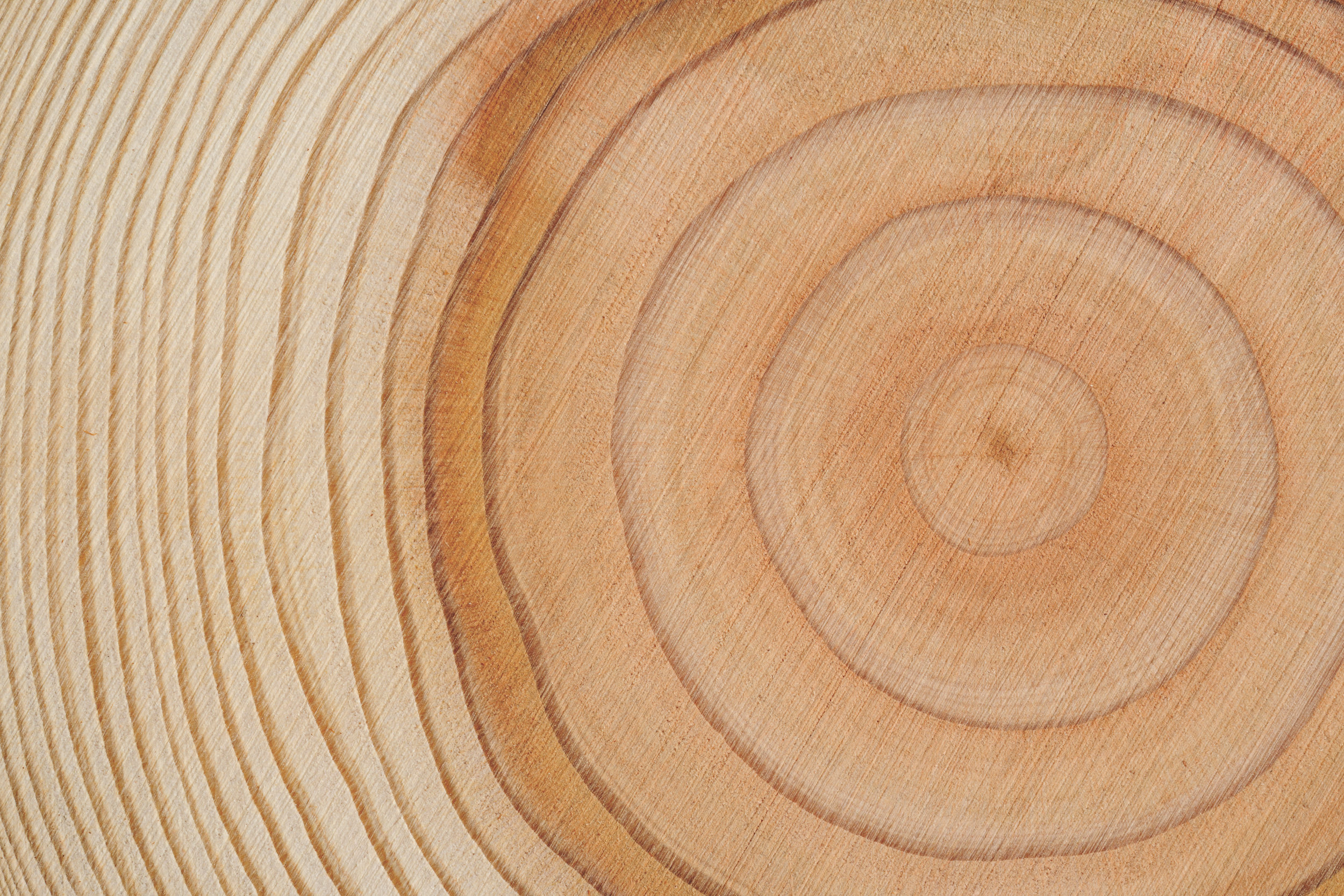
Tree rings show patterns of change in the tree’s life, as well as changes in the area where it grows. Students will trace environmental and historical changes using a cross-section of a tree.

Students explore differences in soil types and what those differences mean to people and to plants. They also investigate the role soil organisms play, both in building soil and in decomposition.

Nearly everything we buy comes in some sort of package. Students examine the pros and cons of different packaging and design an “ideal” package.

All kinds of people work in the forest—from foresters, to loggers, to scientists. Everyone depends on properly managed forests for recreation, essential products, wildlife and biodiversity, clean water and air.

It’s amazing how many things live in and on rotting logs. In this activity, your students will become familiar with some of those organisms by observing fallen logs or other decomposing pieces of wood.
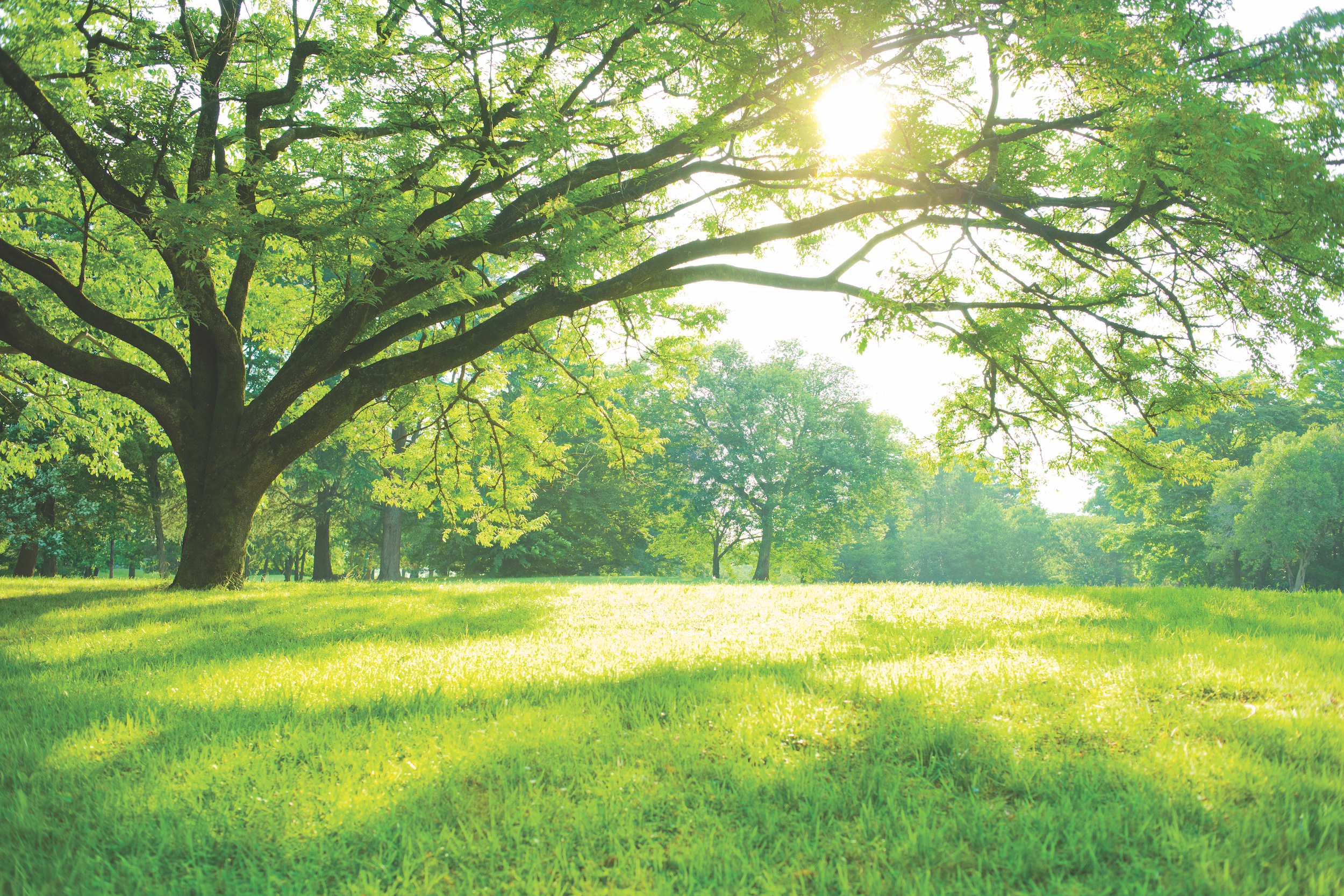
This fun and active modeling simulation reviews the conditions that trees need to live and grow, while also demonstrating that trees must compete to meet their needs.

It’s easy to waste water and even easier to take water for granted. Water pours out of our faucets as though it were endlessly available. But the truth is the supply of good quality, fresh water is limited. Fortunately, we can all conserve water.
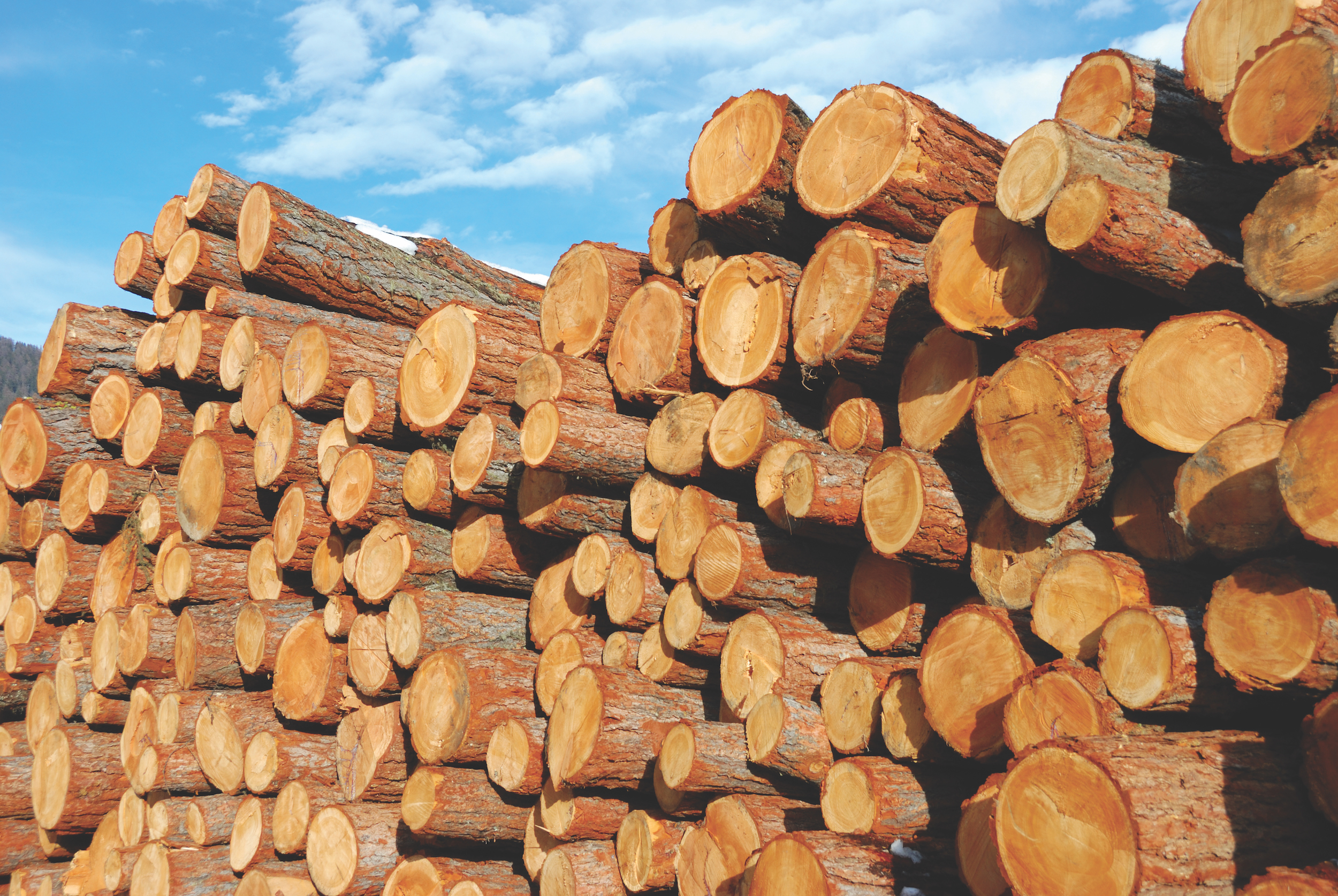
Students are often surprised to learn how many different products we get from trees. Use this activity to help students learn just how much we depend on trees in our daily lives.