Waste & Recycling Investigation
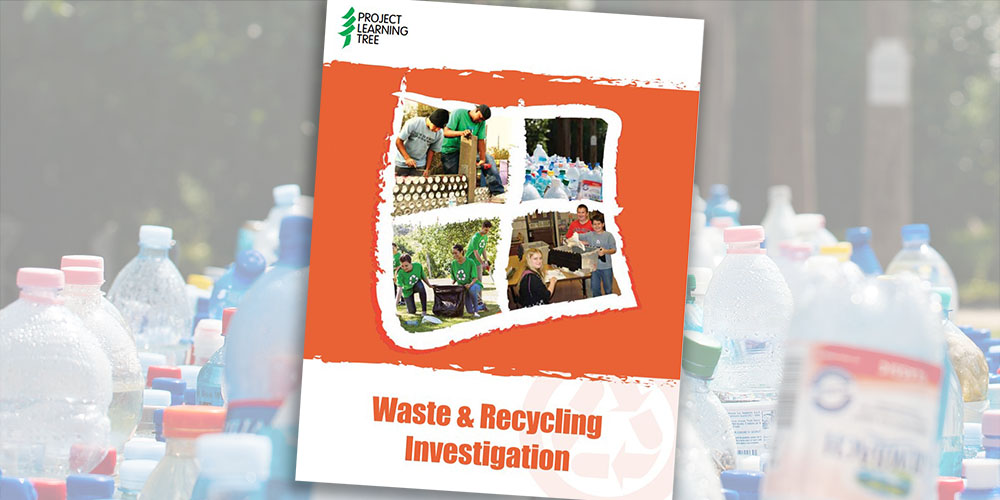
Students investigate how much waste your school generates and where it goes, as well as recycling and composting efforts.
Students investigate how much waste your school generates and where it goes, as well as recycling and composting efforts.
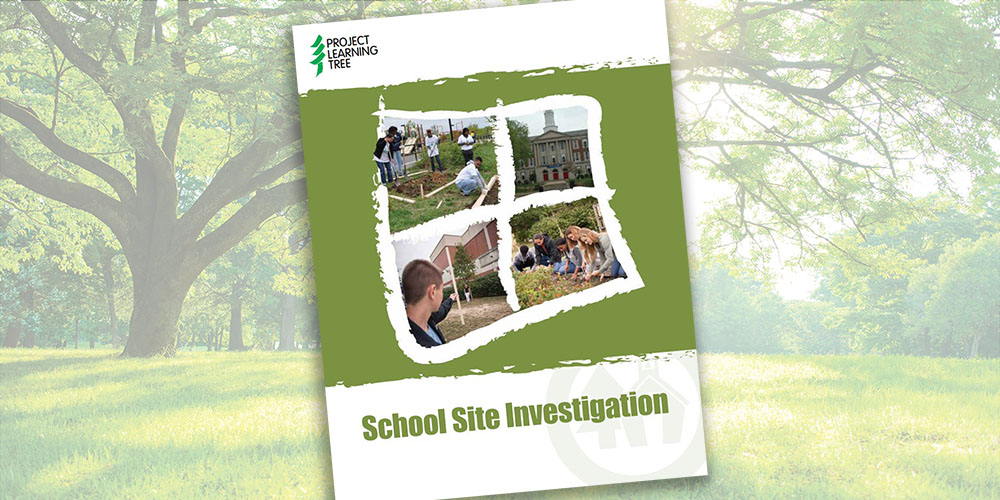
Students assess their school grounds on the basis of various criteria. Using the data collected from the Investigation, students can develop action projects to improve the school site to make it a more sustainable, healthier, and safer environment.
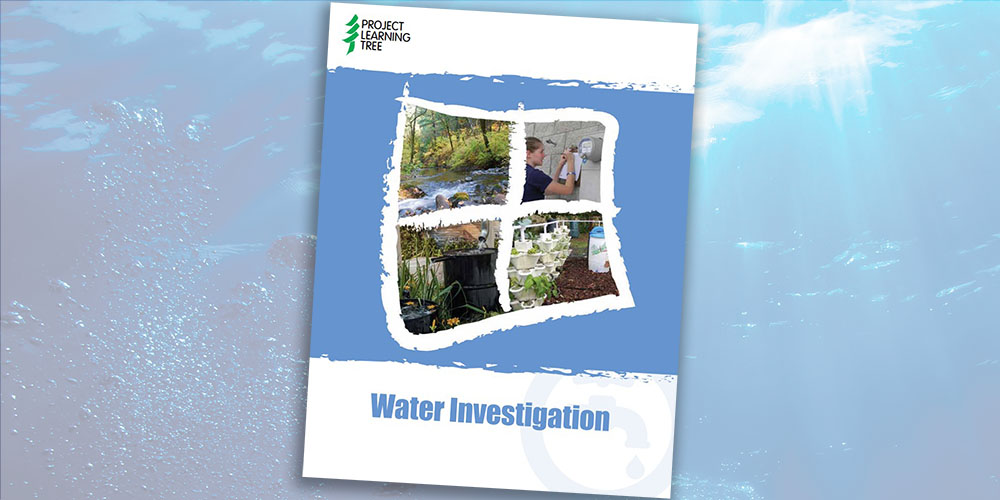
Students investigate and evaluate water use in their school and on school grounds and collect data on water conservation practices to develop a school action plan for conserving water.
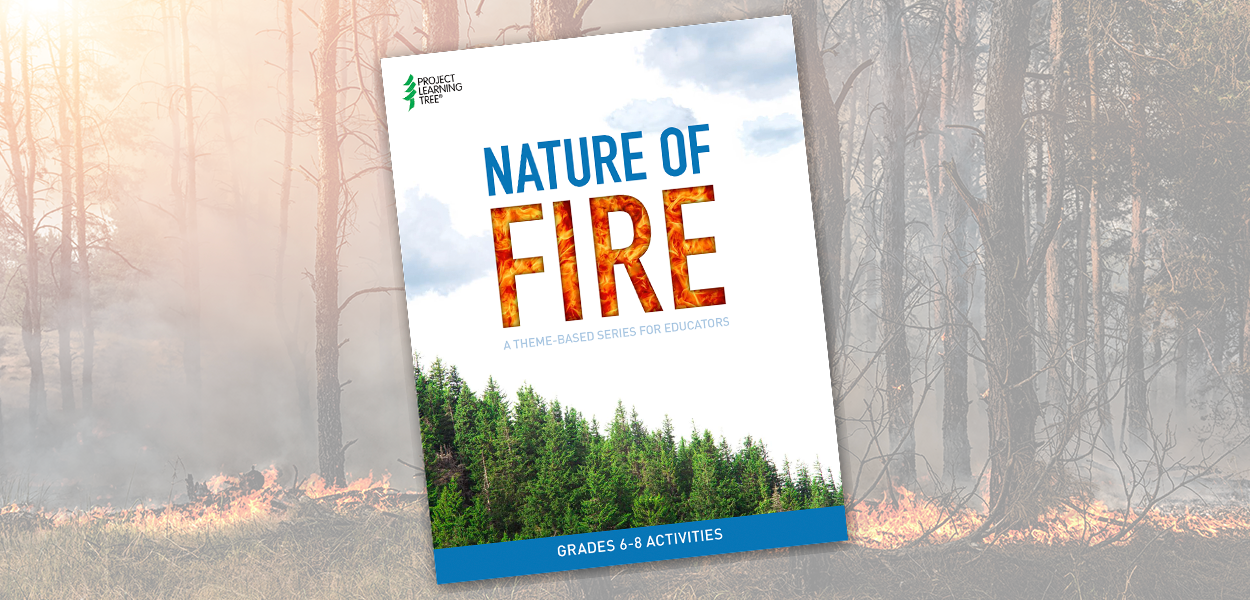
Nature of Fire features three PLT activities for educators of students in grades 6-8 about sustainable forest management and strategies to reduce catastrophic wildfire, ensure resilient forests, maintain forests, and restore degraded lands.
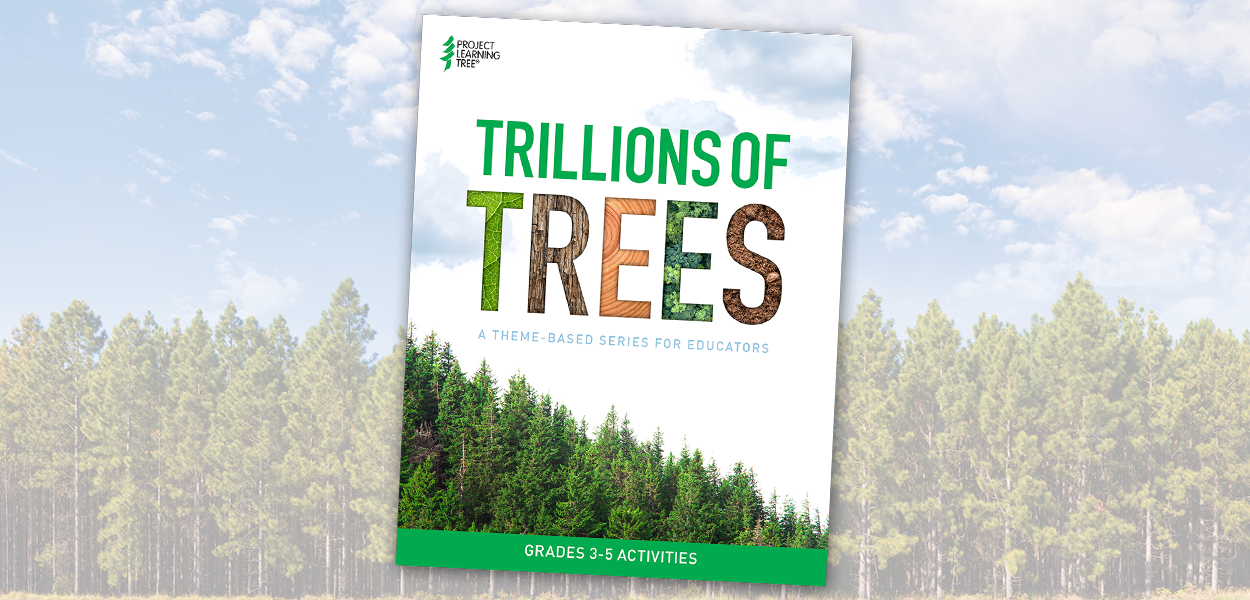
Trillion of Trees is a downloadable activity collection for grades 3-5 that invites young learners to investigate the unique characteristics of different tree species and how best to plan, plant, and care for trees in their community.
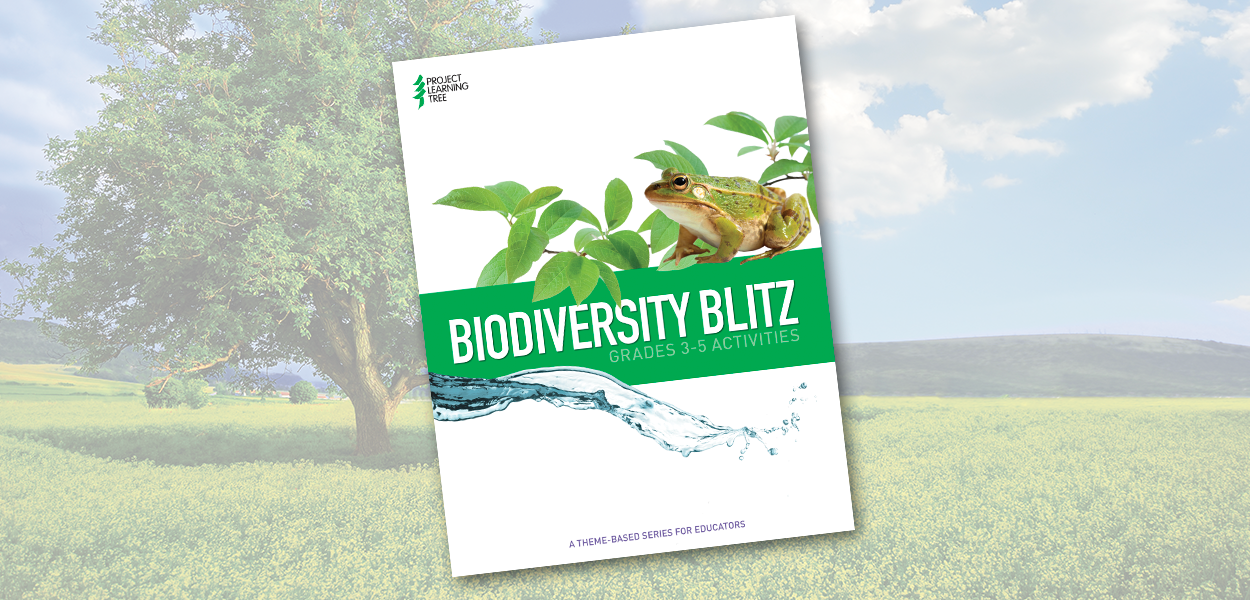
Biodiversity Blitz, part of PLT’s themed series for educators, features three grades 3-5 activities that invite learners to investigate species variability in an ecosystem, and how this variability – or biodiversity – helps sustain life on Earth.
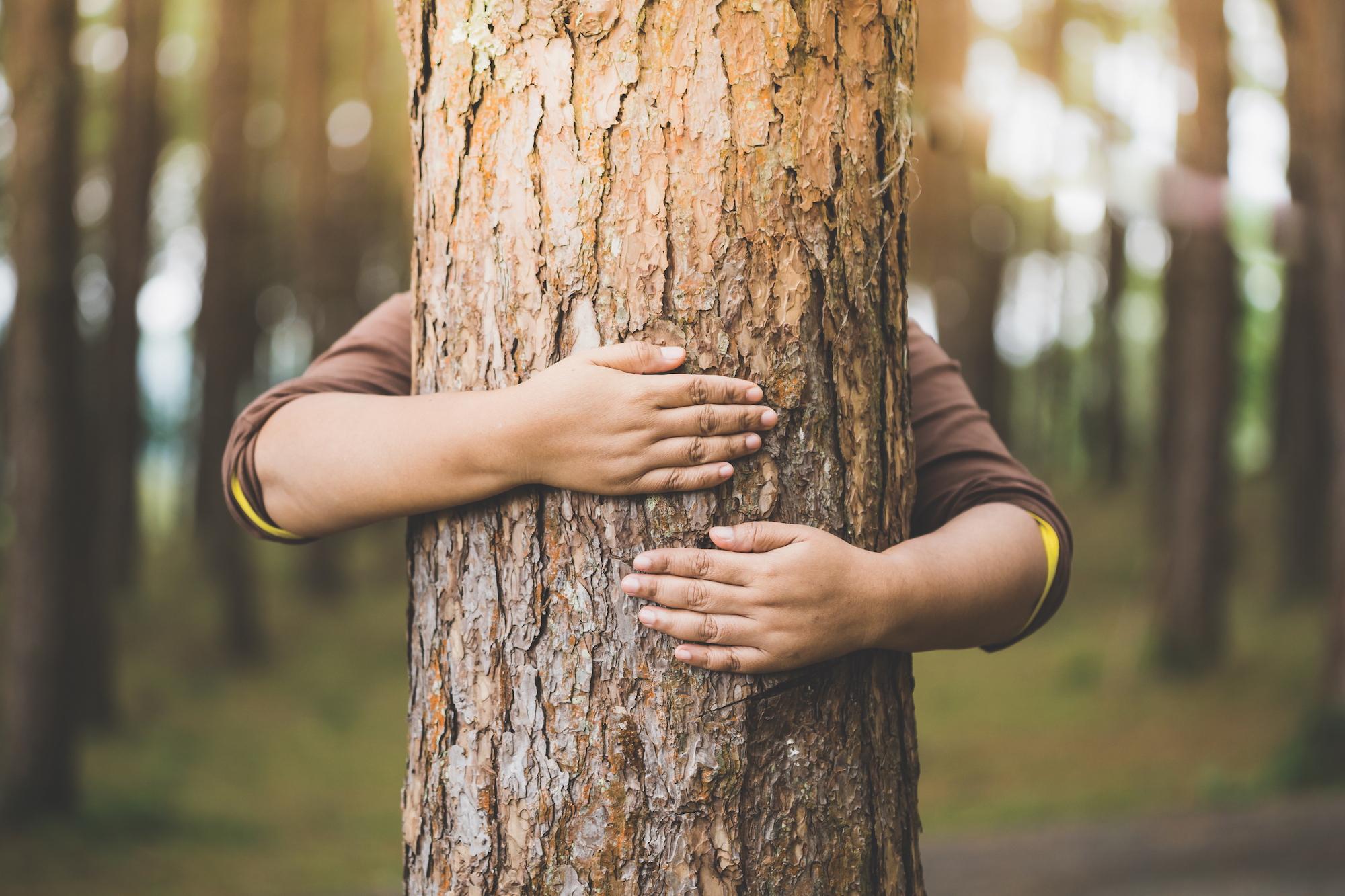
Sensational Trees is a downloadable resource for educators of students in grades K-2 that uses sensory exploration to understand objects, spaces, people and interactions.
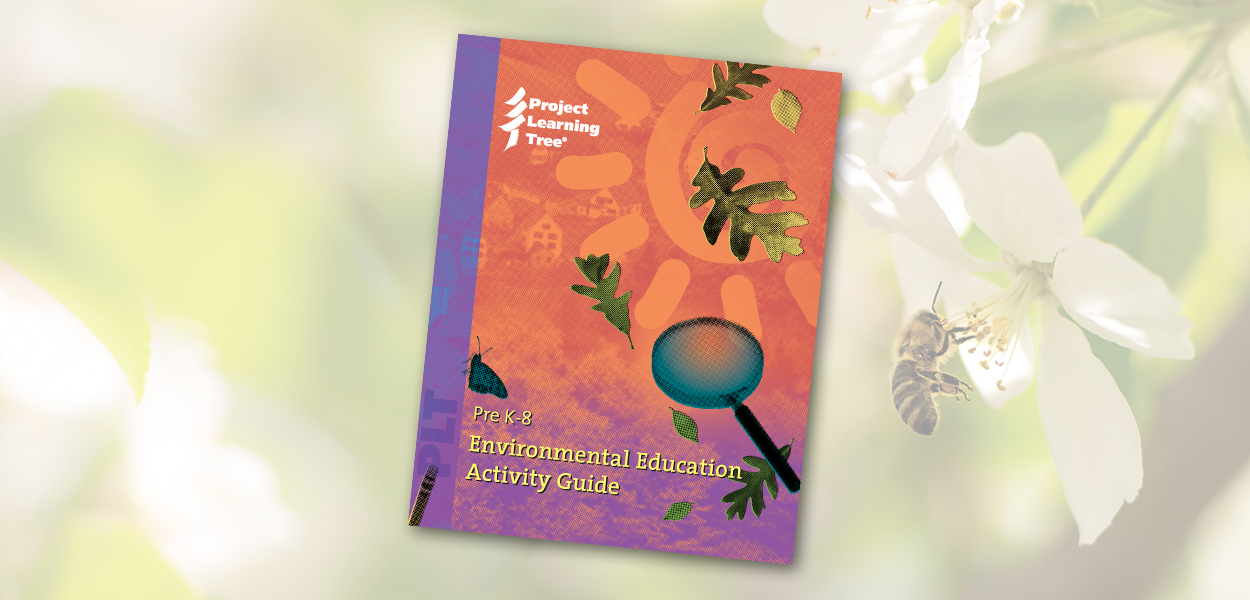
Charting Diversity. Birds and Worms. Pollution Search. These are some of the 96 hands-on interdisciplinary activities found in Project Learning Tree’s PreK-8 Environmental Education Activity Guide.
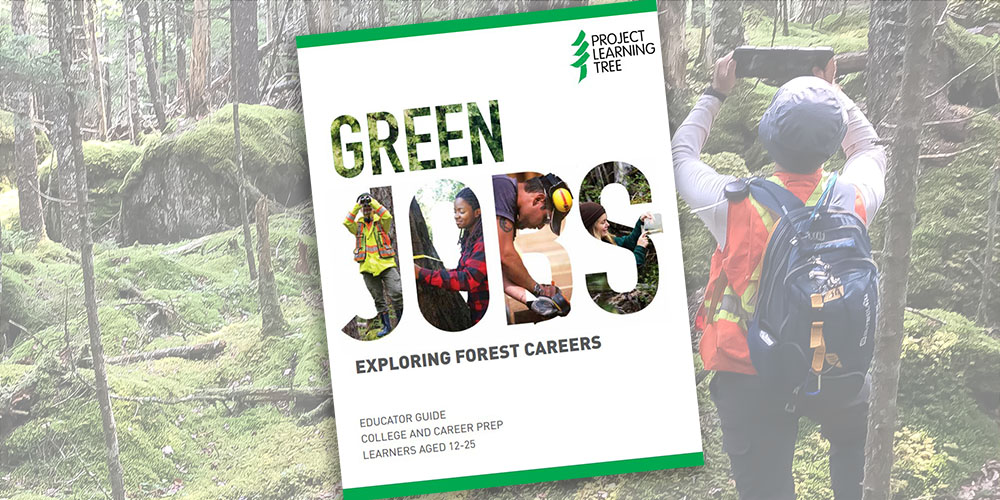
Help youth discover careers in sustainable forestry and conservation. The Green Jobs: Exploring Forest Careers unit includes four hands-on, NGSS-aligned, instructional activities to help youth research forestry jobs.
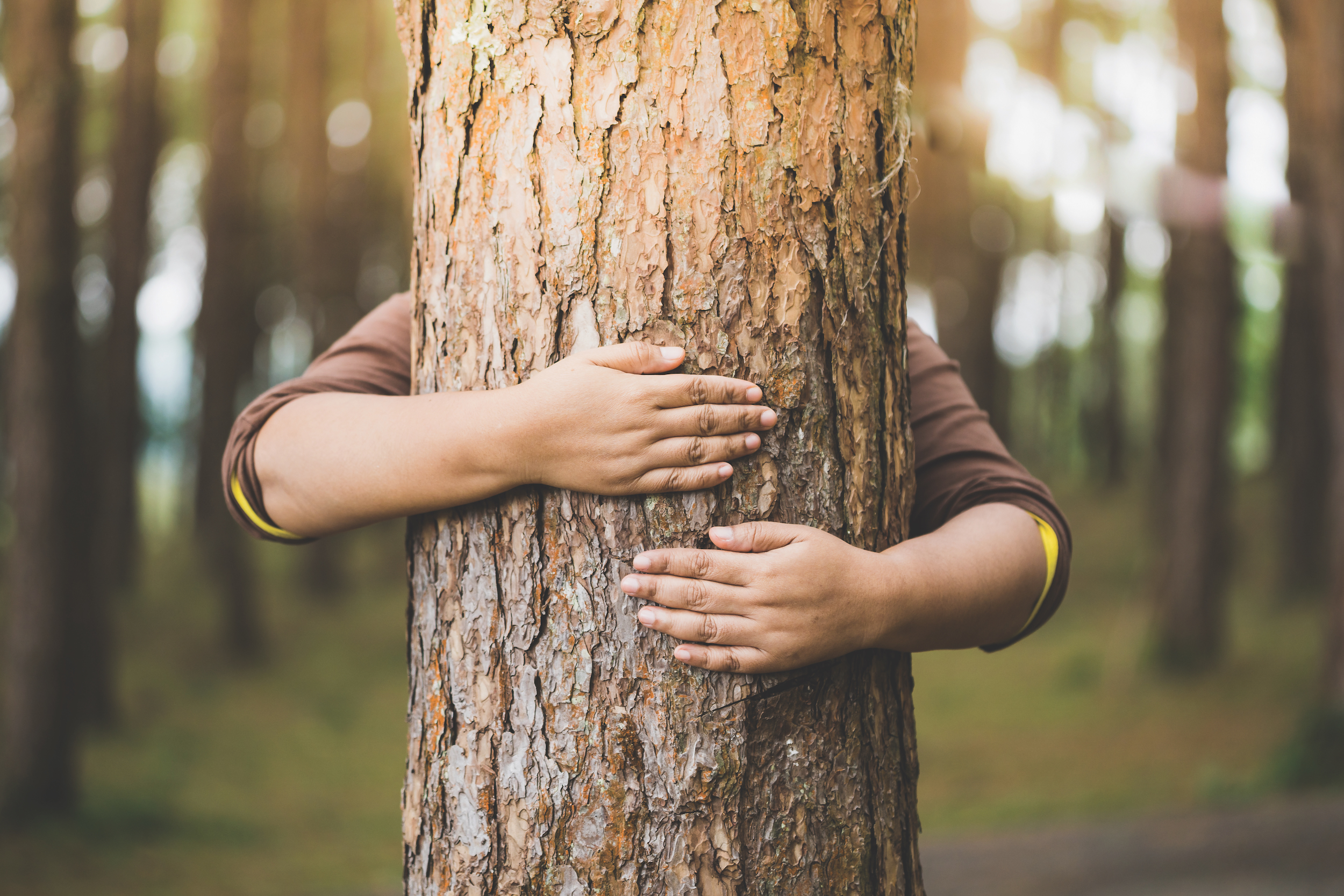
Students select individual trees to observe over time, deepening their awareness of tree changes and developing a greater appreciation for their local environment.