
Sounds Around
In this activity, children explore the sounds of nature and imitate them using their own voices and instruments that they make together.

In this activity, children explore the sounds of nature and imitate them using their own voices and instruments that they make together.
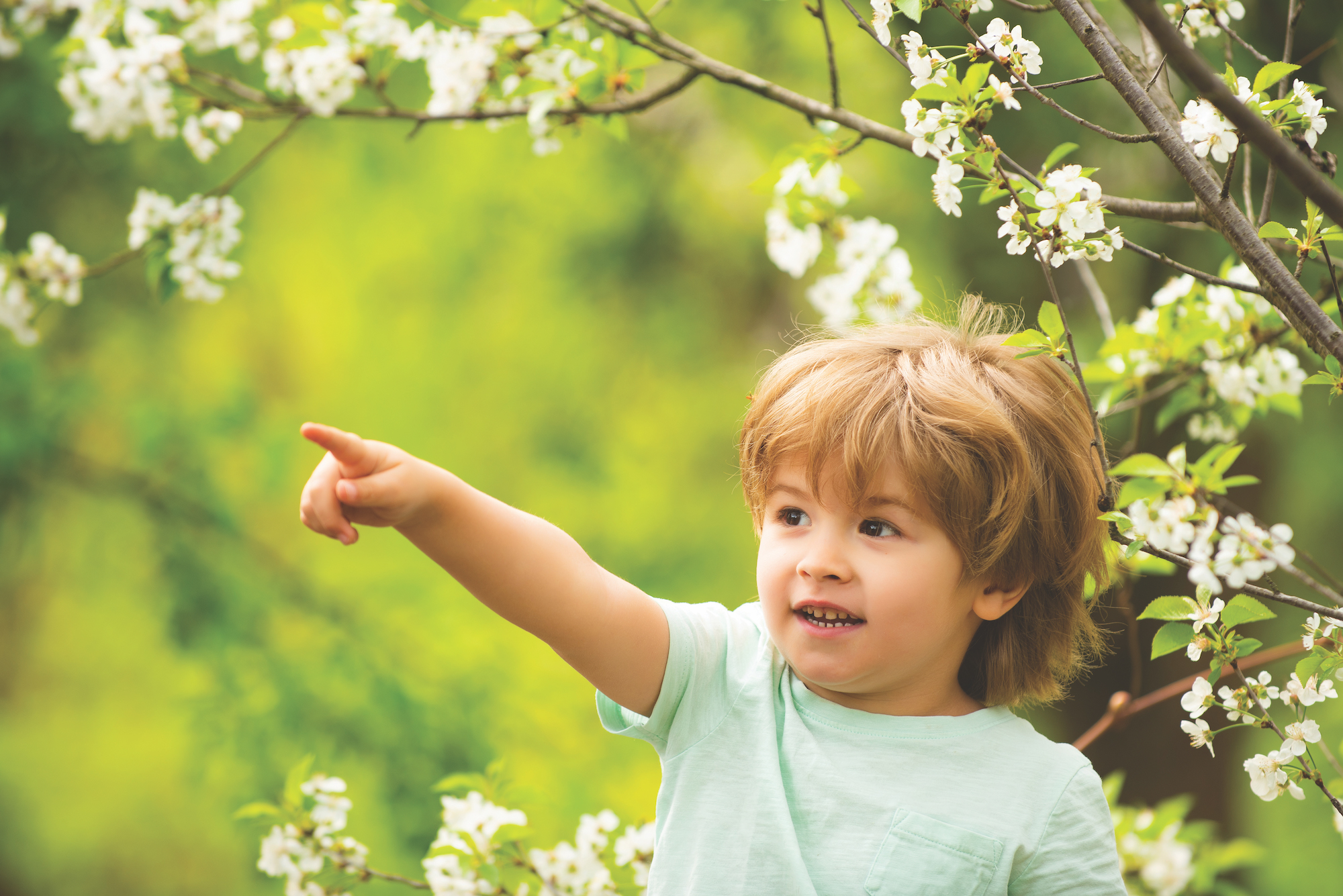
In this activity, children search for the shapes and colors that define both our natural and built environments.
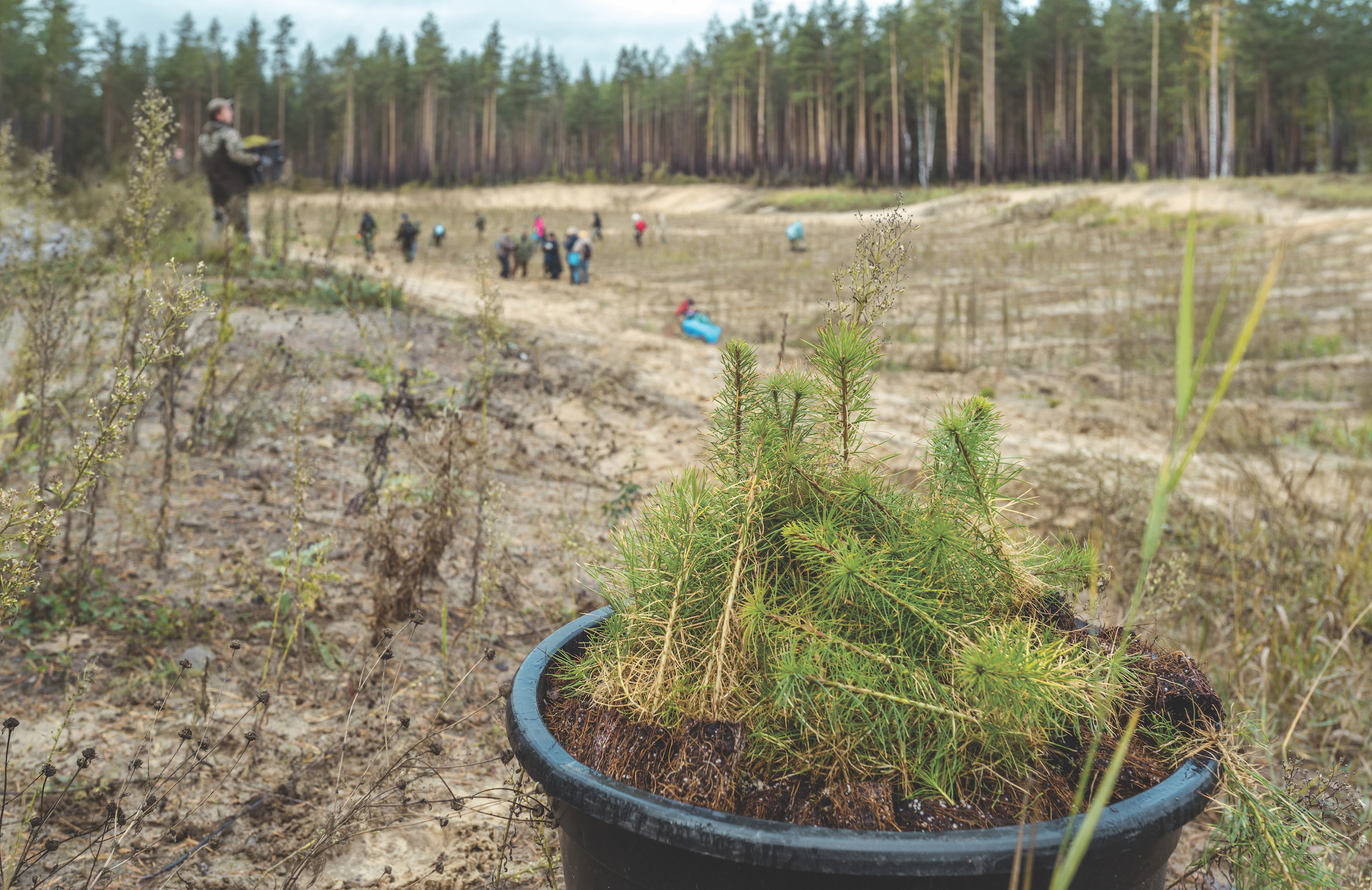
Never underestimate the power of a tree! In addition to giving us an amazing array of paper and wood products, trees provide a host of other benefits—from shading our backyards to reducing air pollution to helping stabilize the global climate.
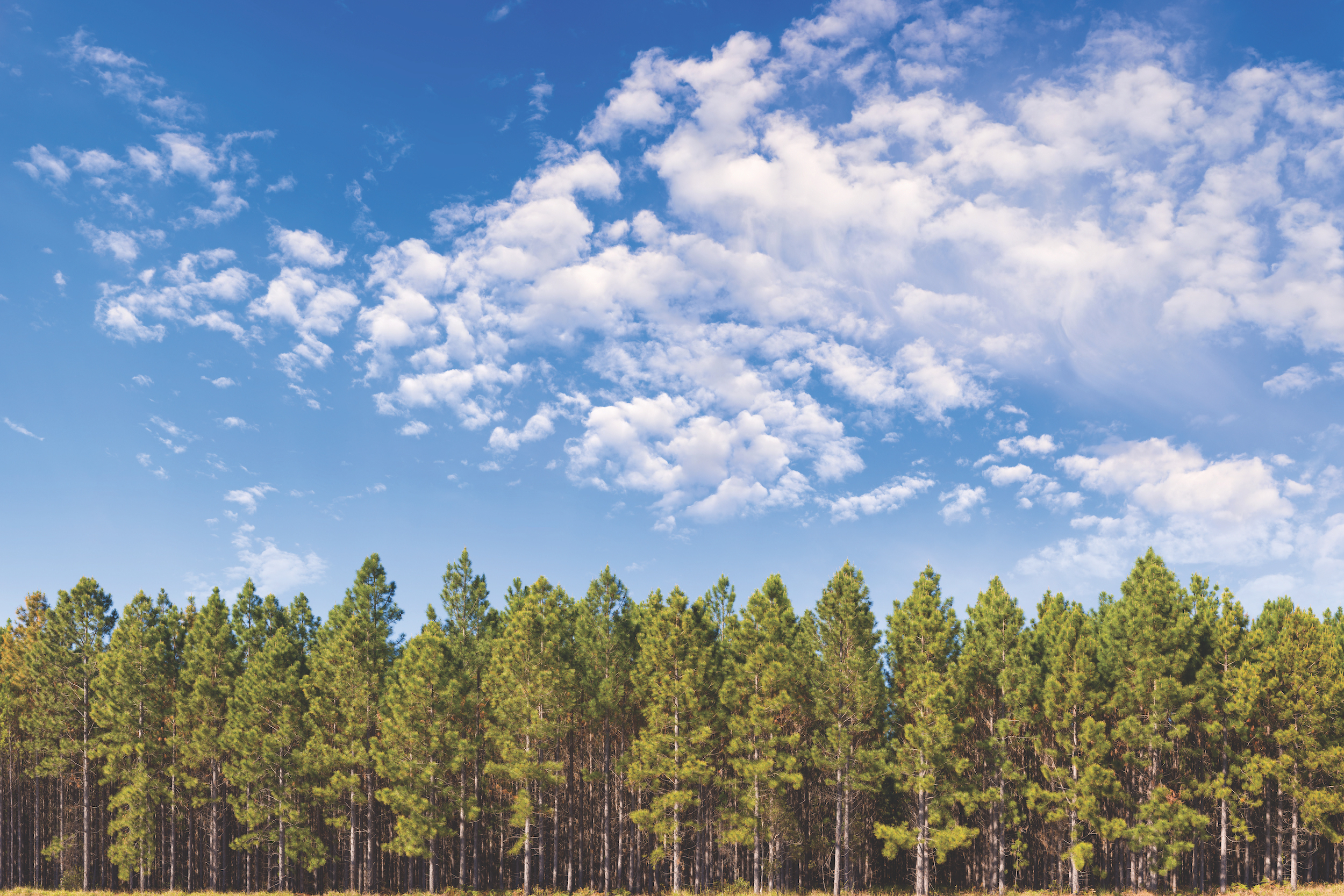
Succession is a natural pattern of change that takes place over time in a forest or other ecosystem. Students read a story about succession and investigate the connections among plants, animals, and successional stages in a local ecosystem.
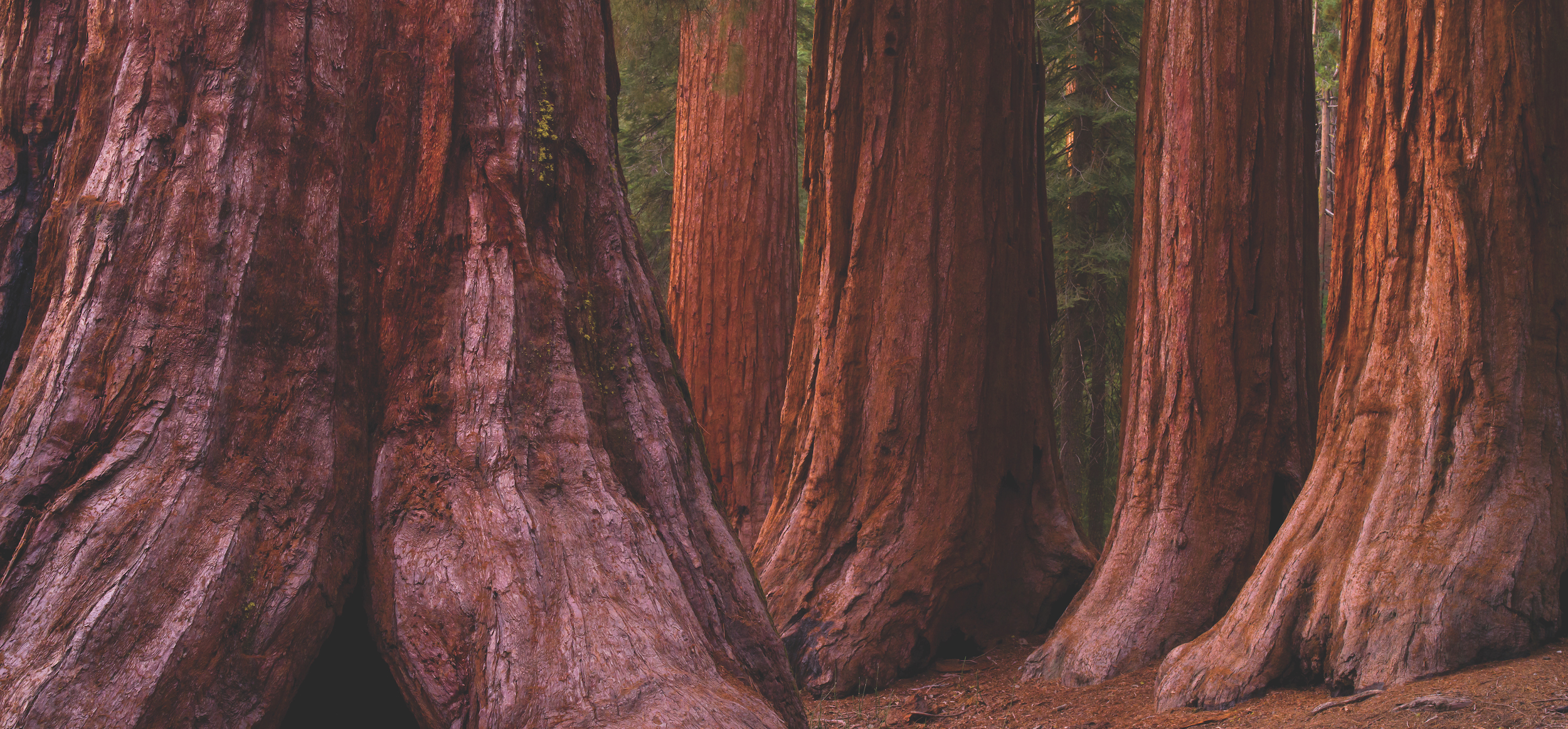
Trees come in many shapes and sizes. Students become familiar with tree structure and scale by using different methods to measure them and by making comparisons. They learn the importance of standardized measurements and proper measuring techniques.
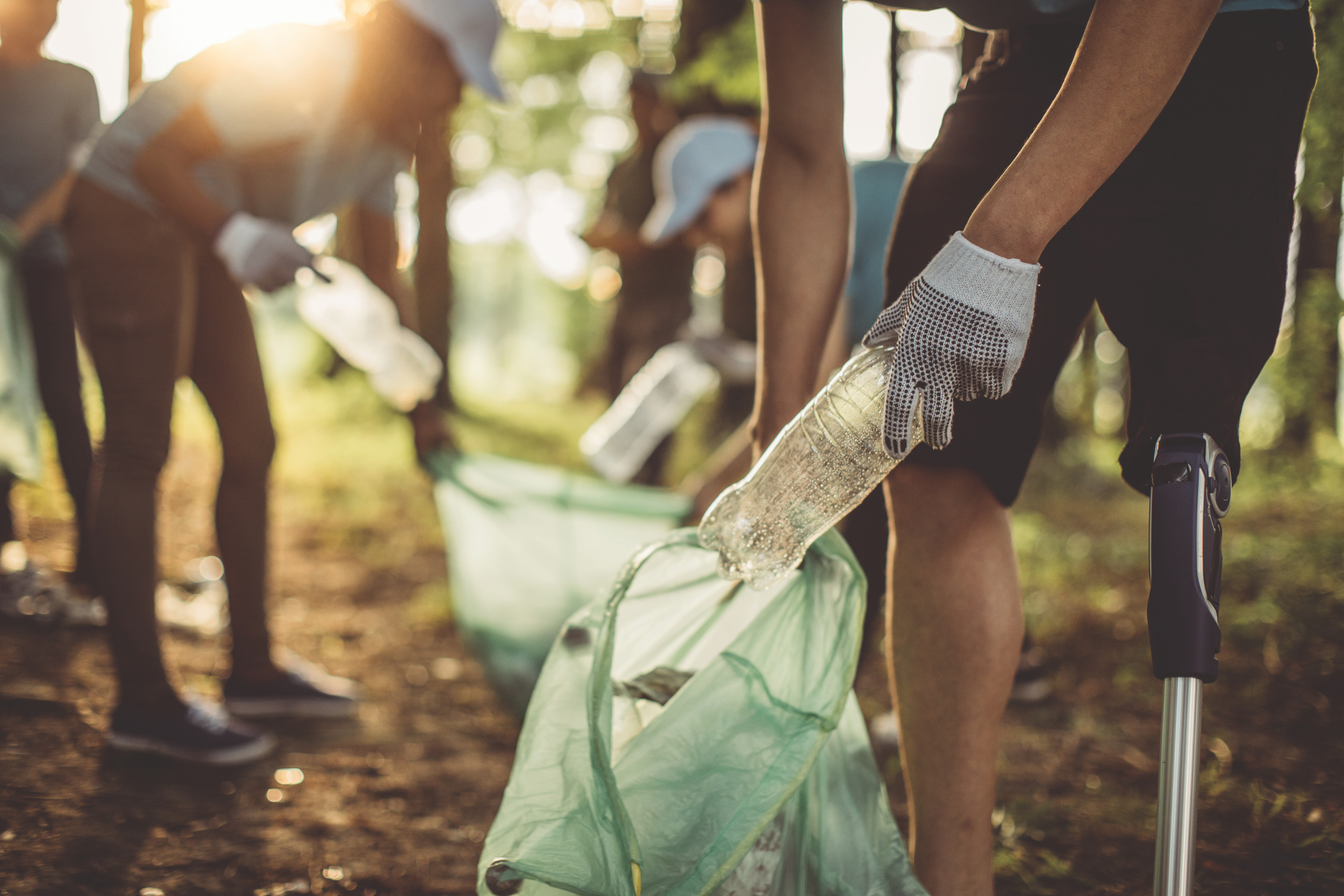
Every living thing has a habitat—a place that meets its needs. Human beings’ habitat is the community in which they live.
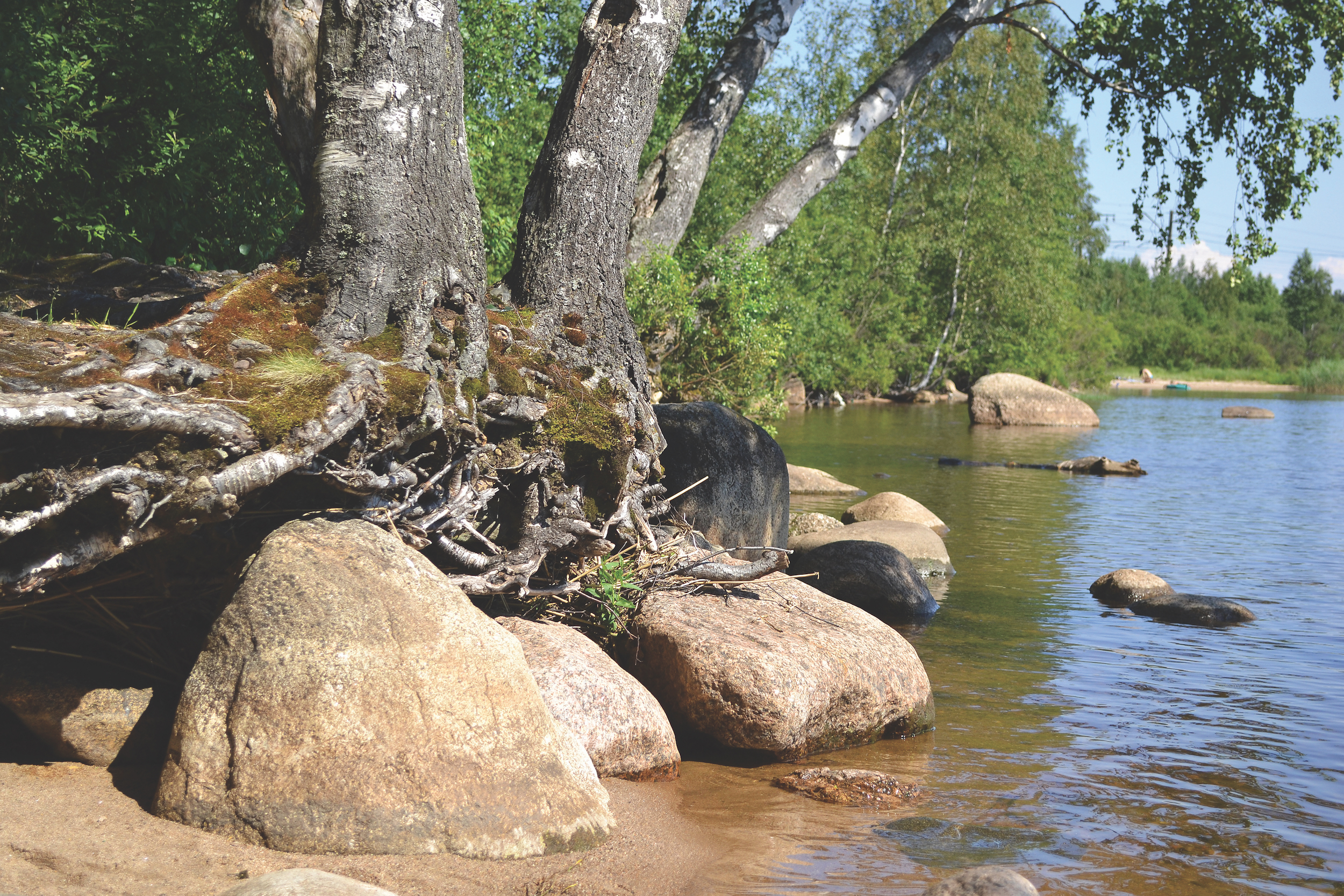
Students conduct a field study of three different environments as they focus on sunlight, soil moisture, temperature, wind, water flow, plants, and animals in each environment.
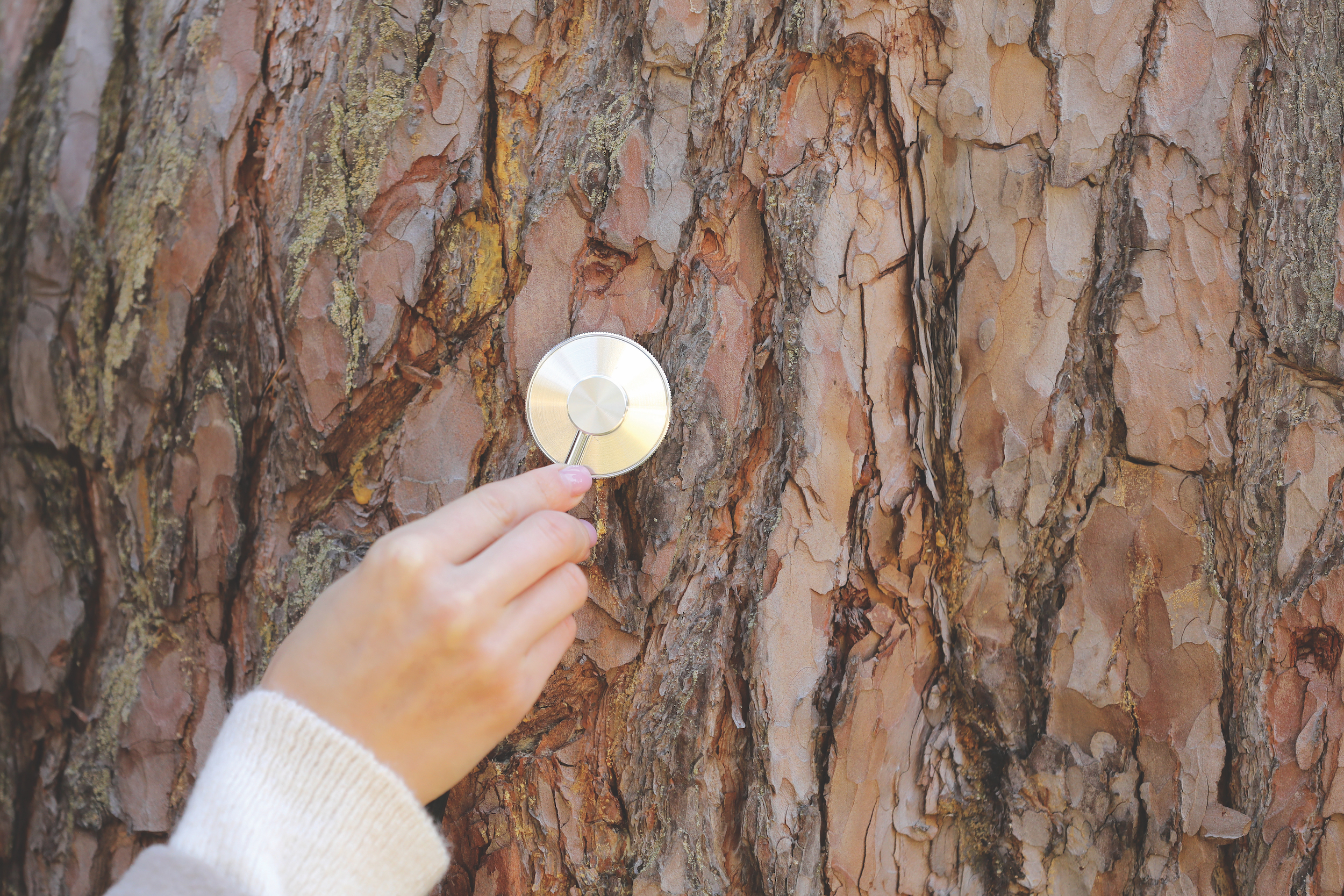
Students examine trees for signs of damage or poor health and investigate conditions that may cause trees and other plants to become unhealthy.
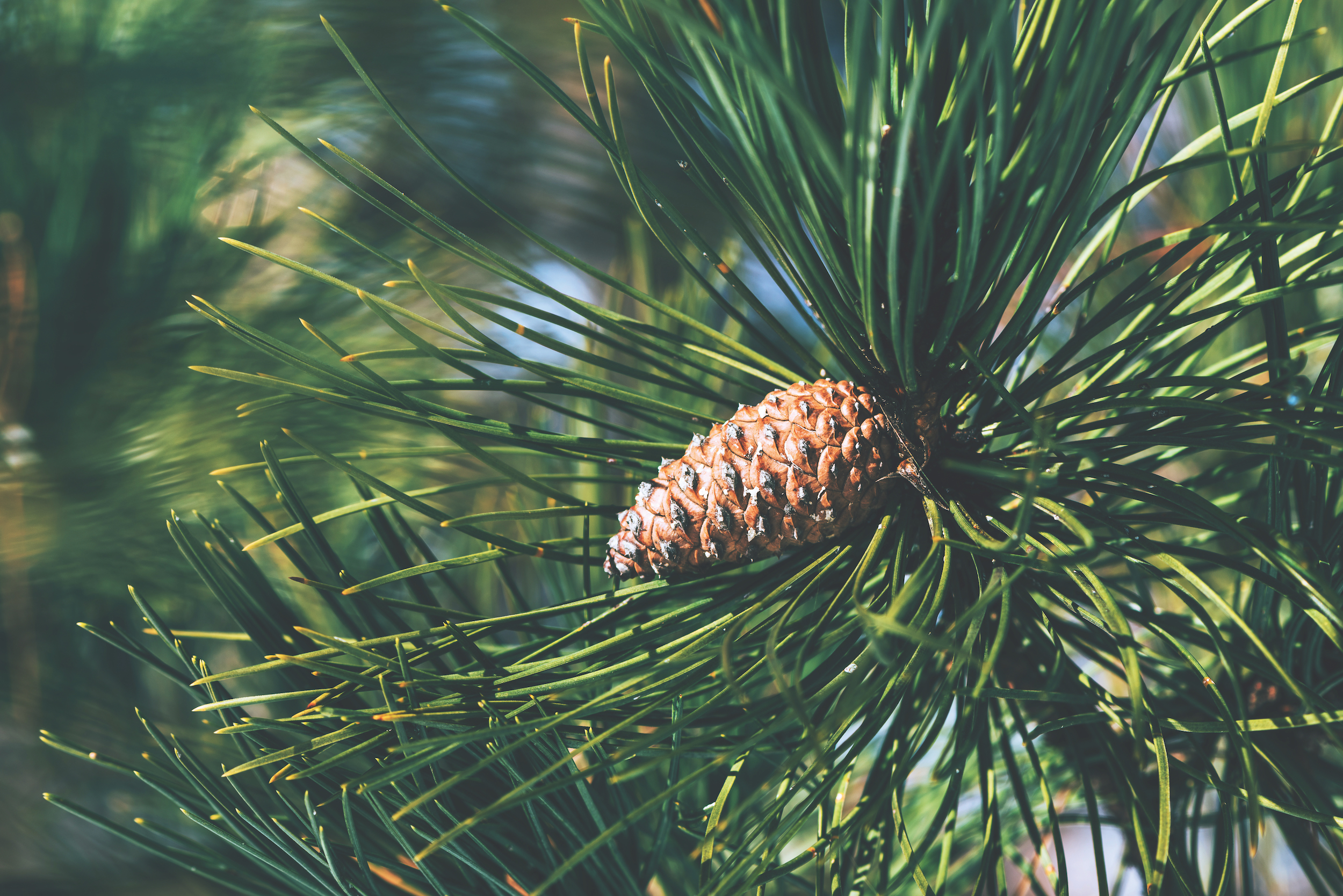
Tree species can be identified by looking at several different features: leaves, bark, twigs, flowers, fruit, and seeds. Even the overall shape of a tree can give clues to the tree’s identity.
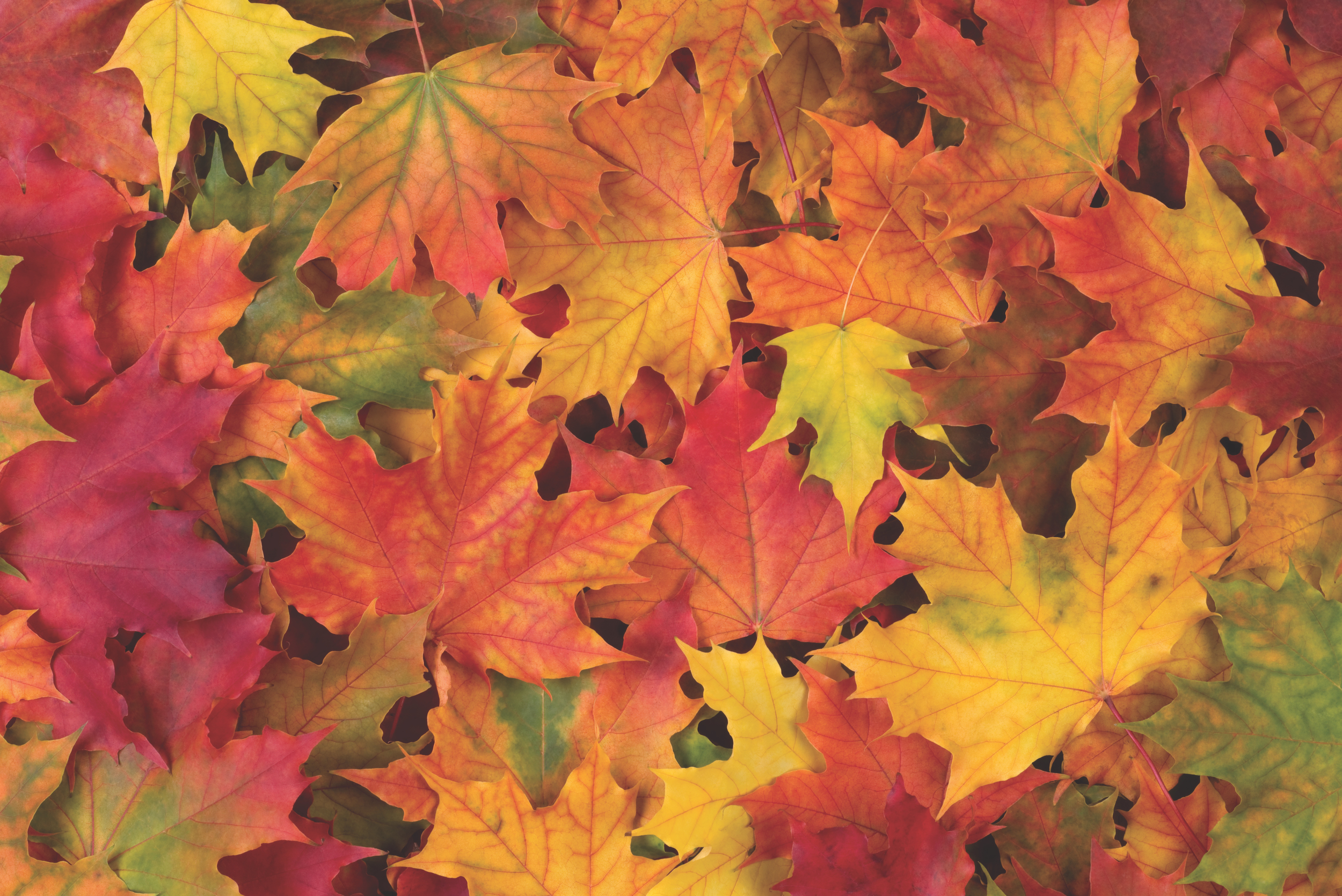
Students will look for signs of autumn and conduct an investigation to discover why the leaves of deciduous trees change color in the fall.