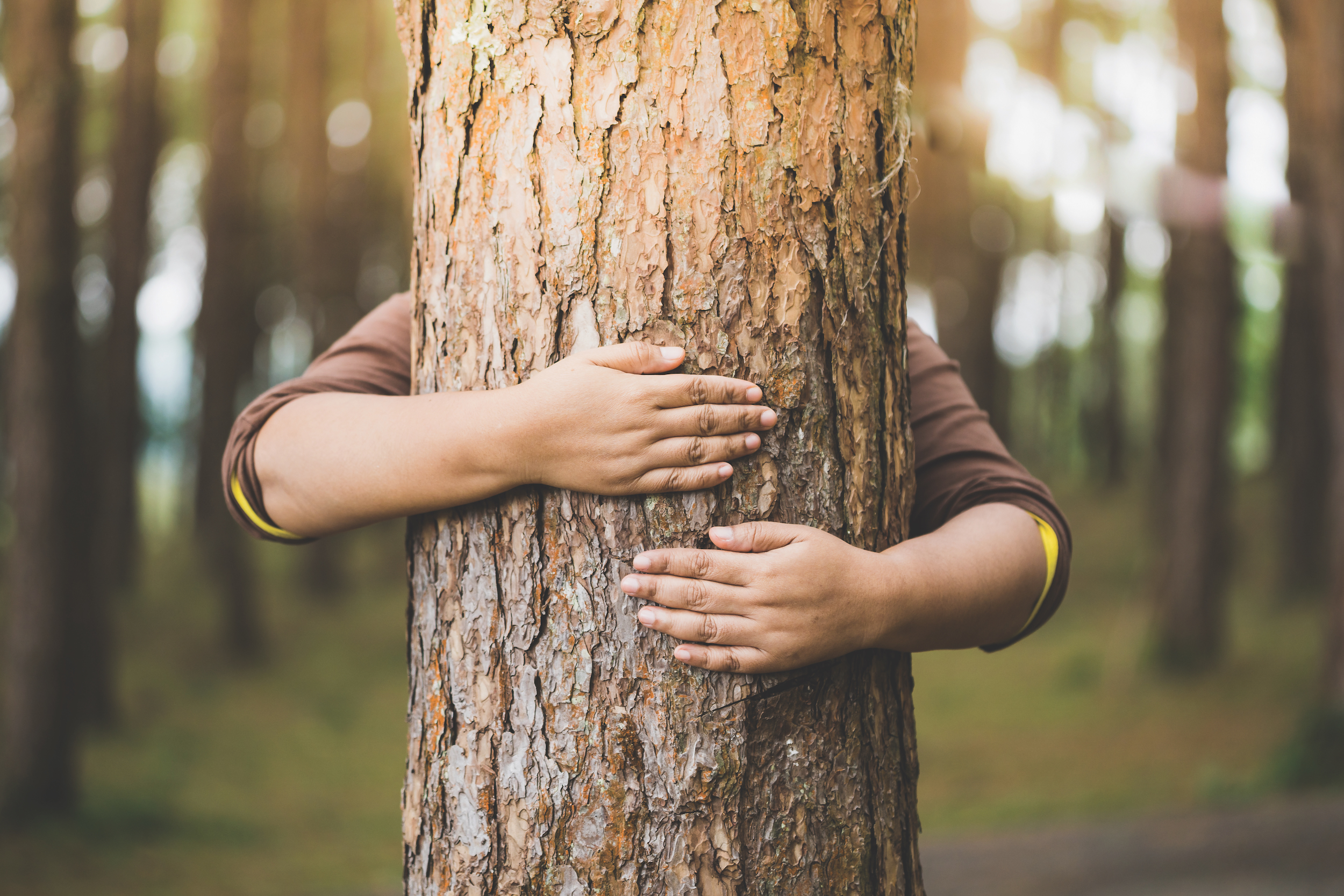
Adopt a Tree
Students select individual trees to observe over time, deepening their awareness of tree changes and developing a greater appreciation for their local environment.

Students select individual trees to observe over time, deepening their awareness of tree changes and developing a greater appreciation for their local environment.
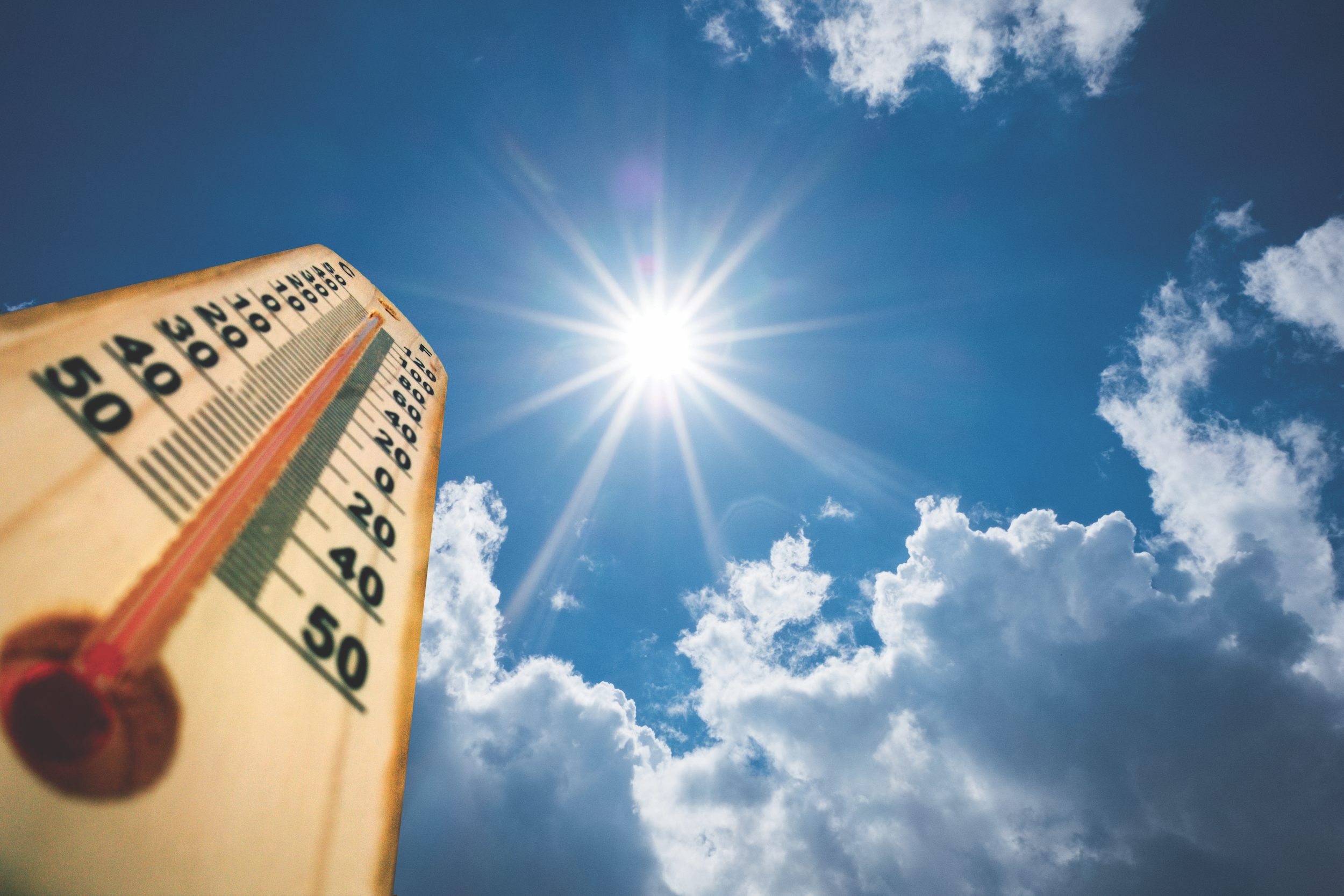
Using data collected from Mauna Loa, students graph changes in atmospheric levels of carbon dioxide (CO2) over the course of several decades and identify possible reasons for those changes.
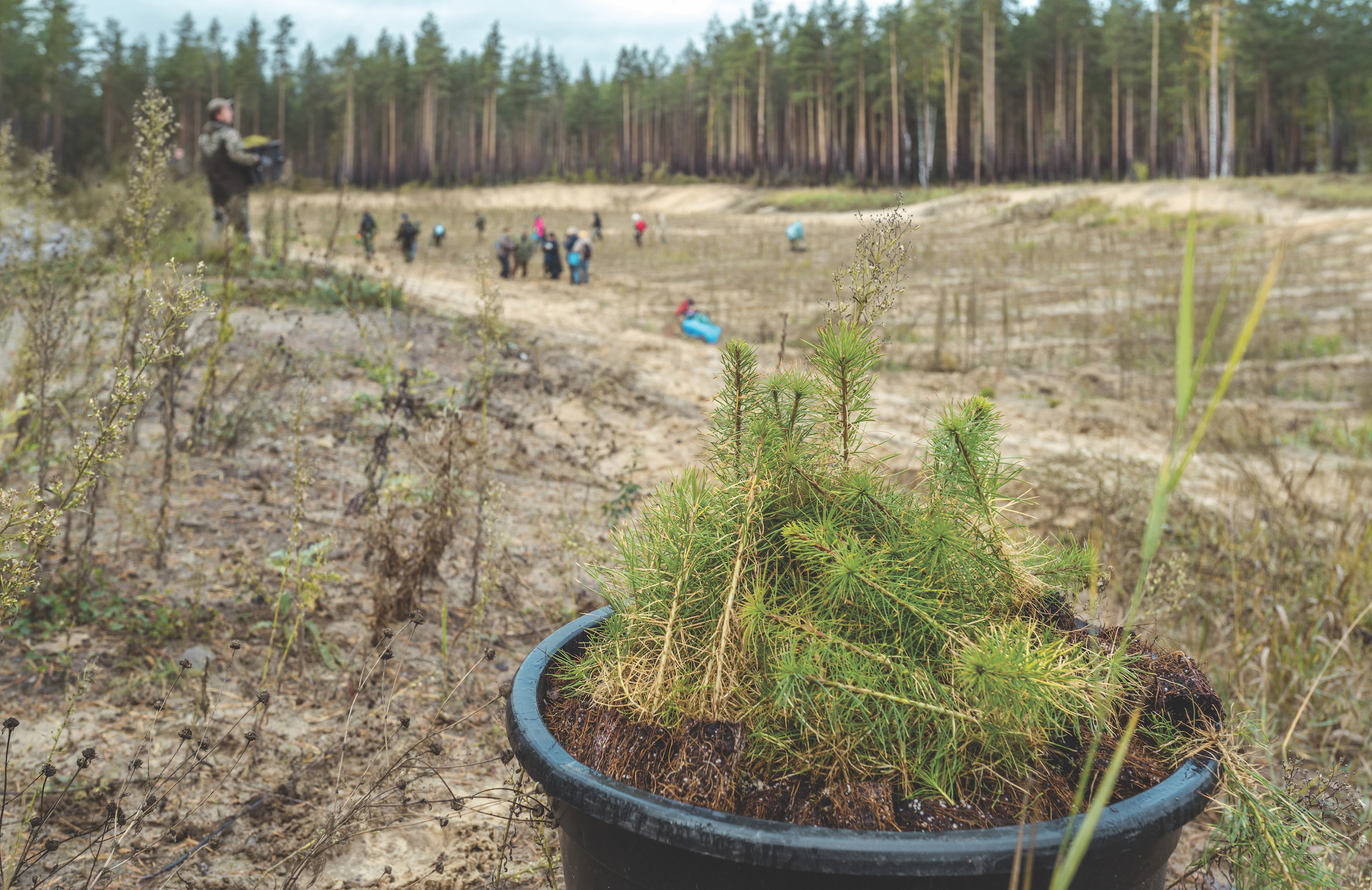
Never underestimate the power of a tree! In addition to giving us an amazing array of paper and wood products, trees provide a host of other benefits—from shading our backyards to reducing air pollution to helping stabilize the global climate.
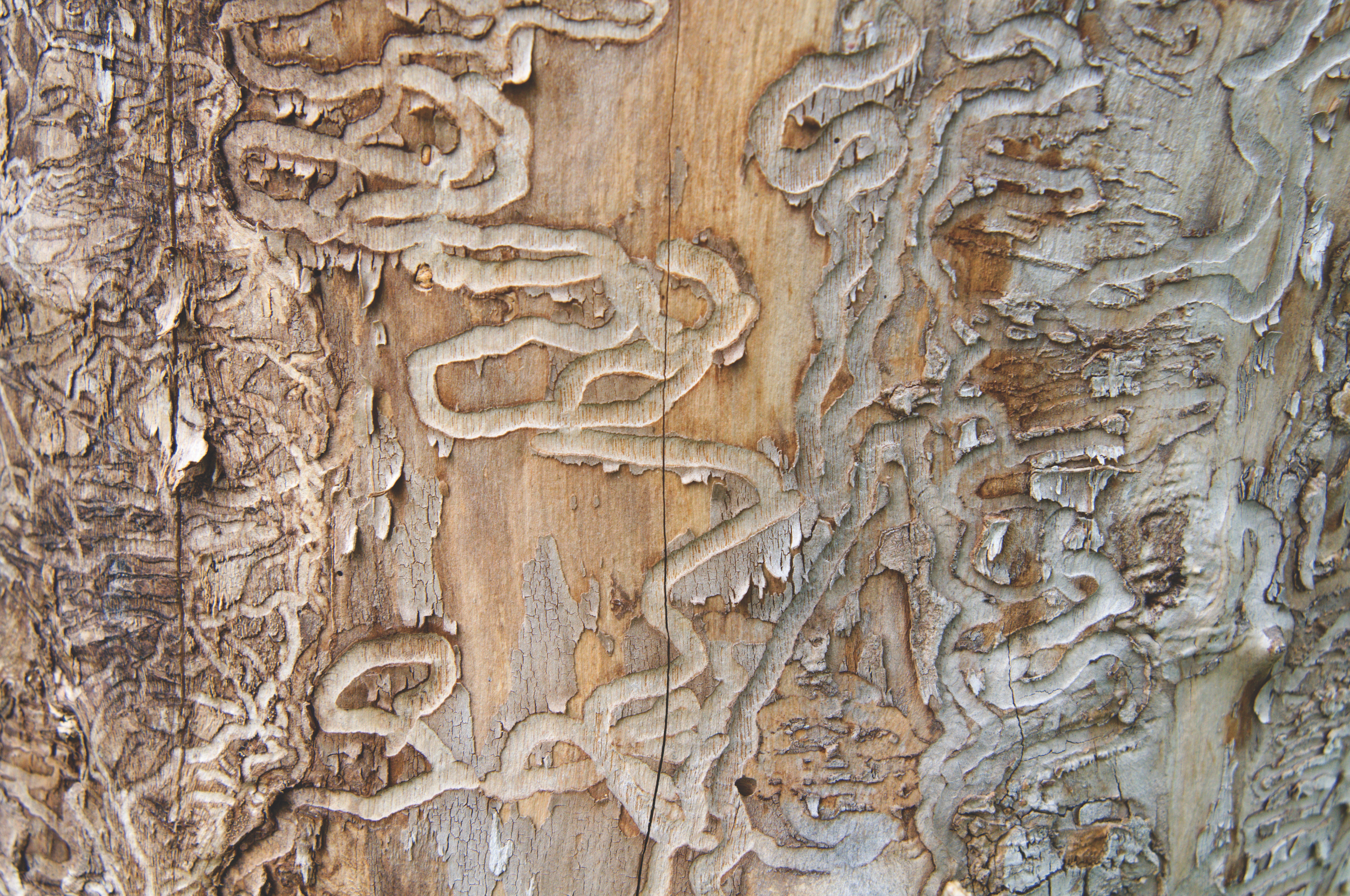
Throughout history, people have intentionally and unintentionally moved plant and animal species to new environments. Some of these species have proved beneficial, but others invade natural habitats, causing environmental and sometimes economic harm.

Every living thing has a habitat—a place that meets its needs. Human beings’ habitat is the community in which they live.
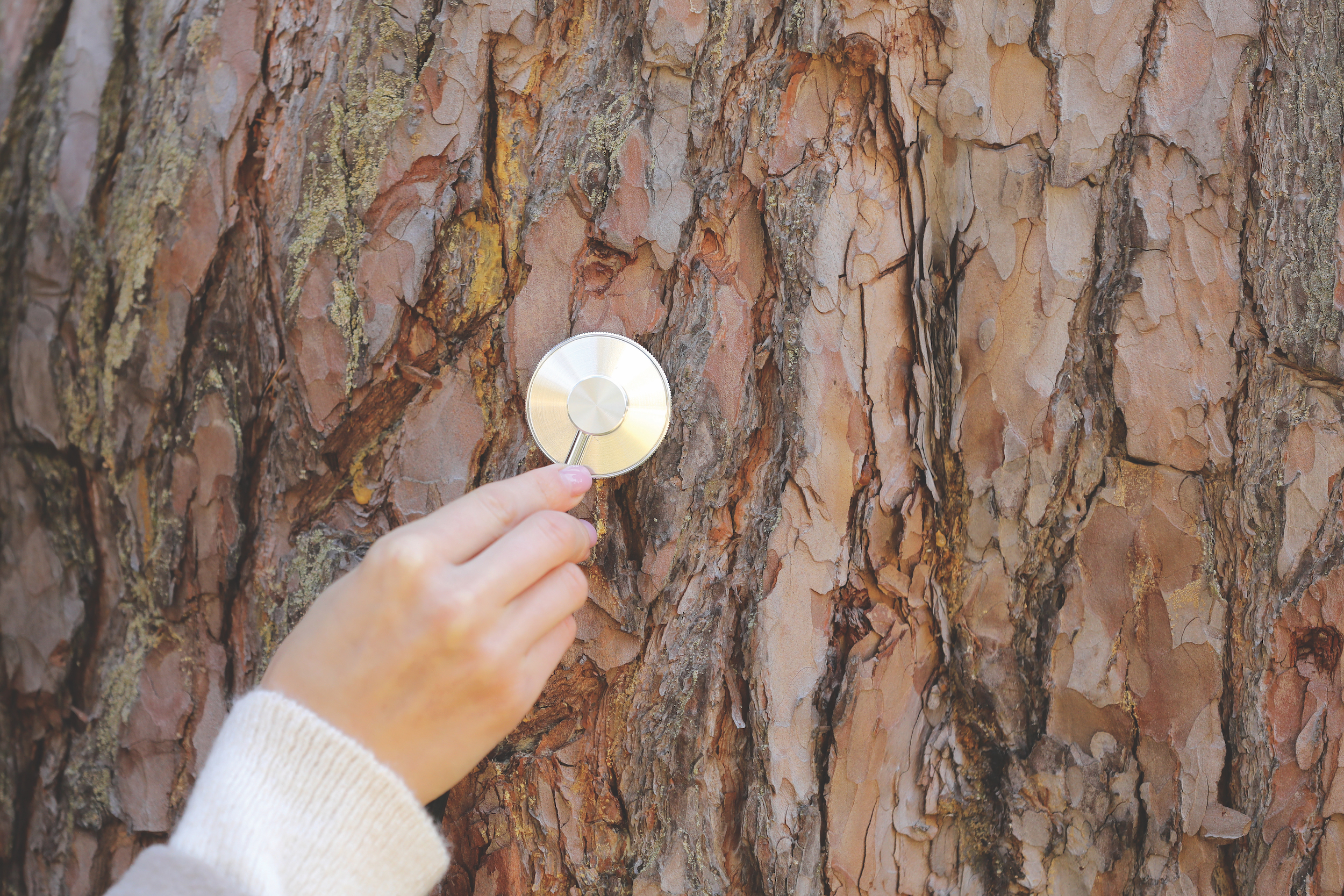
Students examine trees for signs of damage or poor health and investigate conditions that may cause trees and other plants to become unhealthy.
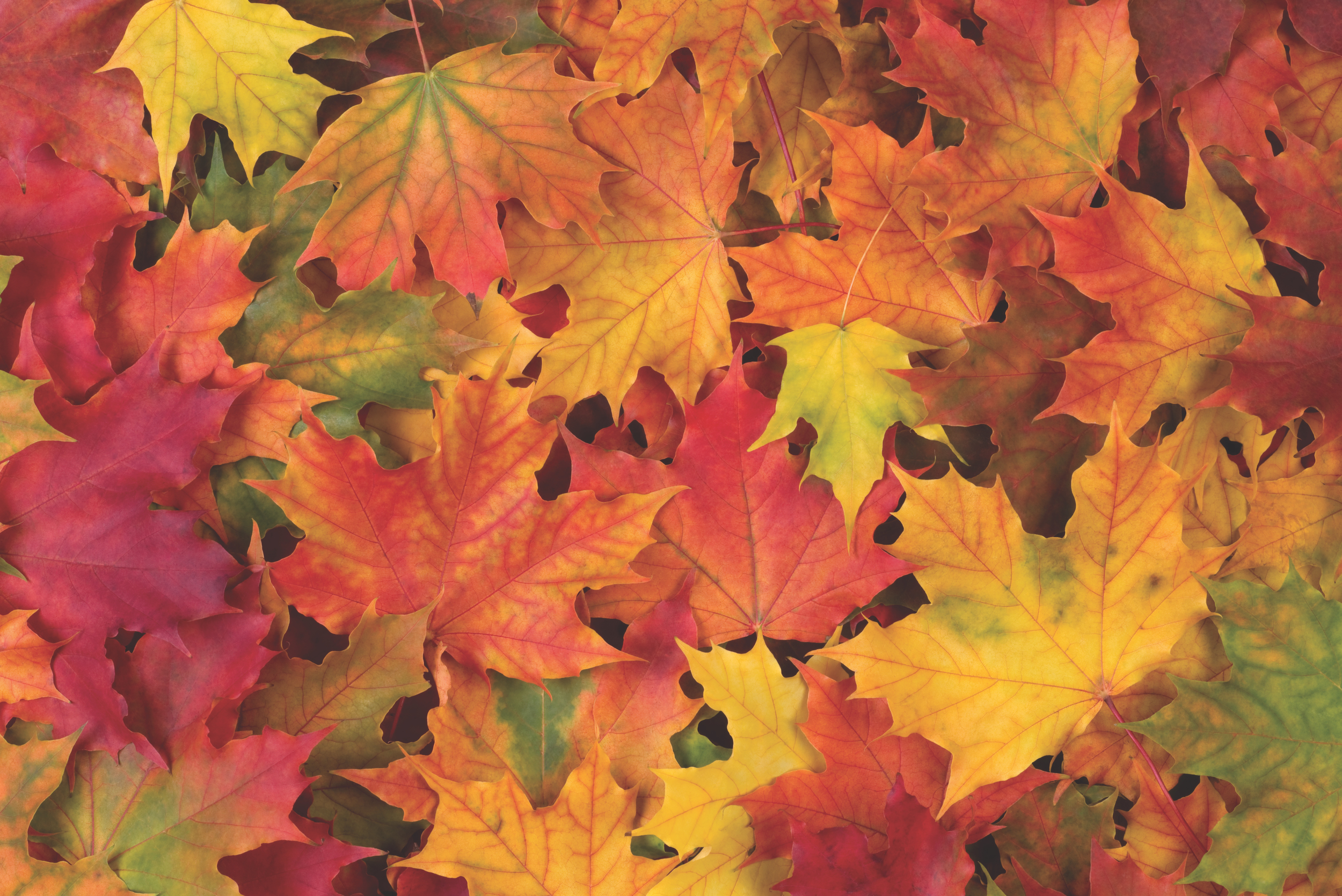
Students will look for signs of autumn and conduct an investigation to discover why the leaves of deciduous trees change color in the fall.

From their leafy branches to their tangled roots, trees provide habitat for a host of plants and animals. Students will inventory the plants and animals that live in, on, and around trees and discover how plants and animals depend on them.
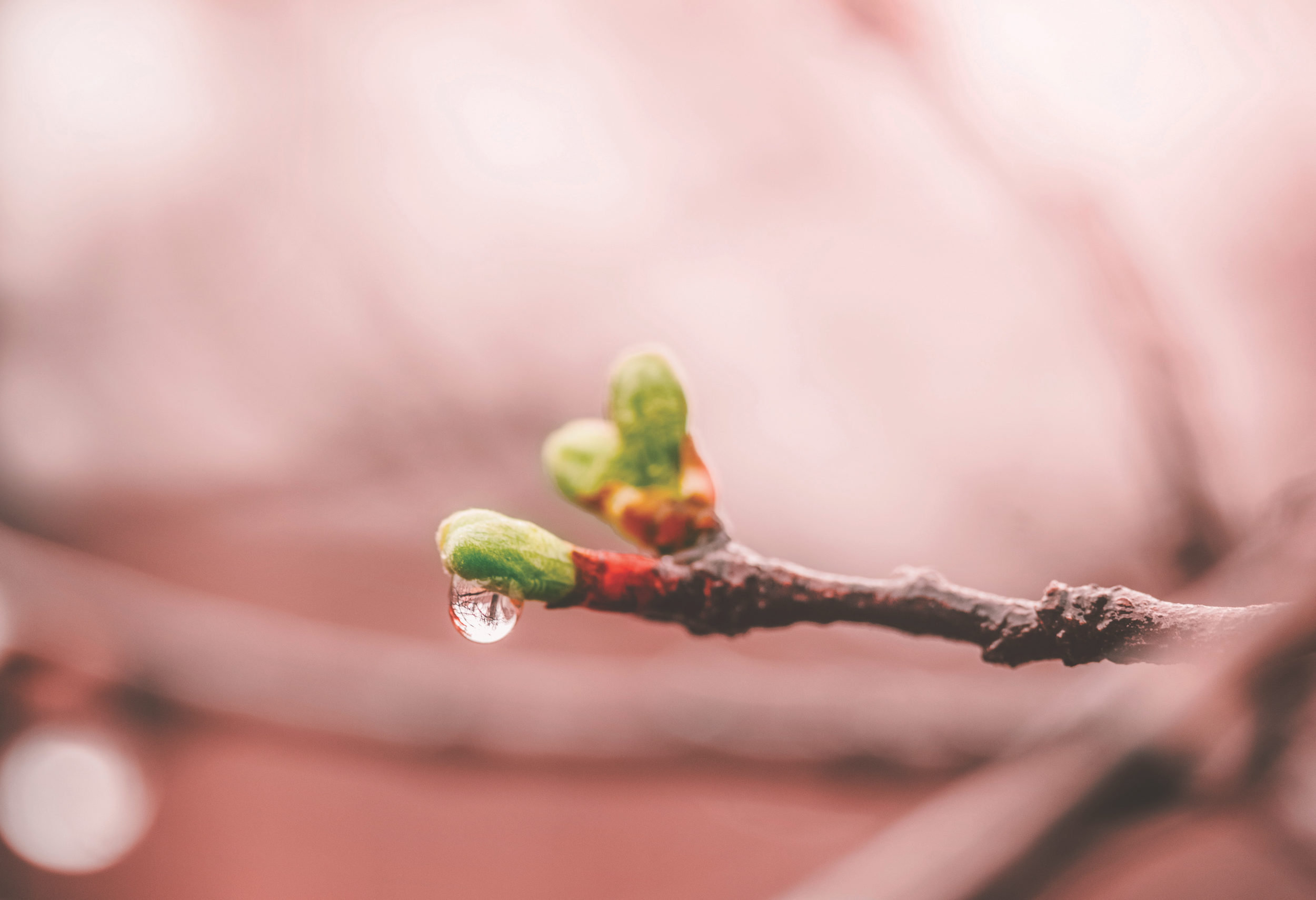
In early spring, many trees sprout bright green leaves. Where do the leaves come from? How do they form? Students investigate these questions by observing tree buds throughout the year.

The trees in our communities provide many benefits: they improve air quality, store carbon, and conserve energy.