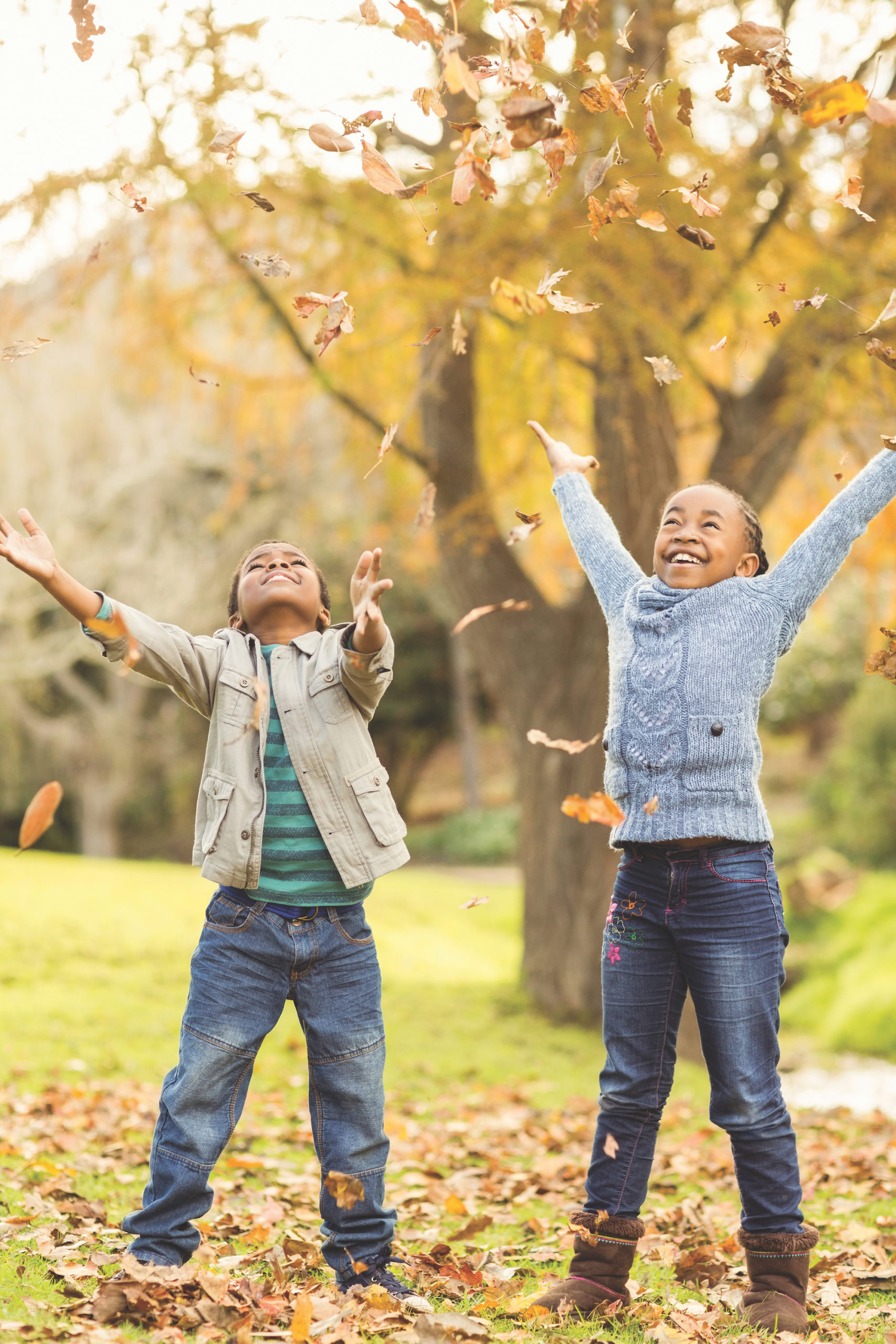
Fall for Trees
In this activity, children explore the signs of autumn and play with falling, changing, and dancing leaves.
In this activity, children explore the signs of autumn and play with falling, changing, and dancing leaves.
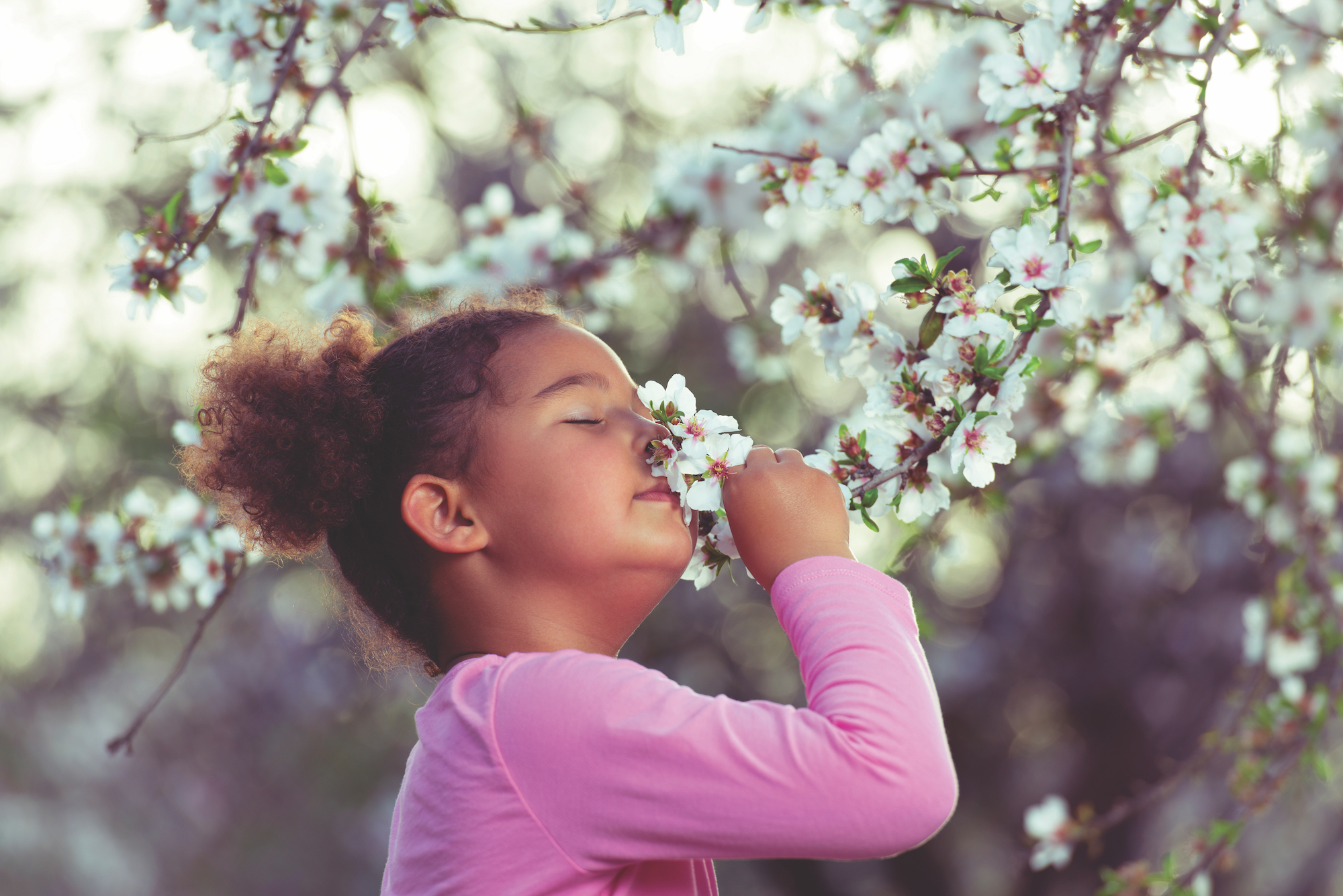
In this activity, children explore trees and tree parts using their senses of smell and taste.
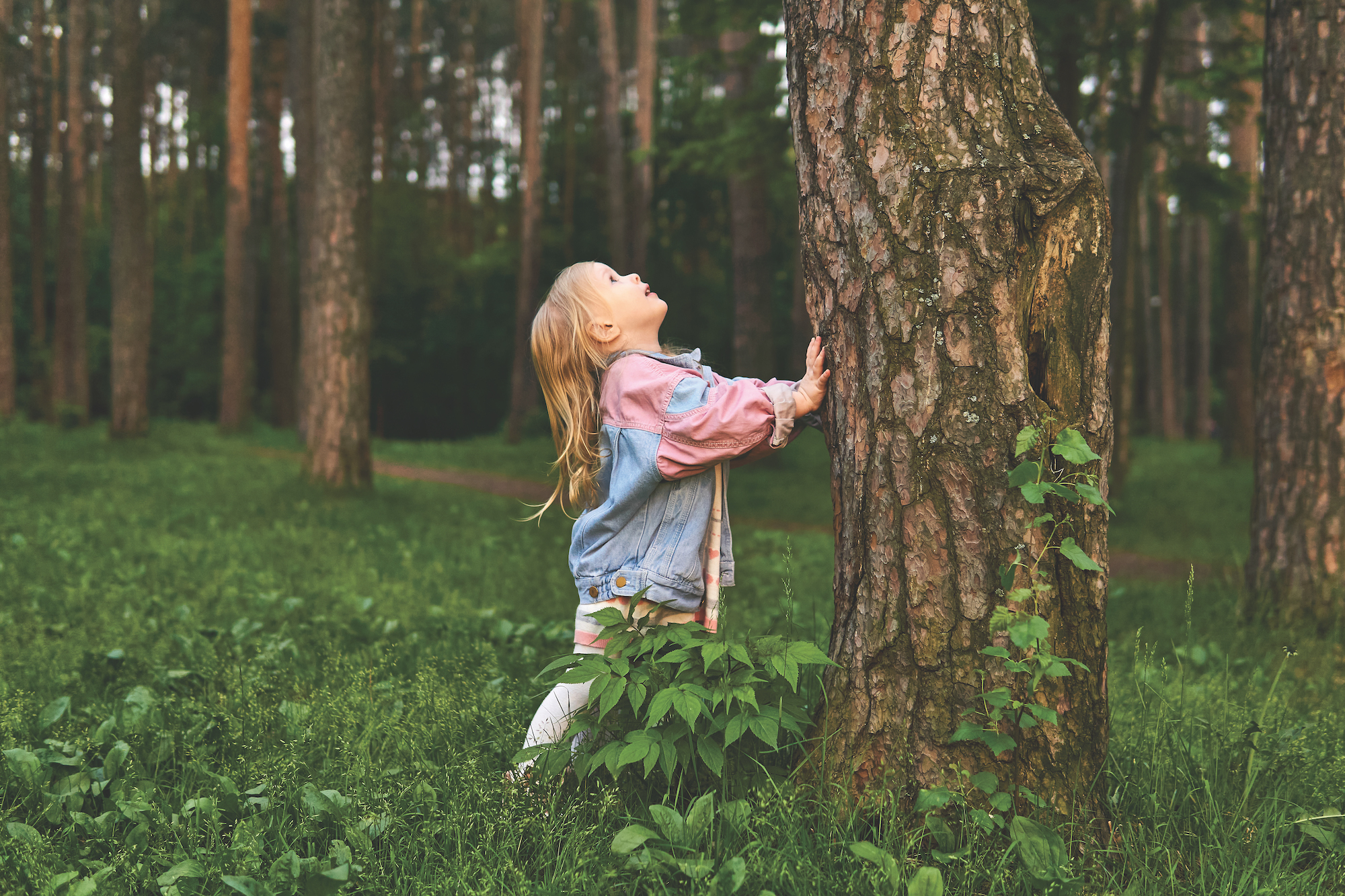
In this activity, children explore trees and their parts using the sense of touch.
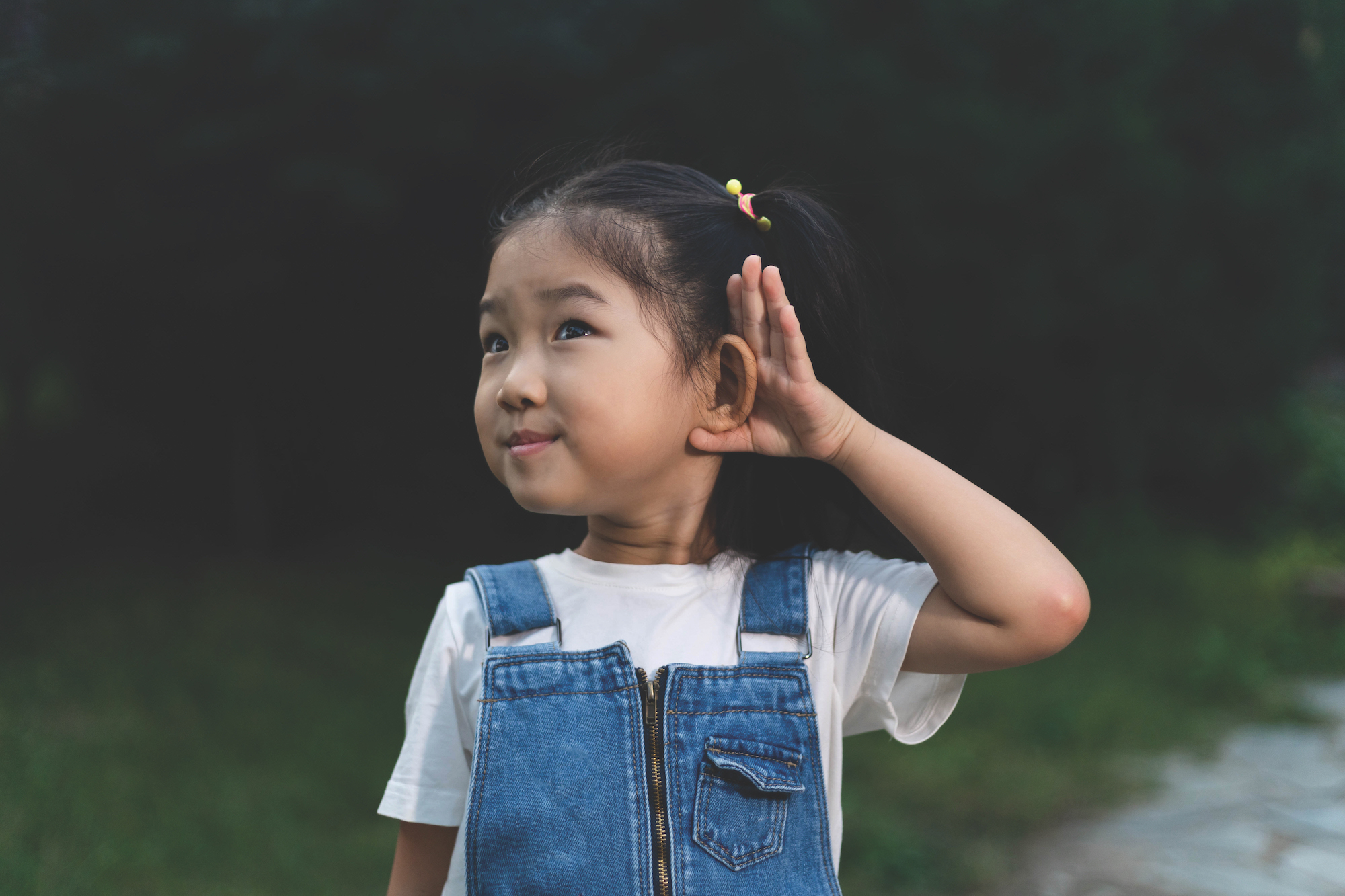
In this activity, children explore the sounds of nature and imitate them using their own voices and instruments that they make together.
In this activity, children search for the shapes and colors that define both our natural and built environments.
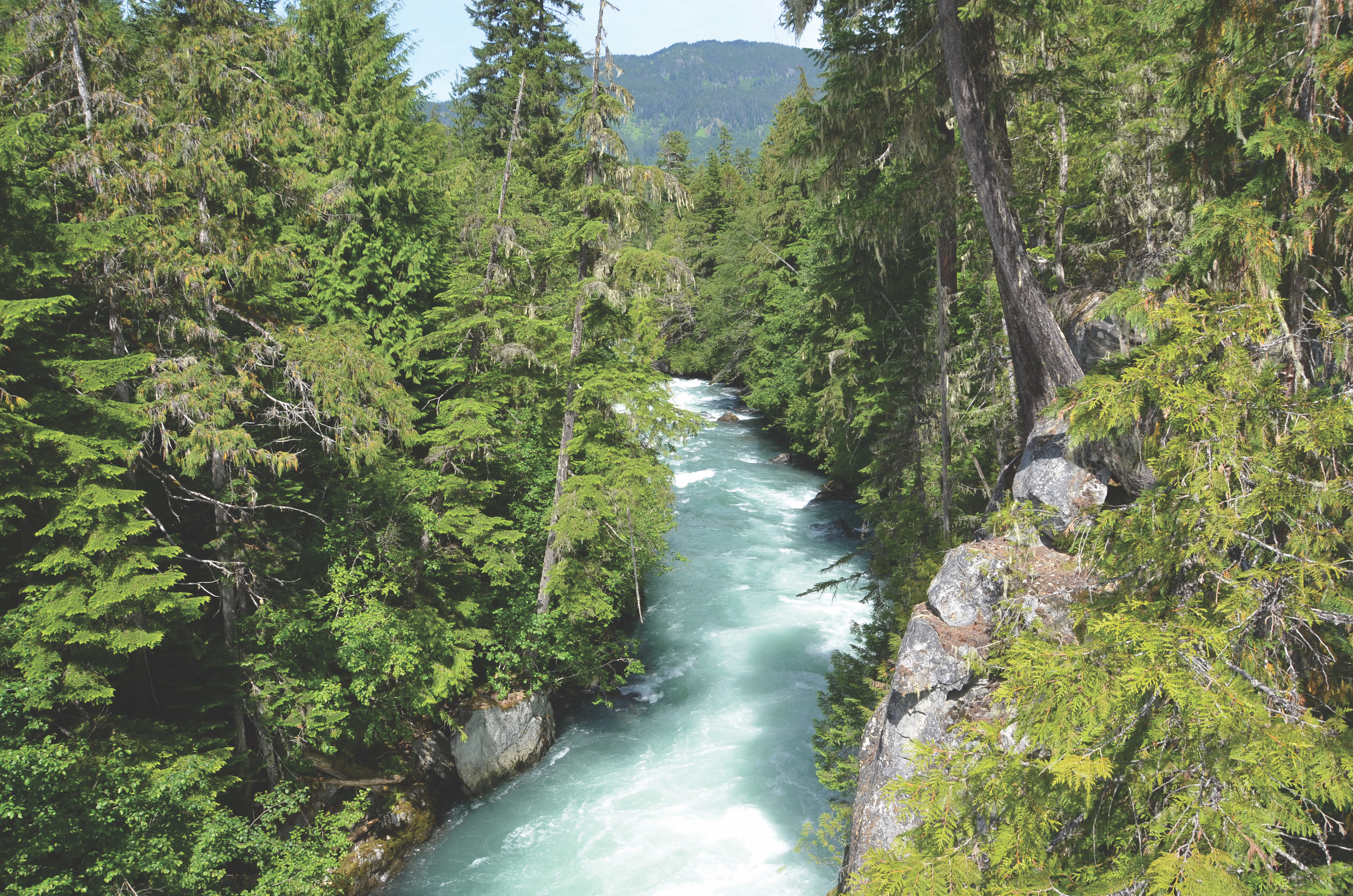
Students explore the environmental, social, and economic criteria of forest certification and consider possible benefits and limitations of certification for both forests and people.
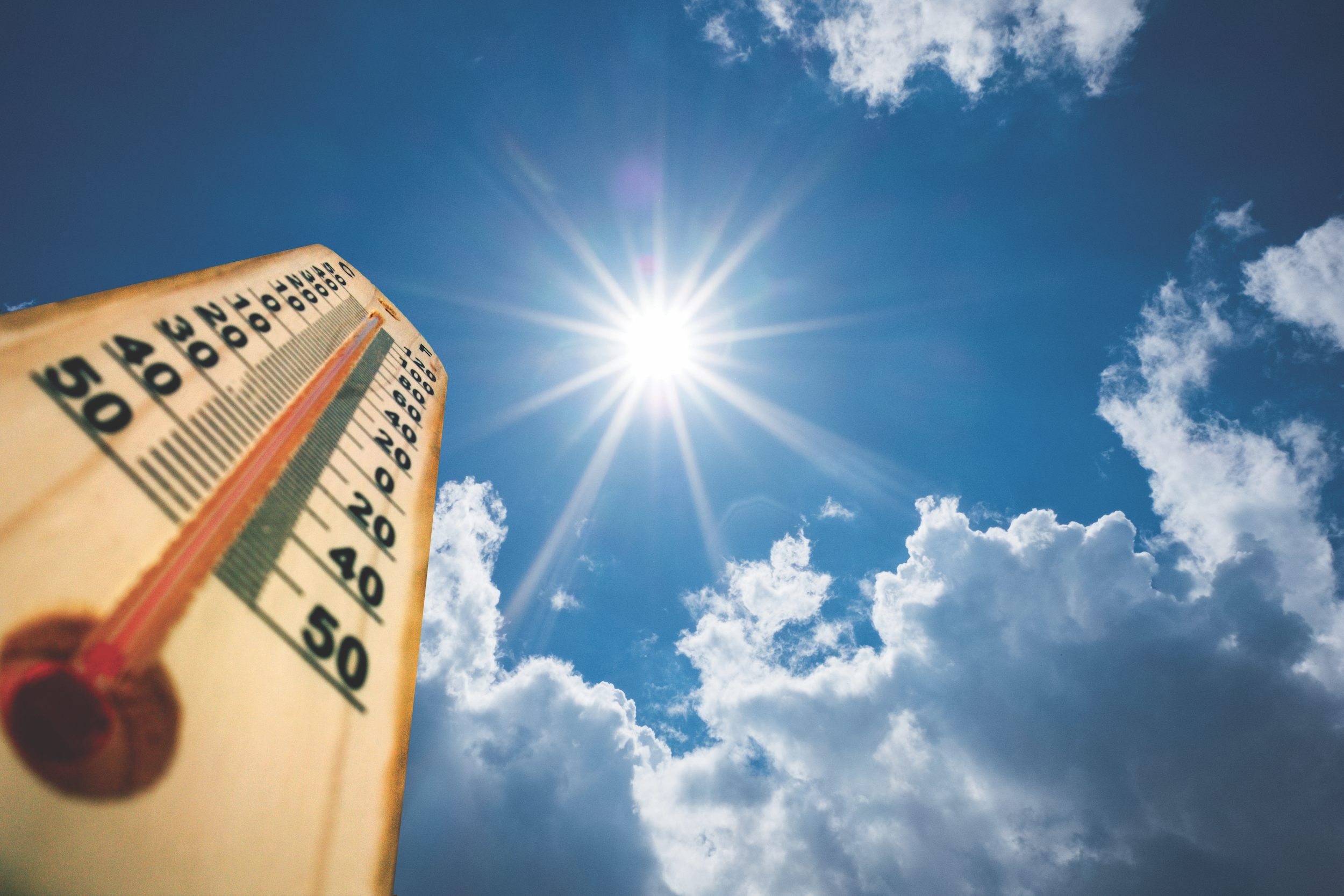
Using data collected from Mauna Loa, students graph changes in atmospheric levels of carbon dioxide (CO2) over the course of several decades and identify possible reasons for those changes.
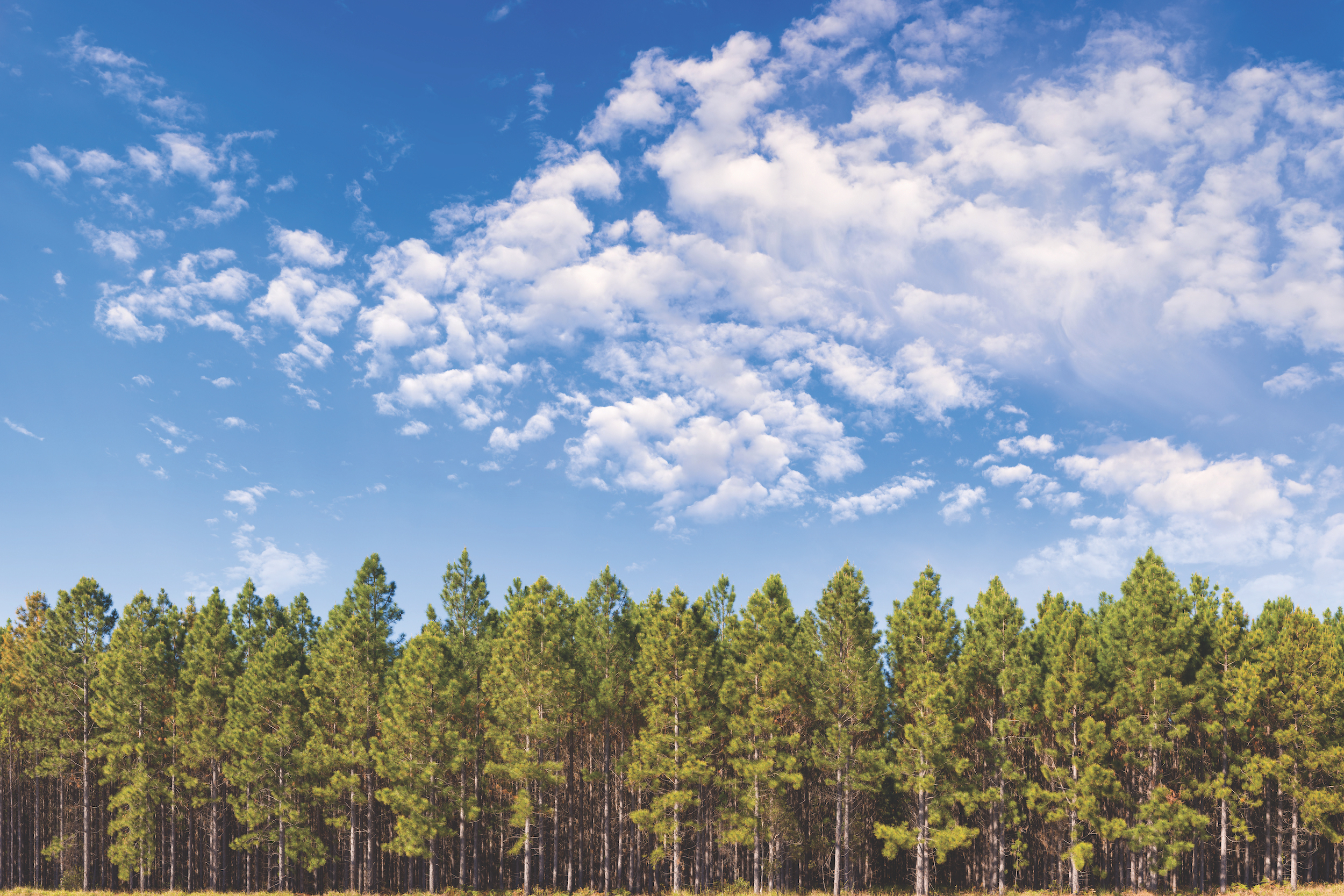
Succession is a natural pattern of change that takes place over time in a forest or other ecosystem. Students read a story about succession and investigate the connections among plants, animals, and successional stages in a local ecosystem.
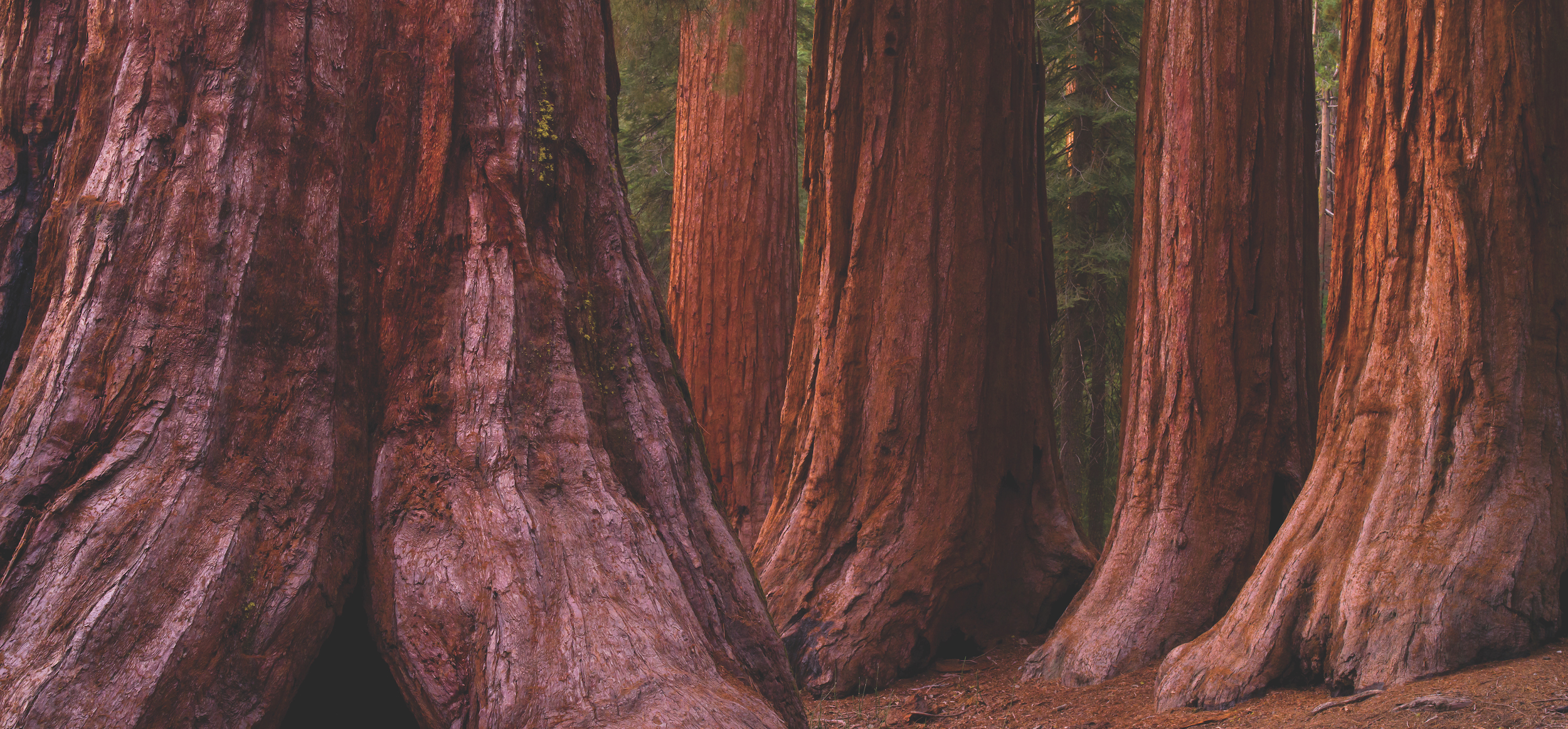
Trees come in many shapes and sizes. Students become familiar with tree structure and scale by using different methods to measure them and by making comparisons. They learn the importance of standardized measurements and proper measuring techniques.
Students model processes that can lead to species becoming rare or endangered. Then, they become advocates for rare or at-risk species of plants or animals and create “public relations campaigns” on behalf of these species.