December 28, 2020 | By Project Learning Tree
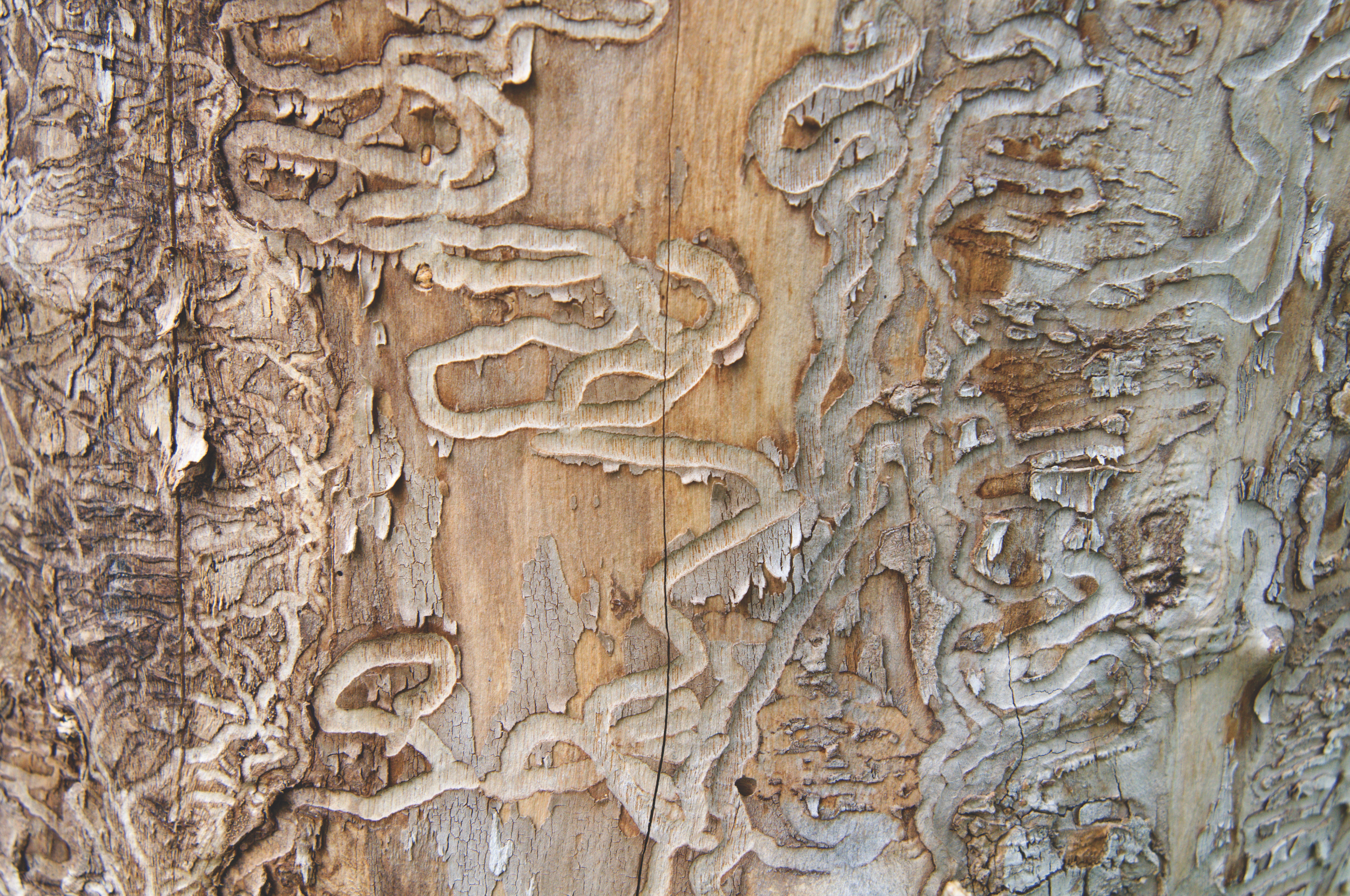
Throughout history, people have intentionally and unintentionally moved plant and animal species to new environments. Some of these species have proved beneficial, but others invade natural habitats, causing environmental and sometimes economic harm.
December 28, 2020 | By Project Learning Tree
Every living thing has a habitat—a place that meets its needs. Human beings’ habitat is the community in which they live.
December 28, 2020 | By Project Learning Tree
Students play the role of forest manager for a 400-acre (162-hectare) public forest, exploring the complex factors that influence management decisions about forest lands.
December 28, 2020 | By Project Learning Tree
Students gain an appreciation for how many natural resources they depend on in their day-to-day lives. By tracing the resources that go into making one item, students learn how its manufacturing can have an impact on the environment.
December 28, 2020 | By Project Learning Tree
Students conduct a field study of three different environments as they focus on sunlight, soil moisture, temperature, wind, water flow, plants, and animals in each environment.
December 28, 2020 | By Project Learning Tree
The energy we use at home, school, or work enhances our lives, but it also often contributes to air and water pollution, wildlife and habitat loss, and climate change.
December 28, 2020 | By Project Learning Tree
The water cycle is the system by which Earth’s water is collected, purified, and distributed from the environment to living things and then returned to the environment.
December 28, 2020 | By Project Learning Tree
Students explore differences in soil types and what those differences mean to people and to plants. They also investigate the role soil organisms play, both in building soil and in decomposition.
December 28, 2020 | By Project Learning Tree
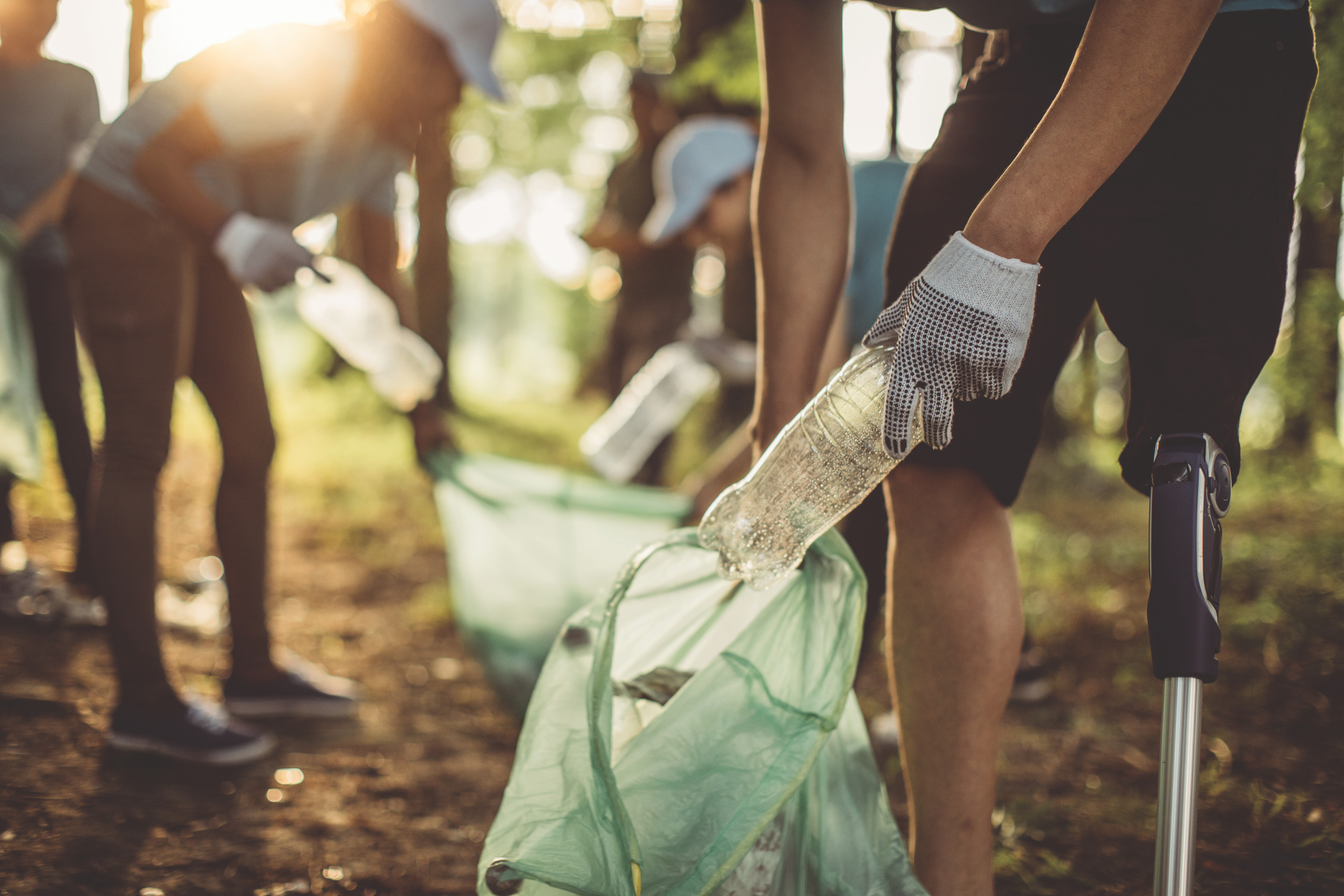
Regular time outdoors is beneficial for emotional, mental, and physical health, as well as for creativity, learning, and child development. In this activity, students will examine the physical and emotional effects of a task done outdoors.
December 28, 2020 | By Project Learning Tree
It’s easy to waste water and even easier to take water for granted. Water pours out of our faucets as though it were endlessly available. But the truth is the supply of good quality, fresh water is limited. Fortunately, we can all conserve water.