Field, Forest, and Stream
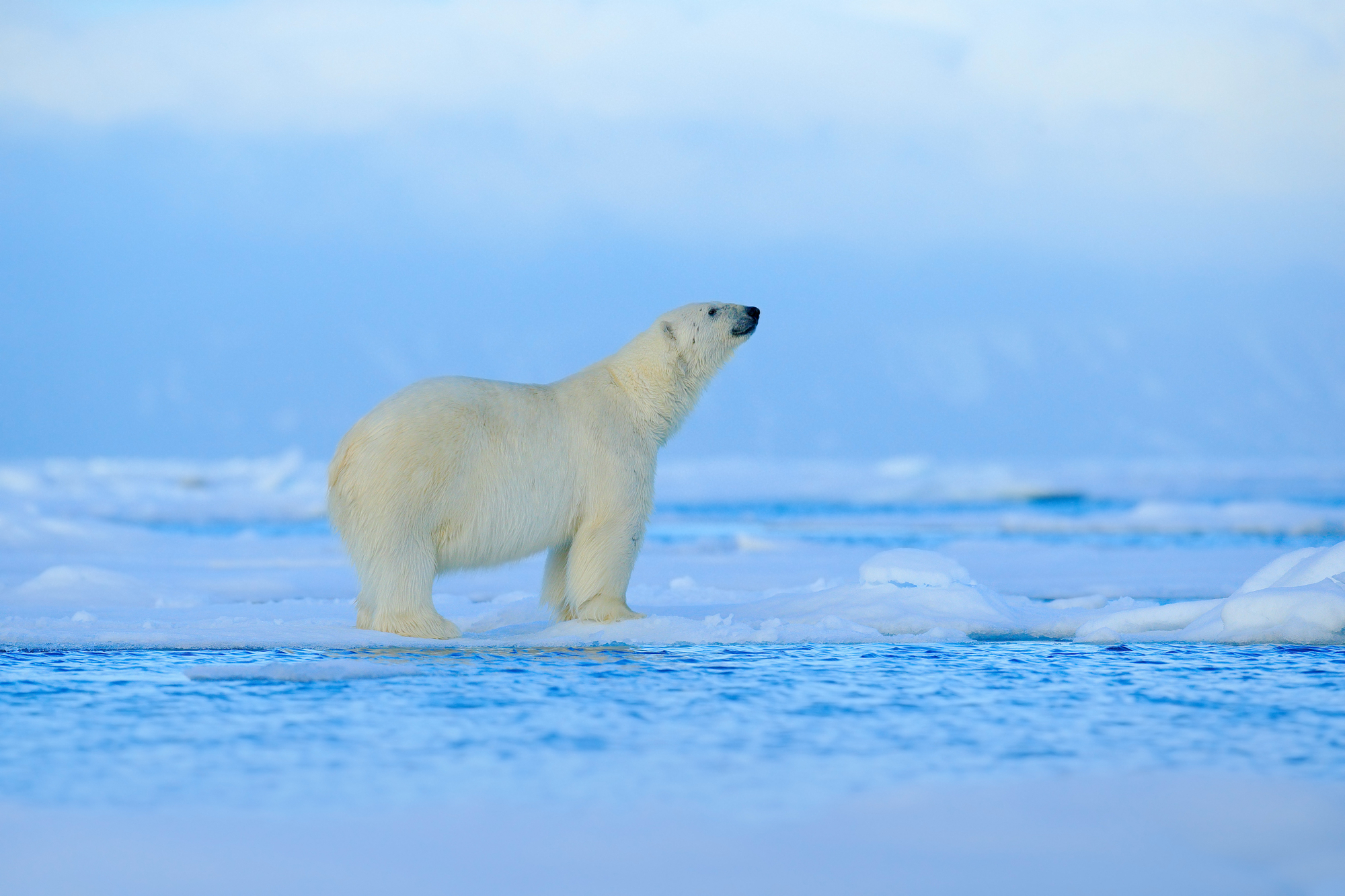
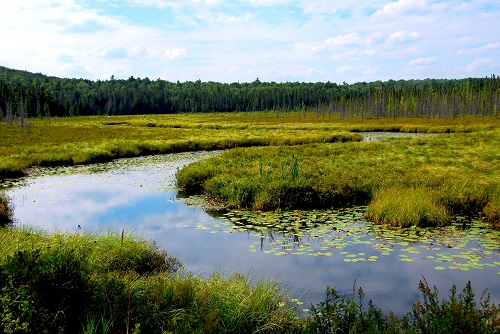
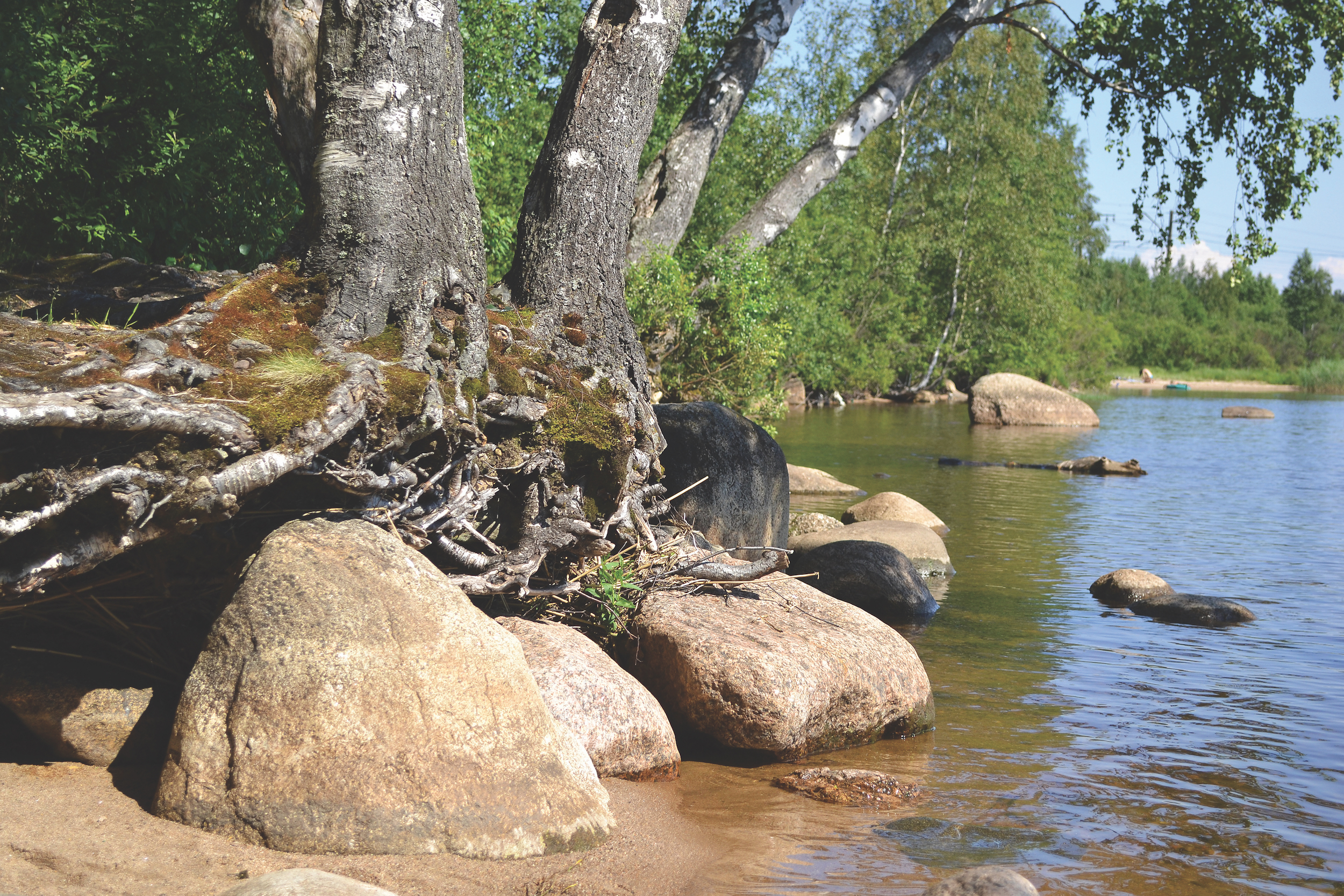
Students conduct a field study of three different environments as they focus on sunlight, soil moisture, temperature, wind, water flow, plants, and animals in each environment.

Students conduct a field study of three different environments as they focus on sunlight, soil moisture, temperature, wind, water flow, plants, and animals in each environment.
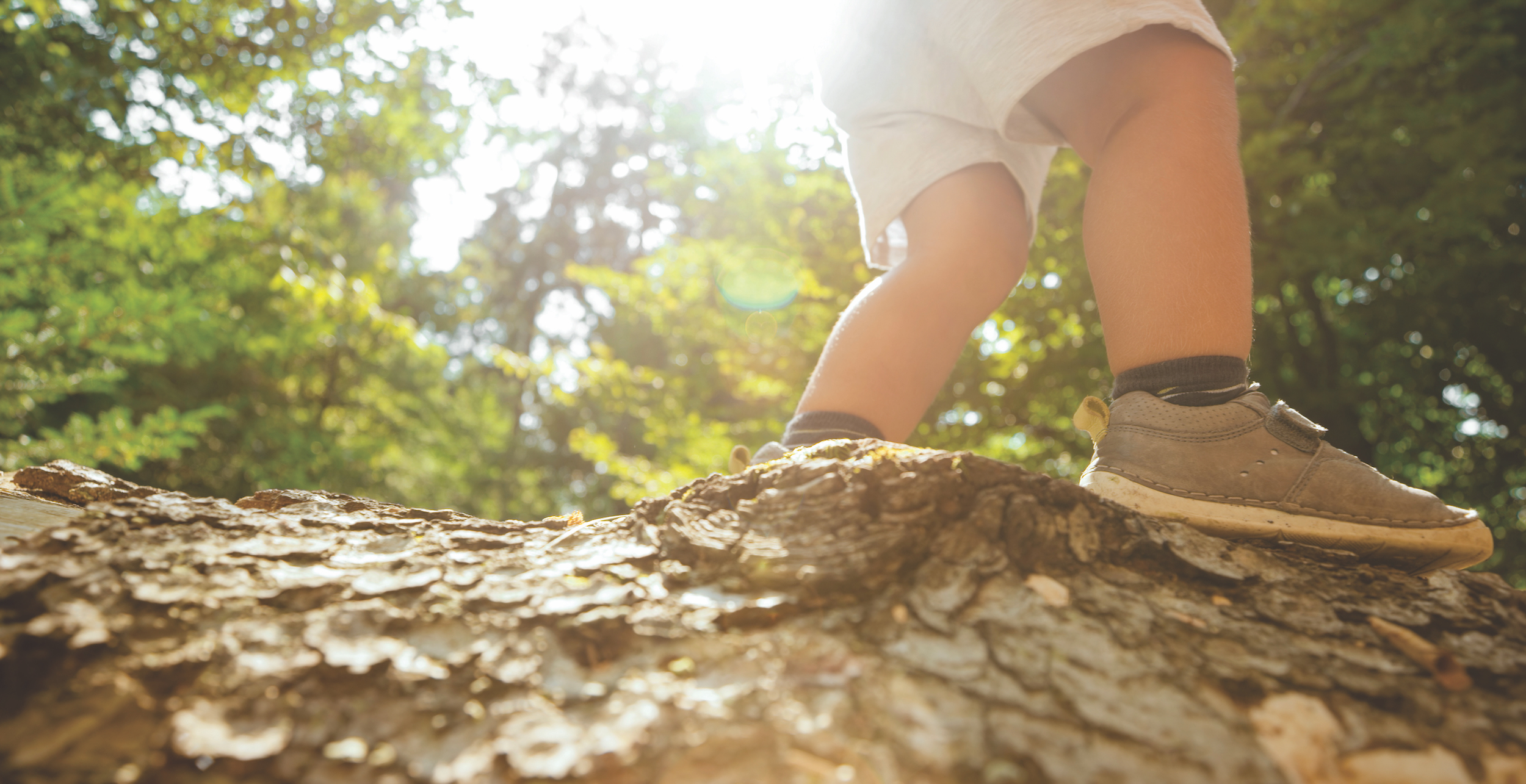
It’s amazing how many things live in and on rotting logs. In this activity, your students will become familiar with some of those organisms by observing fallen logs or other decomposing pieces of wood.
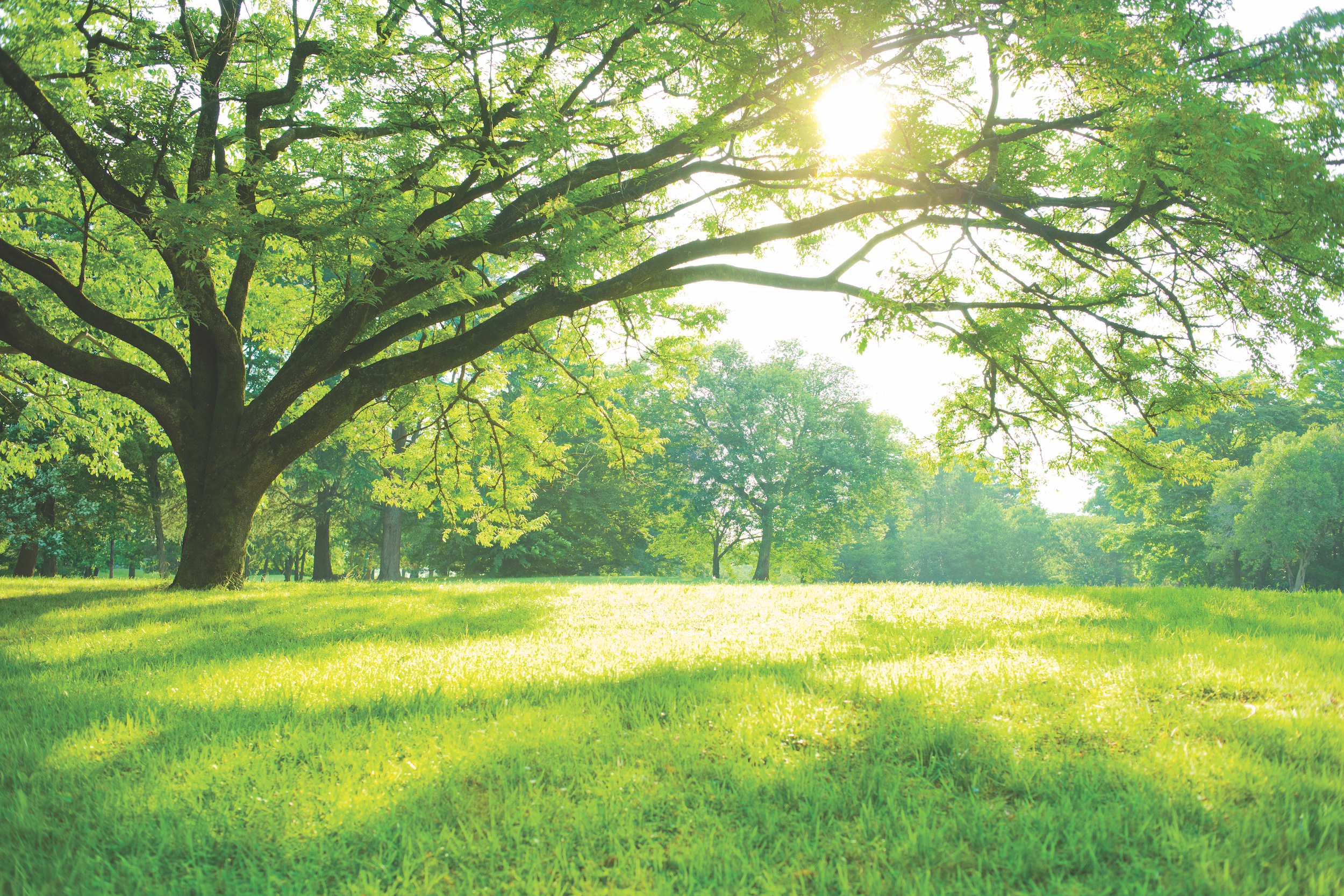
This fun and active modeling simulation reviews the conditions that trees need to live and grow, while also demonstrating that trees must compete to meet their needs.
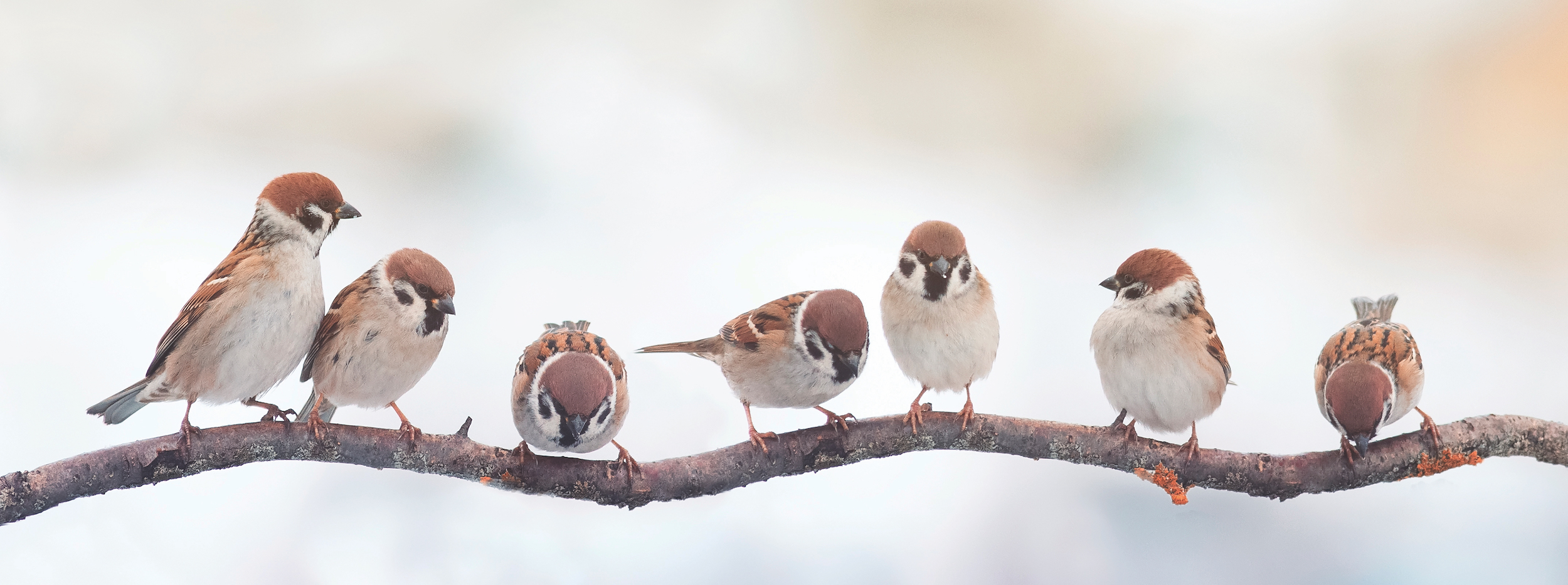
From their leafy branches to their tangled roots, trees provide habitat for a host of plants and animals. Students will inventory the plants and animals that live in, on, and around trees and discover how plants and animals depend on them.

A plant is a biological system containing processes and components that enable it to grow and reproduce. By observing, collecting, and classifying seeds, students examine one aspect of a plant’s reproductive system.
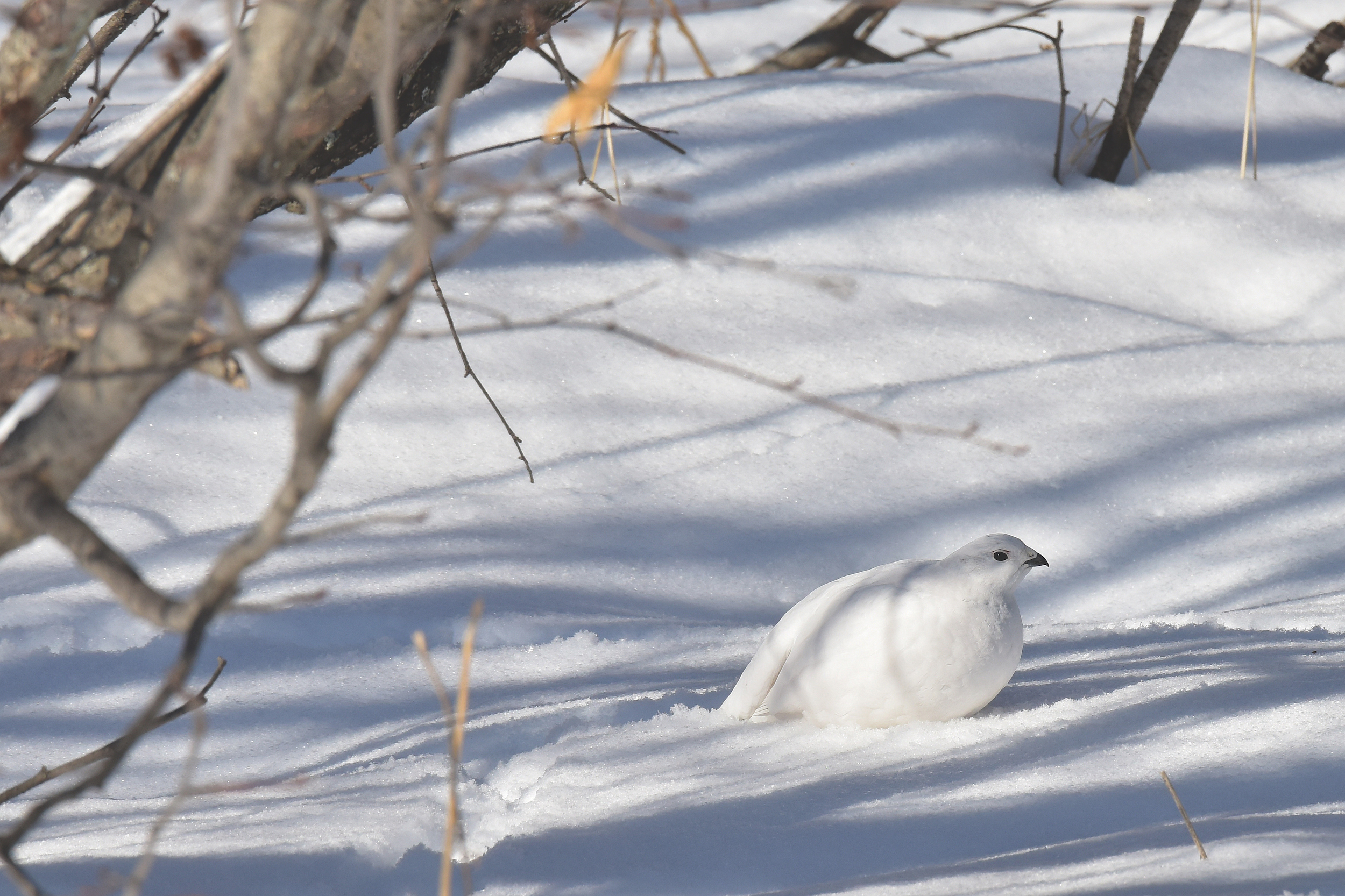
Camouflage is an essential survival strategy in the natural world. Students discover the value of protective coloration as they pretend to be birds in search of colored bugs.
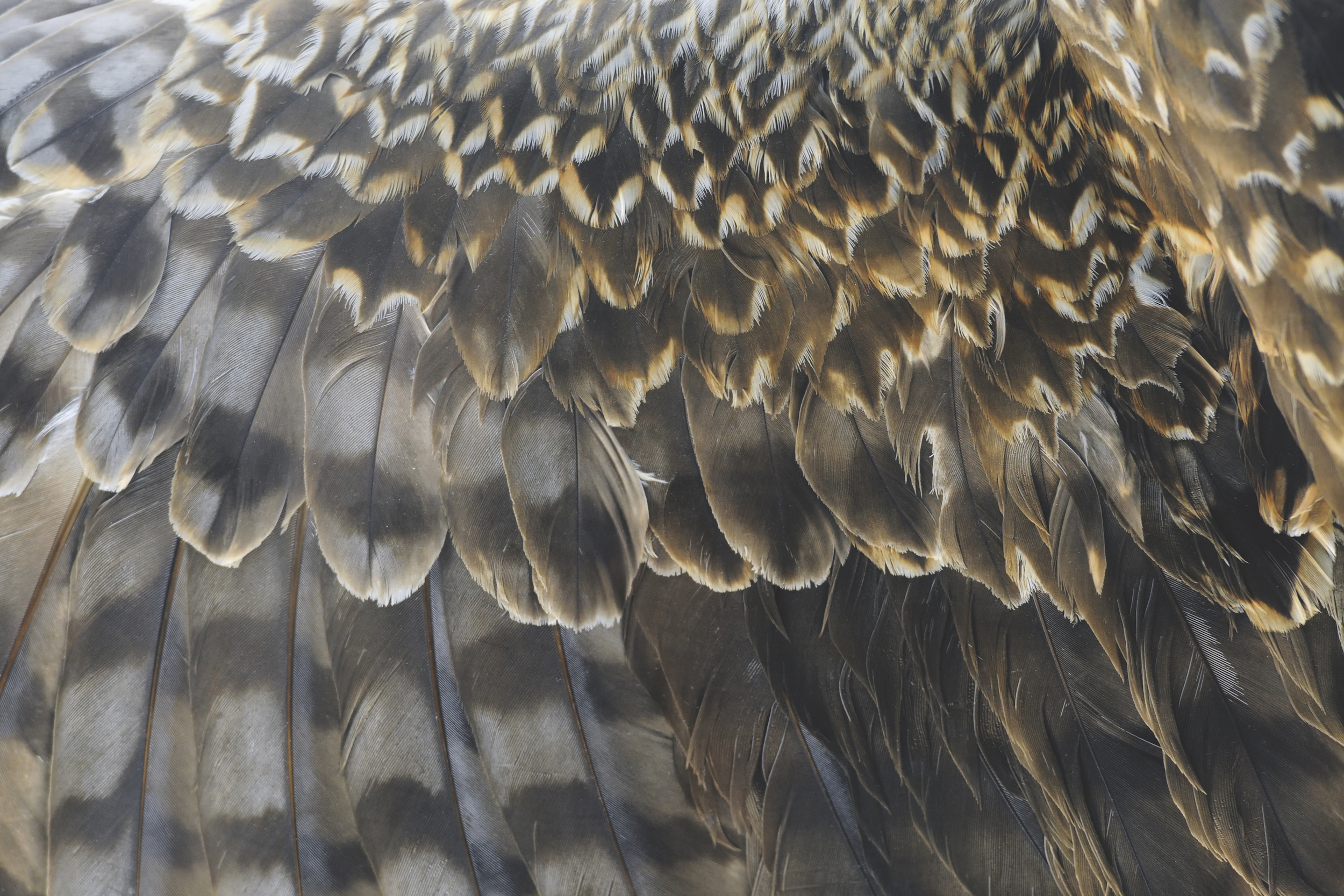
Students explore the amazing diversity of life on Earth and discover how plants and animals are adapted for survival. This activity helps students understand why there are so many different species and teaches them the value of biodiversity.

Students imagine that they are visitors from outer space, viewing life on Earth for the first time. By describing in minute detail all the life they find in a small plot of land, they will become more aware of the diversity and abundance of life.