Follow Your Nose
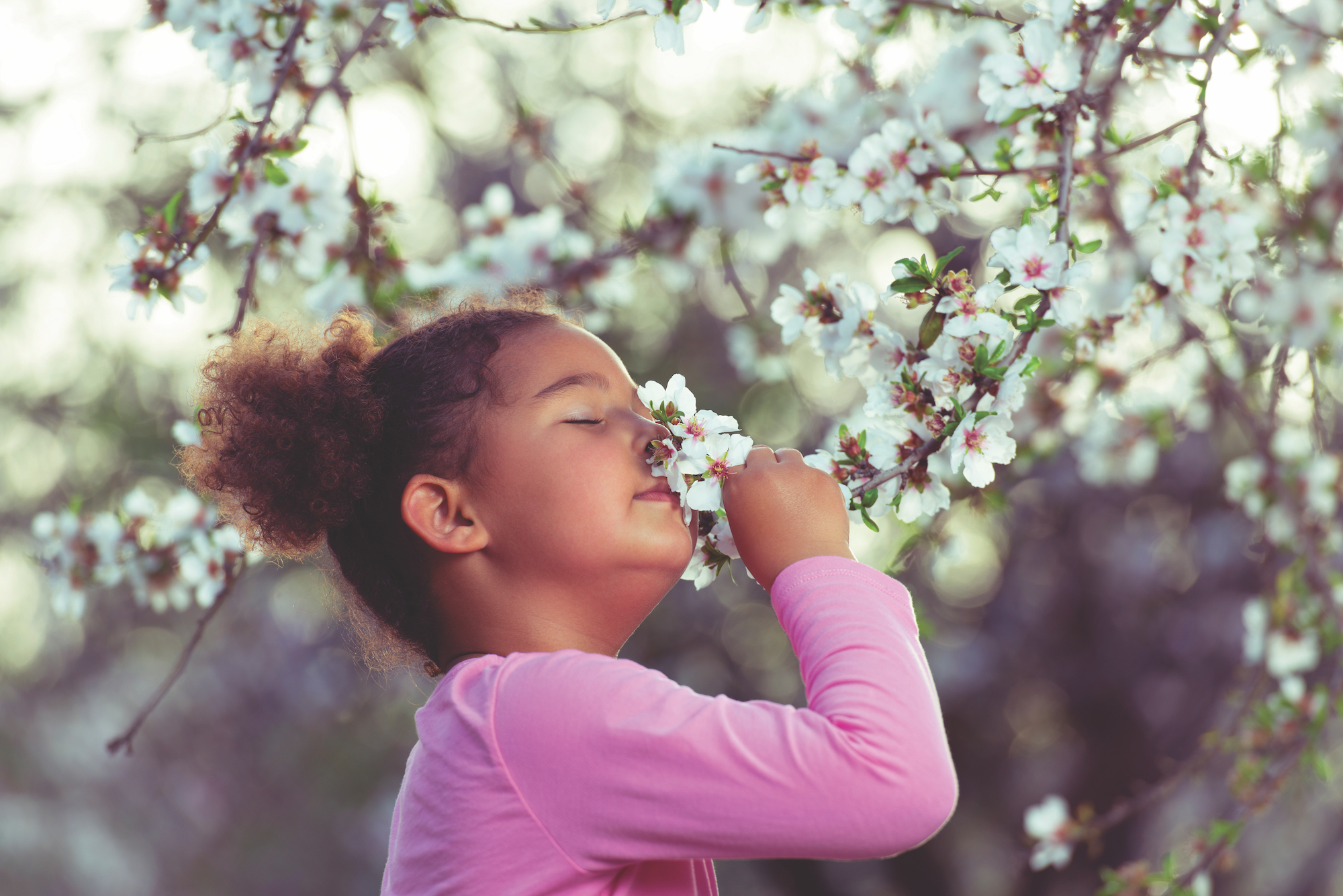
In this activity, children explore trees and tree parts using their senses of smell and taste.
In this activity, children explore trees and tree parts using their senses of smell and taste.
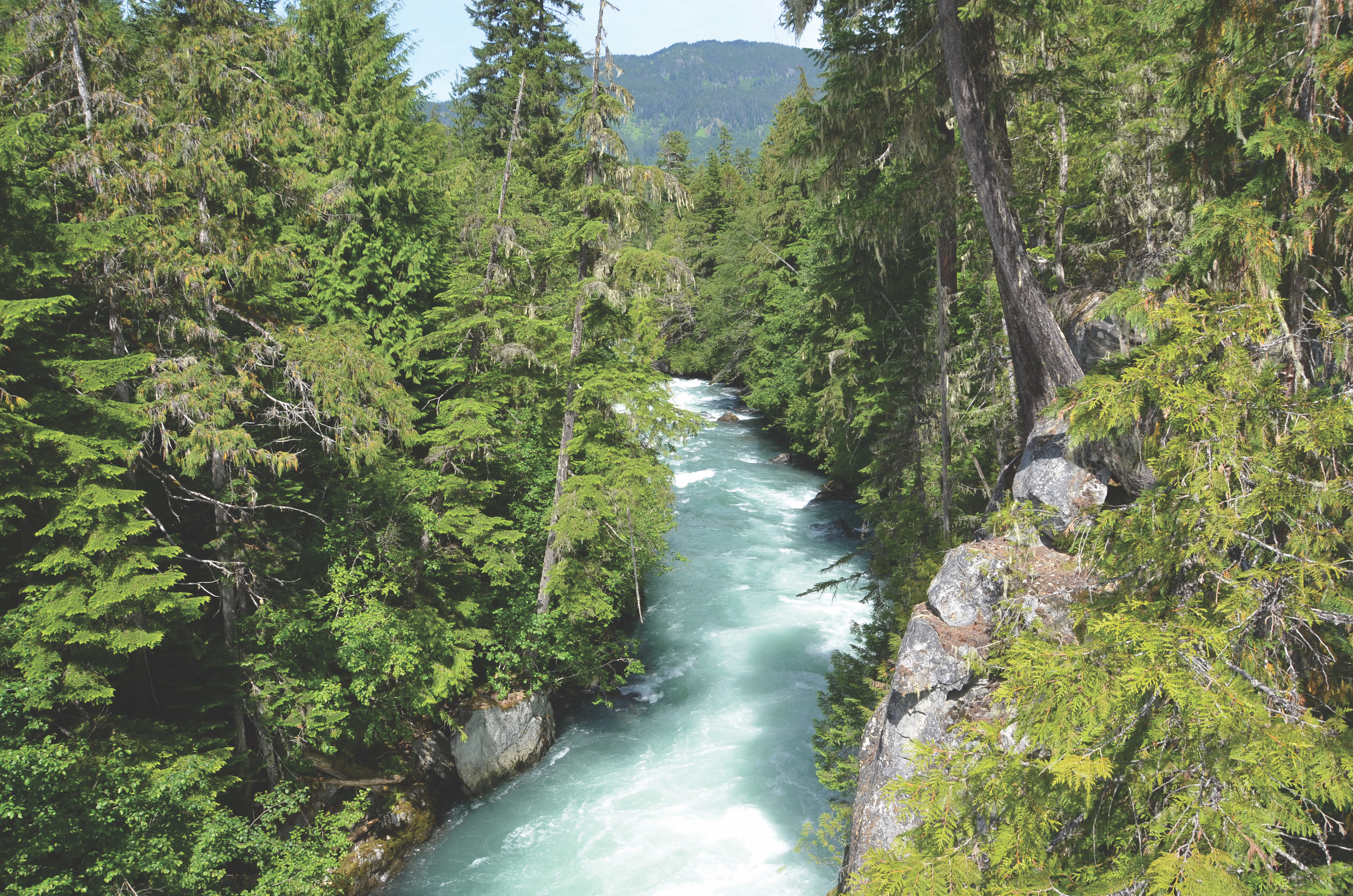
Students explore the environmental, social, and economic criteria of forest certification and consider possible benefits and limitations of certification for both forests and people.
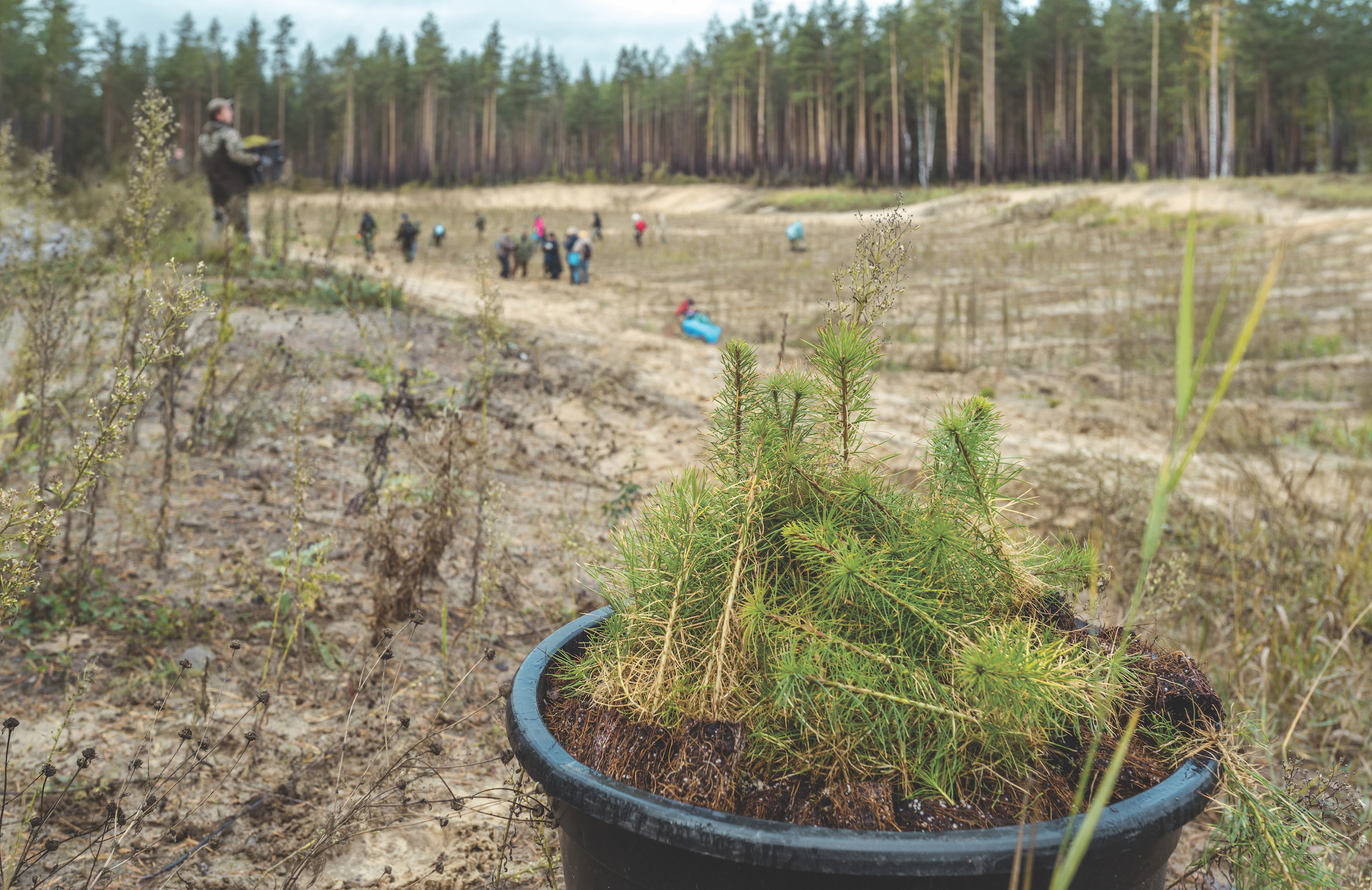
Never underestimate the power of a tree! In addition to giving us an amazing array of paper and wood products, trees provide a host of other benefits—from shading our backyards to reducing air pollution to helping stabilize the global climate.

Our nation’s forests are managed to support different outcomes. Students learn how forests can be managed to meet human and environmental needs and examine national parks to identify challenges that forest managers face meeting different needs.
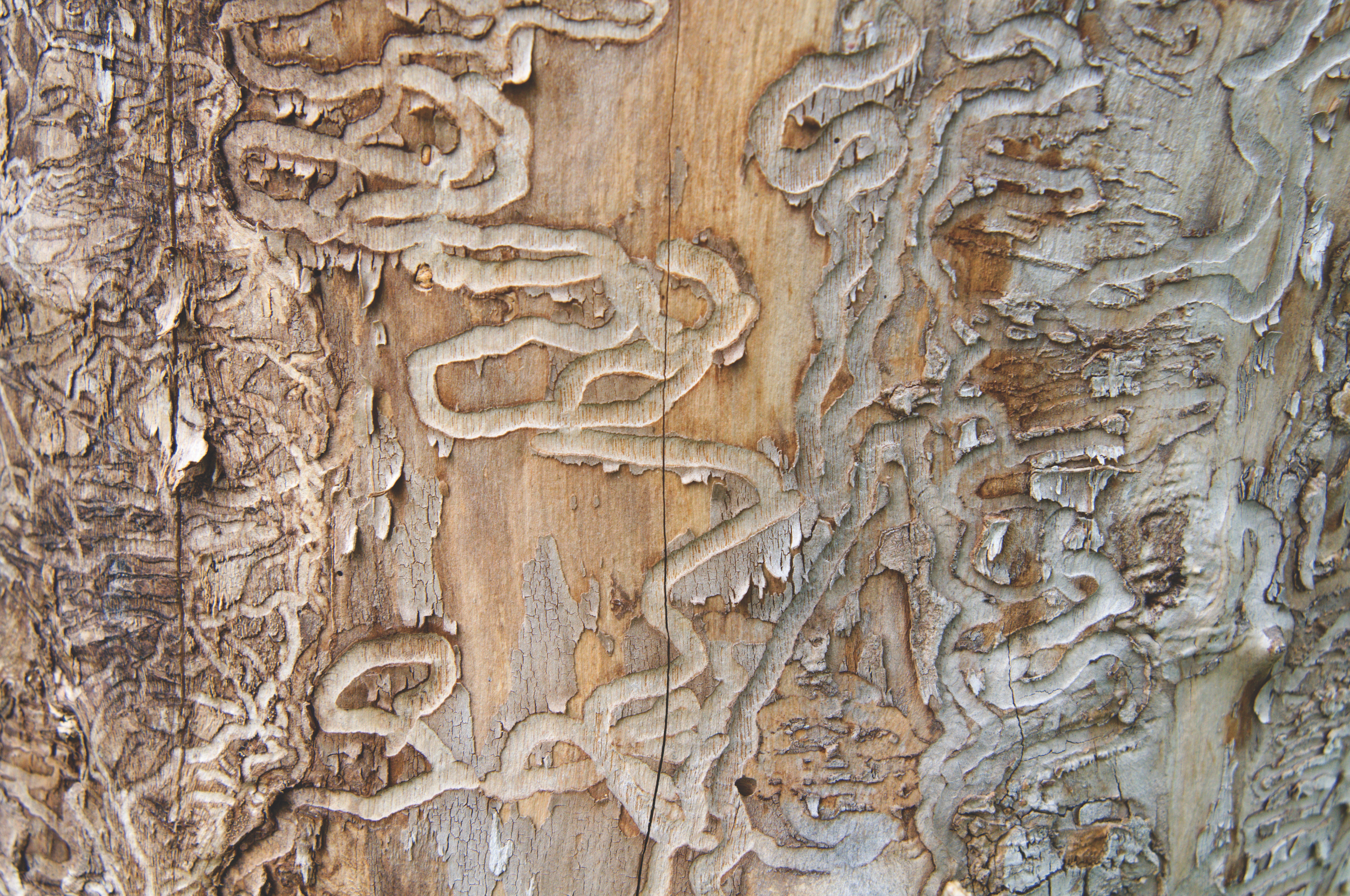
Throughout history, people have intentionally and unintentionally moved plant and animal species to new environments. Some of these species have proved beneficial, but others invade natural habitats, causing environmental and sometimes economic harm.
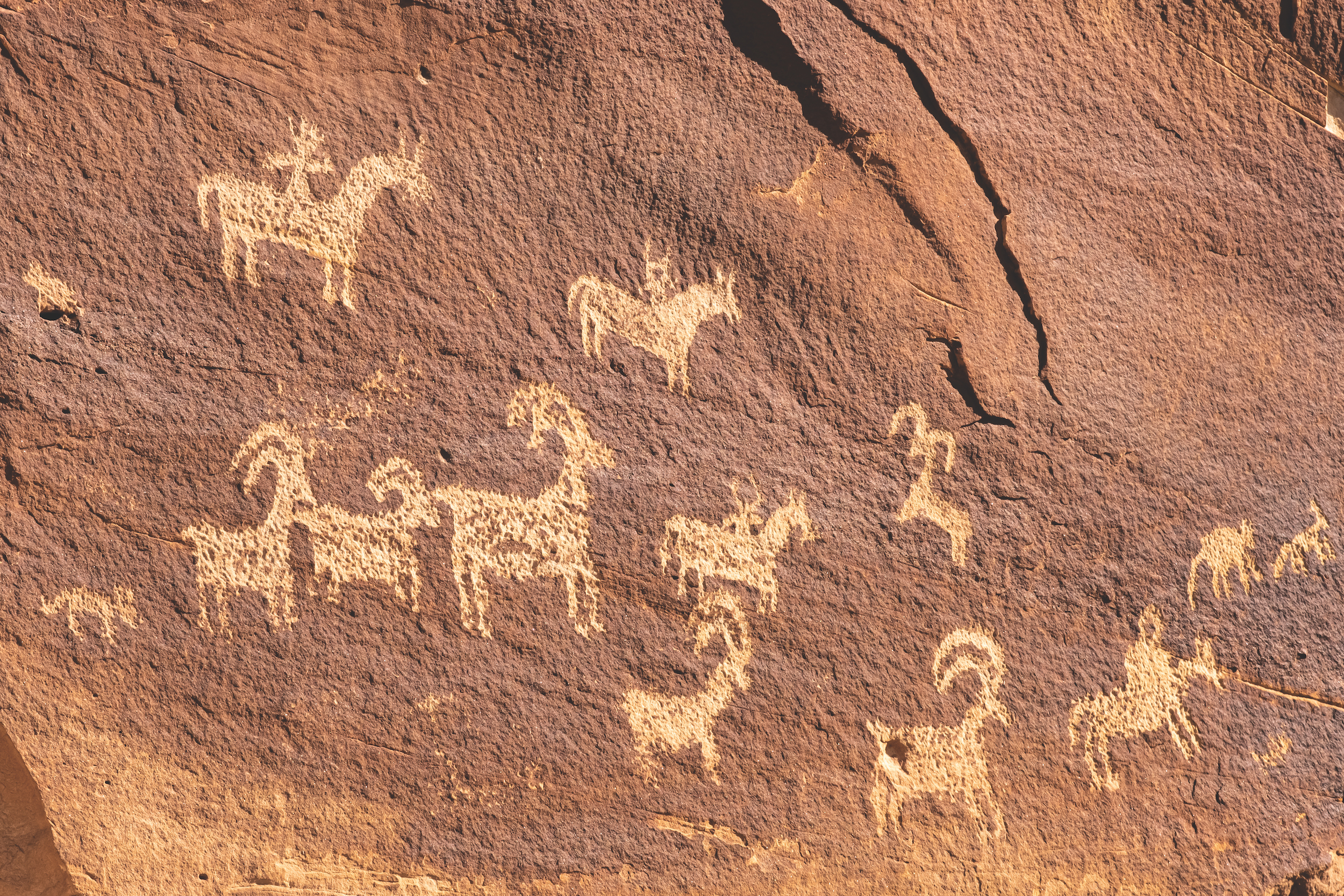
Students play the role of forest manager for a 400-acre (162-hectare) public forest, exploring the complex factors that influence management decisions about forest lands.
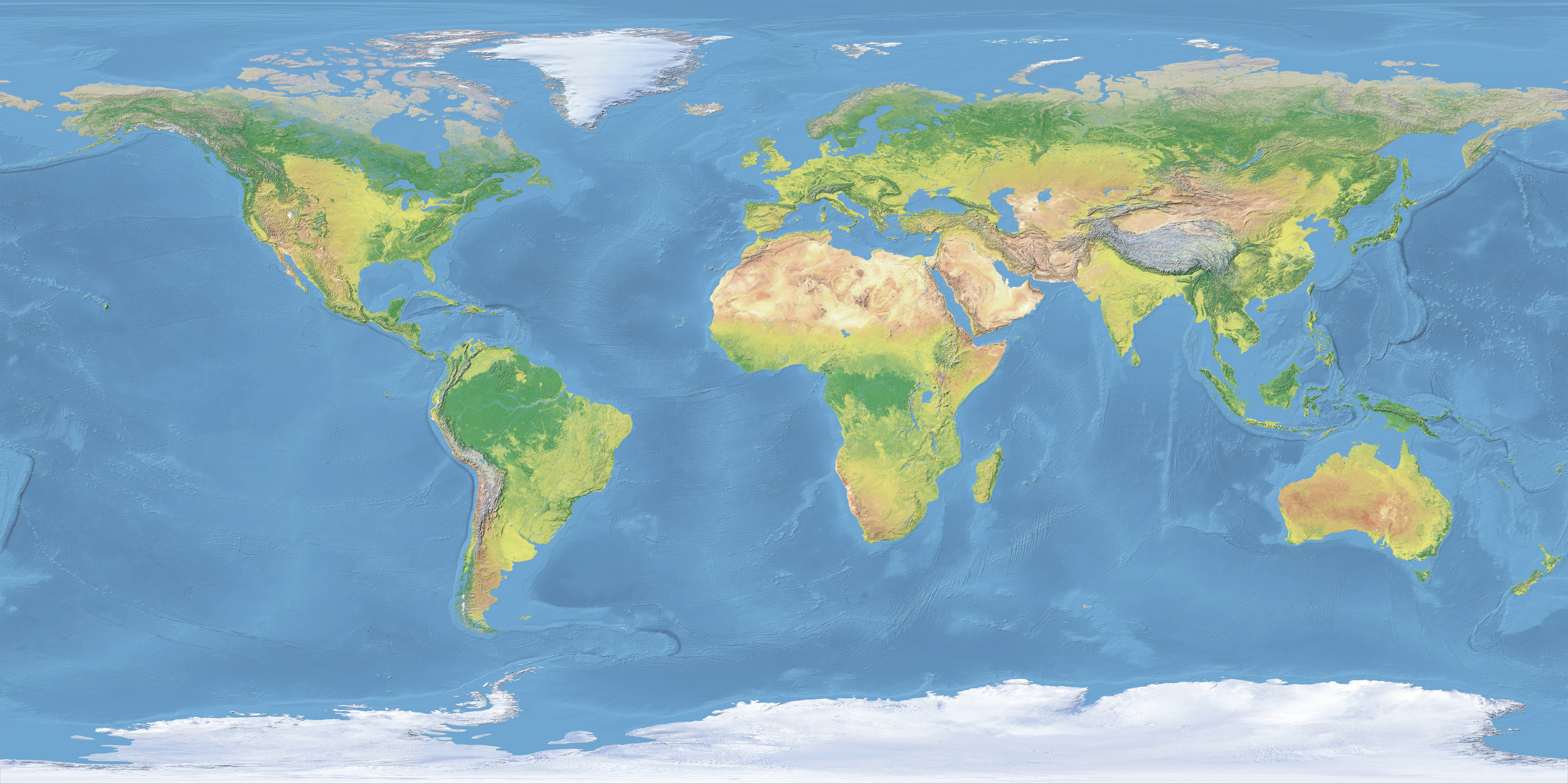
Students gain an appreciation for how many natural resources they depend on in their day-to-day lives. By tracing the resources that go into making one item, students learn how its manufacturing can have an impact on the environment.

By reading a story such as The Lorax by Dr. Seuss, students can examine the importance of conserving natural resources.

Nearly everything we buy comes in some sort of package. Students examine the pros and cons of different packaging and design an “ideal” package.