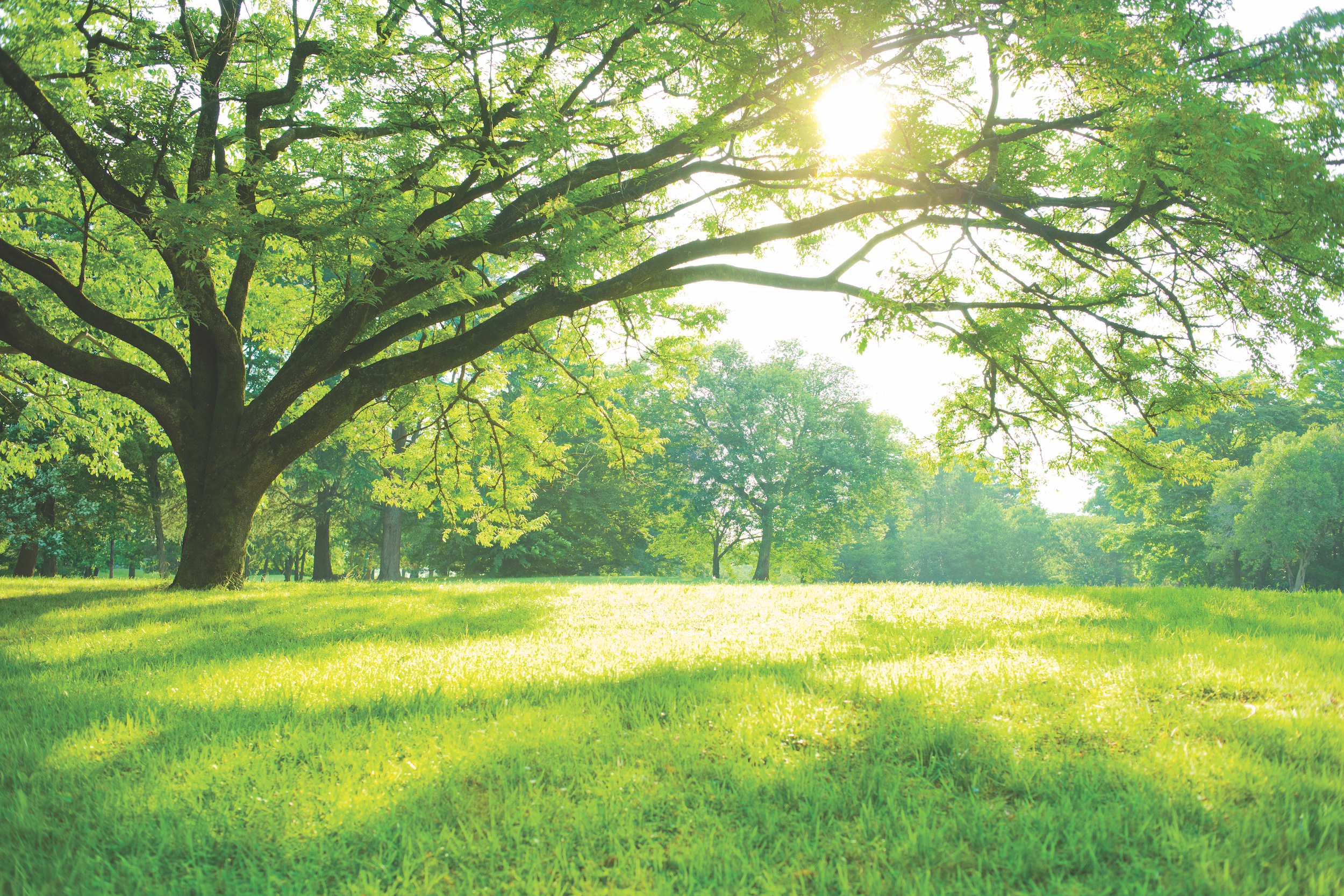
Every Tree for Itself
This fun and active modeling simulation reviews the conditions that trees need to live and grow, while also demonstrating that trees must compete to meet their needs.
This fun and active modeling simulation reviews the conditions that trees need to live and grow, while also demonstrating that trees must compete to meet their needs.
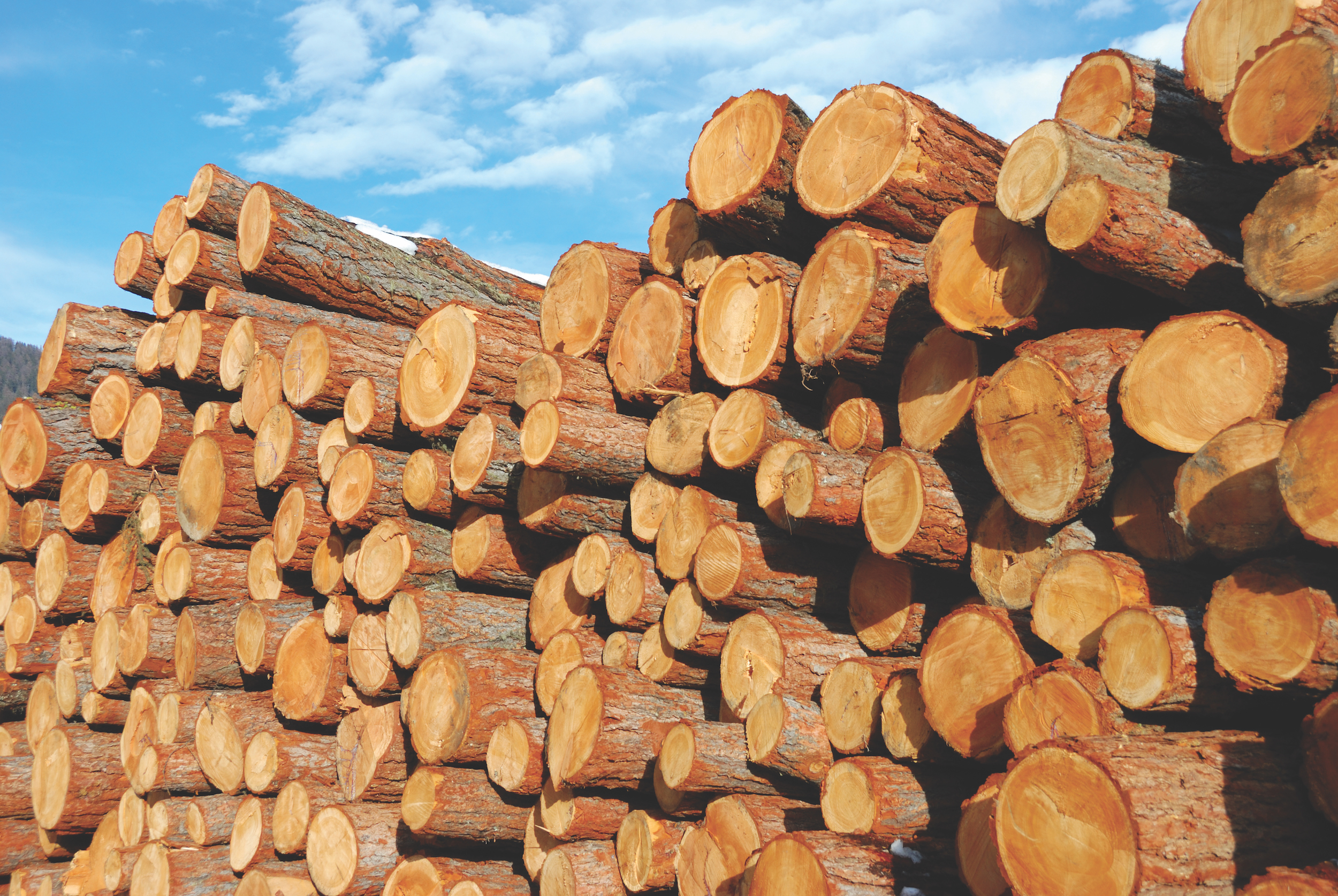
Students are often surprised to learn how many different products we get from trees. Use this activity to help students learn just how much we depend on trees in our daily lives.
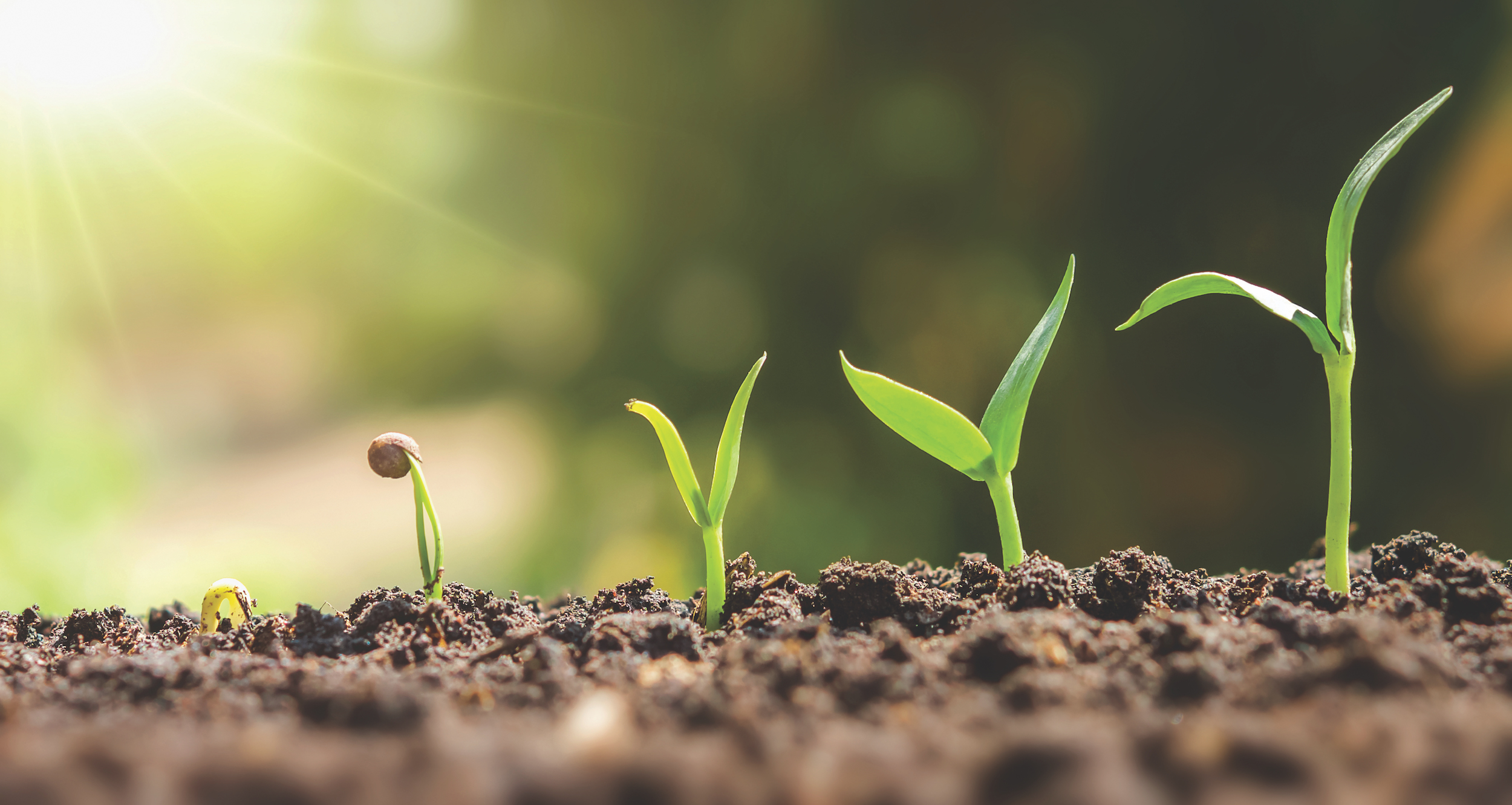
A plant is a biological system that needs sunlight, water, air, nutrients, and space in order to survive and thrive. Students conduct inquiry-based experiments to explore these essential plant requirements.
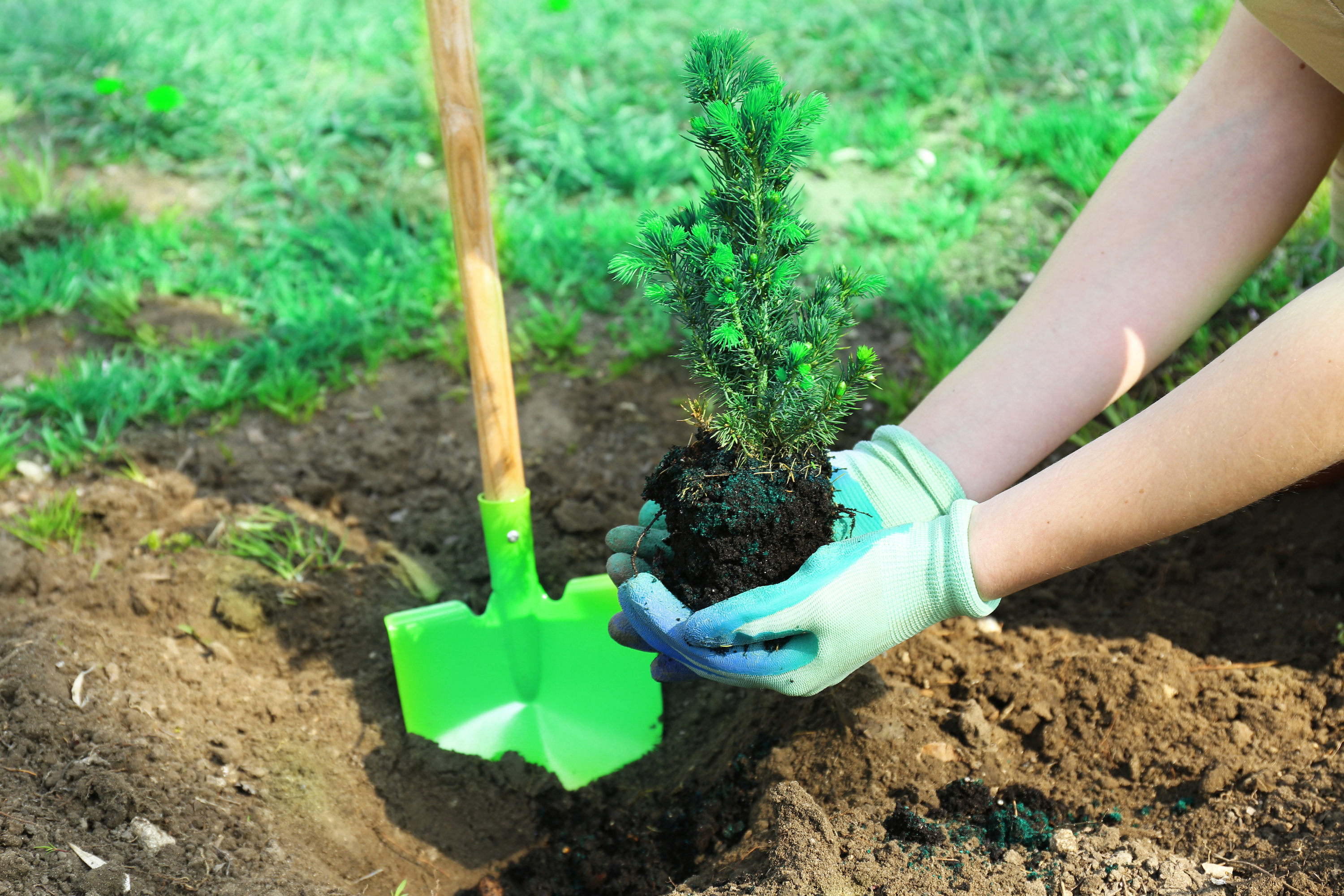
This Learn About Forest activity is perfect for forest sector professionals leading educational events, career days, or field visits with youth. Learners identify benefits we receive from trees and participate in a tree-planting event.
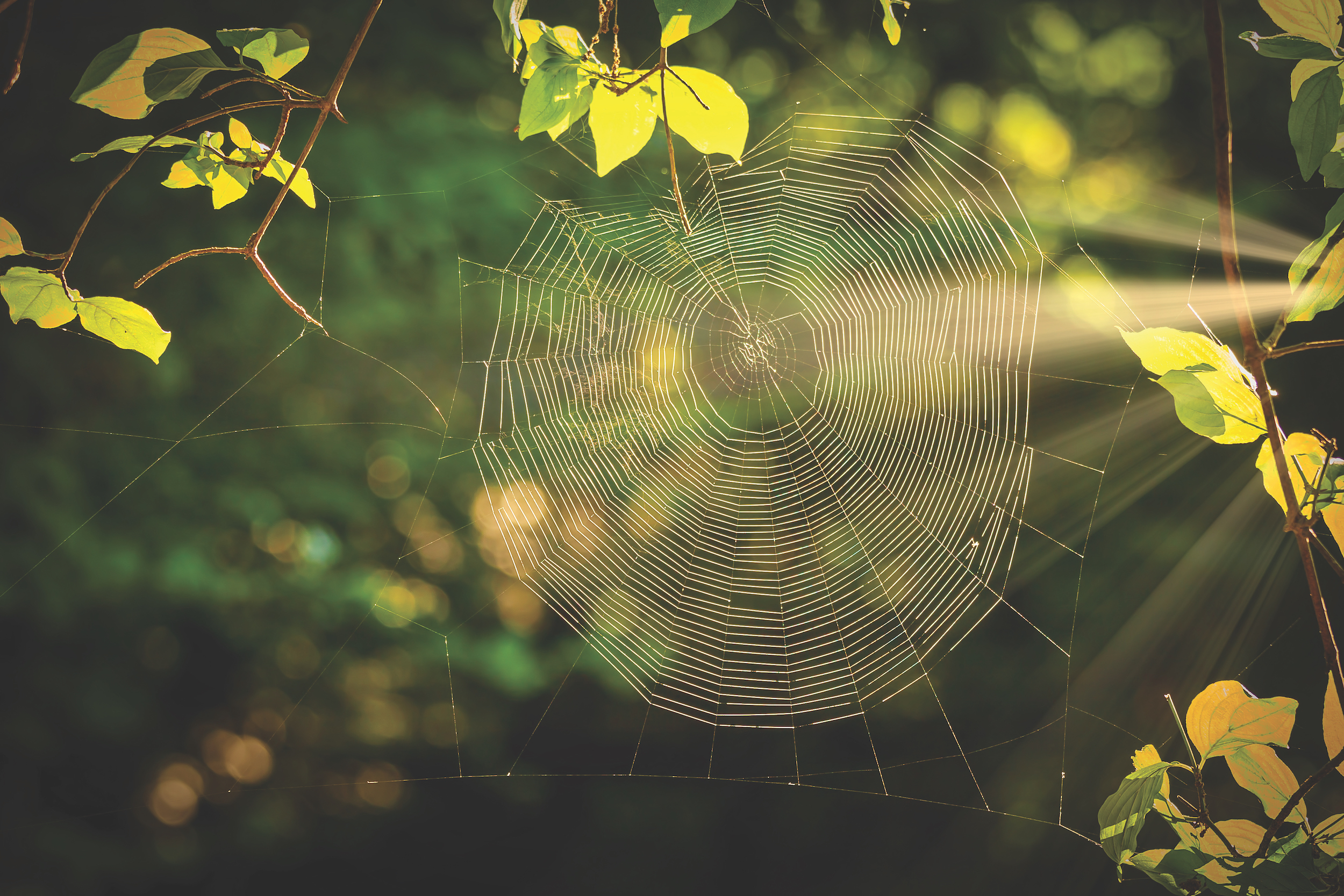
By conducting research and modeling a food web, students take a close look at a forest ecosystem and discover ways that plants and animals are connected to one another.
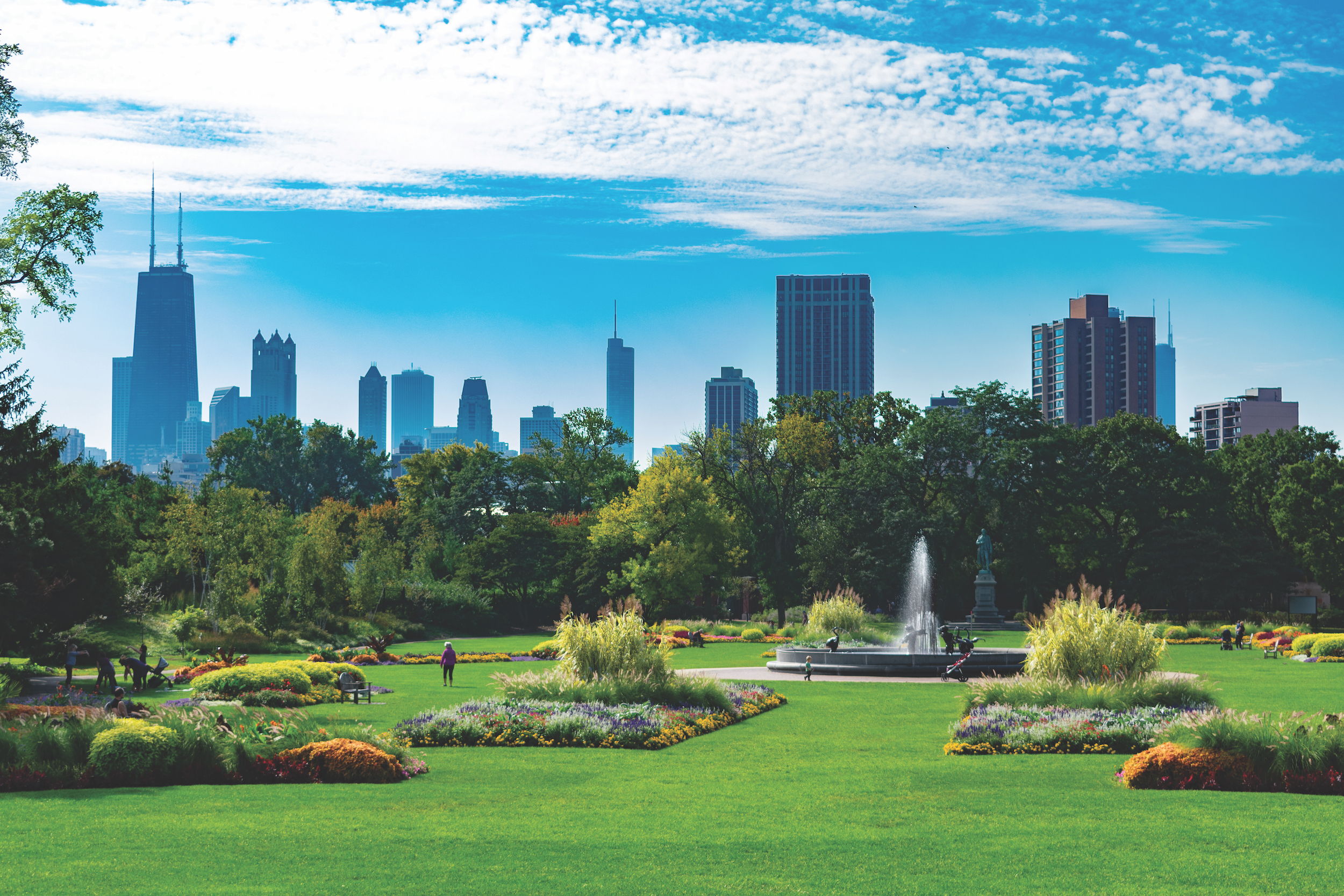
The trees in our communities provide many benefits: they improve air quality, store carbon, and conserve energy.
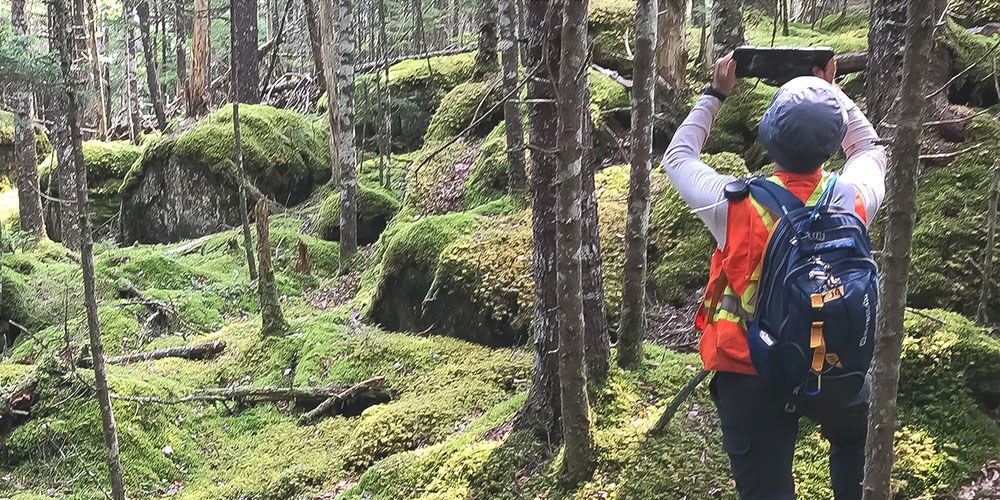
Acting as foresters, learners grapple with decisions about how to manage a forest sustainably while serving different needs.

Students use a carbon footprint calculator to analyze their personal effect on carbon dioxide (CO2) levels in the atmosphere, calculate the amount of carbon stored in a single tree, and explore how carbon sequestration can affect CO2 levels.