Did You Notice?
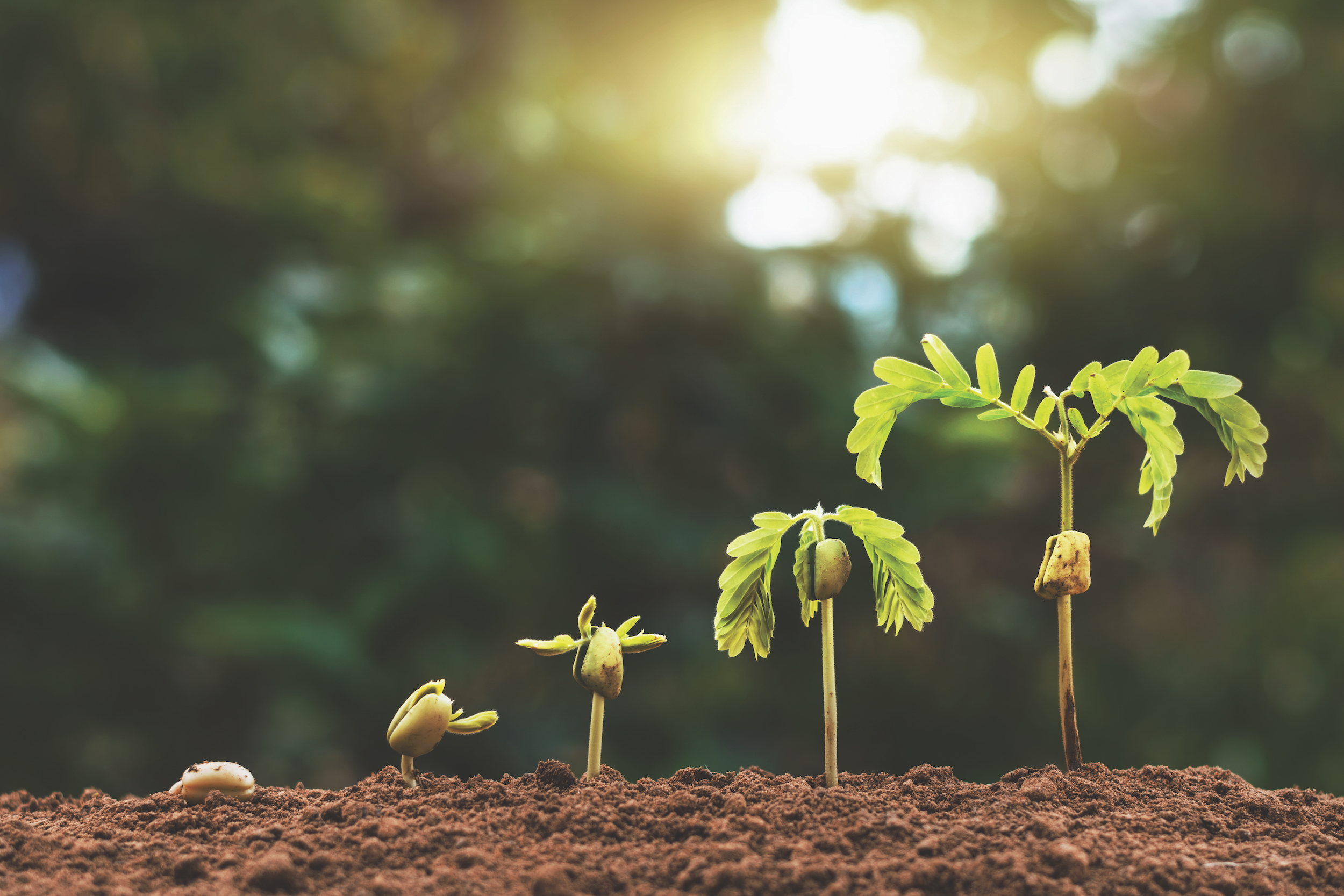
Students observe differences over time to learn that change in the environment can occur quickly, slowly, or not at all.
Students observe differences over time to learn that change in the environment can occur quickly, slowly, or not at all.
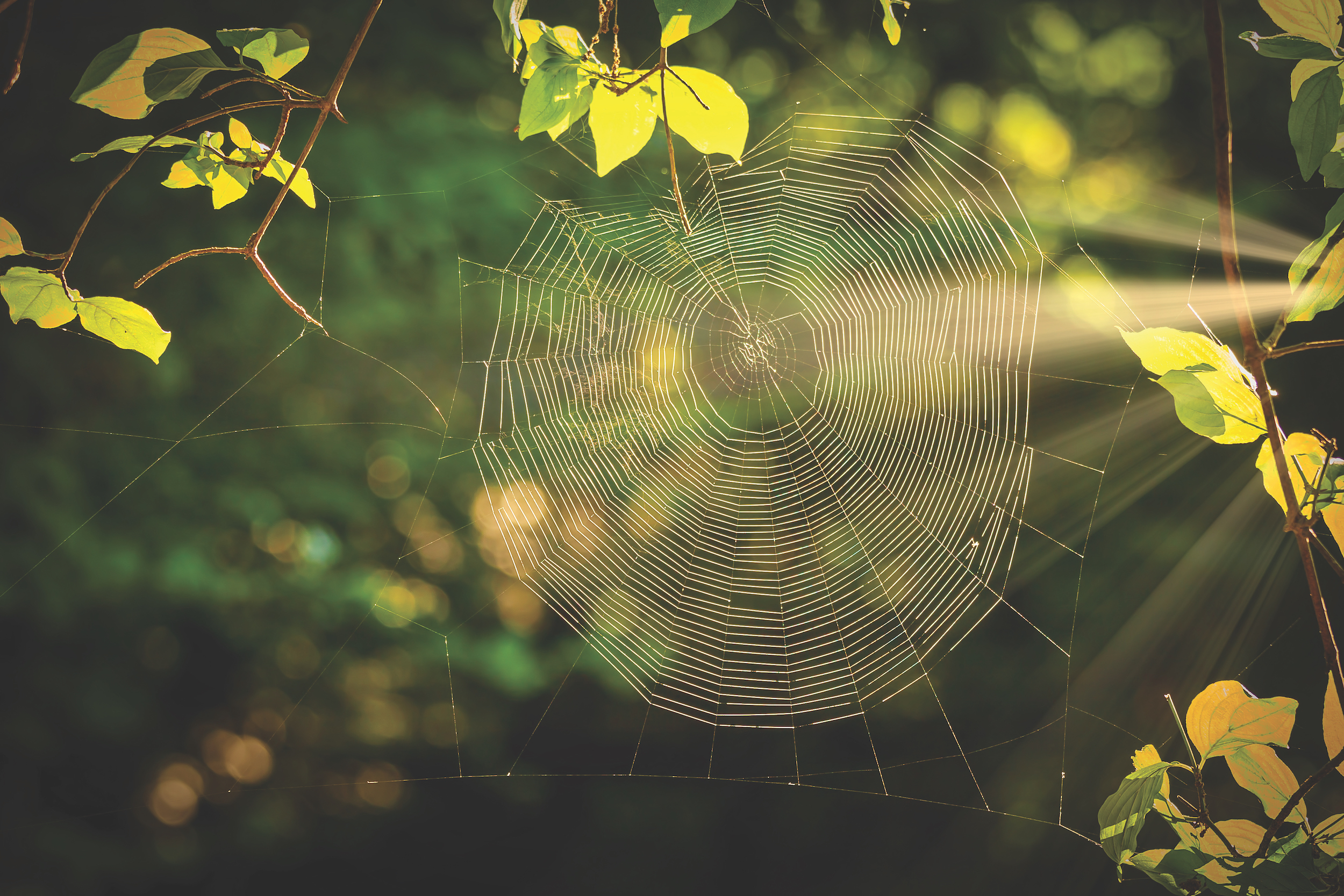
By conducting research and modeling a food web, students take a close look at a forest ecosystem and discover ways that plants and animals are connected to one another.

Students imagine that they are visitors from outer space, viewing life on Earth for the first time. By describing in minute detail all the life they find in a small plot of land, they will become more aware of the diversity and abundance of life.
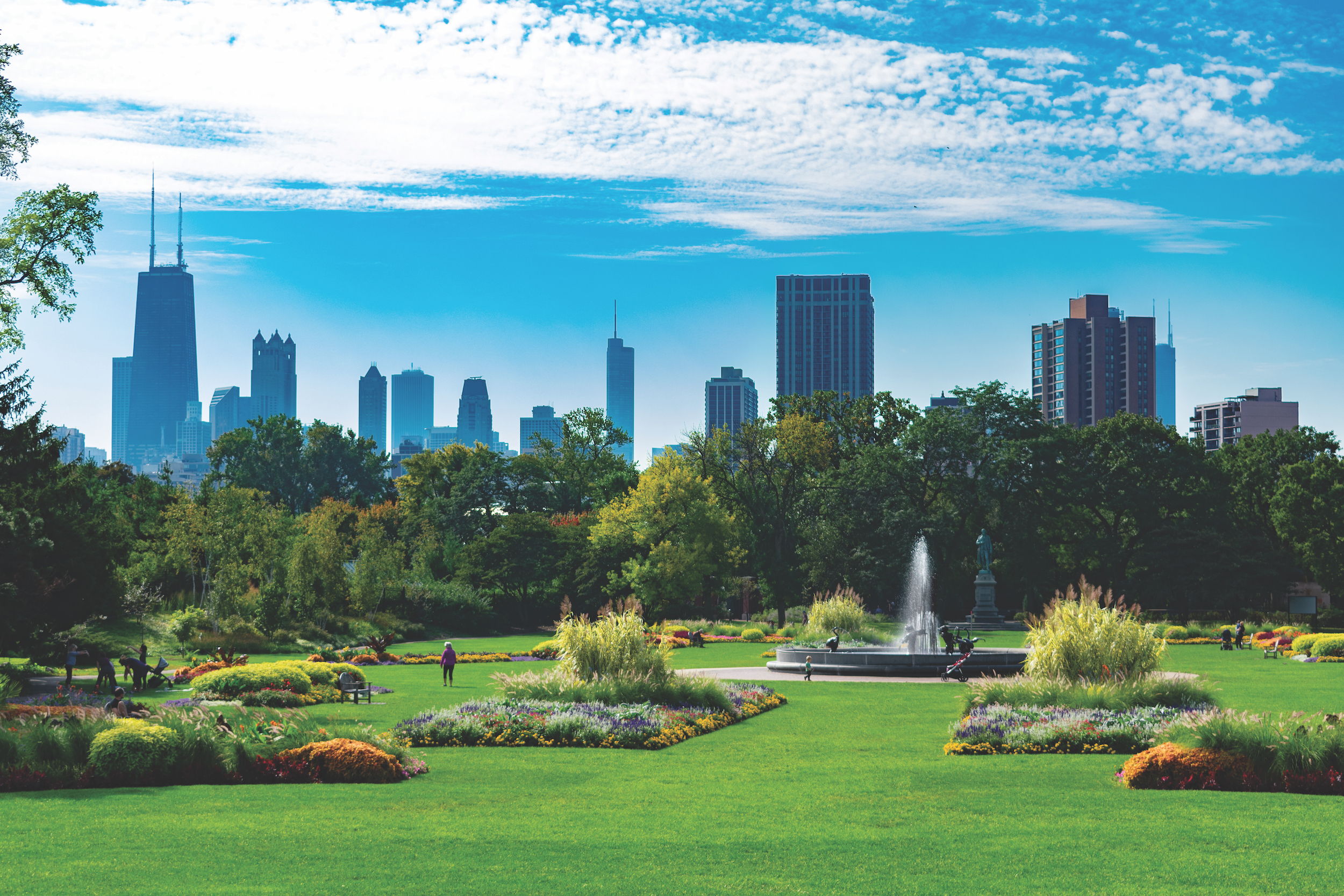
The trees in our communities provide many benefits: they improve air quality, store carbon, and conserve energy.
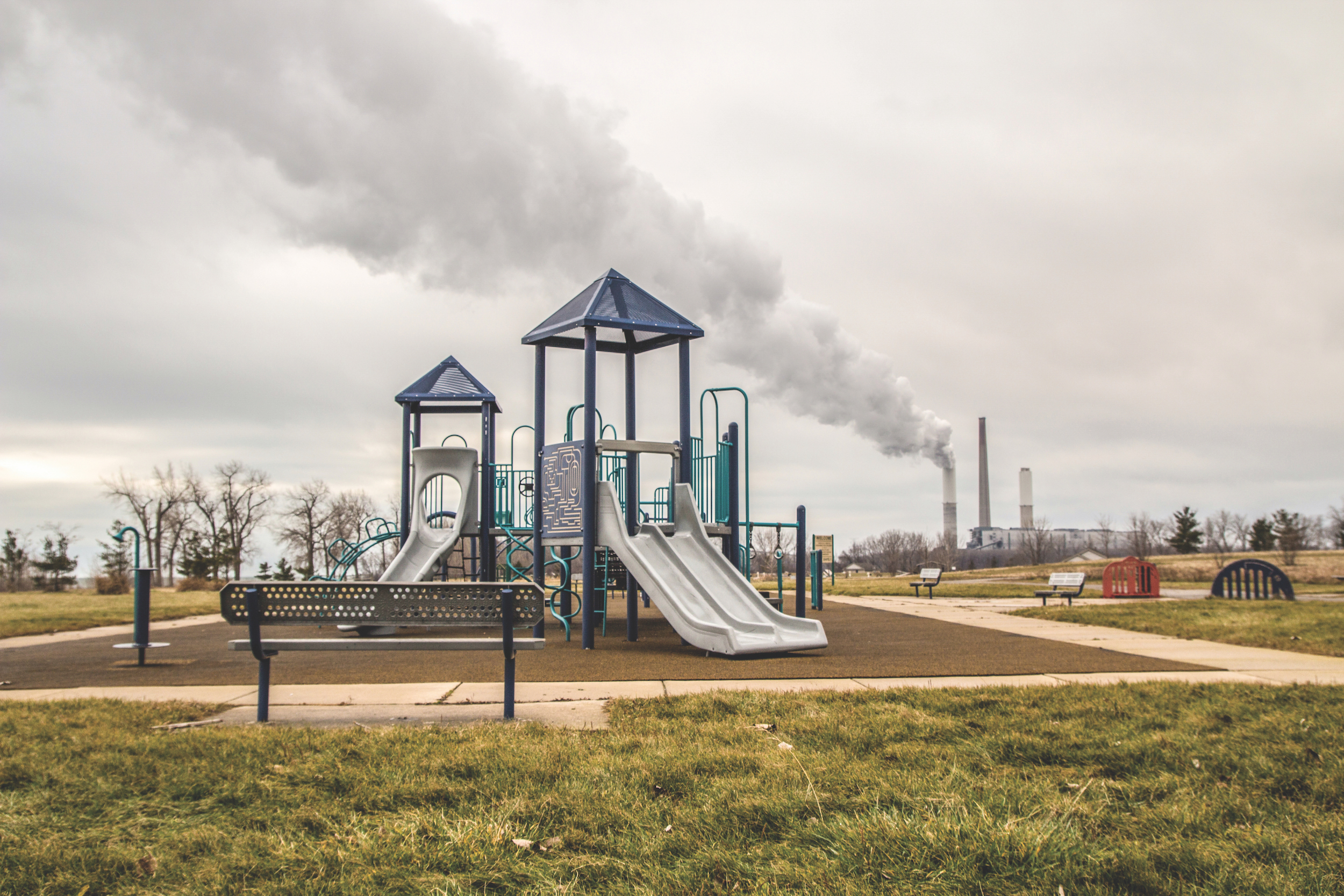
Everyone has an equal right to a healthy environment—but does everyone have a healthy environment?
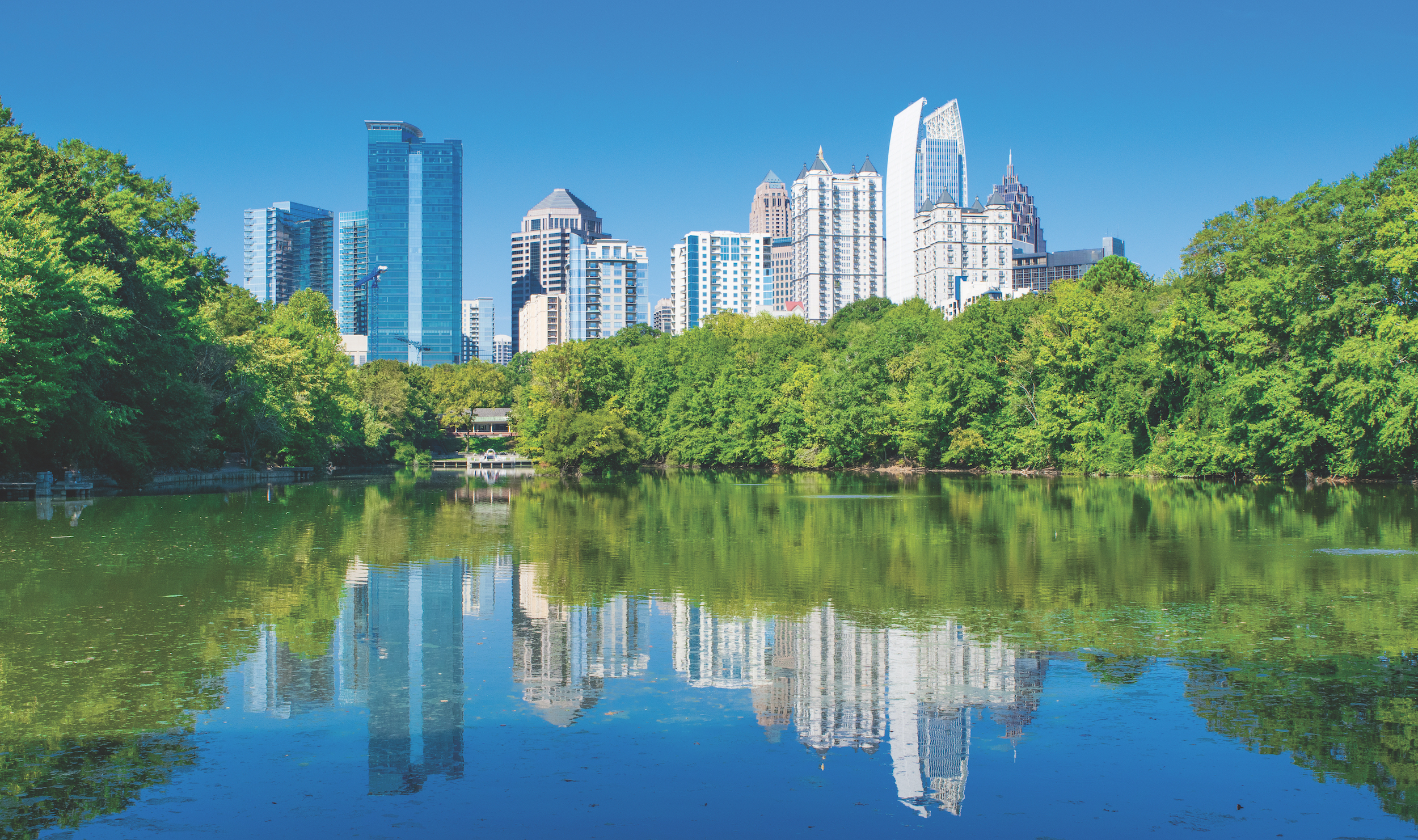
Decisions about community land use are complex and often involve many people in many ways. In this activity, students use trees as a backdrop to develop a land-use plan.
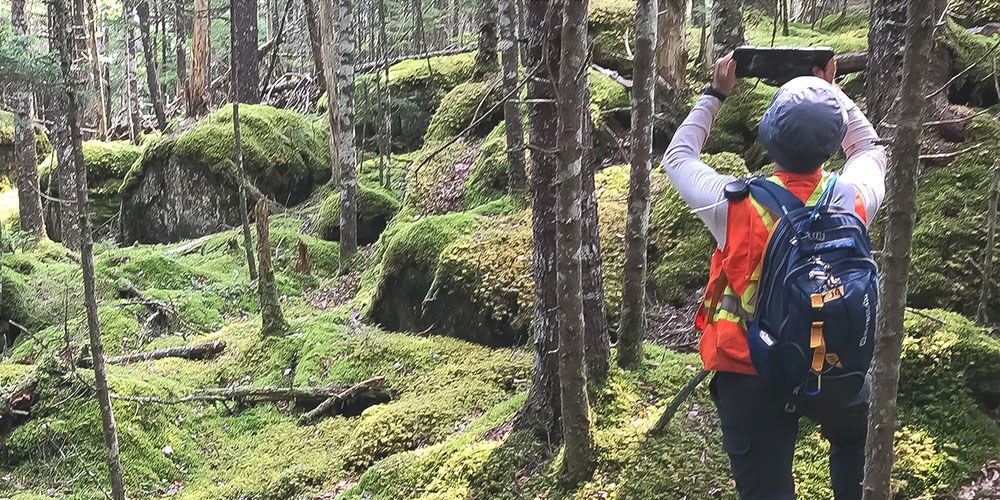
Acting as foresters, learners grapple with decisions about how to manage a forest sustainably while serving different needs.
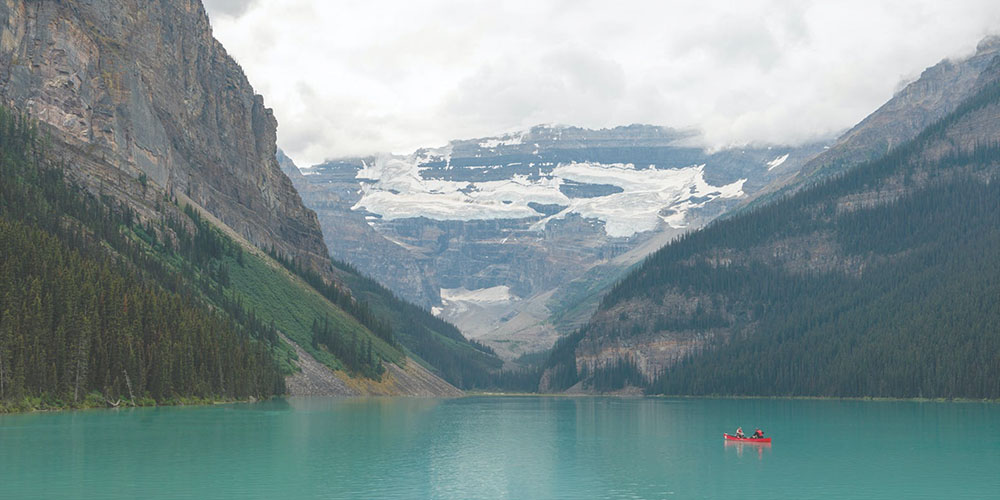
Students investigate and report on their connection with a special place and with their greater community.