Life on the Edge
Students model processes that can lead to species becoming rare or endangered. Then, they become advocates for rare or at-risk species of plants or animals and create “public relations campaigns” on behalf of these species.
Students model processes that can lead to species becoming rare or endangered. Then, they become advocates for rare or at-risk species of plants or animals and create “public relations campaigns” on behalf of these species.
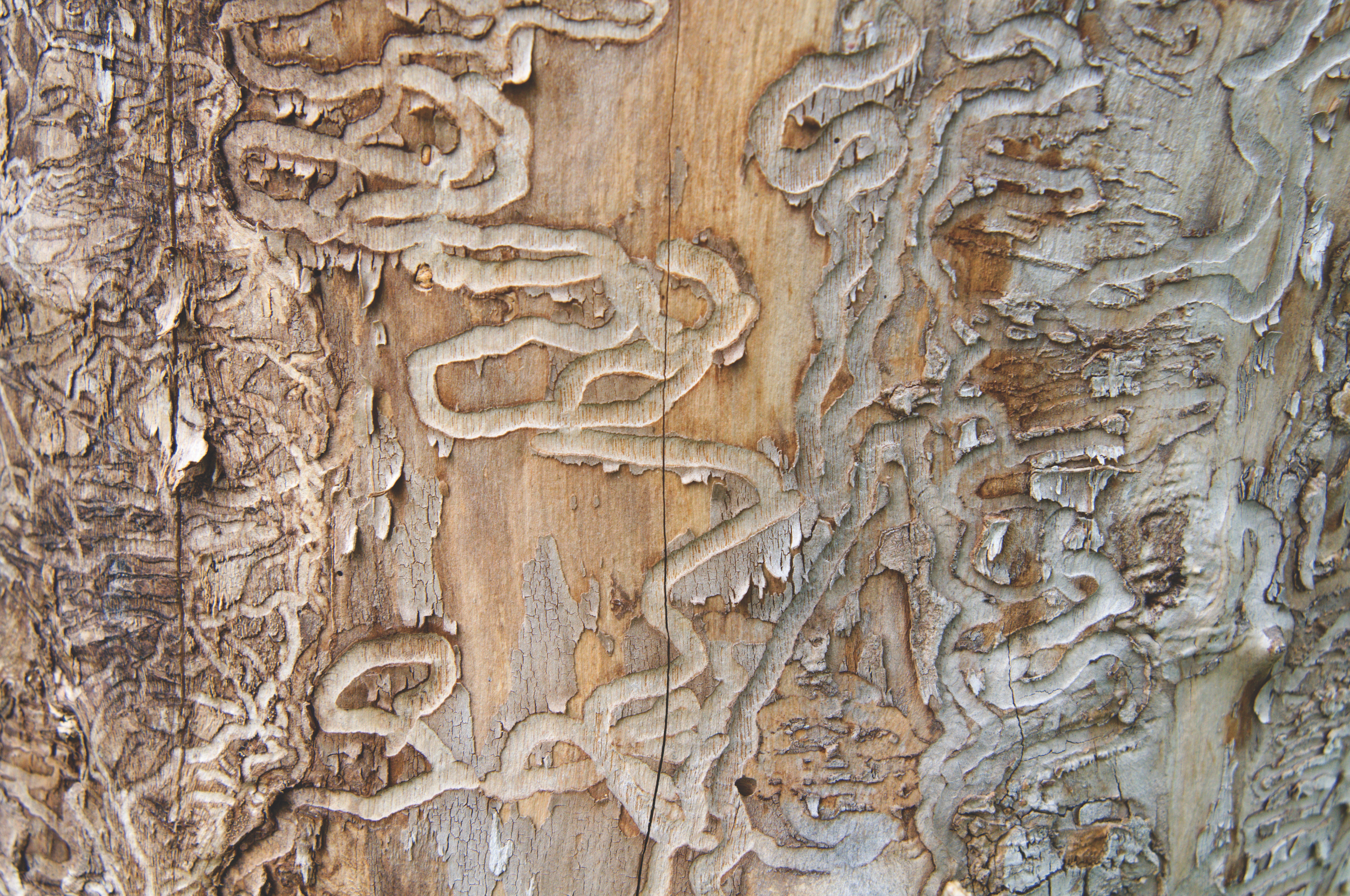
Throughout history, people have intentionally and unintentionally moved plant and animal species to new environments. Some of these species have proved beneficial, but others invade natural habitats, causing environmental and sometimes economic harm.
Students gain an appreciation for how many natural resources they depend on in their day-to-day lives. By tracing the resources that go into making one item, students learn how its manufacturing can have an impact on the environment.
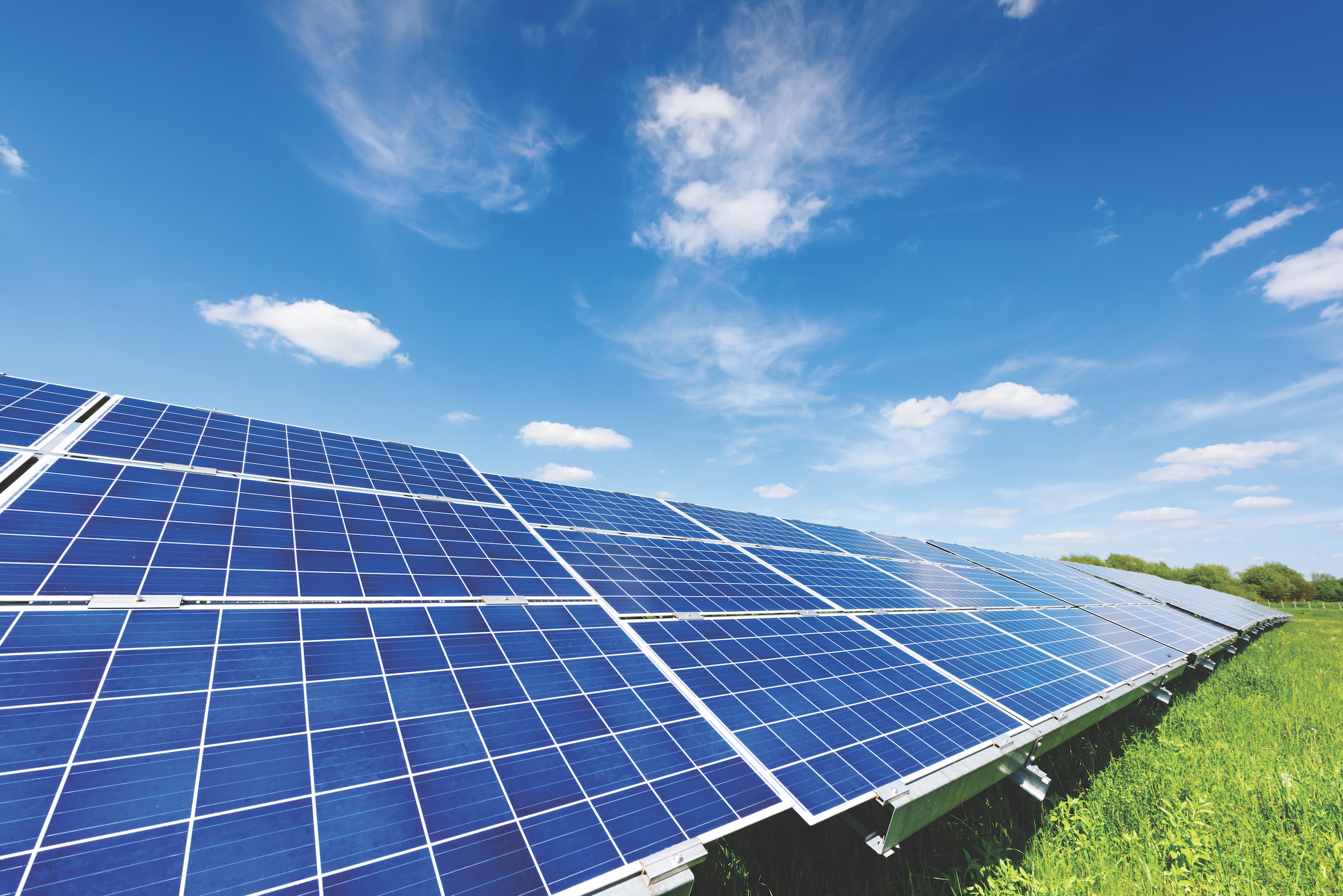
The energy we use at home, school, or work enhances our lives, but it also often contributes to air and water pollution, wildlife and habitat loss, and climate change.

Students learn about the papermaking process by trying it themselves. Students will find out that they can make their own paper and that their product is practical, as well as beautiful.
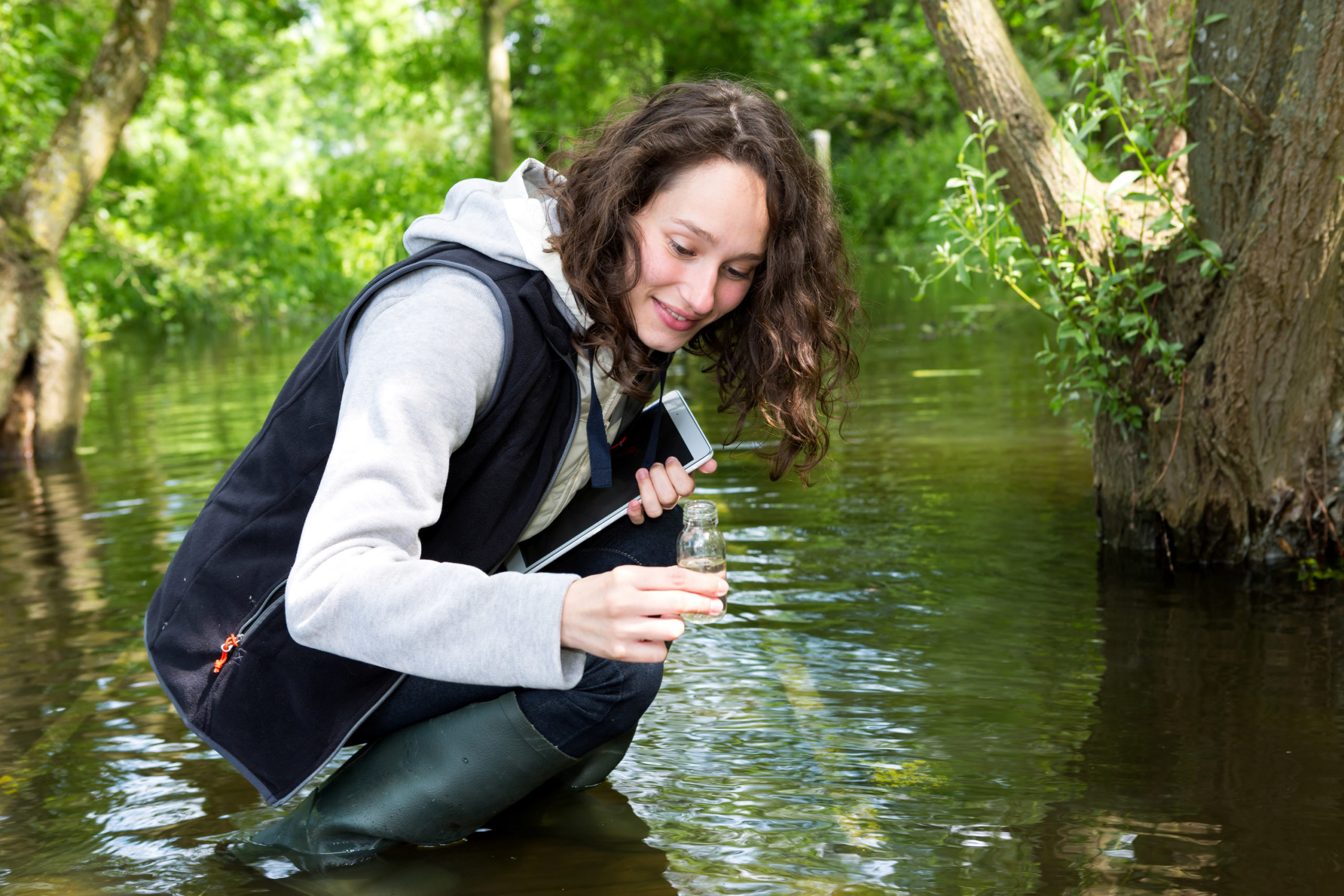
This Learn About Forest activity is perfect for forest sector professionals leading educational events, career days, or field visits with youth. Learners discover a range of forest-related careers that help to maintain forest ecosystems.
Students express their own views about forests and explore different perspectives by reading excerpts from the writings of different authors.
Students use a carbon footprint calculator to analyze their personal effect on carbon dioxide (CO2) levels in the atmosphere, calculate the amount of carbon stored in a single tree, and explore how carbon sequestration can affect CO2 levels.
Students identify local watersheds and their forest cover, analyze a specific watershed in Maine, and evaluate the extent to which their own community’s water supply is affected by forests and forest management.
Students read and discuss several short articles and will propose solutions to real-life forest dilemmas.