December 28, 2020 | By Project Learning Tree
Students explore the environmental, social, and economic criteria of forest certification and consider possible benefits and limitations of certification for both forests and people.
December 28, 2020 | By Project Learning Tree
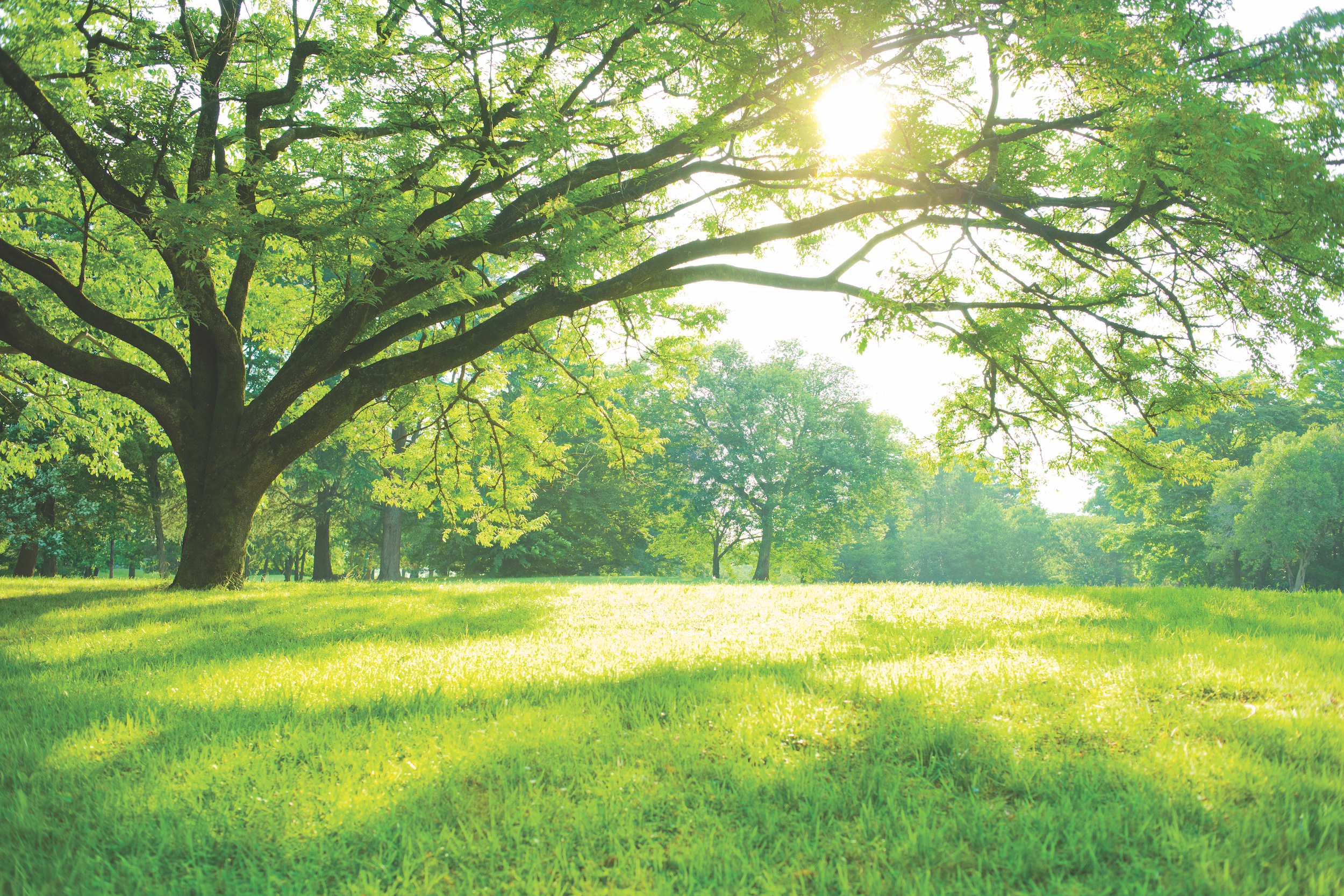
Never underestimate the power of a tree! In addition to giving us an amazing array of paper and wood products, trees provide a host of other benefits—from shading our backyards to reducing air pollution to helping stabilize the global climate.
December 28, 2020 | By Project Learning Tree
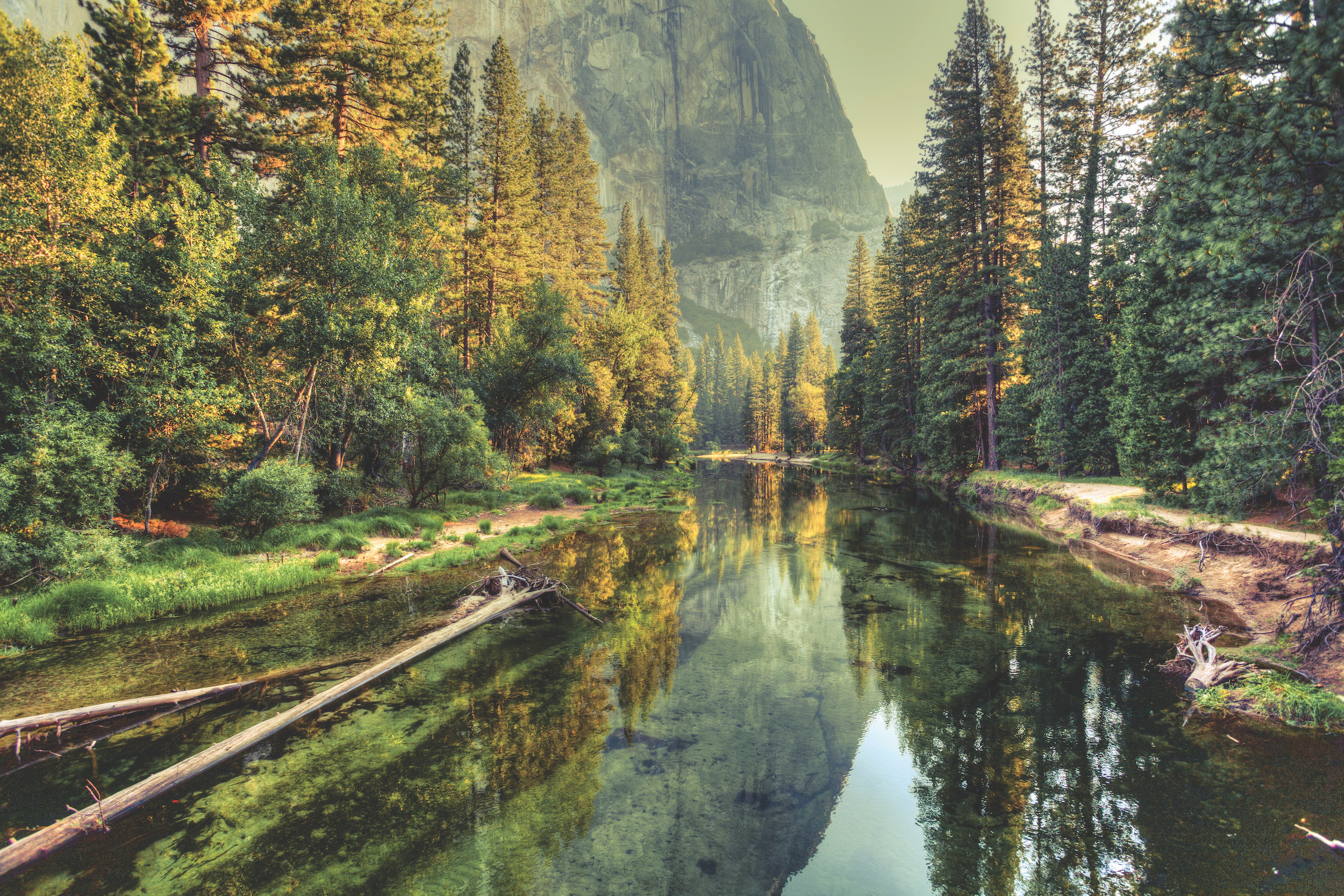
Our nation’s forests are managed to support different outcomes. Students learn how forests can be managed to meet human and environmental needs and examine national parks to identify challenges that forest managers face meeting different needs.
December 28, 2020 | By Project Learning Tree
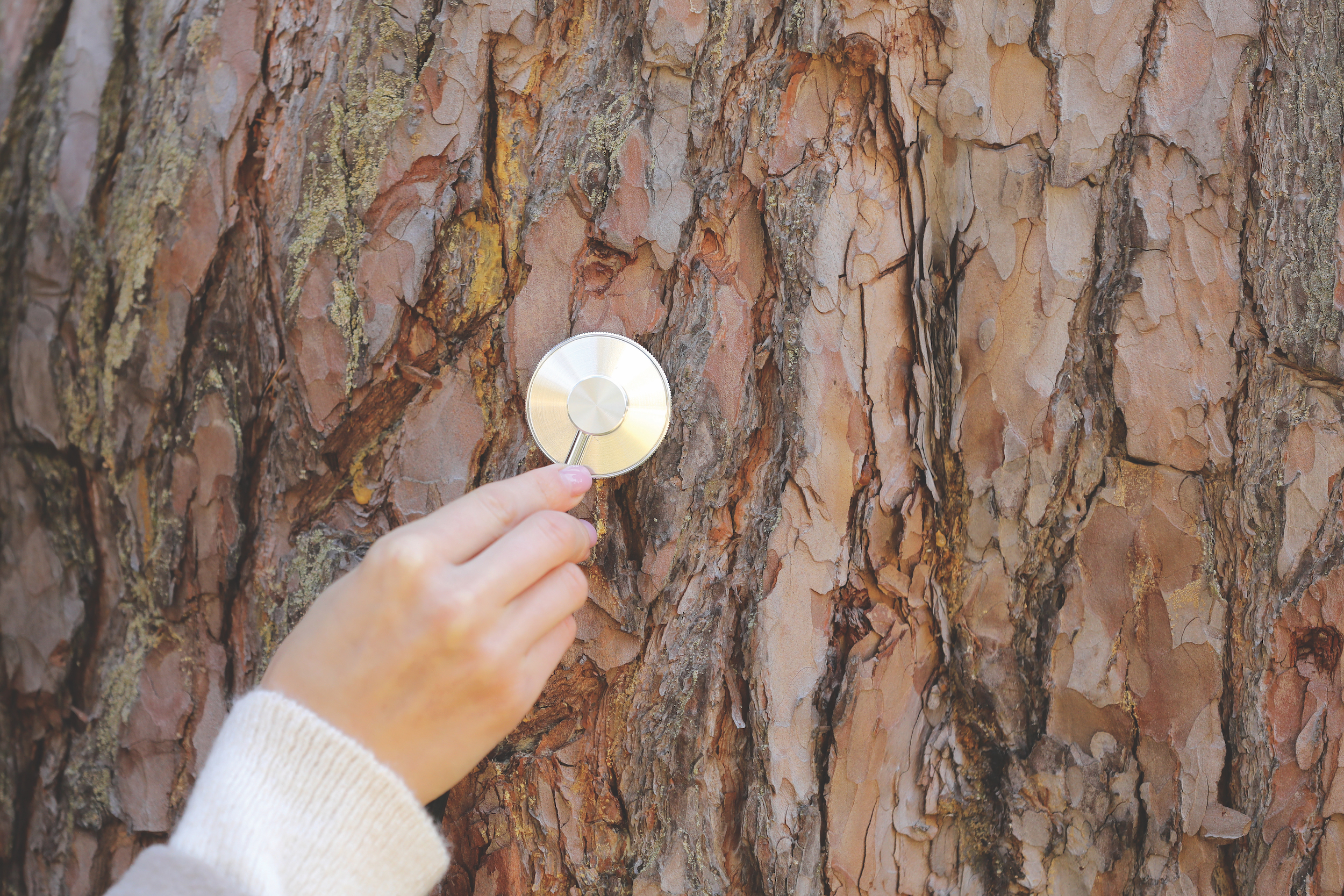
Students examine trees for signs of damage or poor health and investigate conditions that may cause trees and other plants to become unhealthy.
December 28, 2020 | By Project Learning Tree
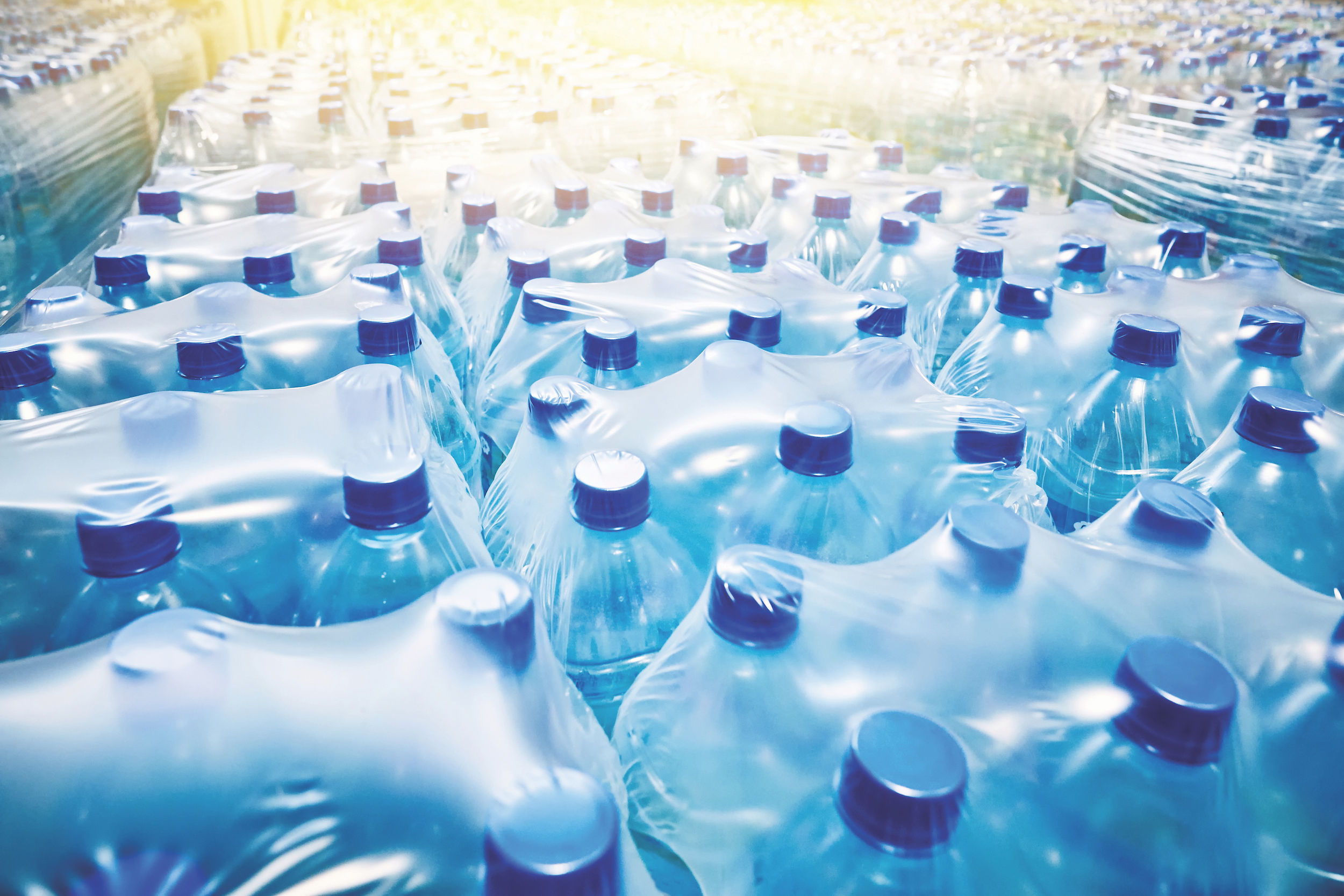
Nearly everything we buy comes in some sort of package. Students examine the pros and cons of different packaging and design an “ideal” package.
December 28, 2020 | By Project Learning Tree
This fun and active modeling simulation reviews the conditions that trees need to live and grow, while also demonstrating that trees must compete to meet their needs.
December 28, 2020 | By Project Learning Tree
A plant is a biological system containing processes and components that enable it to grow and reproduce. By observing, collecting, and classifying seeds, students examine one aspect of a plant’s reproductive system.
December 28, 2020 | By Project Learning Tree
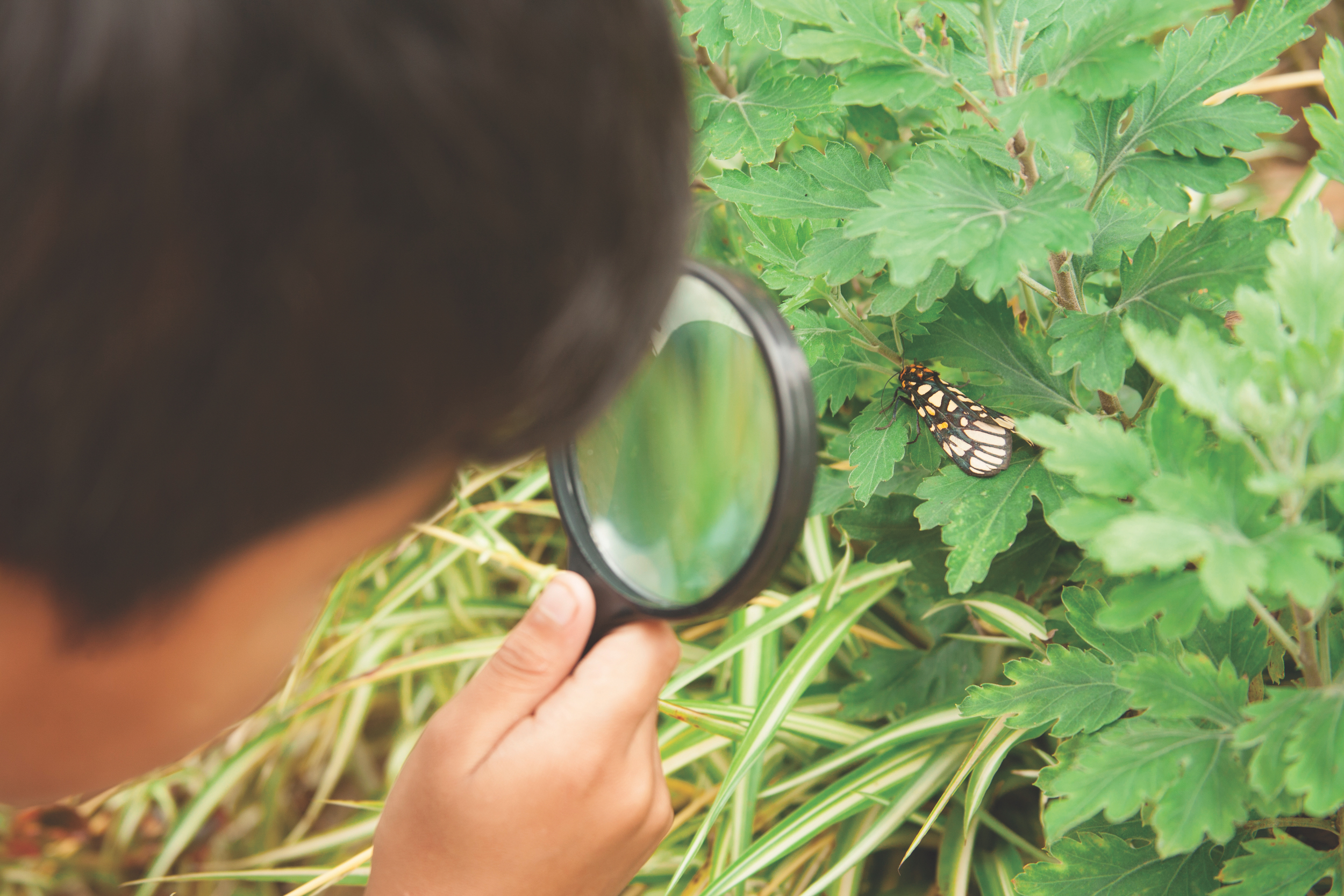
Every organism needs food, water, shelter, and space. A place that meets all these needs is called a habitat. Students will explore a nearby habitat—their backyard, schoolyard, or other outdoor setting—to look for signs of animals living there.
October 14, 2019 | By Project Learning Tree
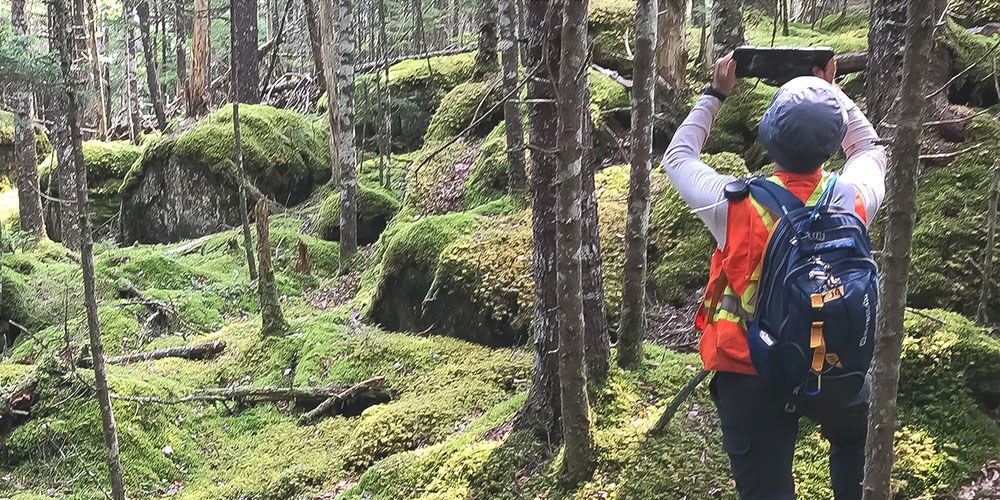
Learners explore the concept of sustainability by examining the United Nations’ 17 Sustainable Development Goals, while also taking a look at some jobs involved in ensuring forest sustainability.