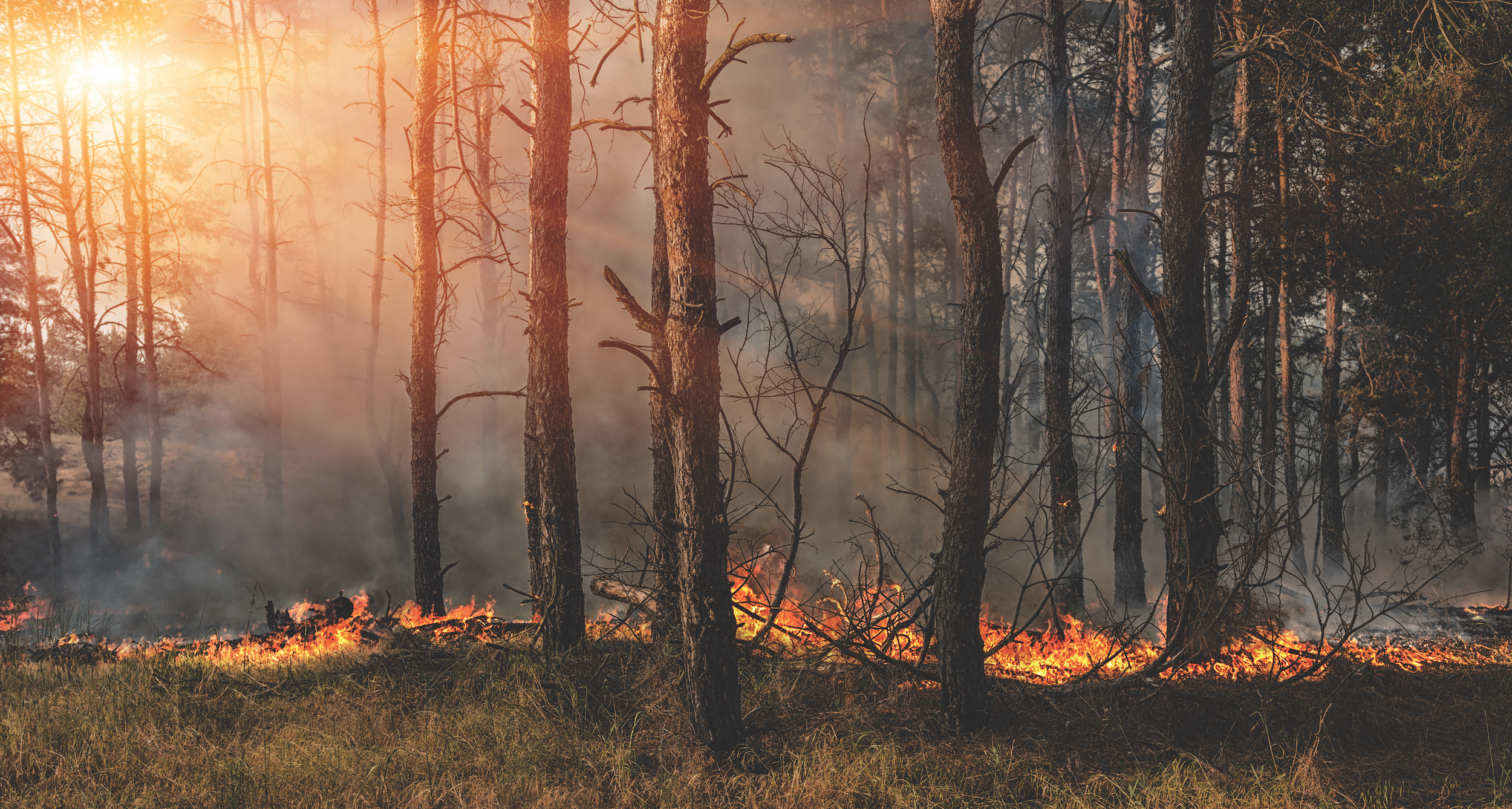
Living with Fire
Students learn about the three elements a fire needs to burn and find out how this “fire triangle” can be used to prevent and manage wildland fires, particularly in the wildland–urban interface.
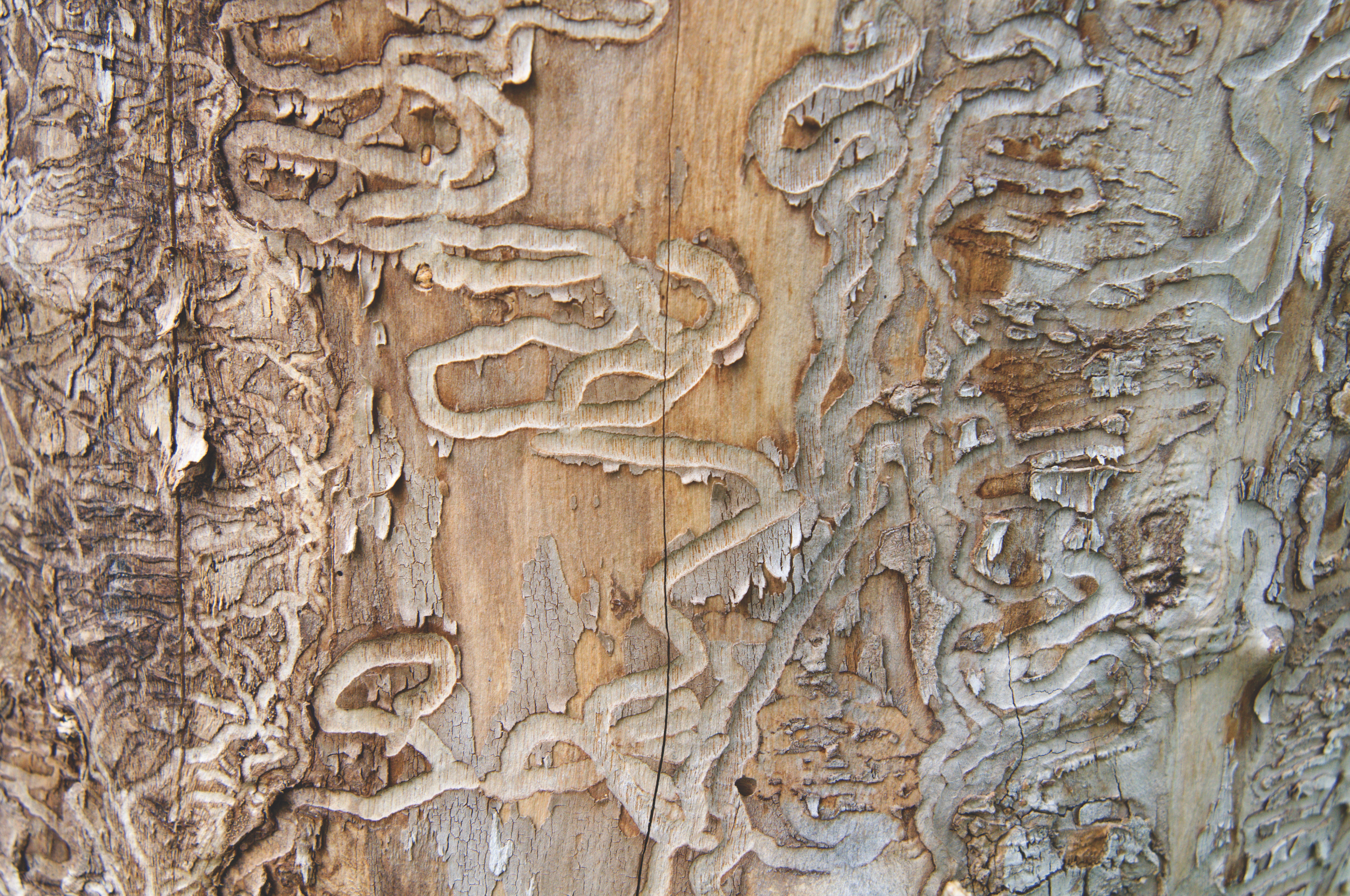
Students learn about the three elements a fire needs to burn and find out how this “fire triangle” can be used to prevent and manage wildland fires, particularly in the wildland–urban interface.
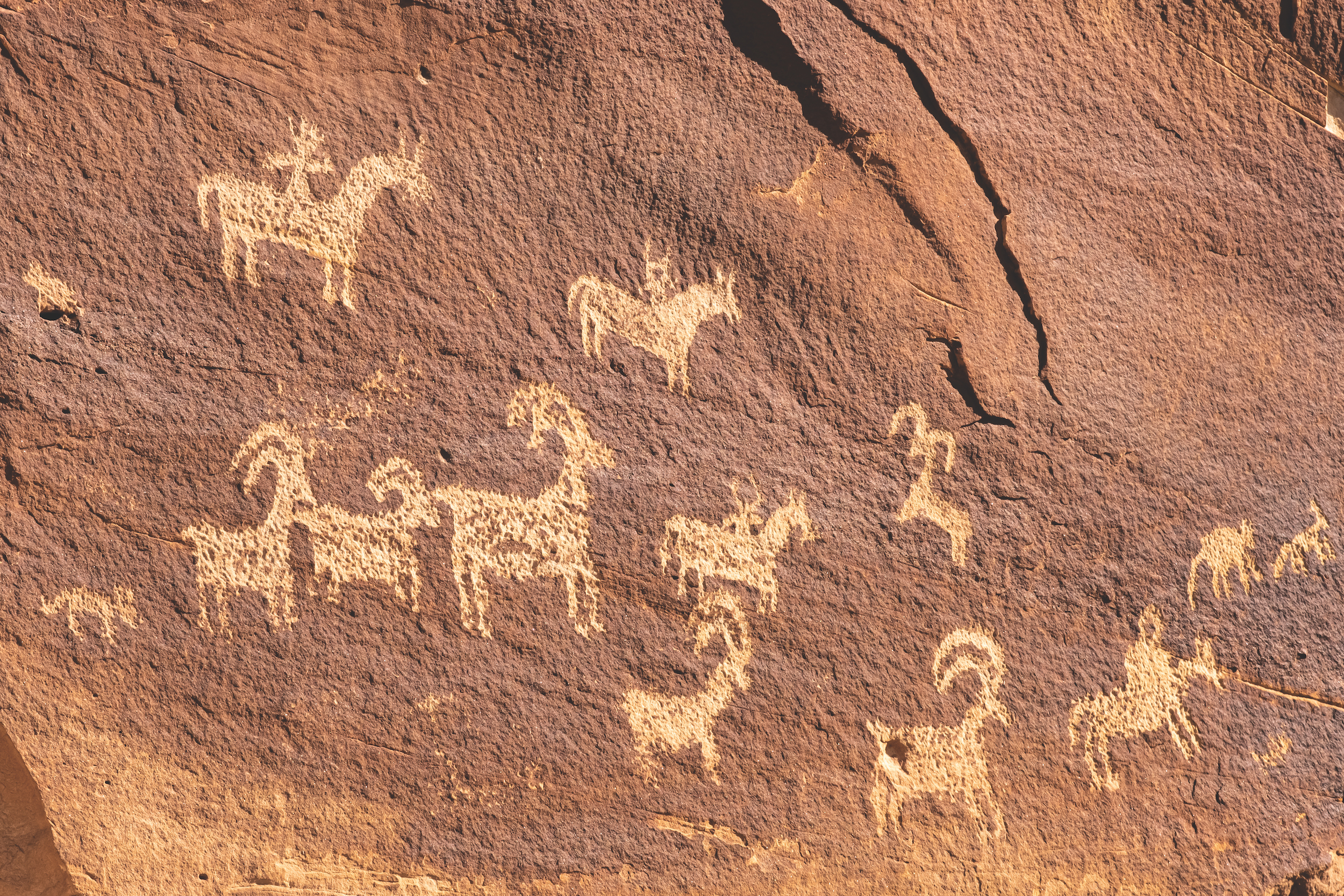
Throughout history, people have intentionally and unintentionally moved plant and animal species to new environments. Some of these species have proved beneficial, but others invade natural habitats, causing environmental and sometimes economic harm.
Students play the role of forest manager for a 400-acre (162-hectare) public forest, exploring the complex factors that influence management decisions about forest lands.
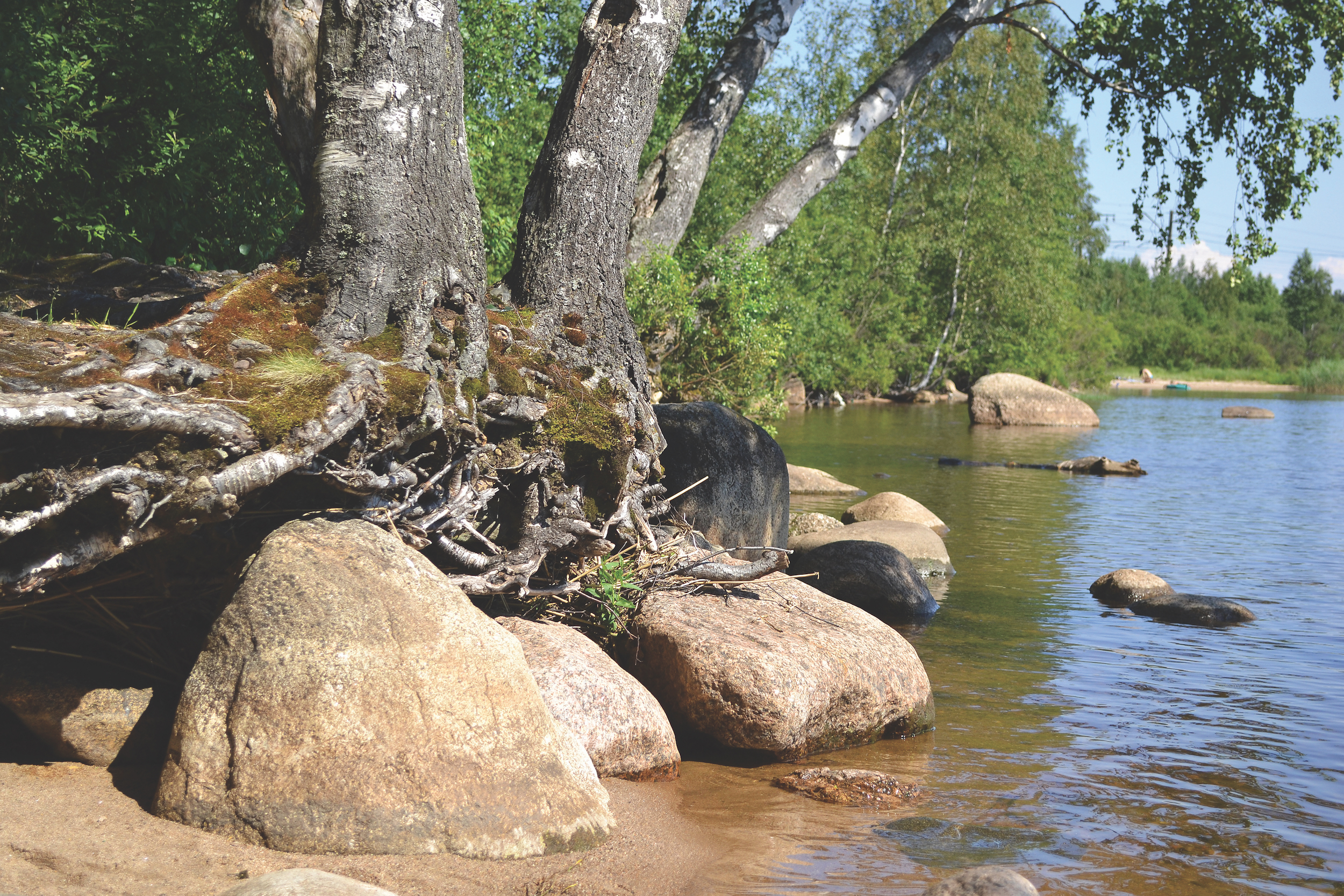
Students conduct a field study of three different environments as they focus on sunlight, soil moisture, temperature, wind, water flow, plants, and animals in each environment.

It’s amazing how many things live in and on rotting logs. In this activity, your students will become familiar with some of those organisms by observing fallen logs or other decomposing pieces of wood.

From their leafy branches to their tangled roots, trees provide habitat for a host of plants and animals. Students will inventory the plants and animals that live in, on, and around trees and discover how plants and animals depend on them.
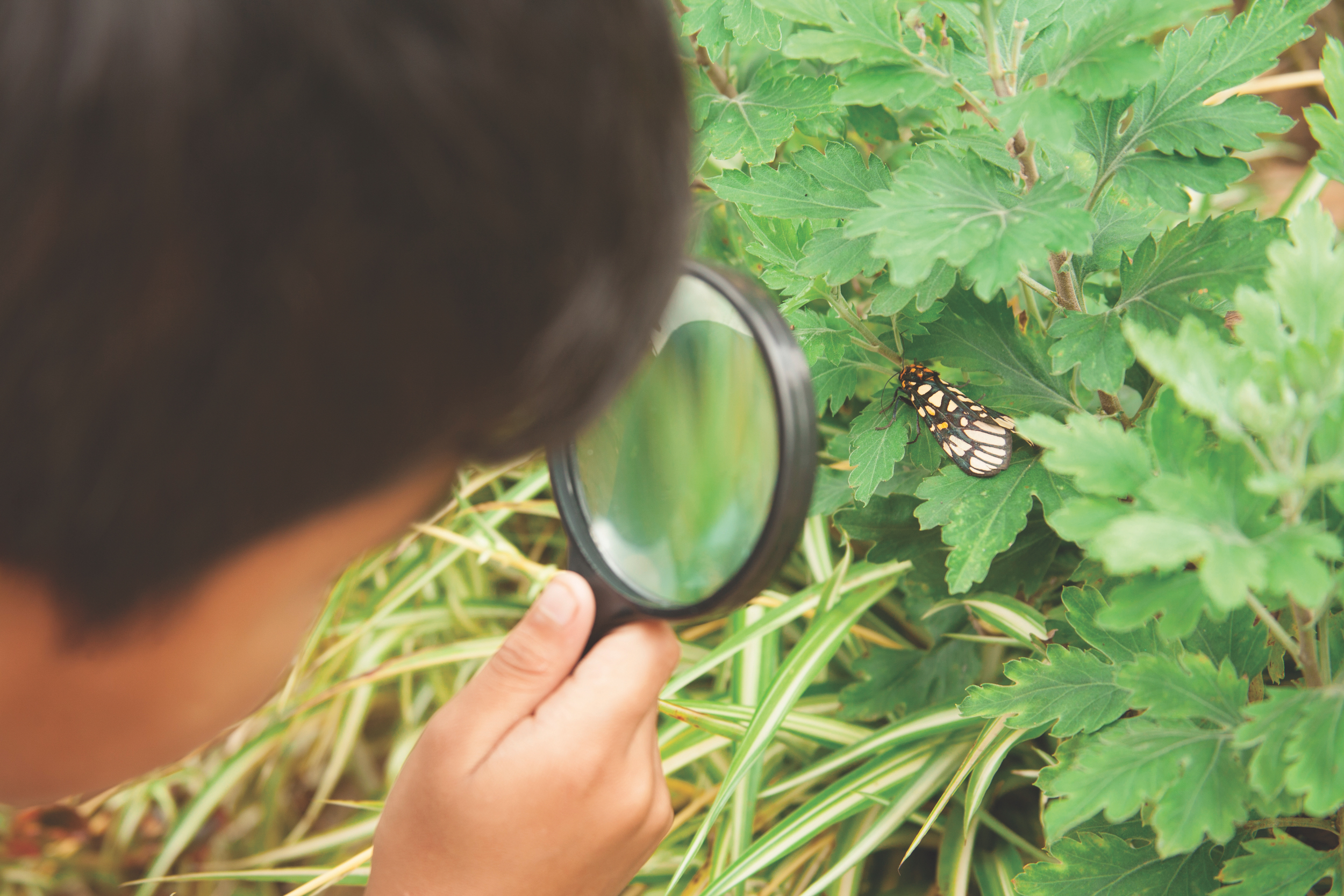
Every organism needs food, water, shelter, and space. A place that meets all these needs is called a habitat. Students will explore a nearby habitat—their backyard, schoolyard, or other outdoor setting—to look for signs of animals living there.
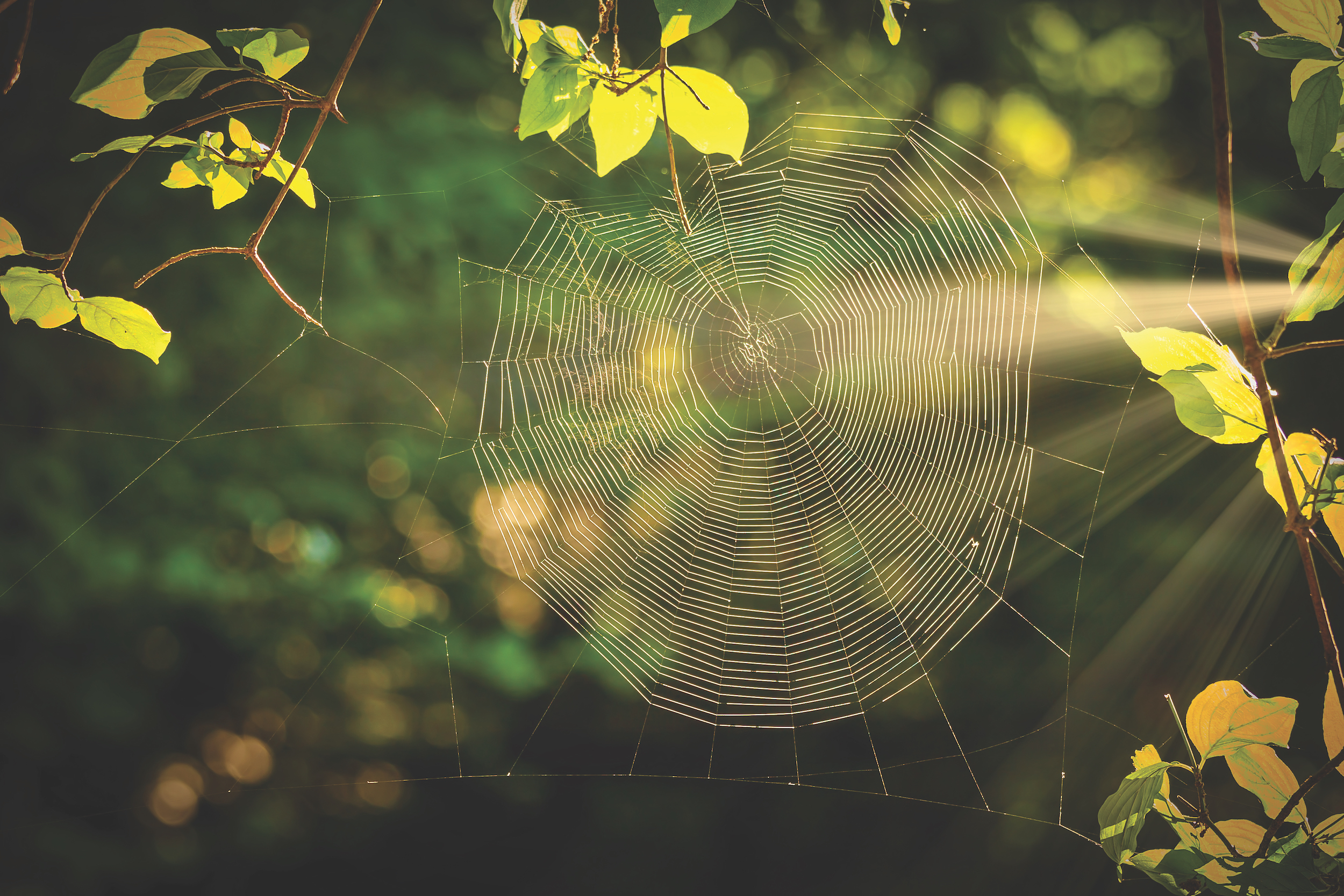
By conducting research and modeling a food web, students take a close look at a forest ecosystem and discover ways that plants and animals are connected to one another.

Students imagine that they are visitors from outer space, viewing life on Earth for the first time. By describing in minute detail all the life they find in a small plot of land, they will become more aware of the diversity and abundance of life.
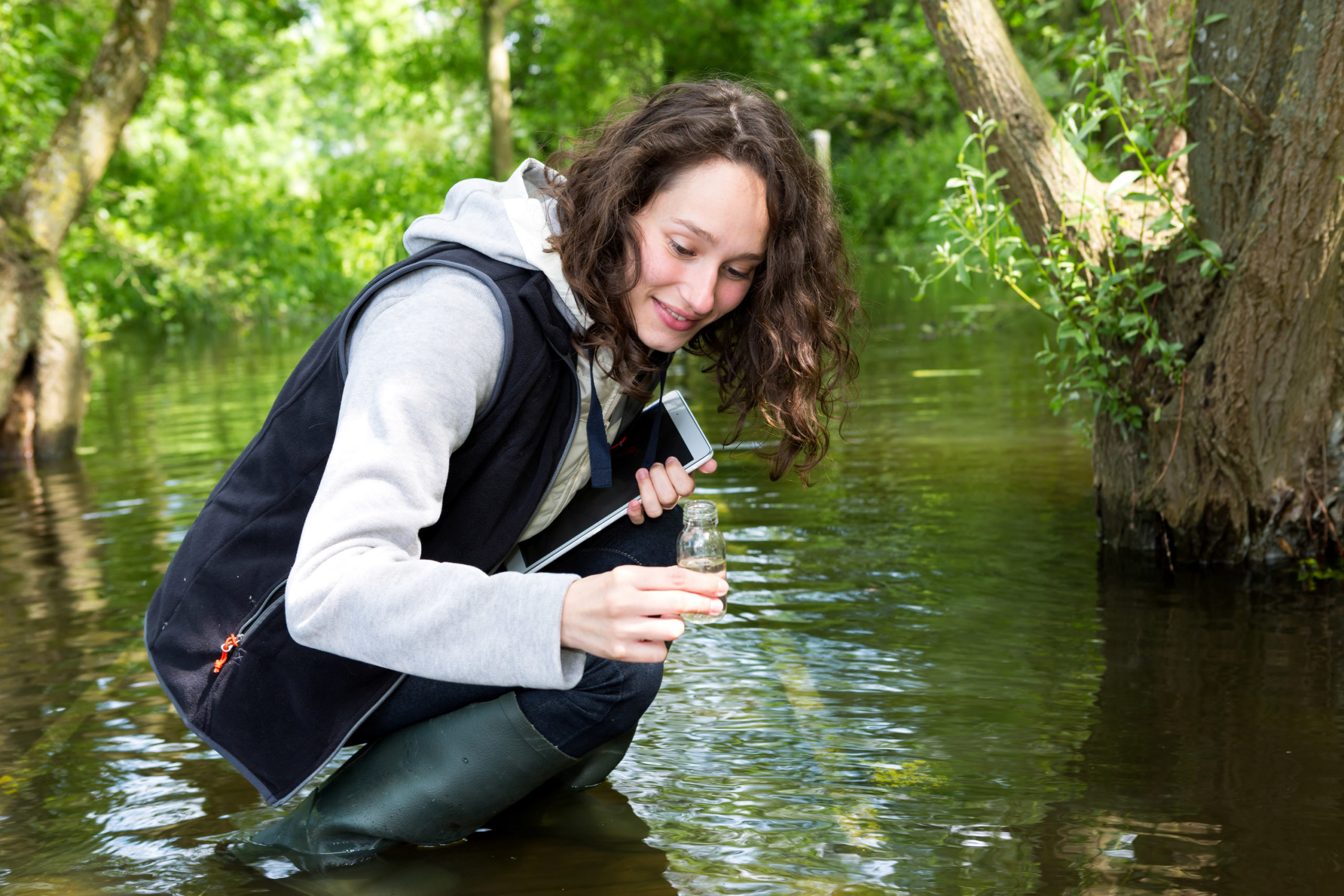
This Learn About Forest activity is perfect for forest sector professionals leading educational events, career days, or field visits with youth. Learners discover a range of forest-related careers that help to maintain forest ecosystems.