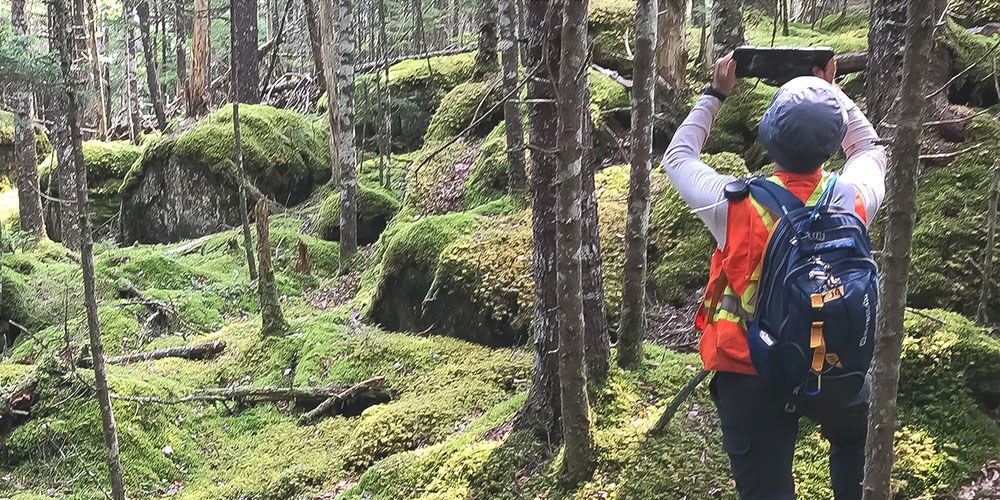
If You Were the Boss
Acting as foresters, learners grapple with decisions about how to manage a forest sustainably while serving different needs.
Acting as foresters, learners grapple with decisions about how to manage a forest sustainably while serving different needs.
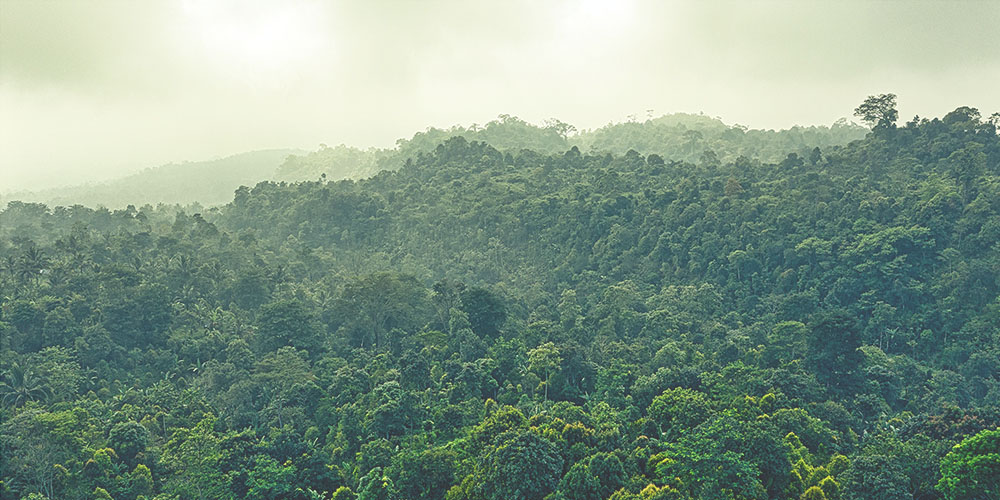
Students explore their connections to the world’s forests by researching a forest in another country or region and by creating a profile about that forest.
Students consider indicators that a forest is sustainable, and learn about one international initiative for monitoring forest sustainability. They also find out what is being done locally and in other countries to determine sustainability.
Students analyze factors that can change forests by using data sets, maps and other information. They also examine projections about future climate conditions and explore how these factors may change forests in the 21st century.
A holistic system of global ecological zones is now used to classify the world’s forests. In this activity, students examine this system to see how temperature and moisture determine the type of forest in a given locale.

Students identify local watersheds and their forest cover, analyze a specific watershed in Maine, and evaluate the extent to which their own community’s water supply is affected by forests and forest management.
Students learn about the role of fire in forest ecosystems, examine issues of fire in the wildland-urban interface, and conduct a wildfire safety assessment in their community.
Students research forest ownership in the United States, interview forest landowners about changes they have experienced, and analyze scenarios to learn about the complexities of intergenerational forestland transfer.
Students learn about succession by studying the reestablishment of ecological communities following the 1980 volcanic eruption of Mount St. Helens and by setting up experimental plots to observe successional changes over time.