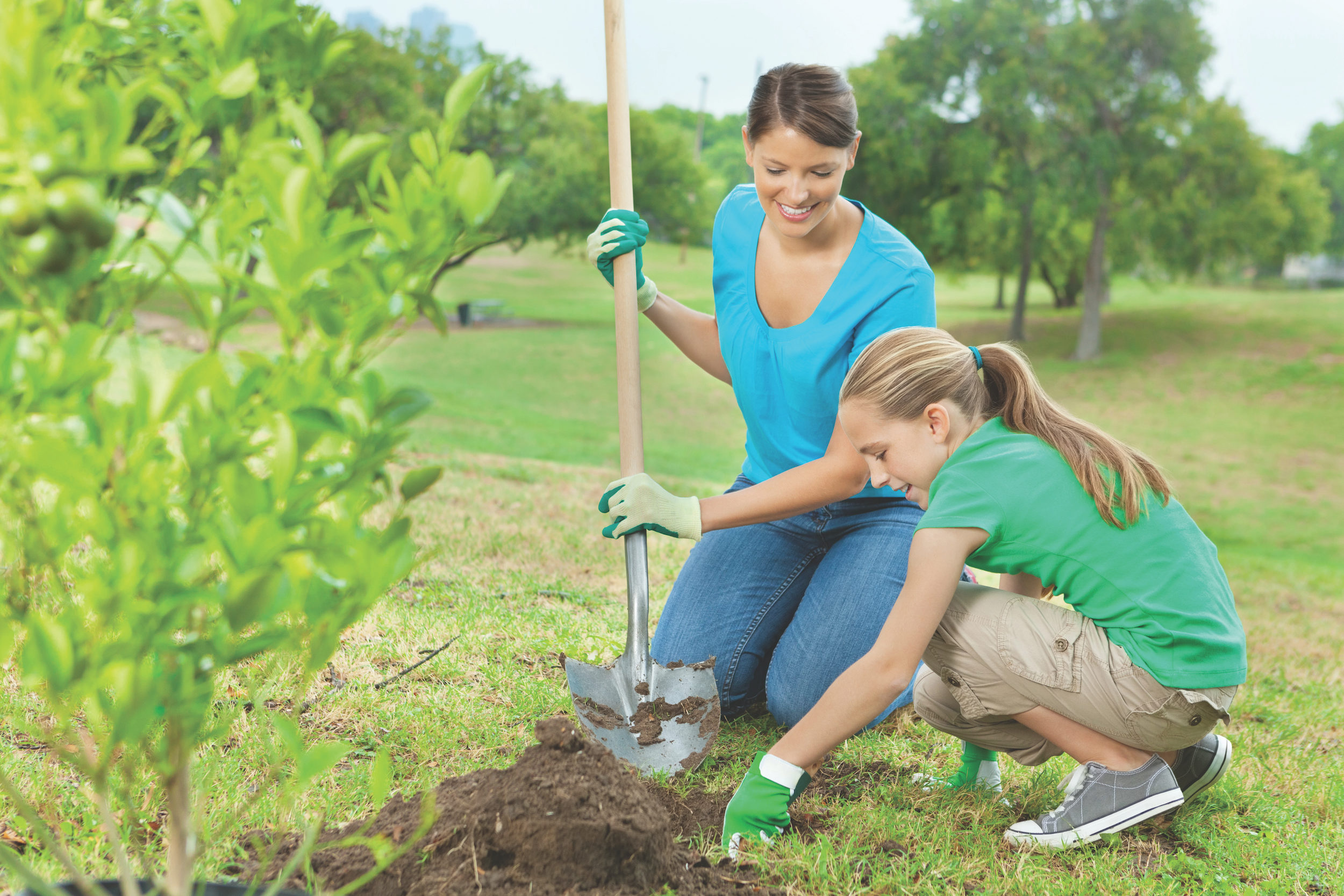
Soil Builders
Students explore differences in soil types and what those differences mean to people and to plants. They also investigate the role soil organisms play, both in building soil and in decomposition.
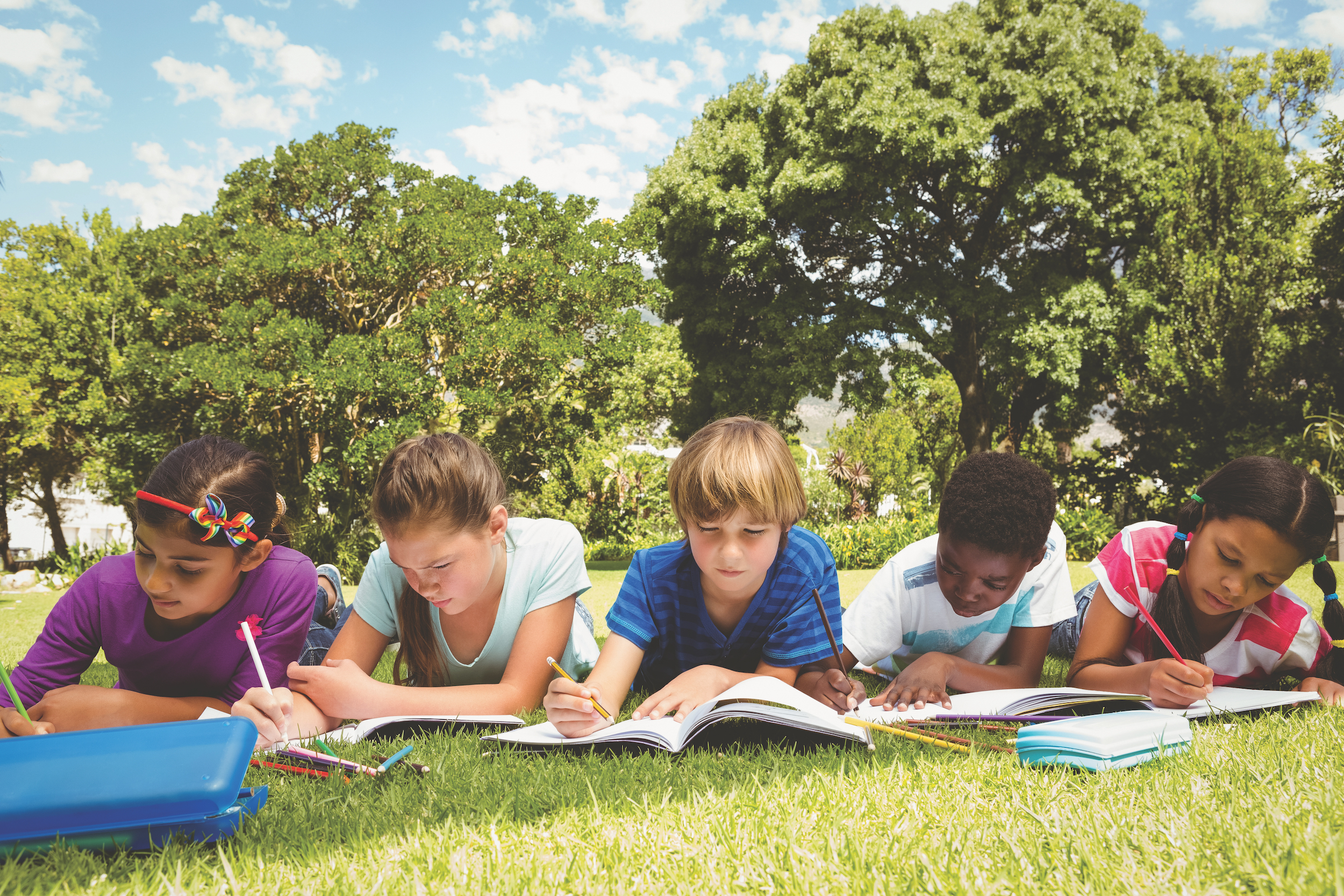
Students explore differences in soil types and what those differences mean to people and to plants. They also investigate the role soil organisms play, both in building soil and in decomposition.
Writing and sharing poems gives students an opportunity to express their thoughts, feelings, and beliefs in creative and artistic ways. You can do this activity in combination with Adopt a Tree, to allow students to explore their adopted tree.

Nearly everything we buy comes in some sort of package. Students examine the pros and cons of different packaging and design an “ideal” package.

All kinds of people work in the forest—from foresters, to loggers, to scientists. Everyone depends on properly managed forests for recreation, essential products, wildlife and biodiversity, clean water and air.

It’s easy to waste water and even easier to take water for granted. Water pours out of our faucets as though it were endlessly available. But the truth is the supply of good quality, fresh water is limited. Fortunately, we can all conserve water.

Students imagine that they are visitors from outer space, viewing life on Earth for the first time. By describing in minute detail all the life they find in a small plot of land, they will become more aware of the diversity and abundance of life.
Students explore their sense of smell and discover why smell is important to animals, including beetles and humans.
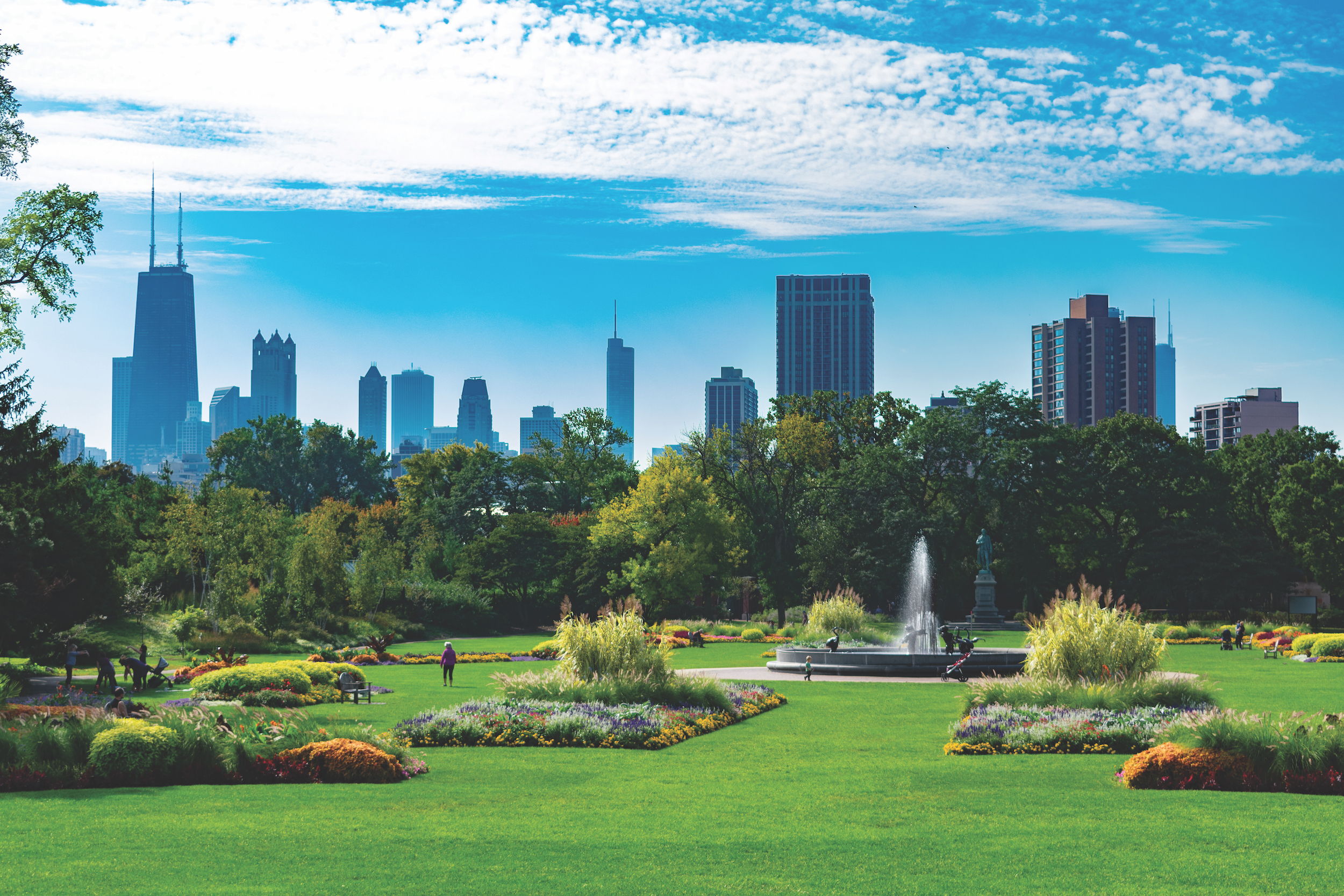
The trees in our communities provide many benefits: they improve air quality, store carbon, and conserve energy.
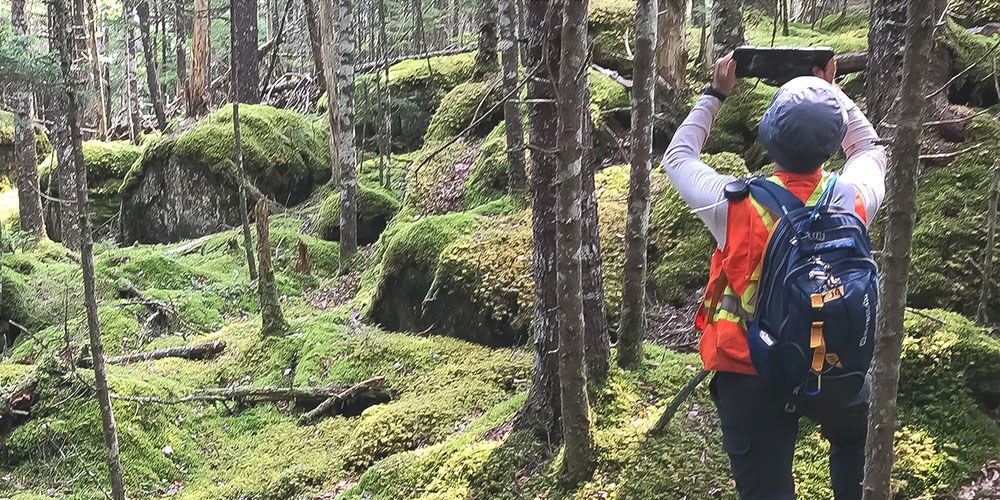
Acting as foresters, learners grapple with decisions about how to manage a forest sustainably while serving different needs.
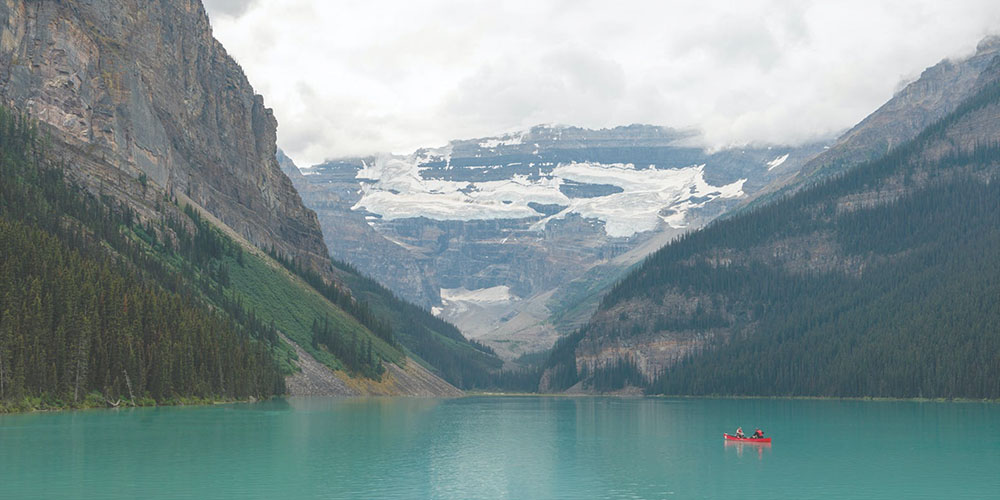
Students investigate and report on their connection with a special place and with their greater community.