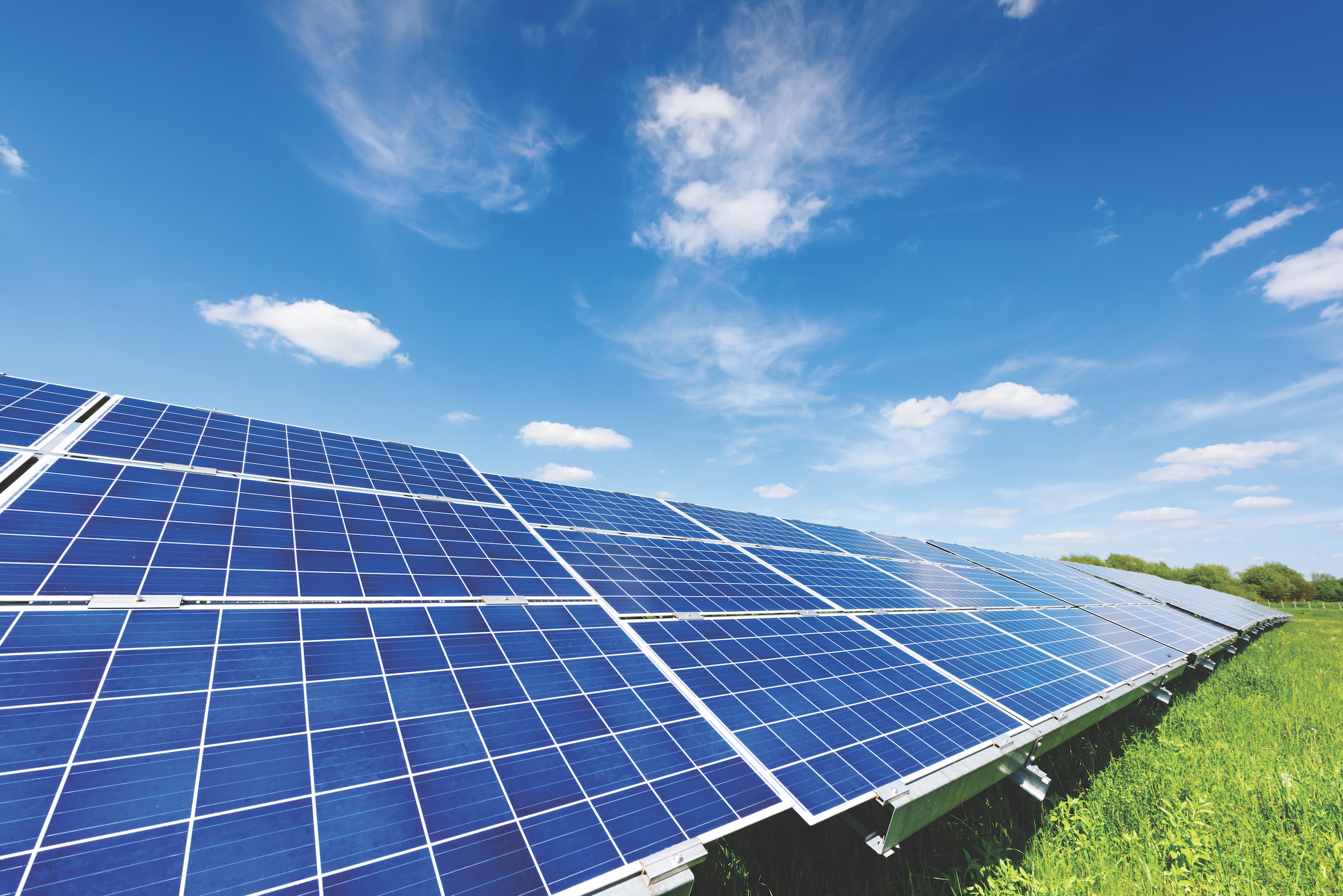
Exploration Energy!
The energy we use at home, school, or work enhances our lives, but it also often contributes to air and water pollution, wildlife and habitat loss, and climate change.
The energy we use at home, school, or work enhances our lives, but it also often contributes to air and water pollution, wildlife and habitat loss, and climate change.
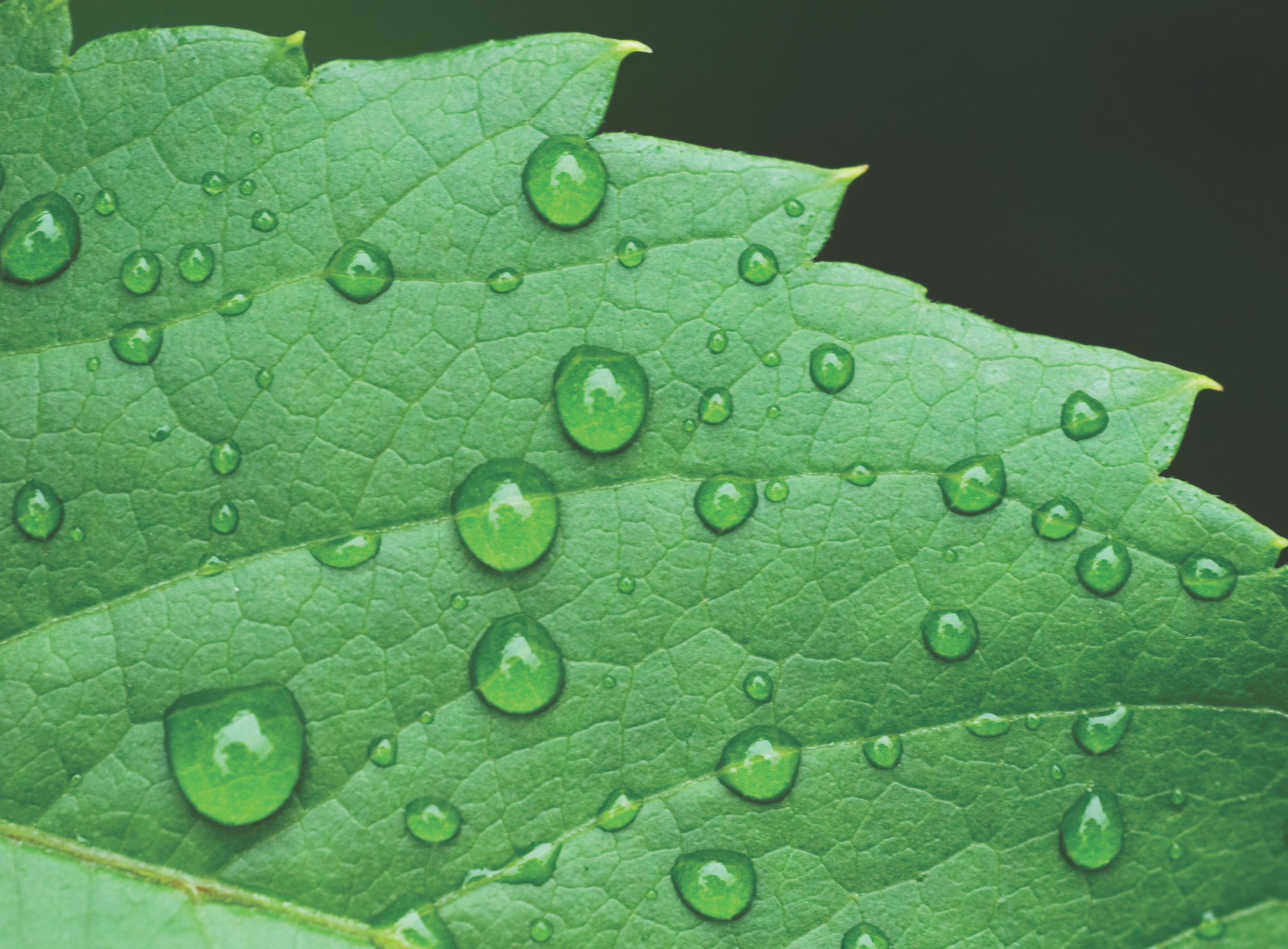
The water cycle is the system by which Earth’s water is collected, purified, and distributed from the environment to living things and then returned to the environment.
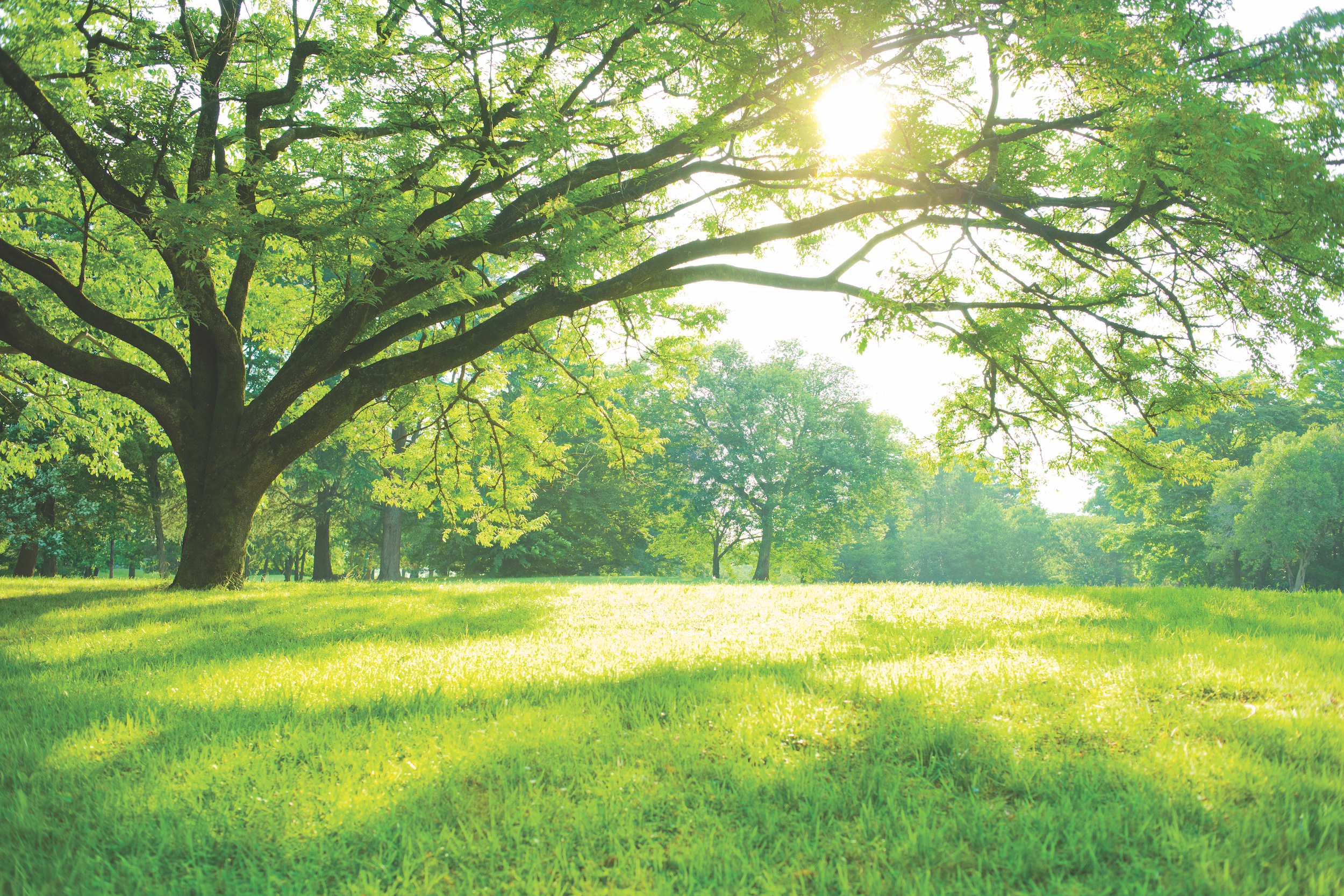
This fun and active modeling simulation reviews the conditions that trees need to live and grow, while also demonstrating that trees must compete to meet their needs.
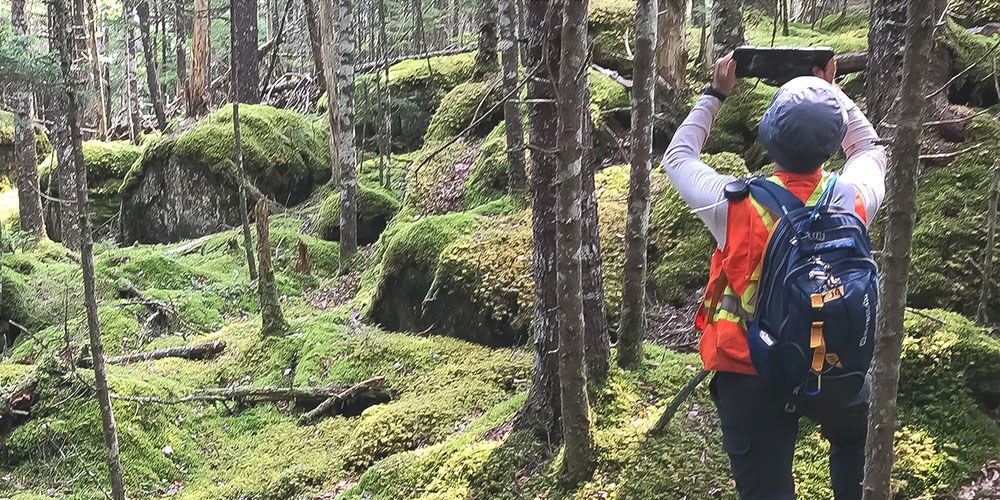
Acting as foresters, learners grapple with decisions about how to manage a forest sustainably while serving different needs.
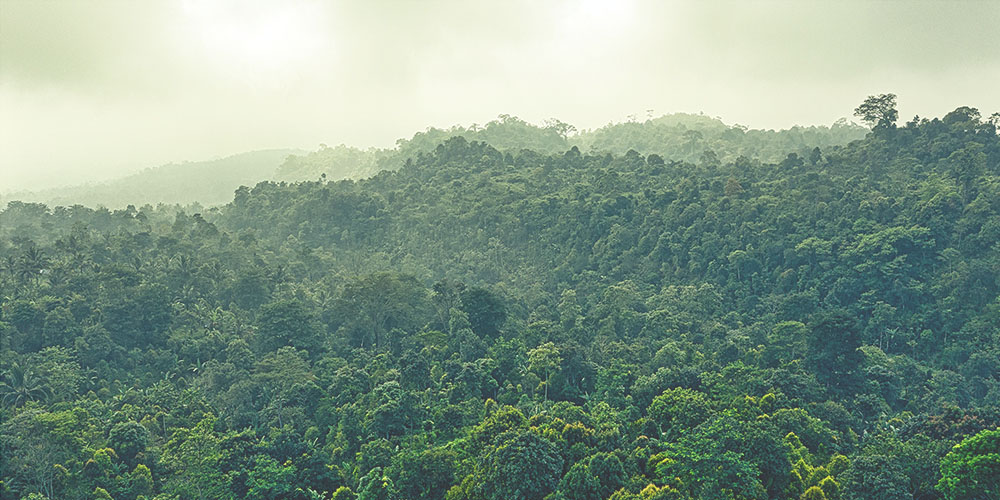
Students analyze factors that can change forests by using data sets, maps and other information. They also examine projections about future climate conditions and explore how these factors may change forests in the 21st century.

Students use a carbon footprint calculator to analyze their personal effect on carbon dioxide (CO2) levels in the atmosphere, calculate the amount of carbon stored in a single tree, and explore how carbon sequestration can affect CO2 levels.