Global Goods
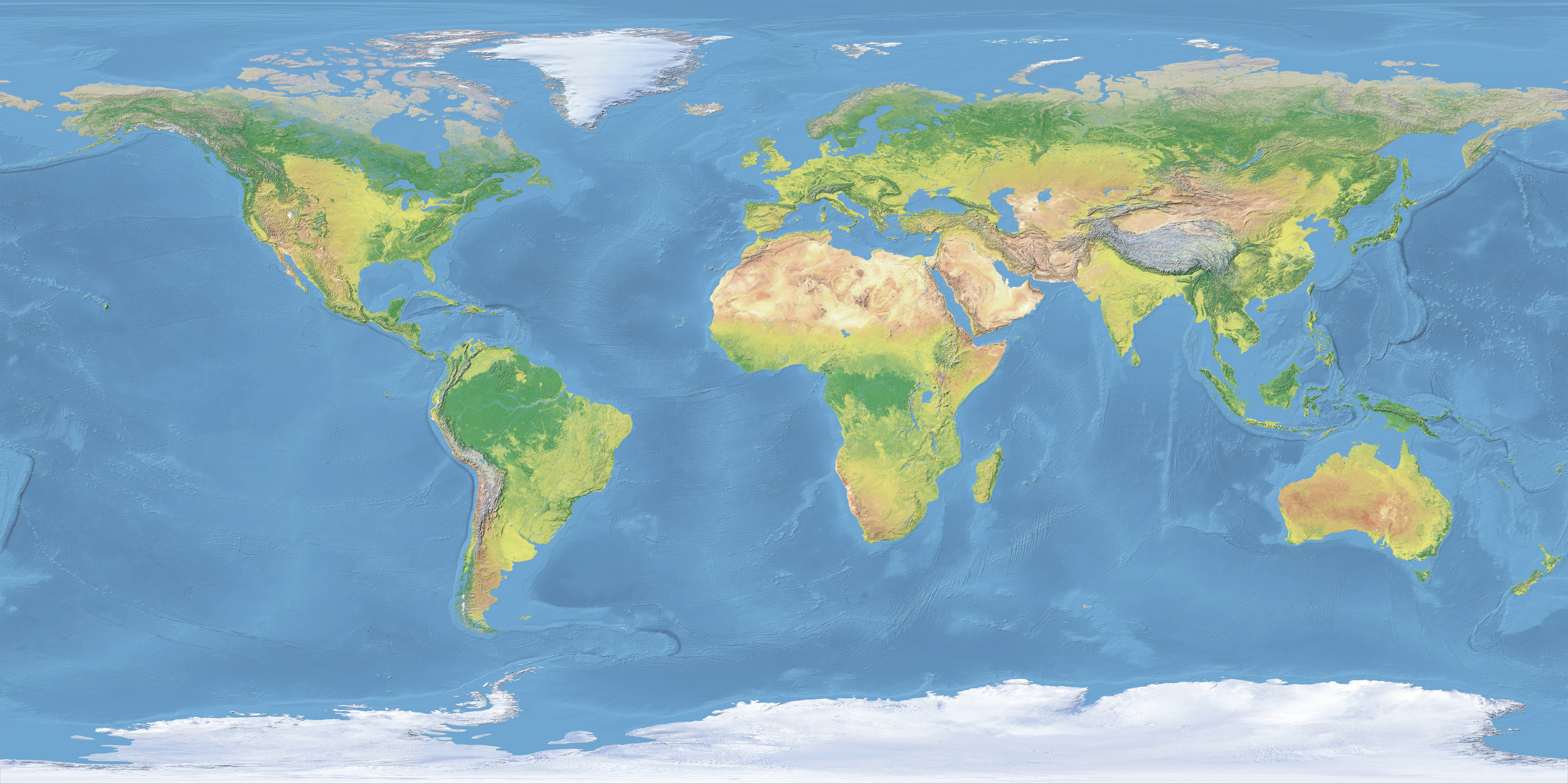
Students gain an appreciation for how many natural resources they depend on in their day-to-day lives. By tracing the resources that go into making one item, students learn how its manufacturing can have an impact on the environment.
Students gain an appreciation for how many natural resources they depend on in their day-to-day lives. By tracing the resources that go into making one item, students learn how its manufacturing can have an impact on the environment.
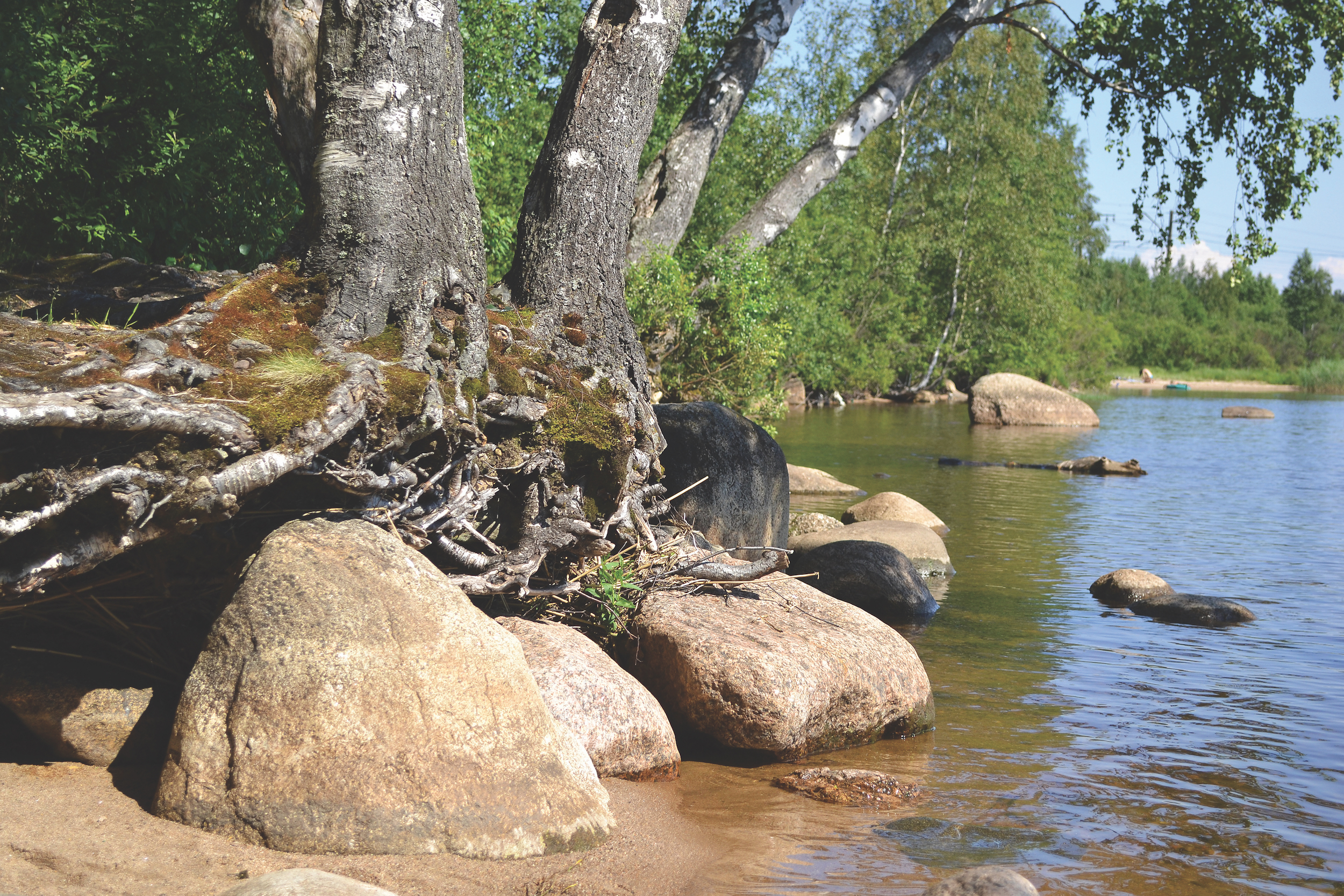
Students conduct a field study of three different environments as they focus on sunlight, soil moisture, temperature, wind, water flow, plants, and animals in each environment.
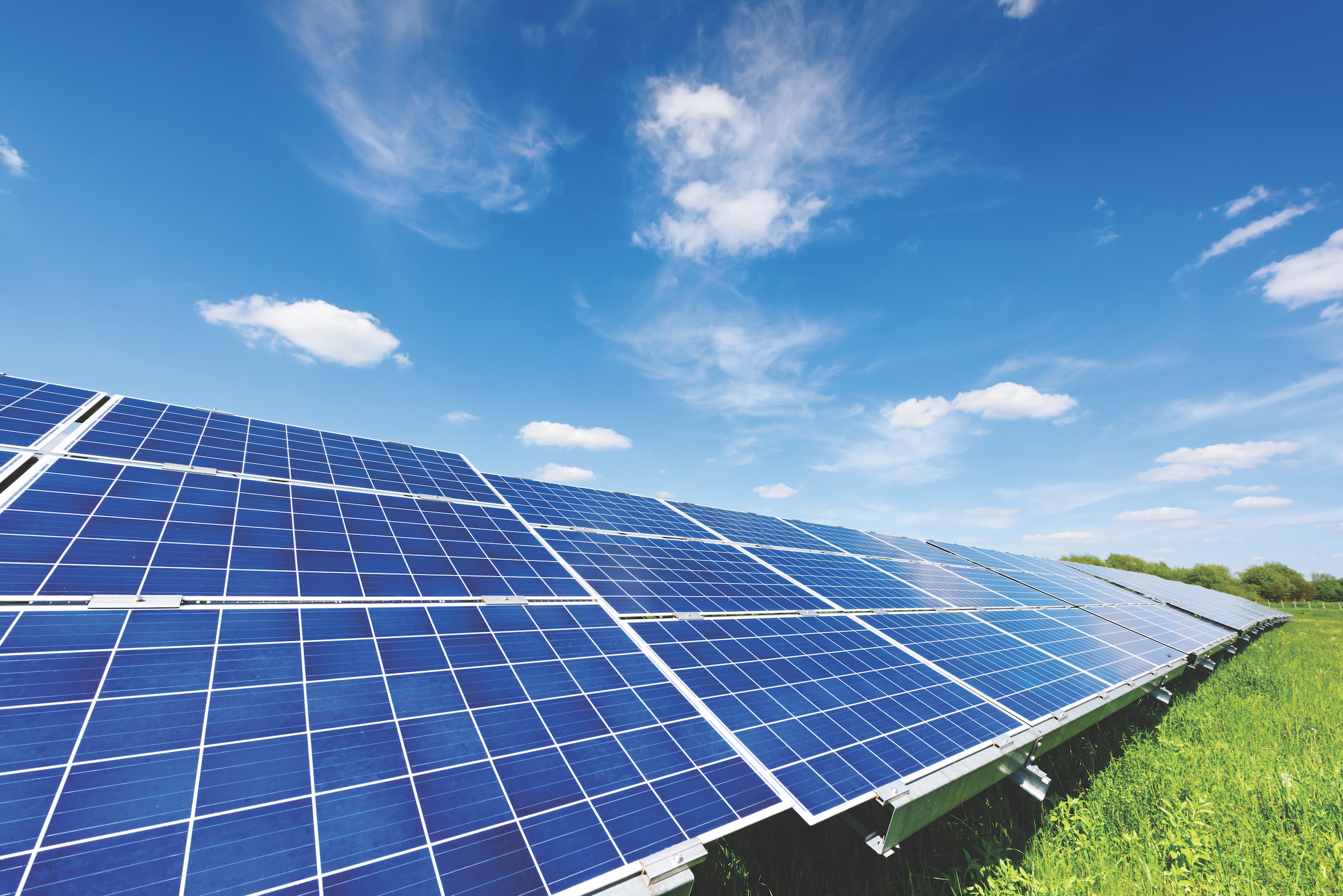
The energy we use at home, school, or work enhances our lives, but it also often contributes to air and water pollution, wildlife and habitat loss, and climate change.
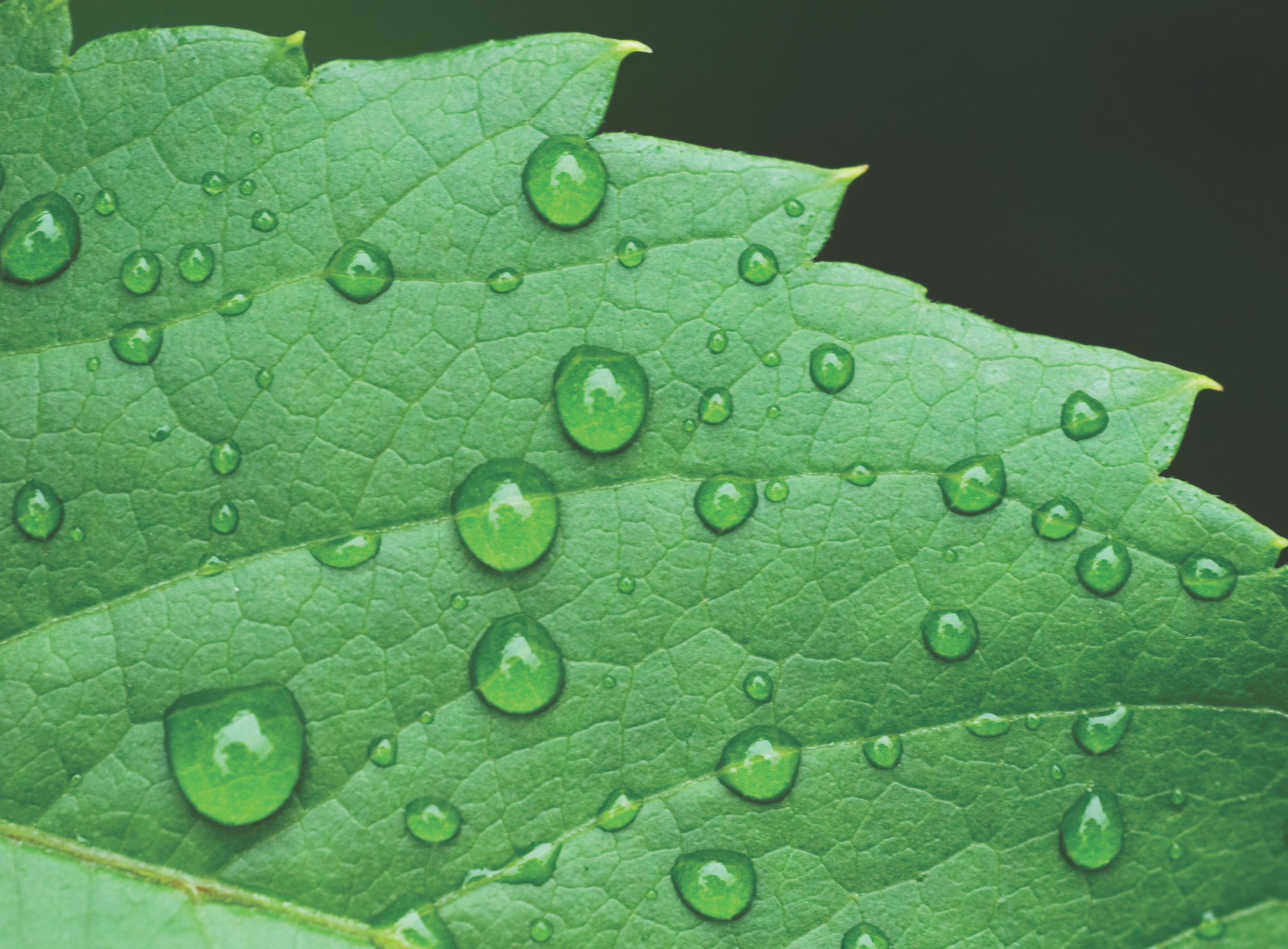
The water cycle is the system by which Earth’s water is collected, purified, and distributed from the environment to living things and then returned to the environment.
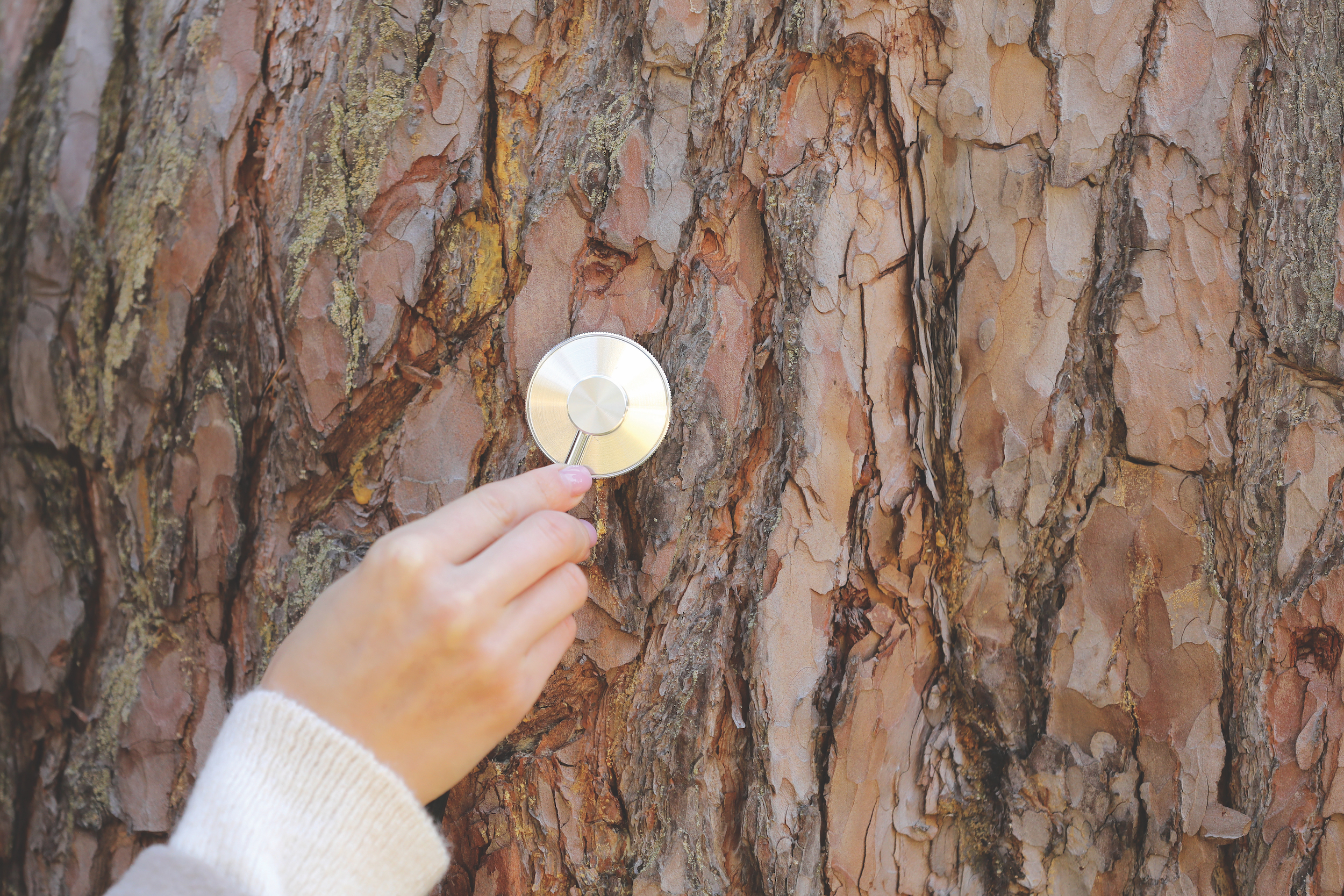
Students examine trees for signs of damage or poor health and investigate conditions that may cause trees and other plants to become unhealthy.
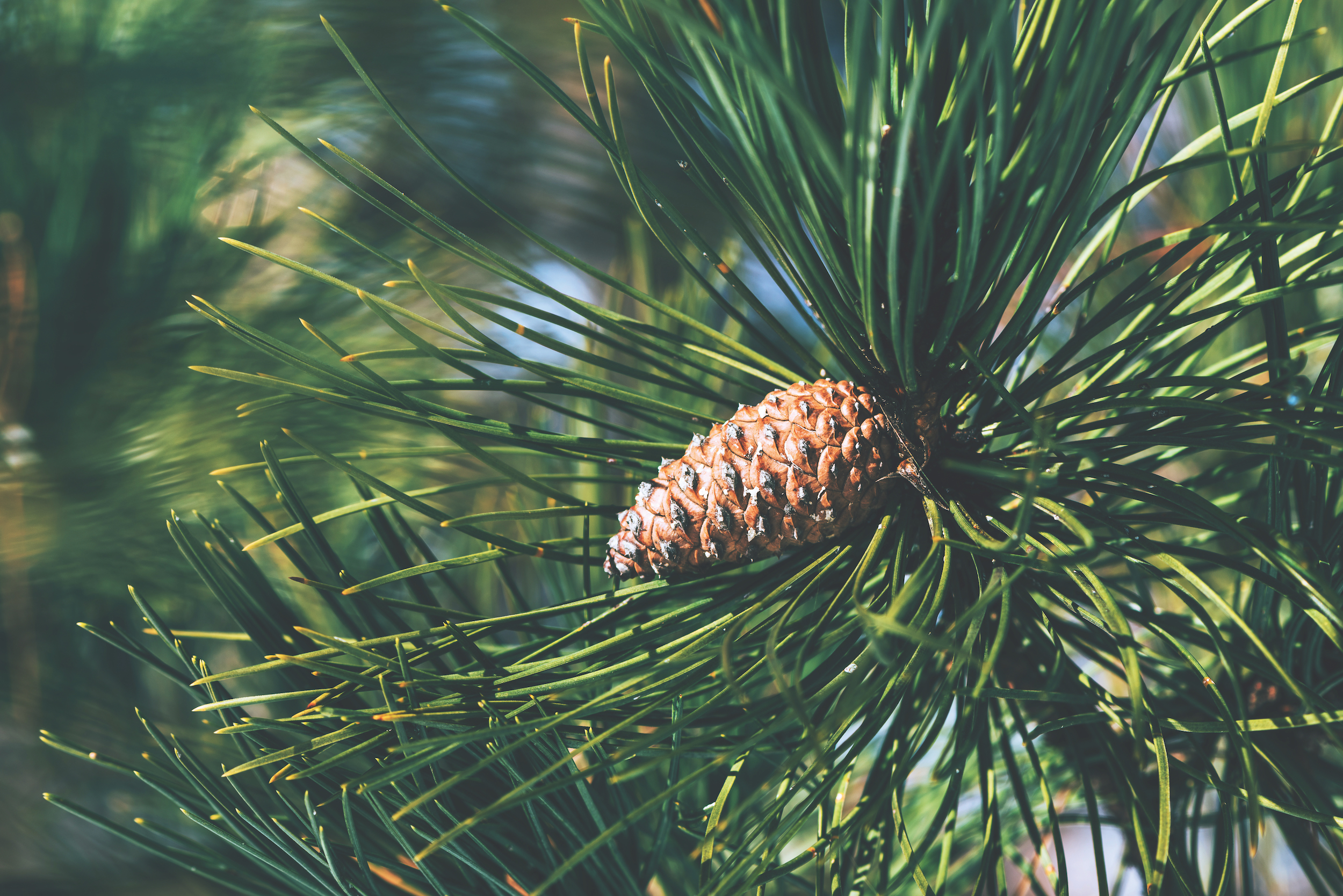
Tree species can be identified by looking at several different features: leaves, bark, twigs, flowers, fruit, and seeds. Even the overall shape of a tree can give clues to the tree’s identity.
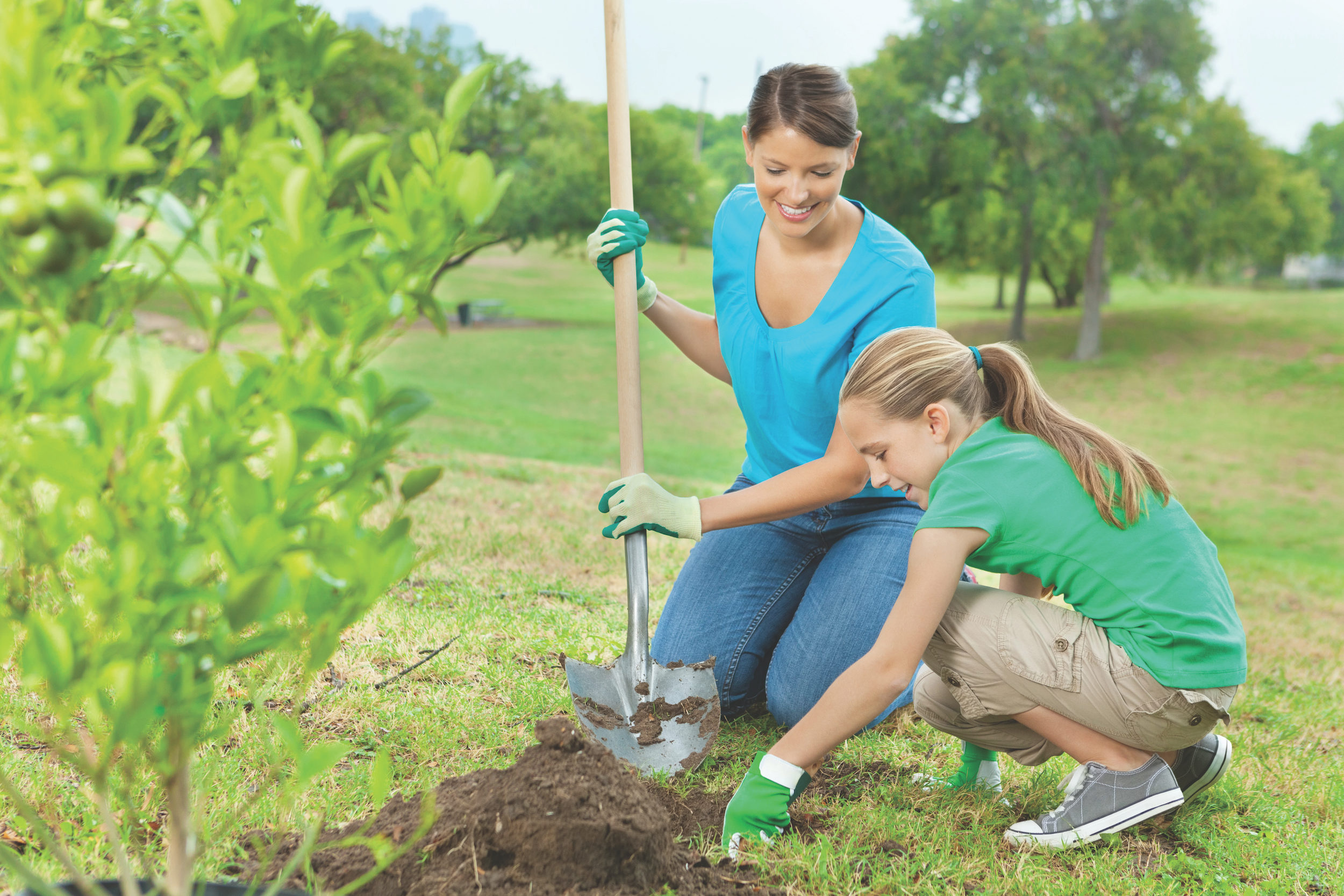
Students explore differences in soil types and what those differences mean to people and to plants. They also investigate the role soil organisms play, both in building soil and in decomposition.
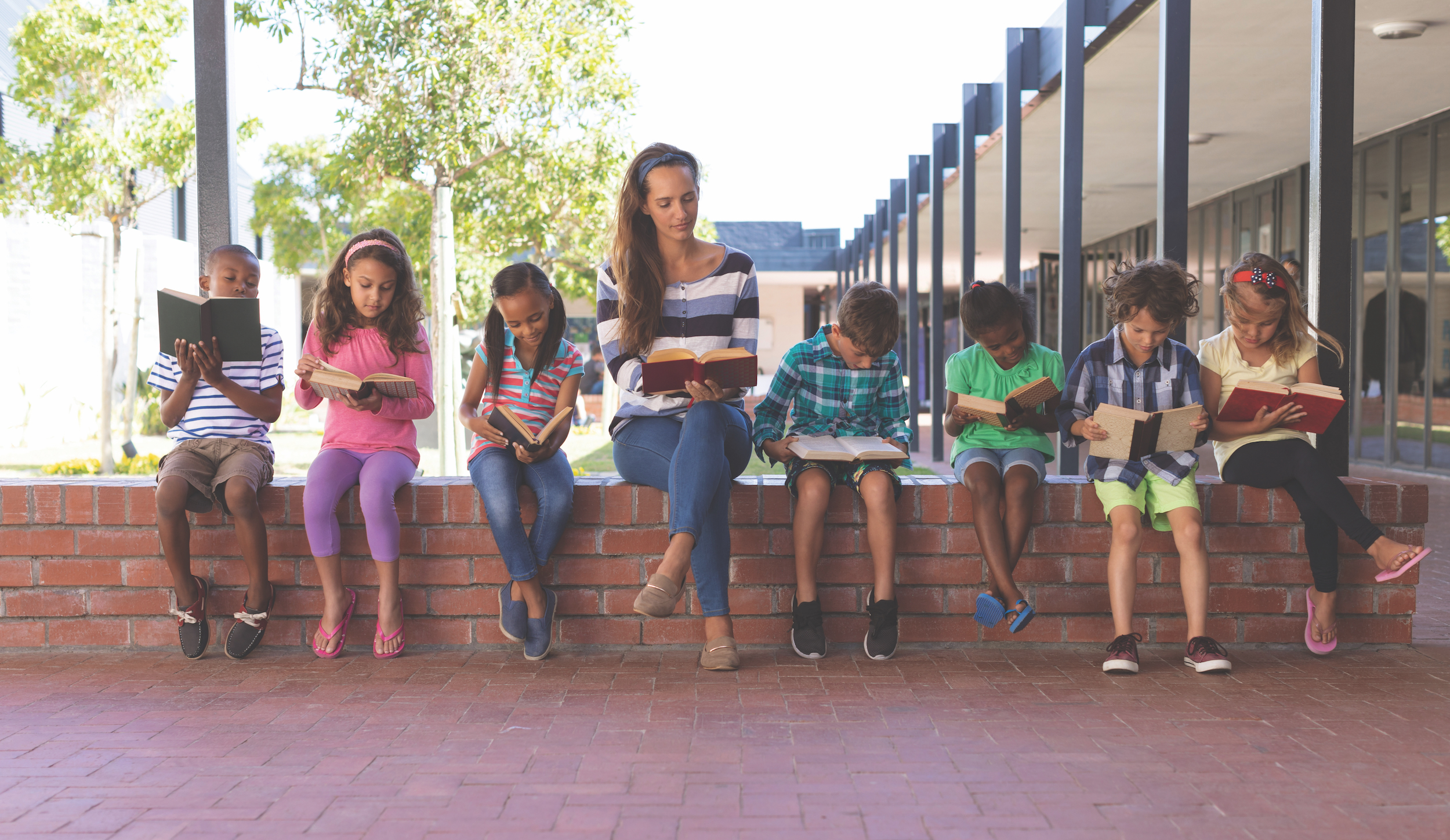
Regular time outdoors is beneficial for emotional, mental, and physical health, as well as for creativity, learning, and child development. In this activity, students will examine the physical and emotional effects of a task done outdoors.
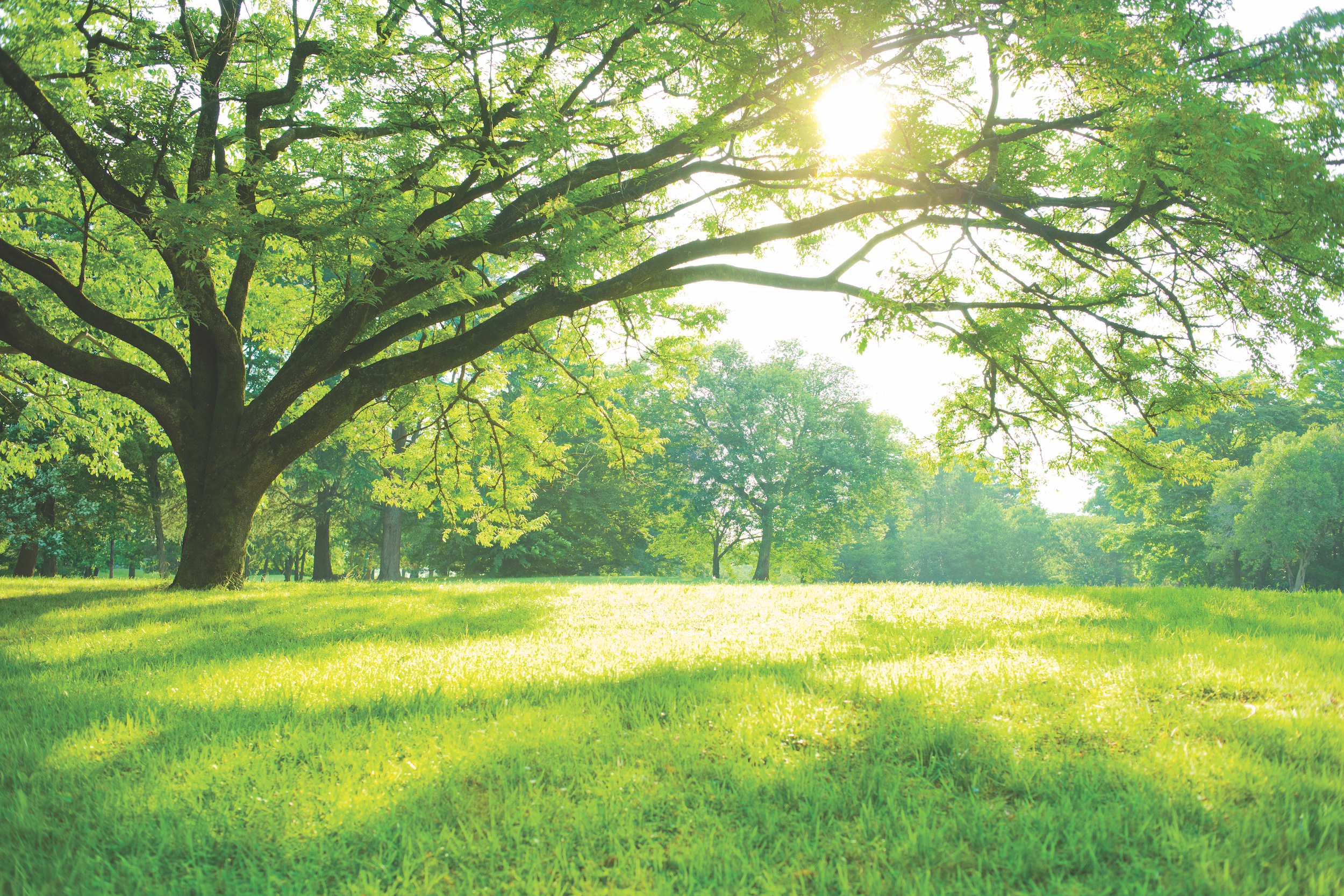
This fun and active modeling simulation reviews the conditions that trees need to live and grow, while also demonstrating that trees must compete to meet their needs.
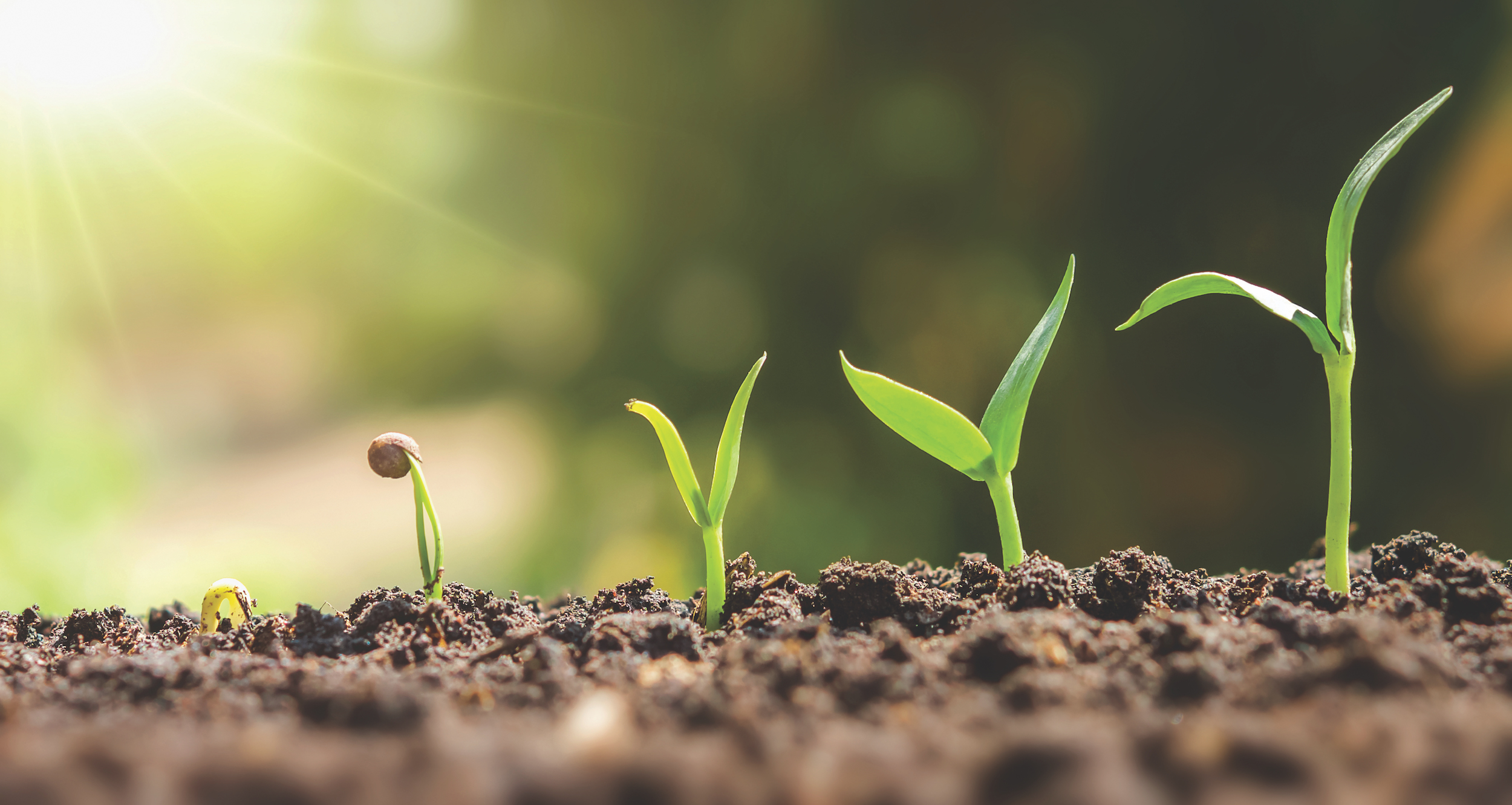
A plant is a biological system that needs sunlight, water, air, nutrients, and space in order to survive and thrive. Students conduct inquiry-based experiments to explore these essential plant requirements.