Have Seeds, Will Travel
A plant is a biological system containing processes and components that enable it to grow and reproduce. By observing, collecting, and classifying seeds, students examine one aspect of a plant’s reproductive system.
A plant is a biological system containing processes and components that enable it to grow and reproduce. By observing, collecting, and classifying seeds, students examine one aspect of a plant’s reproductive system.
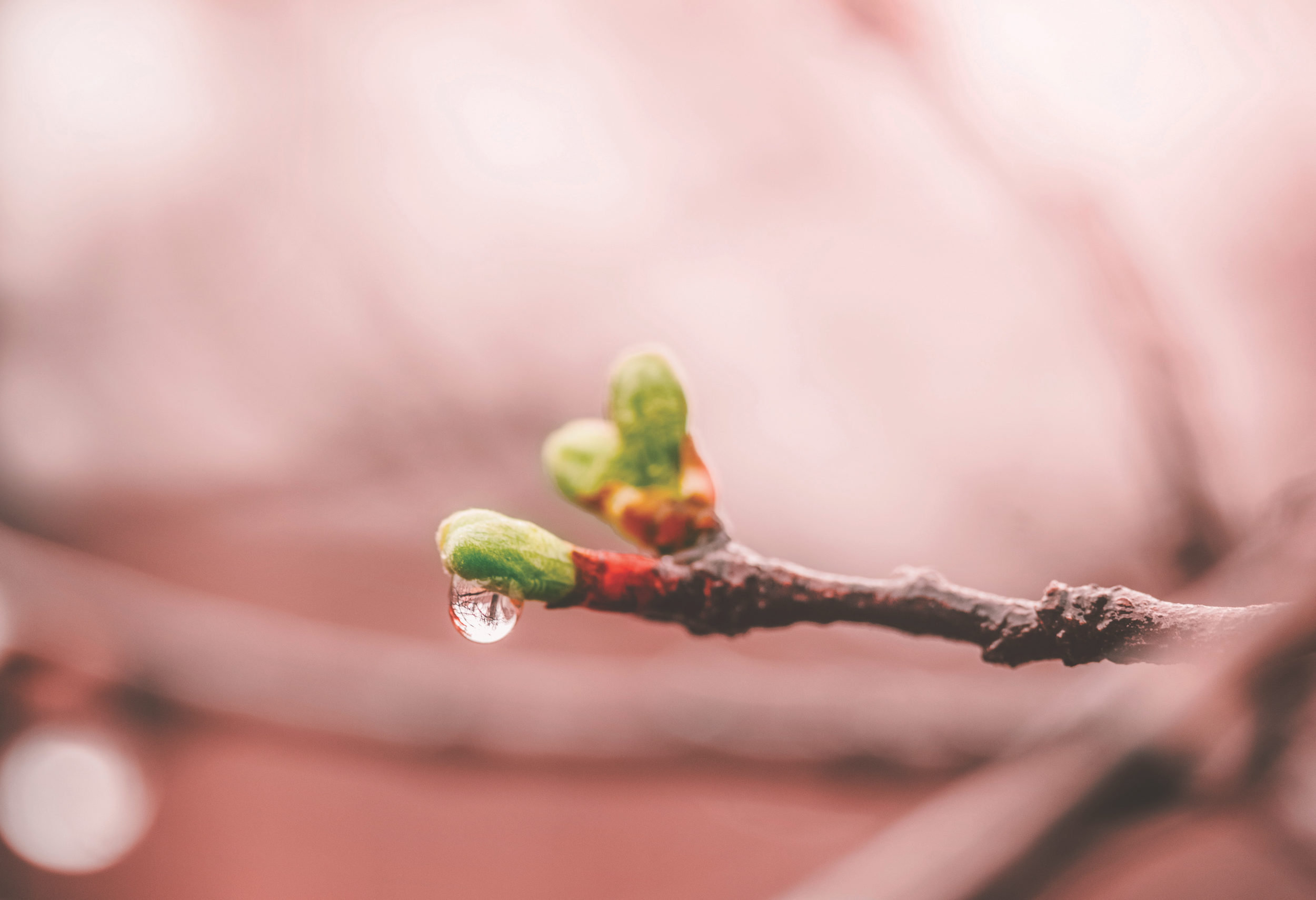
In early spring, many trees sprout bright green leaves. Where do the leaves come from? How do they form? Students investigate these questions by observing tree buds throughout the year.
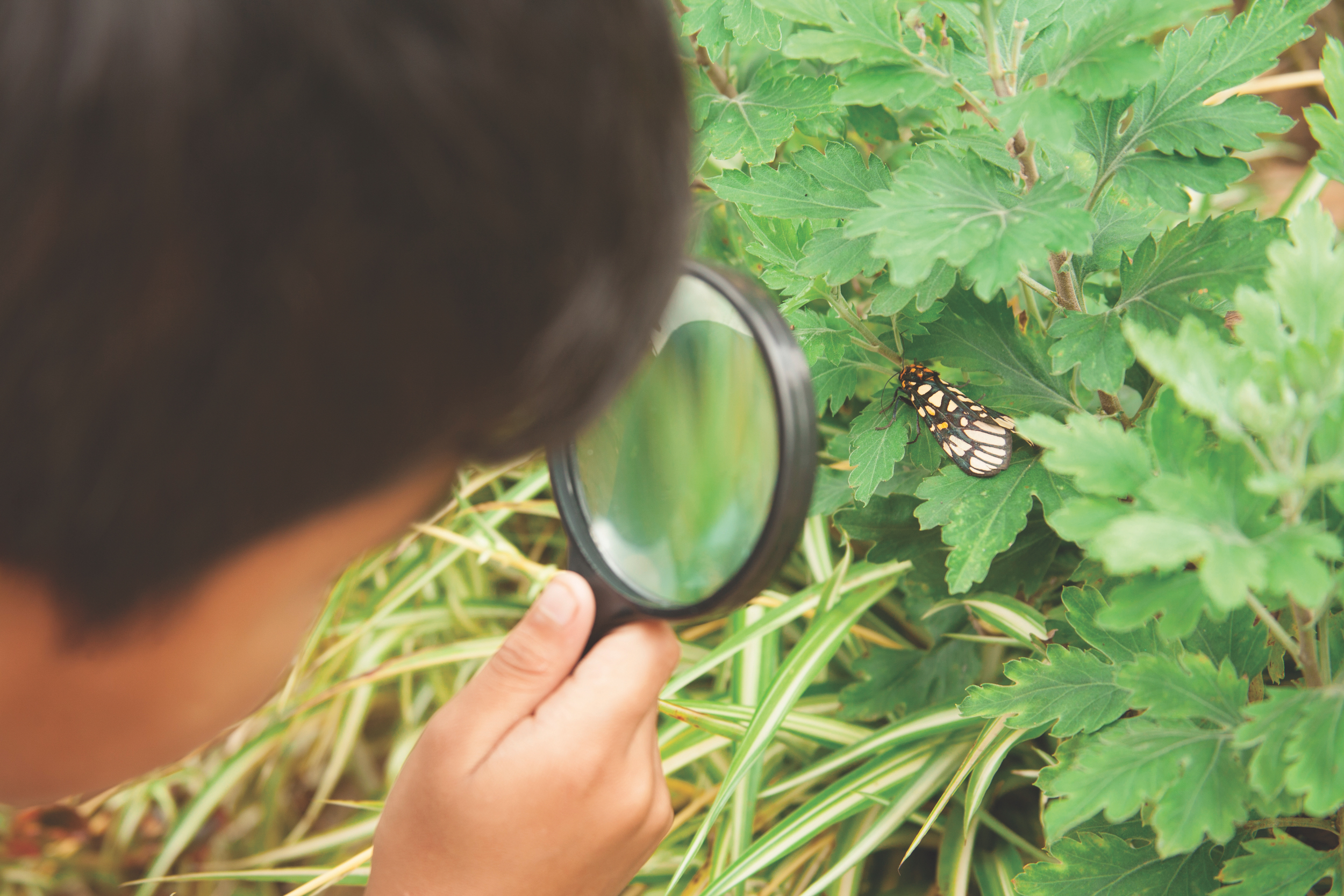
Every organism needs food, water, shelter, and space. A place that meets all these needs is called a habitat. Students will explore a nearby habitat—their backyard, schoolyard, or other outdoor setting—to look for signs of animals living there.
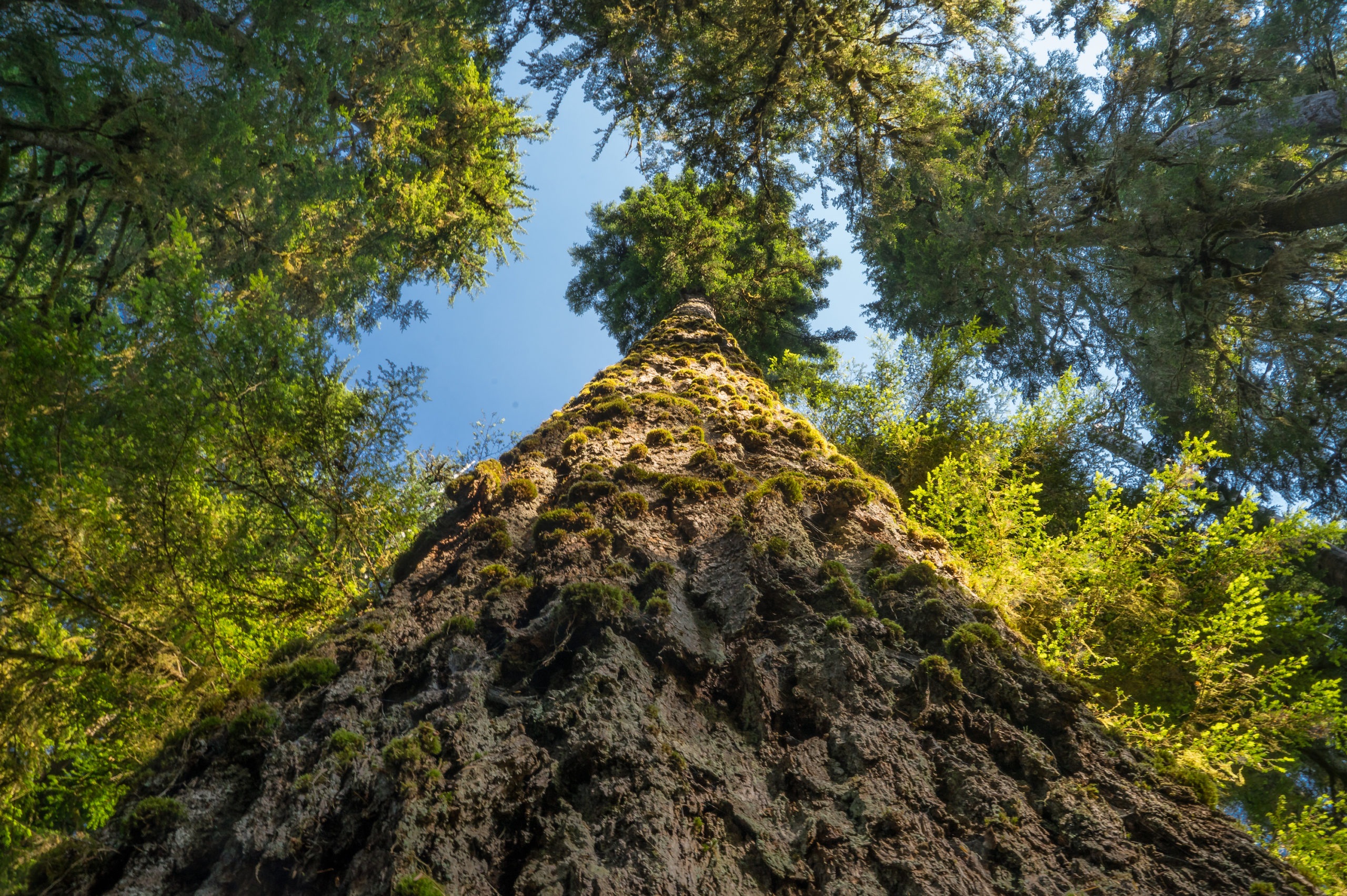
This Learn About Forest activity is perfect for forest sector professionals leading educational events, career days, or field visits with youth. Using simple tools, learners calculate the height of a tree and find out why foresters measure trees.
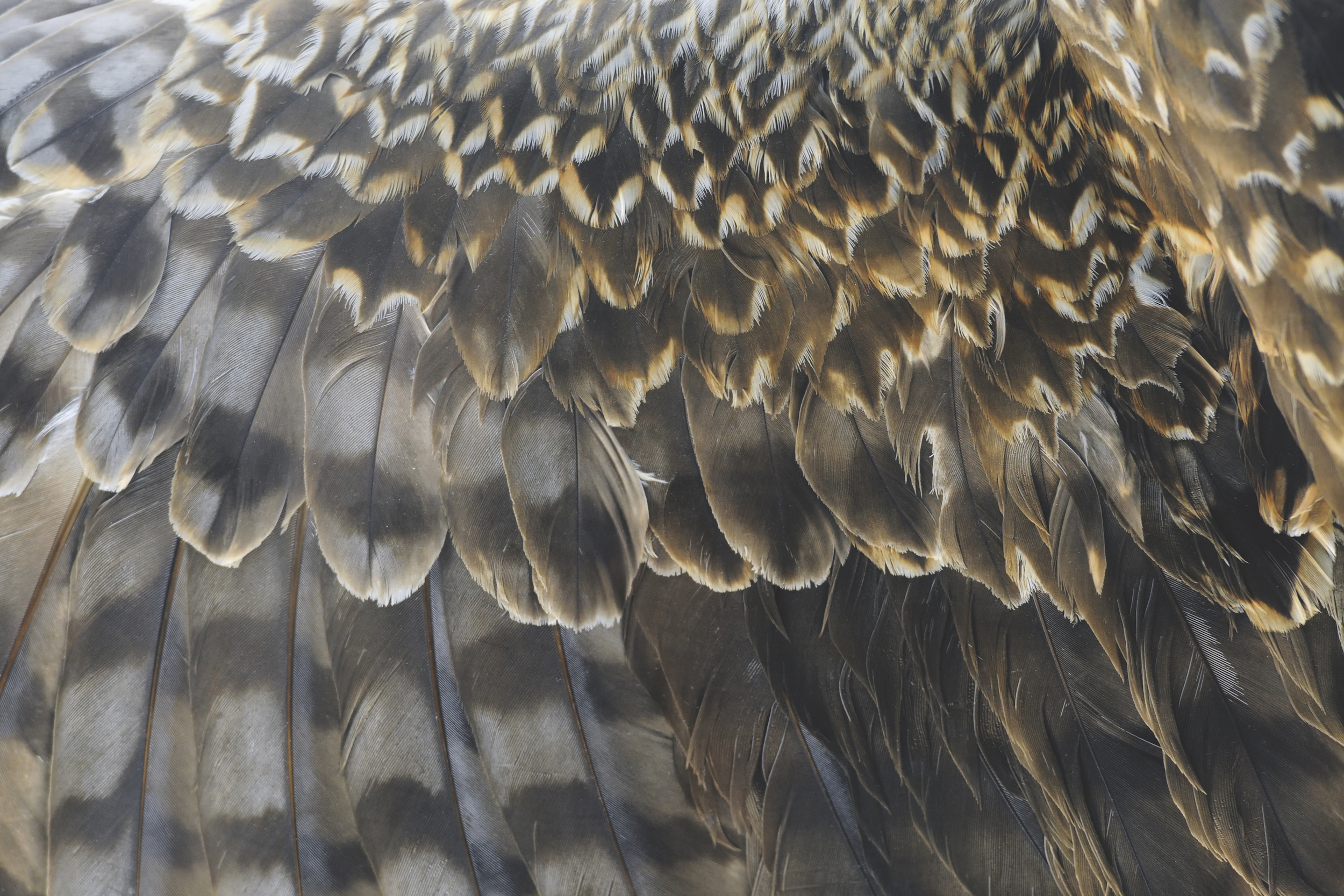
Students explore the amazing diversity of life on Earth and discover how plants and animals are adapted for survival. This activity helps students understand why there are so many different species and teaches them the value of biodiversity.

Students imagine that they are visitors from outer space, viewing life on Earth for the first time. By describing in minute detail all the life they find in a small plot of land, they will become more aware of the diversity and abundance of life.
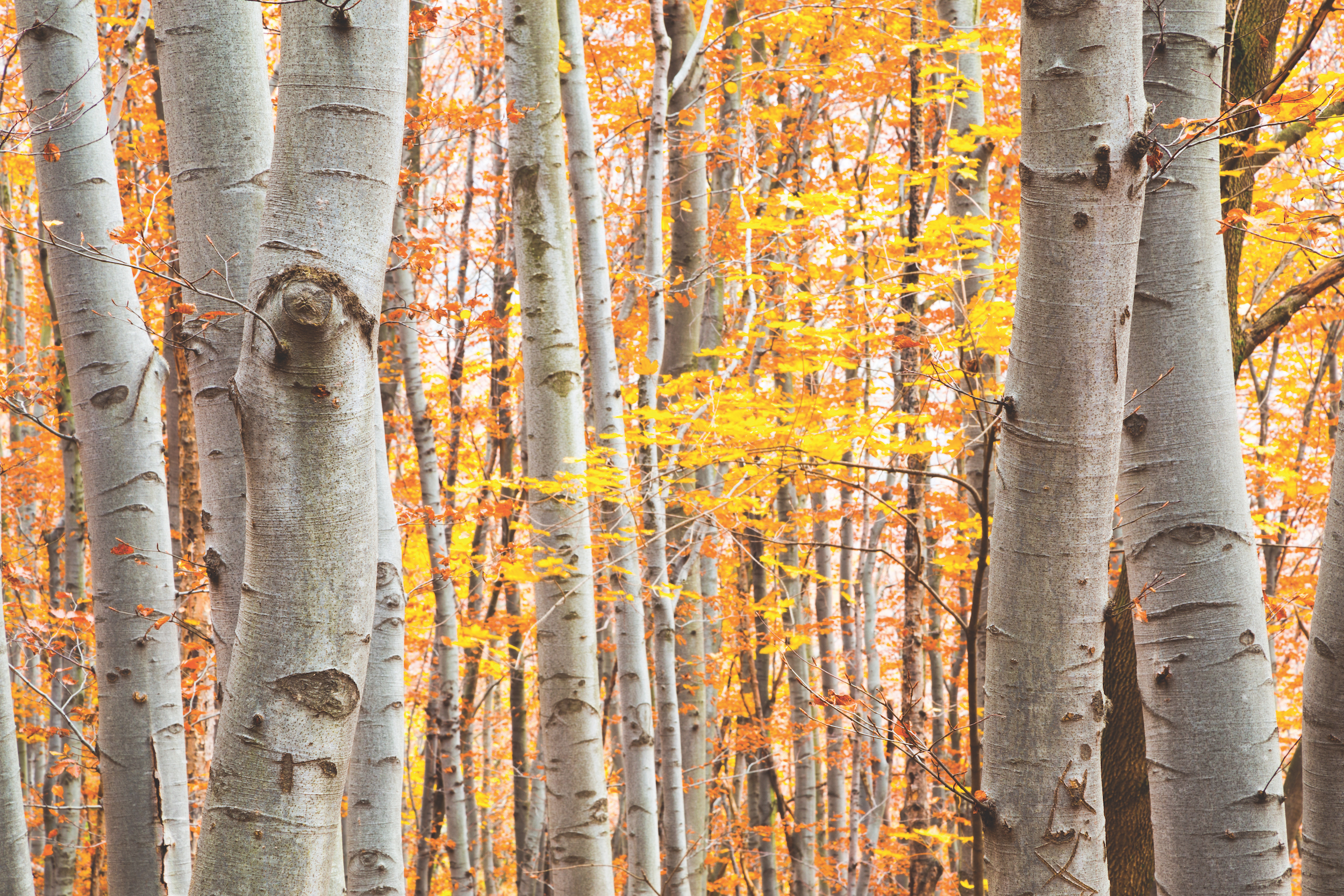
Students explore their sense of smell and discover why smell is important to animals, including beetles and humans.
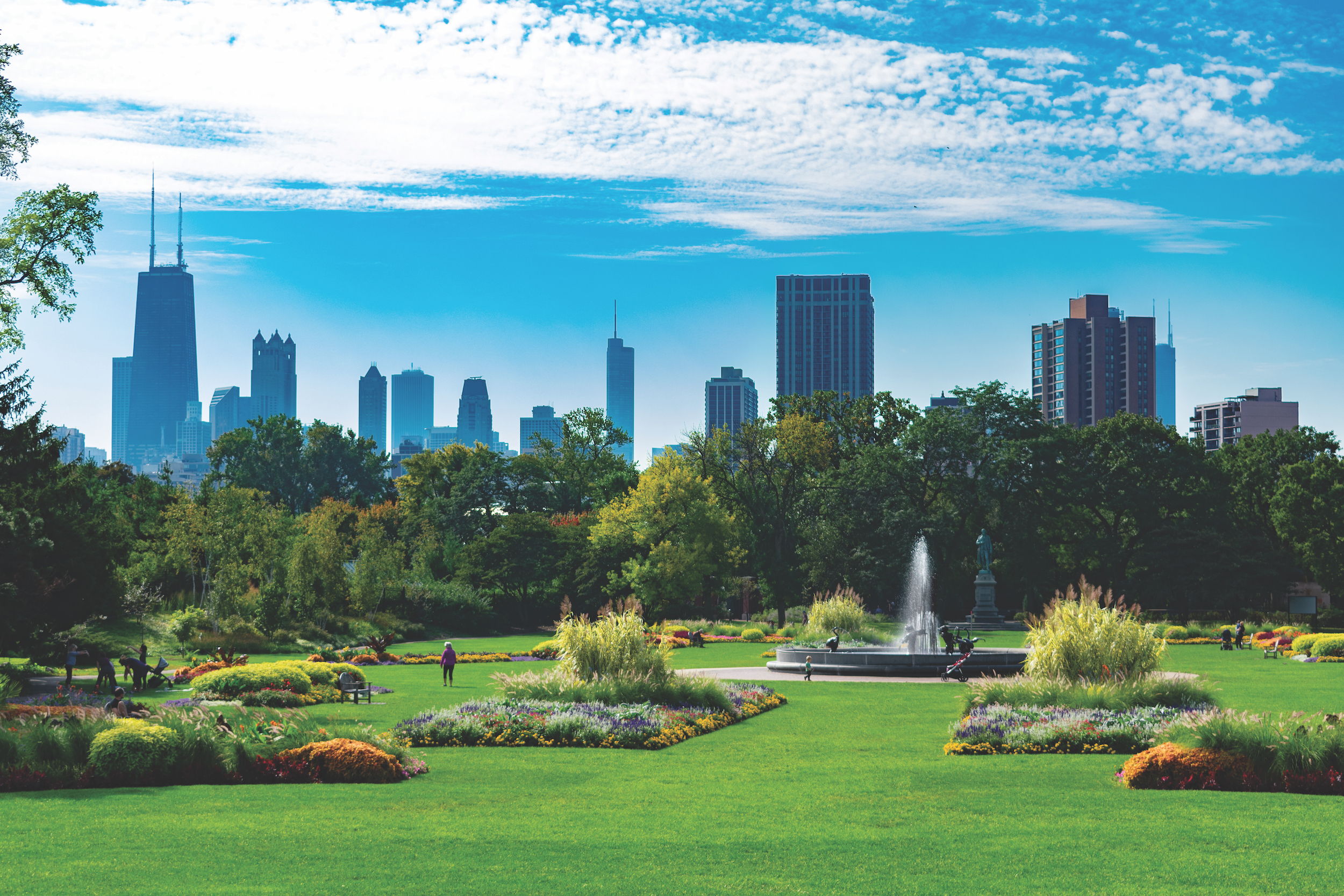
The trees in our communities provide many benefits: they improve air quality, store carbon, and conserve energy.
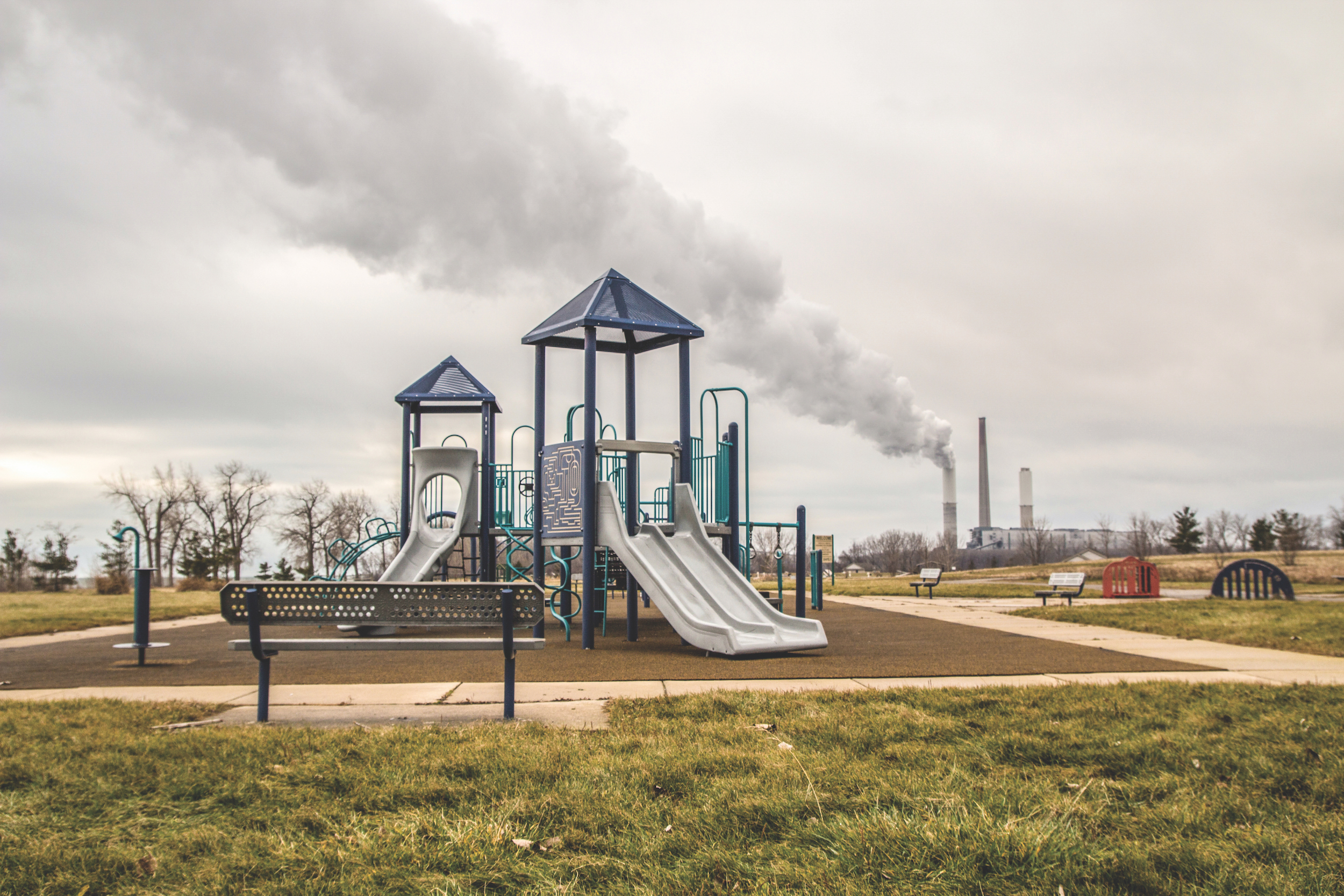
Everyone has an equal right to a healthy environment—but does everyone have a healthy environment?
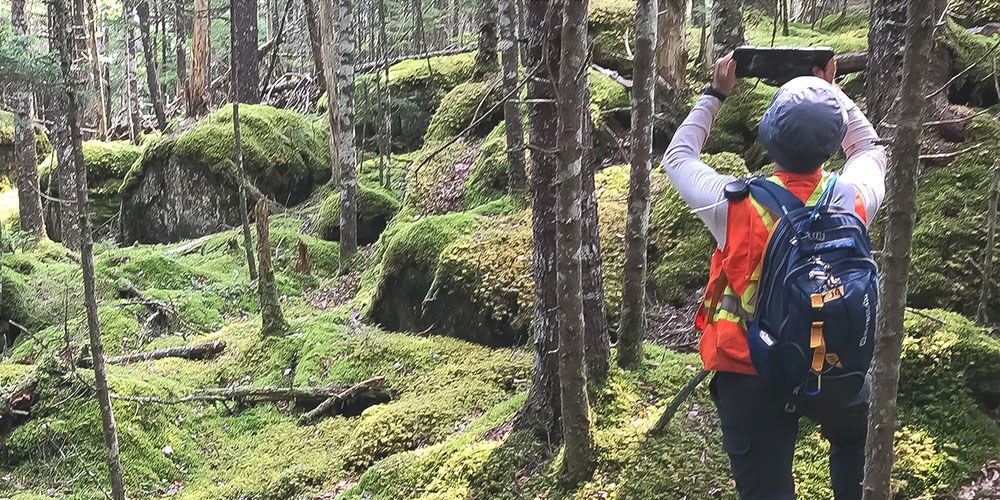
Through a variety of health indicators, learners assess the health of a forest area and see how soil scientists, wildlife biologists, arborists, and other forest professionals monitor forests.