Trees in Trouble
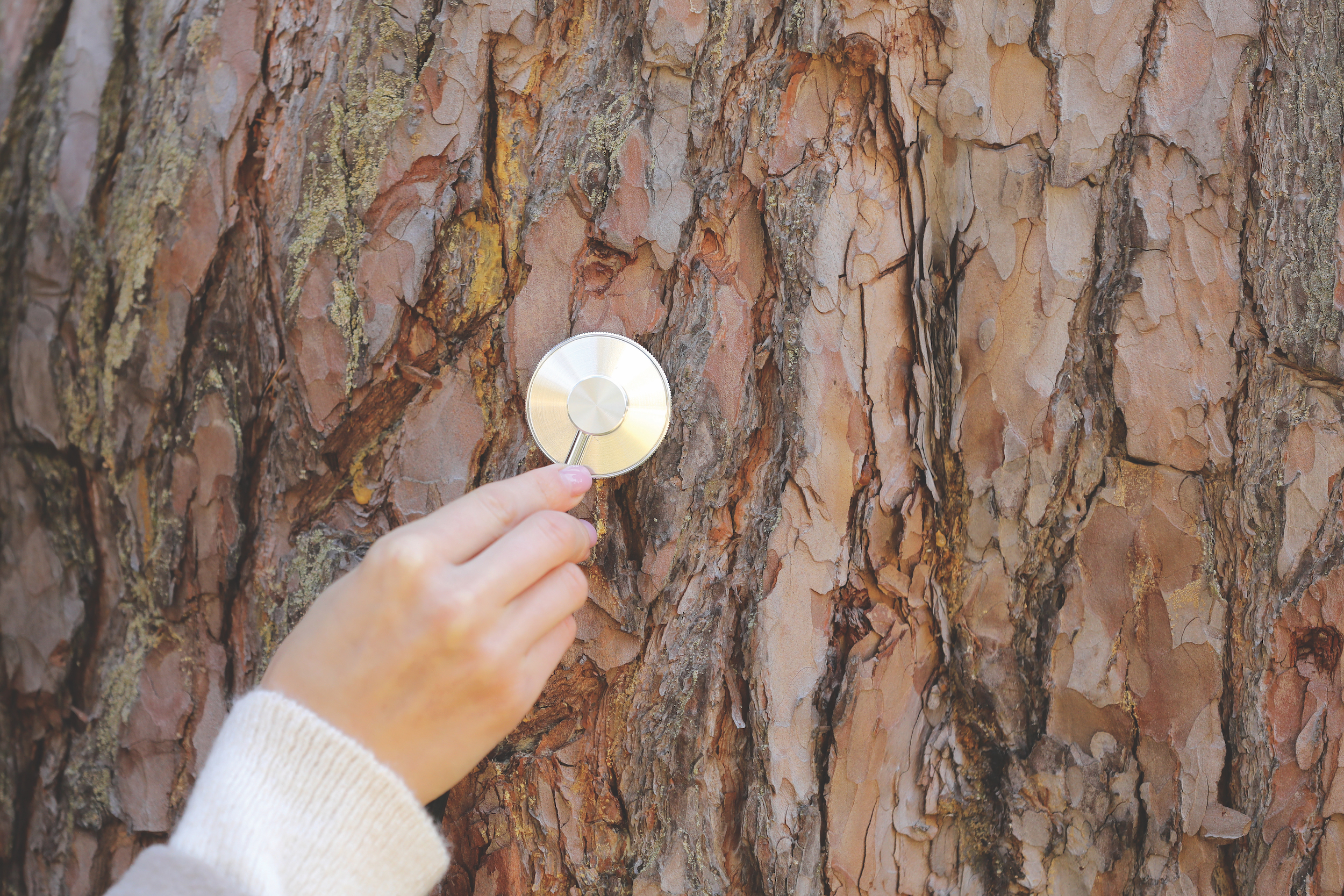
Students examine trees for signs of damage or poor health and investigate conditions that may cause trees and other plants to become unhealthy.
Students examine trees for signs of damage or poor health and investigate conditions that may cause trees and other plants to become unhealthy.

Students imagine that they are visitors from outer space, viewing life on Earth for the first time. By describing in minute detail all the life they find in a small plot of land, they will become more aware of the diversity and abundance of life.
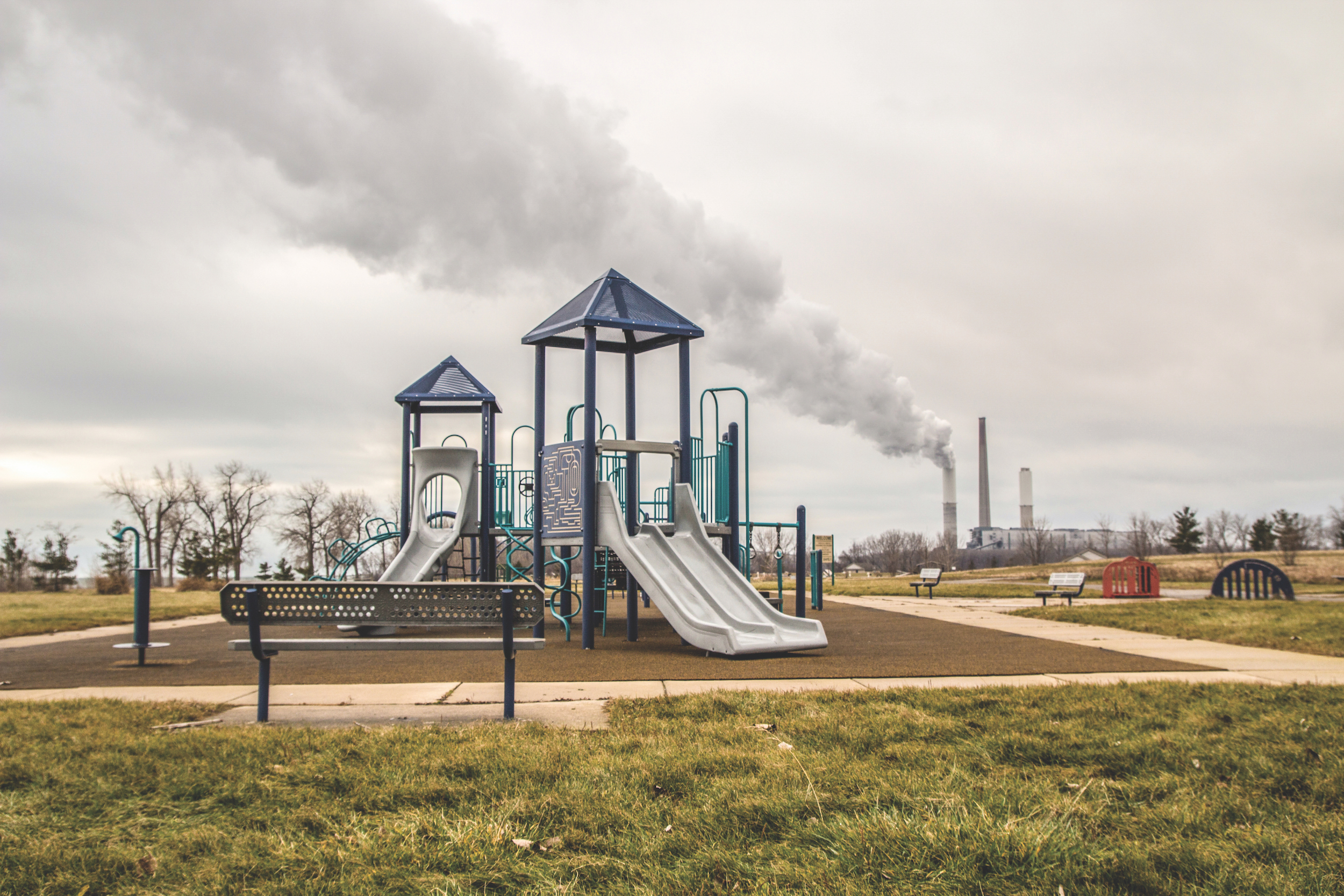
Everyone has an equal right to a healthy environment—but does everyone have a healthy environment?
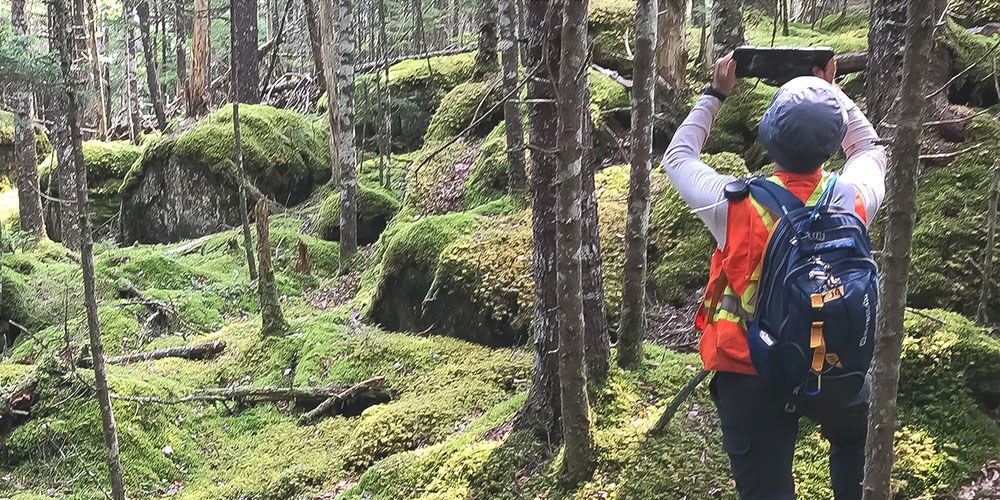
Acting as foresters, learners grapple with decisions about how to manage a forest sustainably while serving different needs.
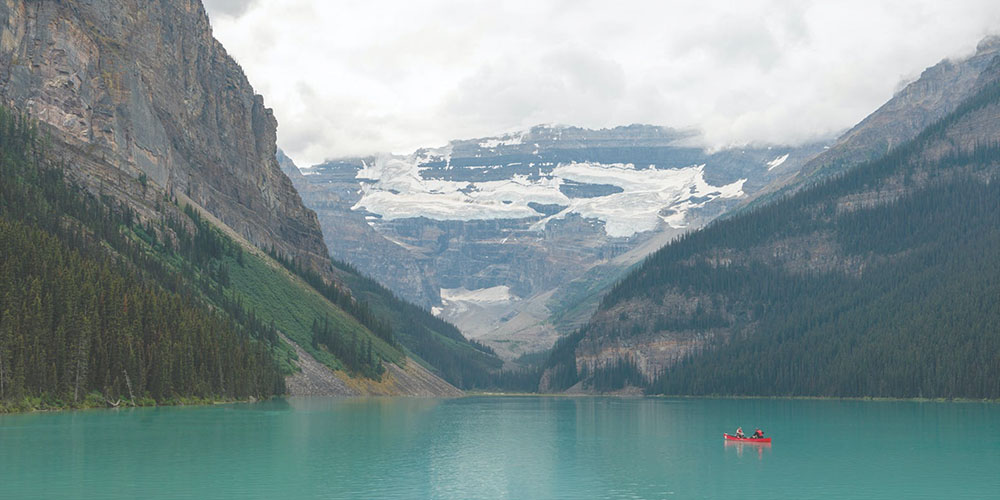
Students investigate and report on their connection with a special place and with their greater community.
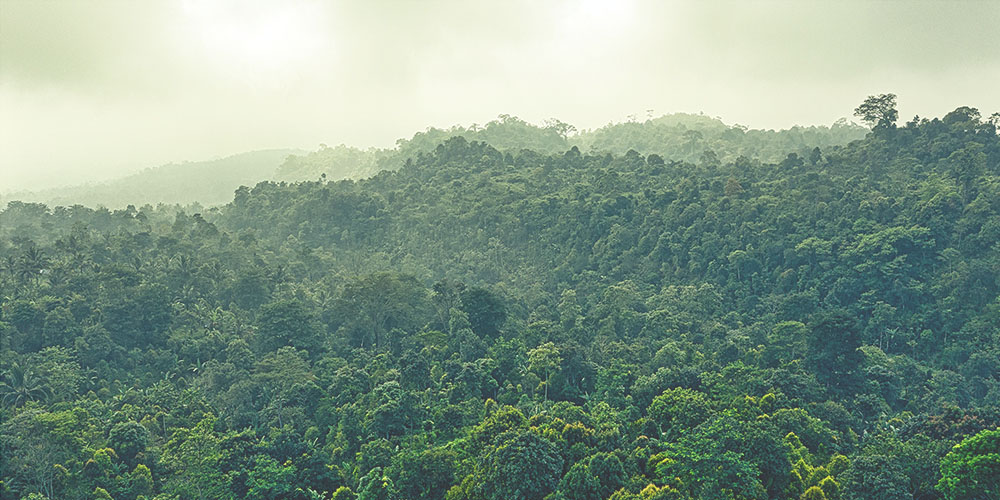
Students conduct a simulation in which countries use their forest resources to “manufacture” products and to sell them to an international trader. Through the simulation, students explore some of the tradeoffs of resource use.
Students analyze factors that can change forests by using data sets, maps and other information. They also examine projections about future climate conditions and explore how these factors may change forests in the 21st century.
A holistic system of global ecological zones is now used to classify the world’s forests. In this activity, students examine this system to see how temperature and moisture determine the type of forest in a given locale.
Students identify local watersheds and their forest cover, analyze a specific watershed in Maine, and evaluate the extent to which their own community’s water supply is affected by forests and forest management.