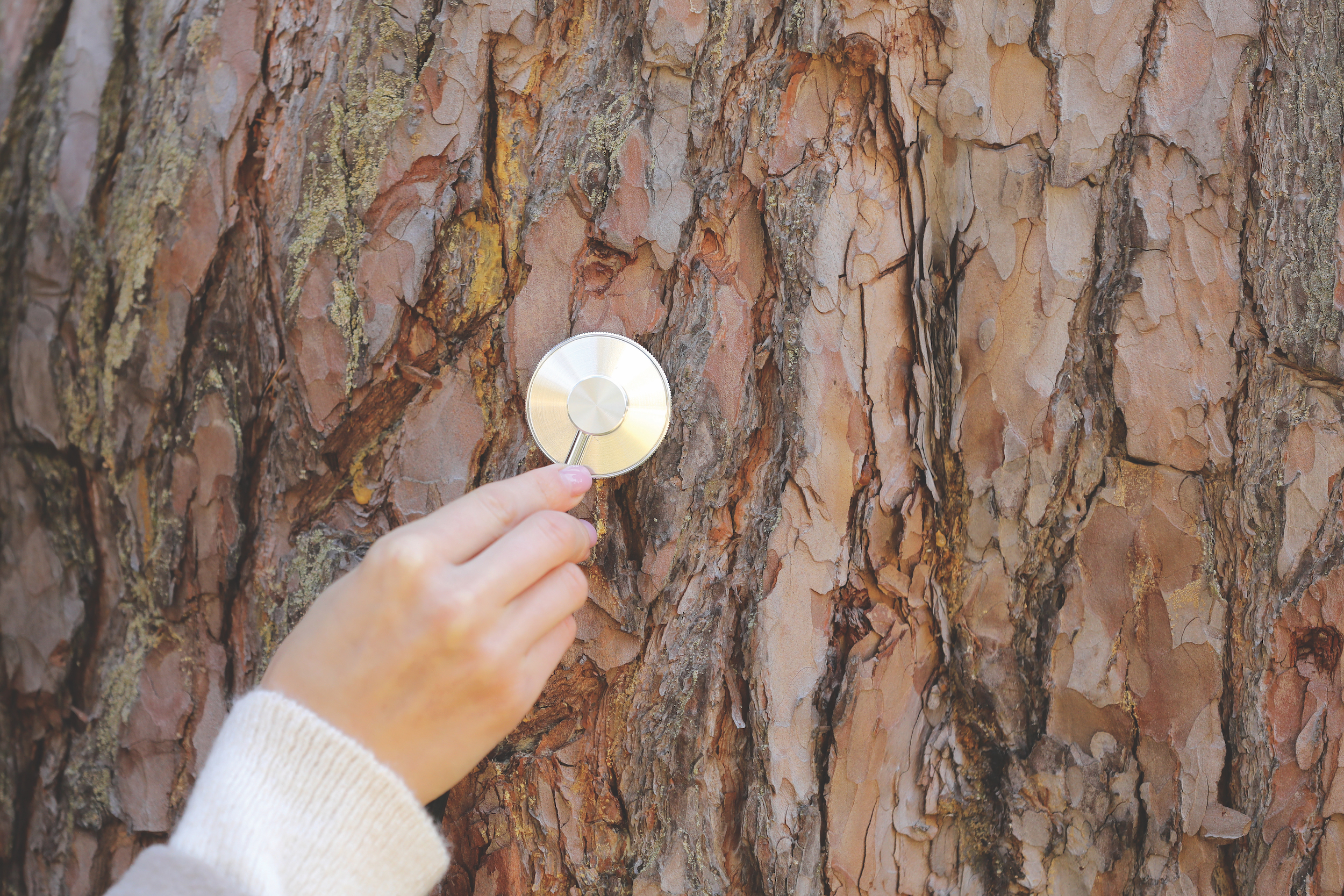
Trees in Trouble
Students examine trees for signs of damage or poor health and investigate conditions that may cause trees and other plants to become unhealthy.

Students examine trees for signs of damage or poor health and investigate conditions that may cause trees and other plants to become unhealthy.
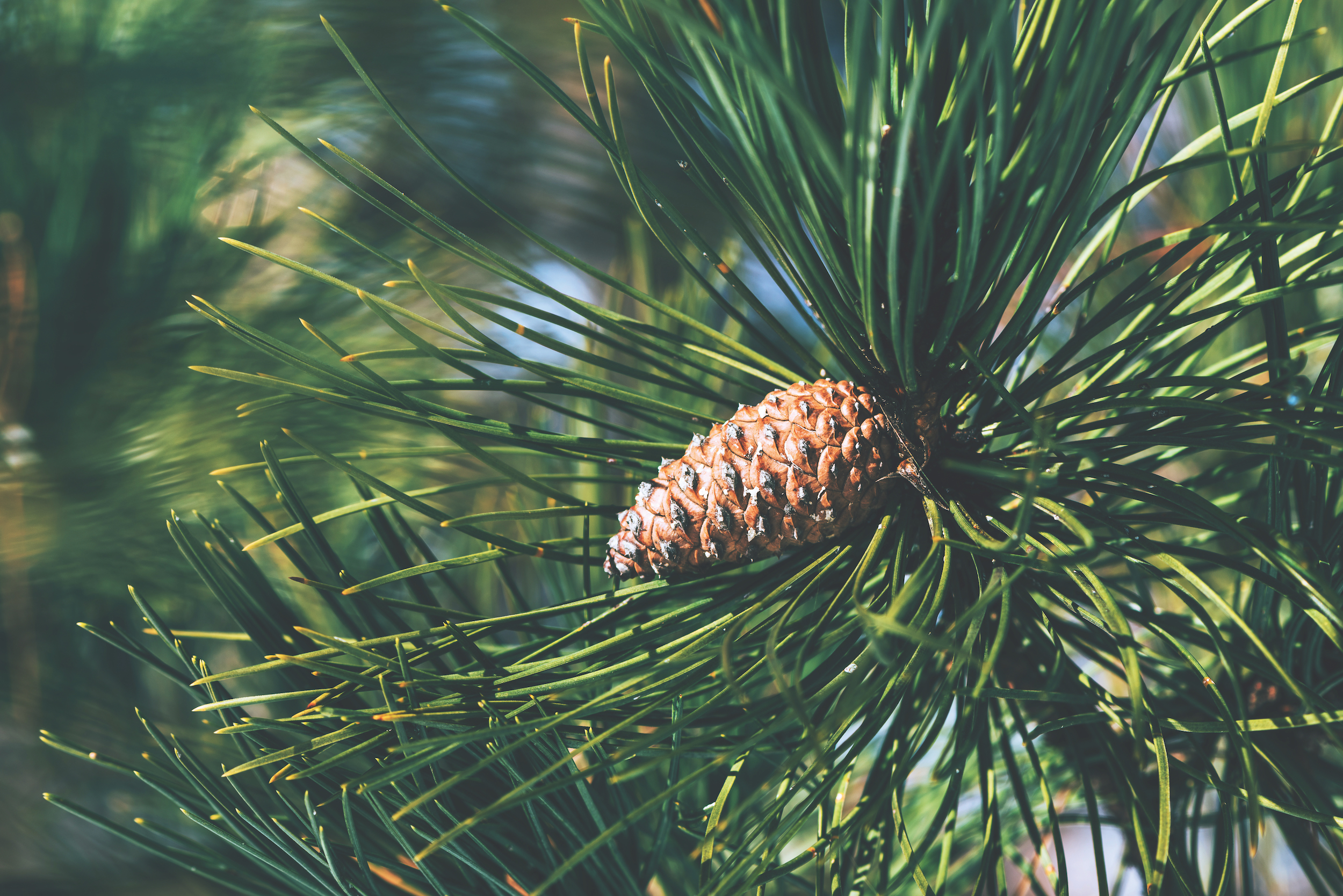
Tree species can be identified by looking at several different features: leaves, bark, twigs, flowers, fruit, and seeds. Even the overall shape of a tree can give clues to the tree’s identity.
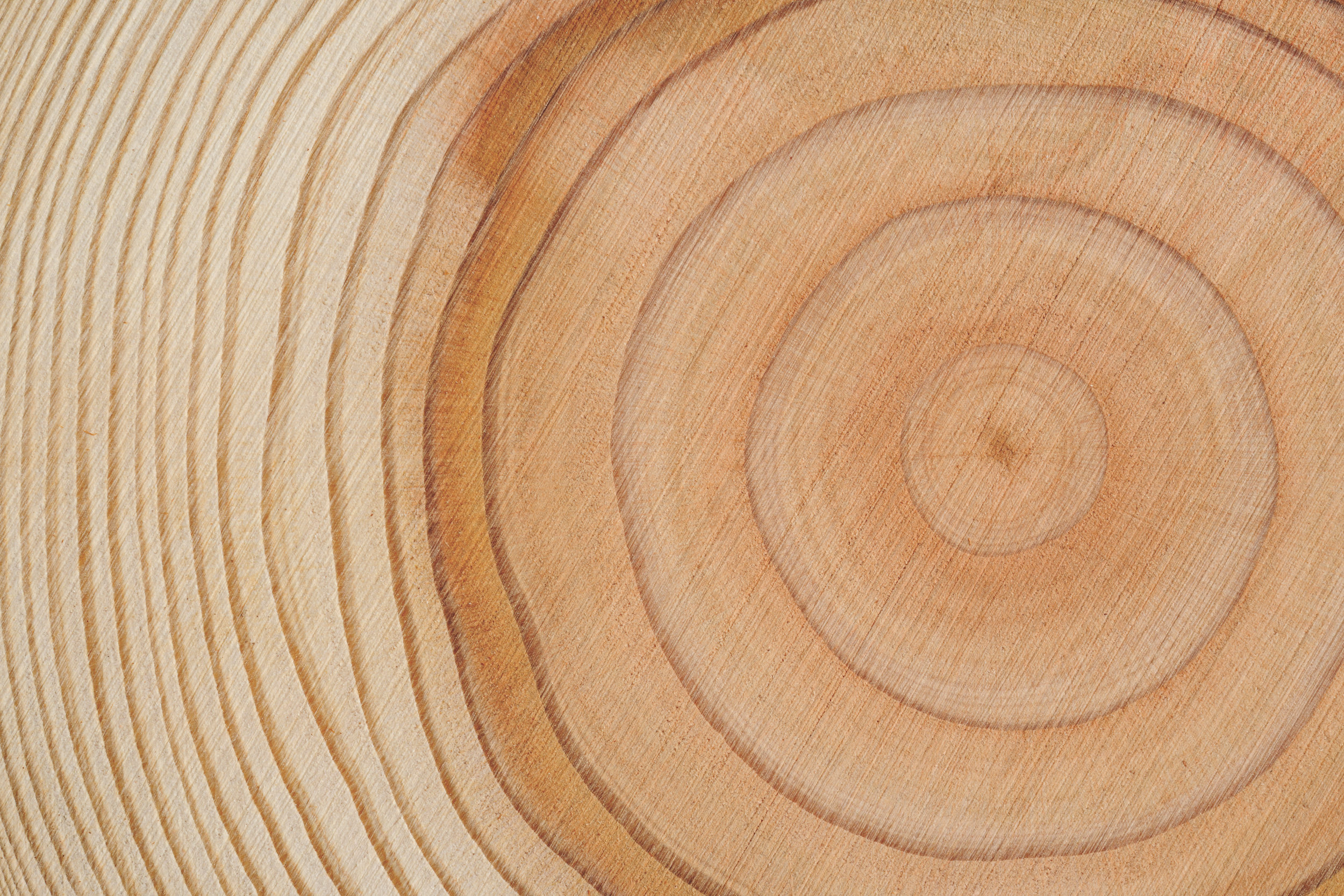
Tree rings show patterns of change in the tree’s life, as well as changes in the area where it grows. Students will trace environmental and historical changes using a cross-section of a tree.
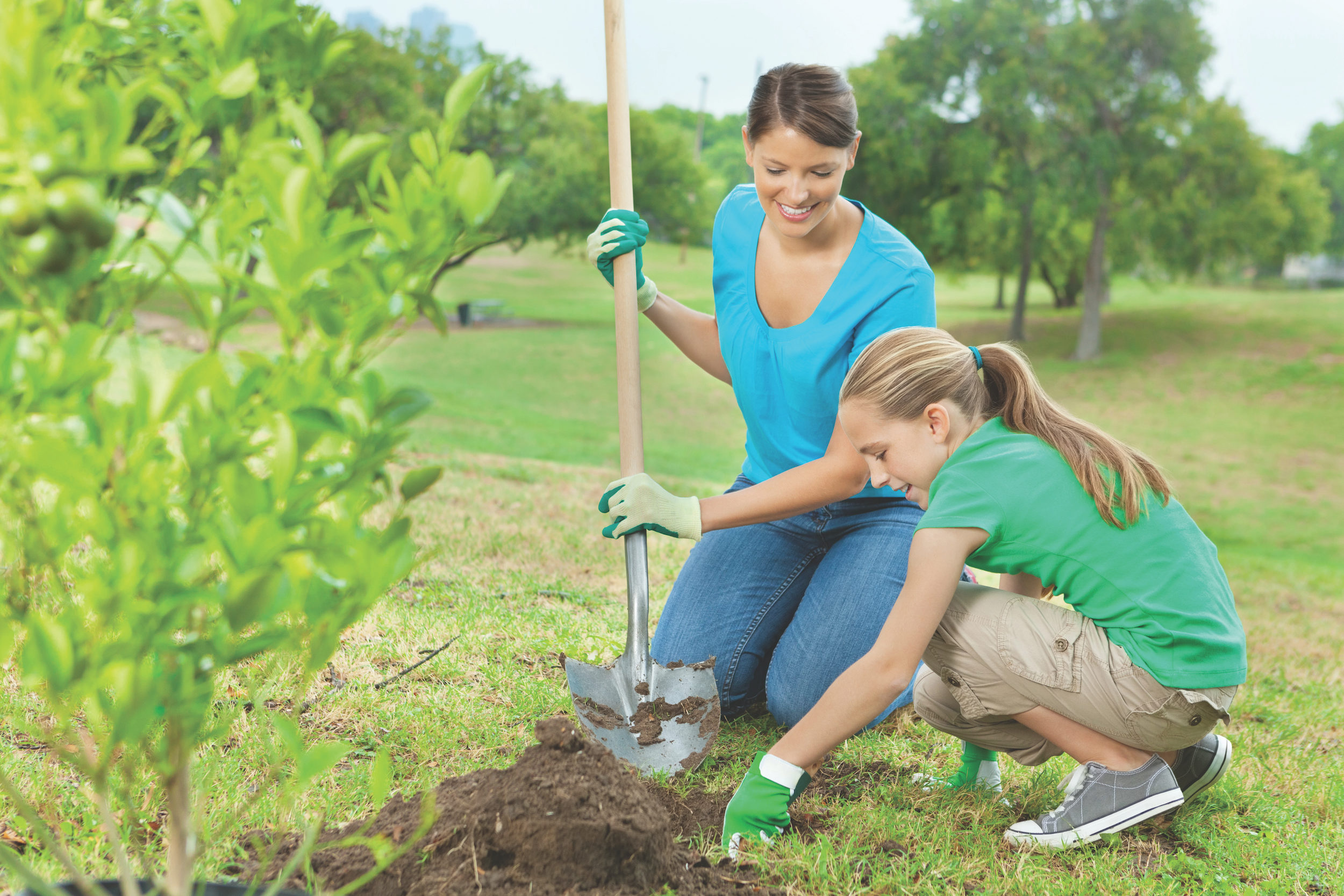
Students explore differences in soil types and what those differences mean to people and to plants. They also investigate the role soil organisms play, both in building soil and in decomposition.
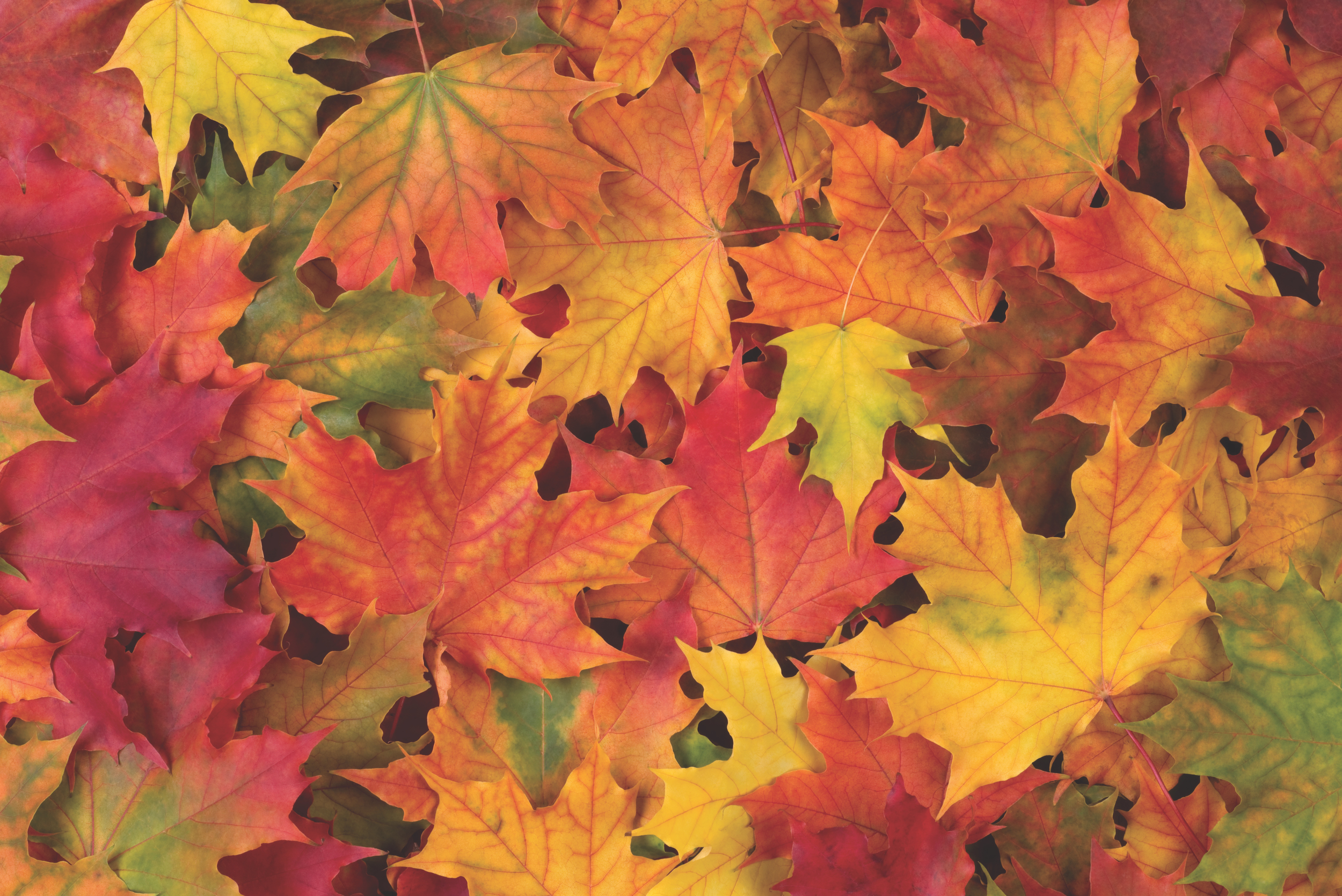
Students will look for signs of autumn and conduct an investigation to discover why the leaves of deciduous trees change color in the fall.

Regular time outdoors is beneficial for emotional, mental, and physical health, as well as for creativity, learning, and child development. In this activity, students will examine the physical and emotional effects of a task done outdoors.
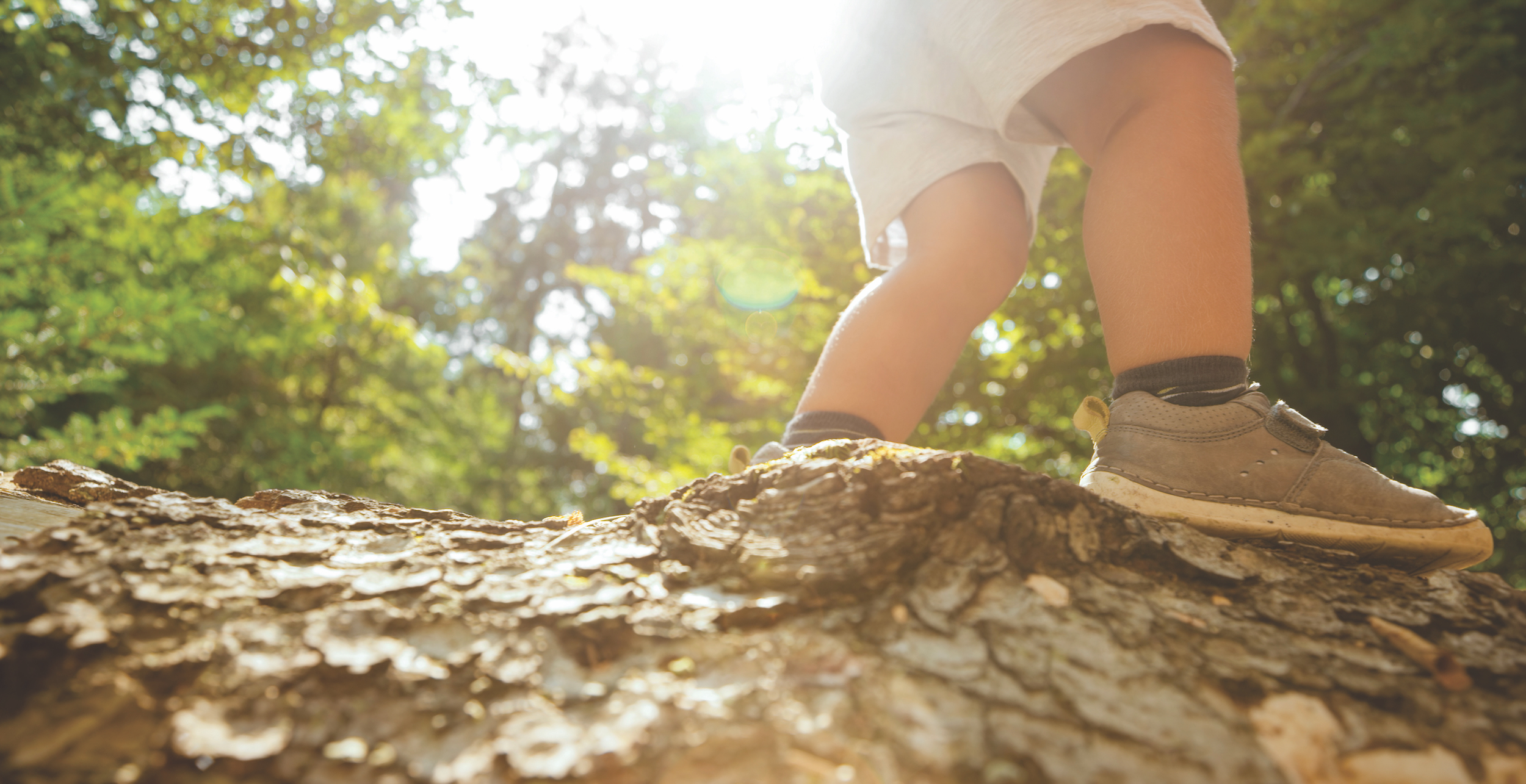
It’s amazing how many things live in and on rotting logs. In this activity, your students will become familiar with some of those organisms by observing fallen logs or other decomposing pieces of wood.
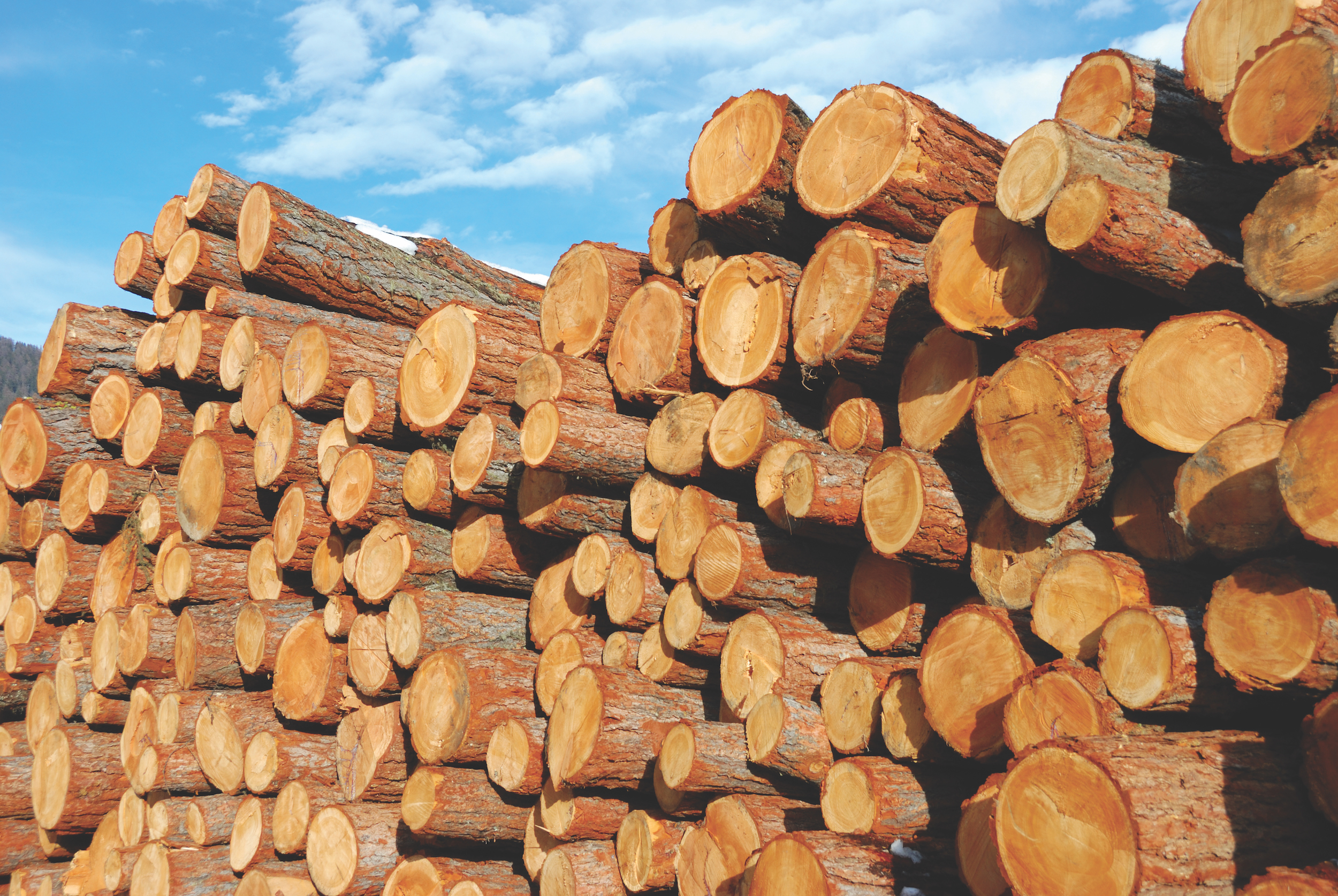
Students are often surprised to learn how many different products we get from trees. Use this activity to help students learn just how much we depend on trees in our daily lives.
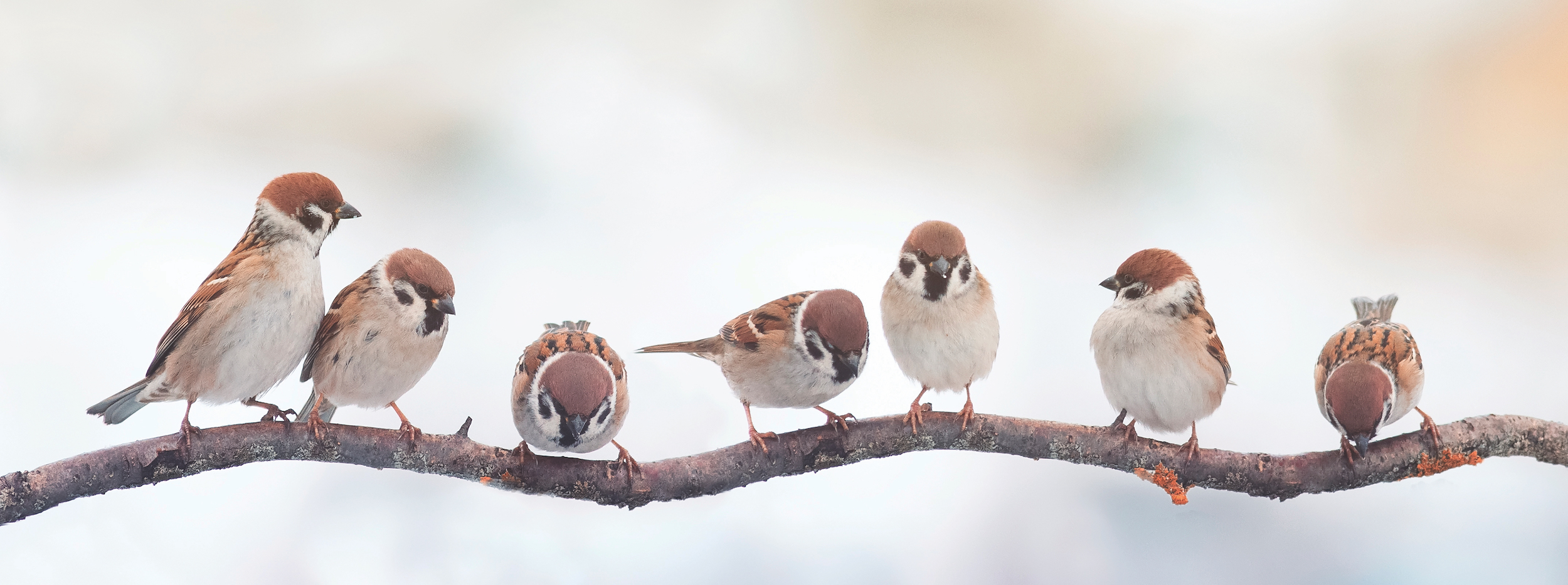
From their leafy branches to their tangled roots, trees provide habitat for a host of plants and animals. Students will inventory the plants and animals that live in, on, and around trees and discover how plants and animals depend on them.
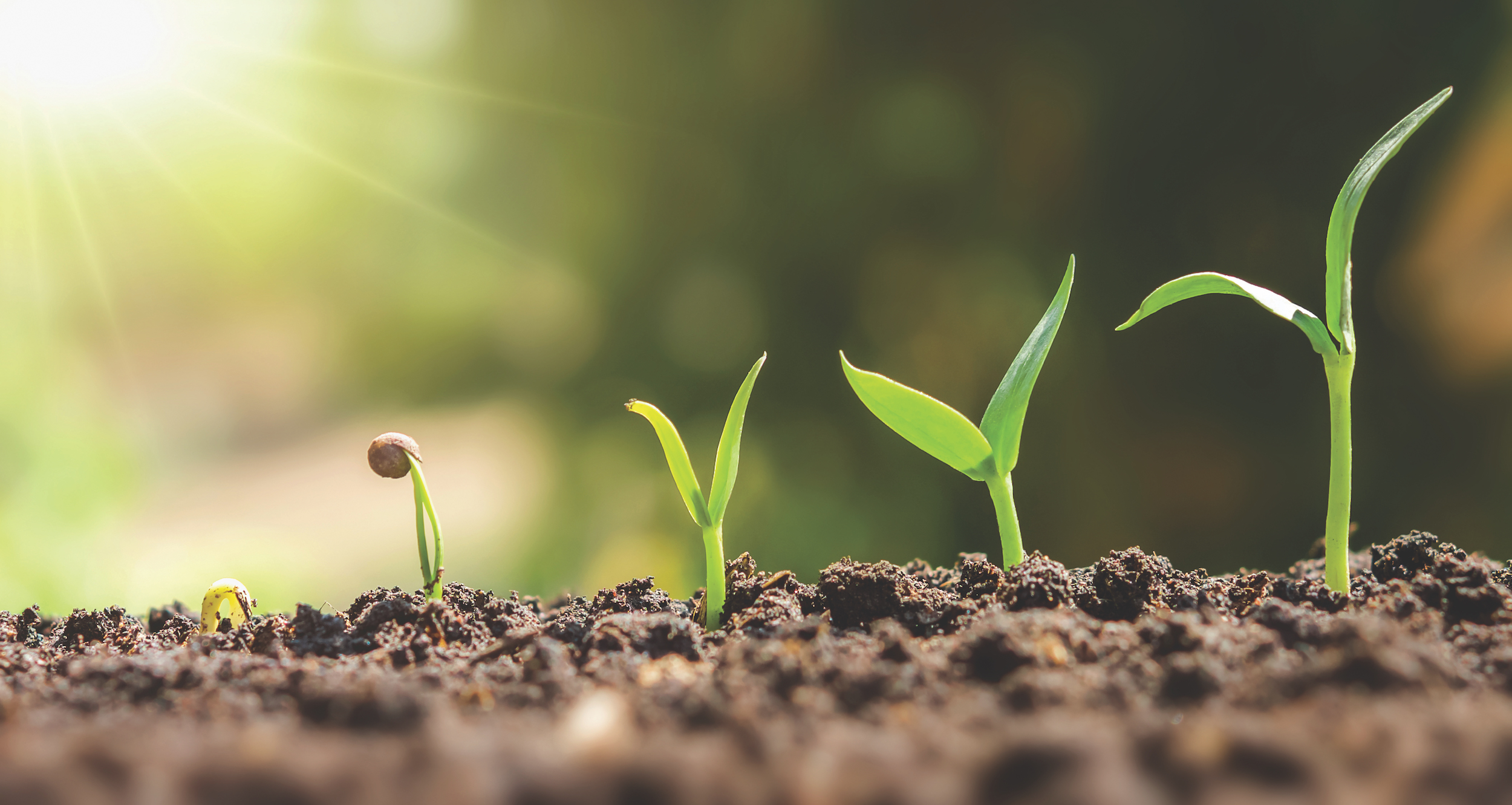
A plant is a biological system that needs sunlight, water, air, nutrients, and space in order to survive and thrive. Students conduct inquiry-based experiments to explore these essential plant requirements.