Have Seeds, Will Travel
A plant is a biological system containing processes and components that enable it to grow and reproduce. By observing, collecting, and classifying seeds, students examine one aspect of a plant’s reproductive system.
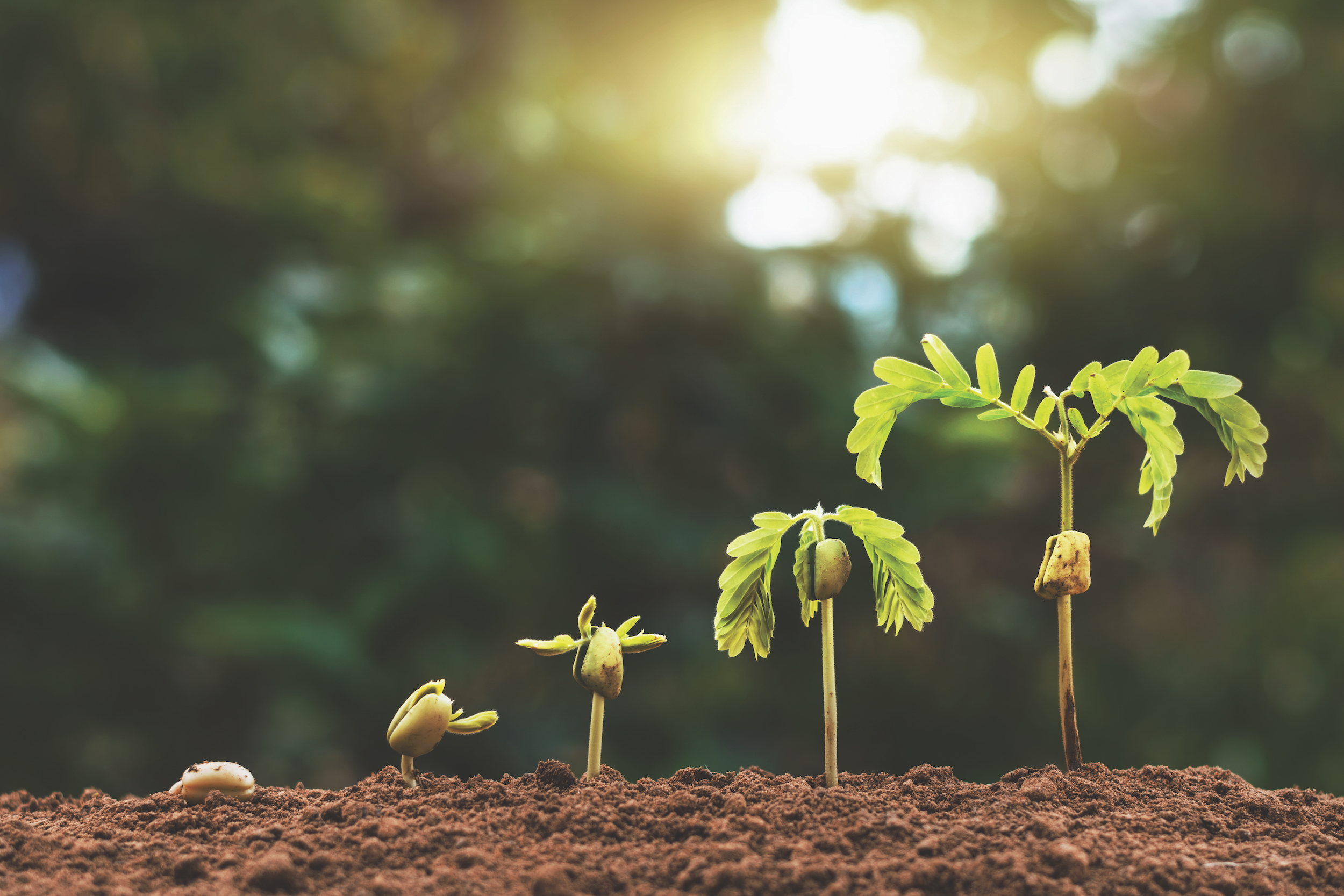
A plant is a biological system containing processes and components that enable it to grow and reproduce. By observing, collecting, and classifying seeds, students examine one aspect of a plant’s reproductive system.
Students observe differences over time to learn that change in the environment can occur quickly, slowly, or not at all.
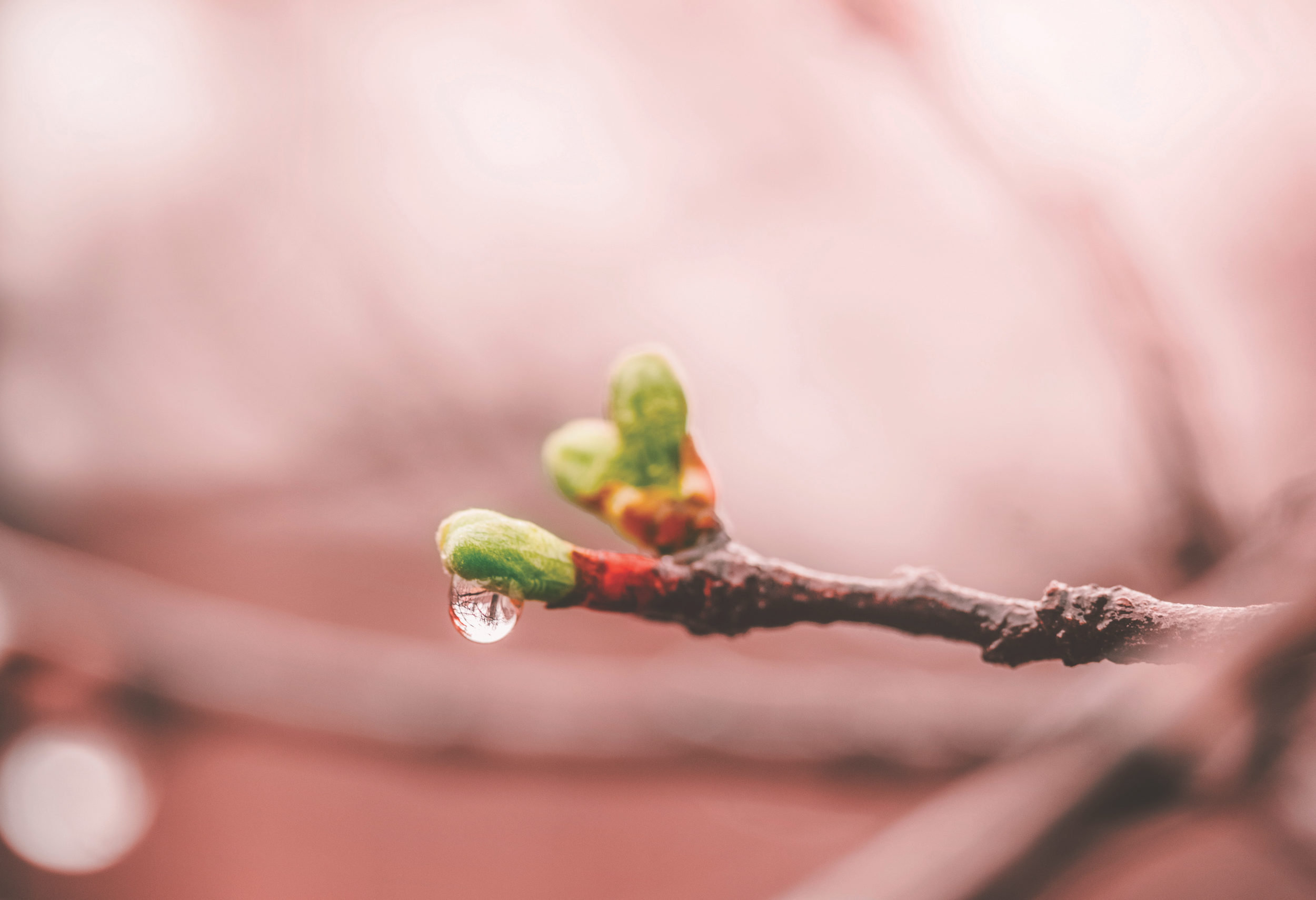
In early spring, many trees sprout bright green leaves. Where do the leaves come from? How do they form? Students investigate these questions by observing tree buds throughout the year.
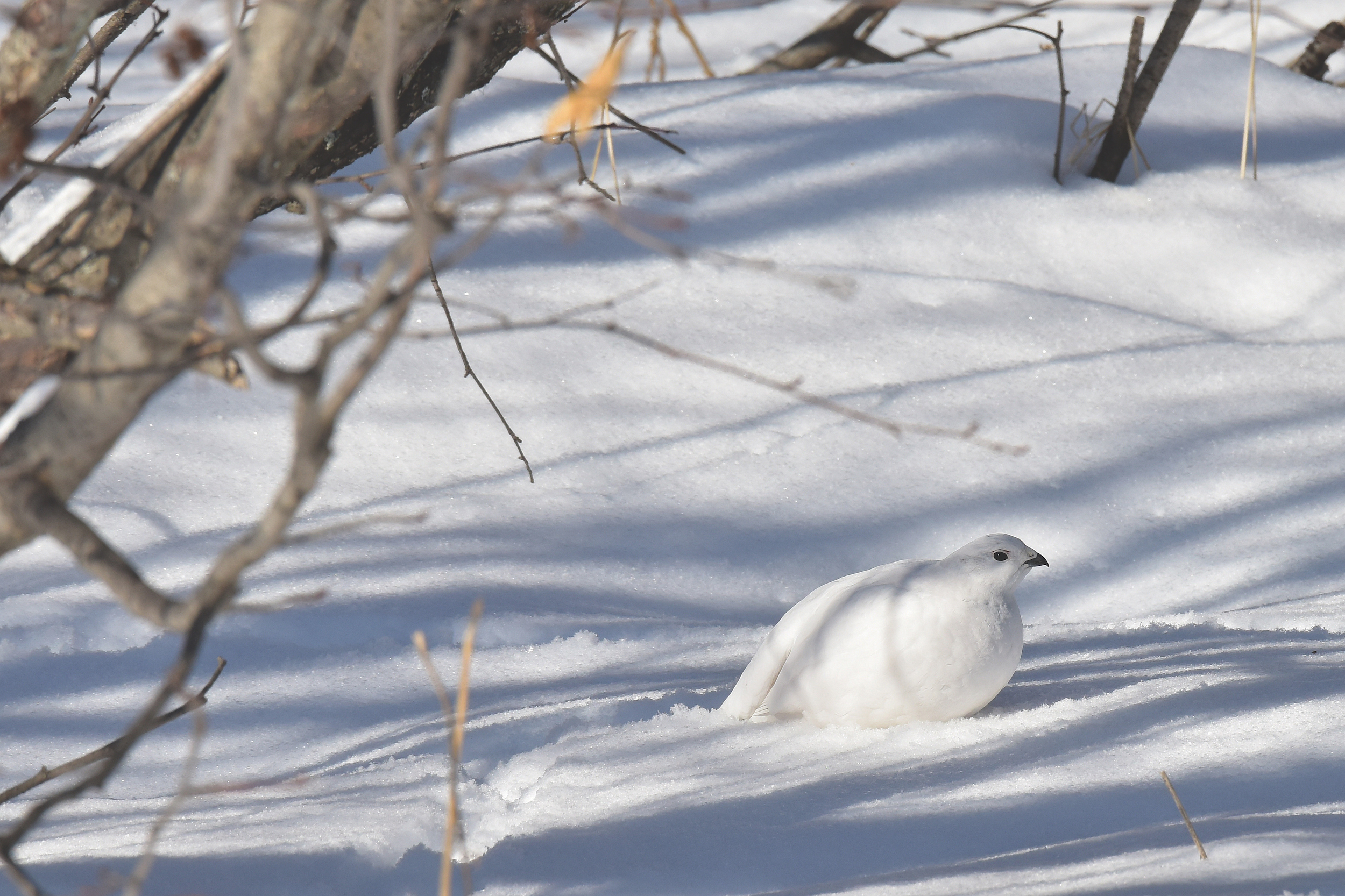
Camouflage is an essential survival strategy in the natural world. Students discover the value of protective coloration as they pretend to be birds in search of colored bugs.
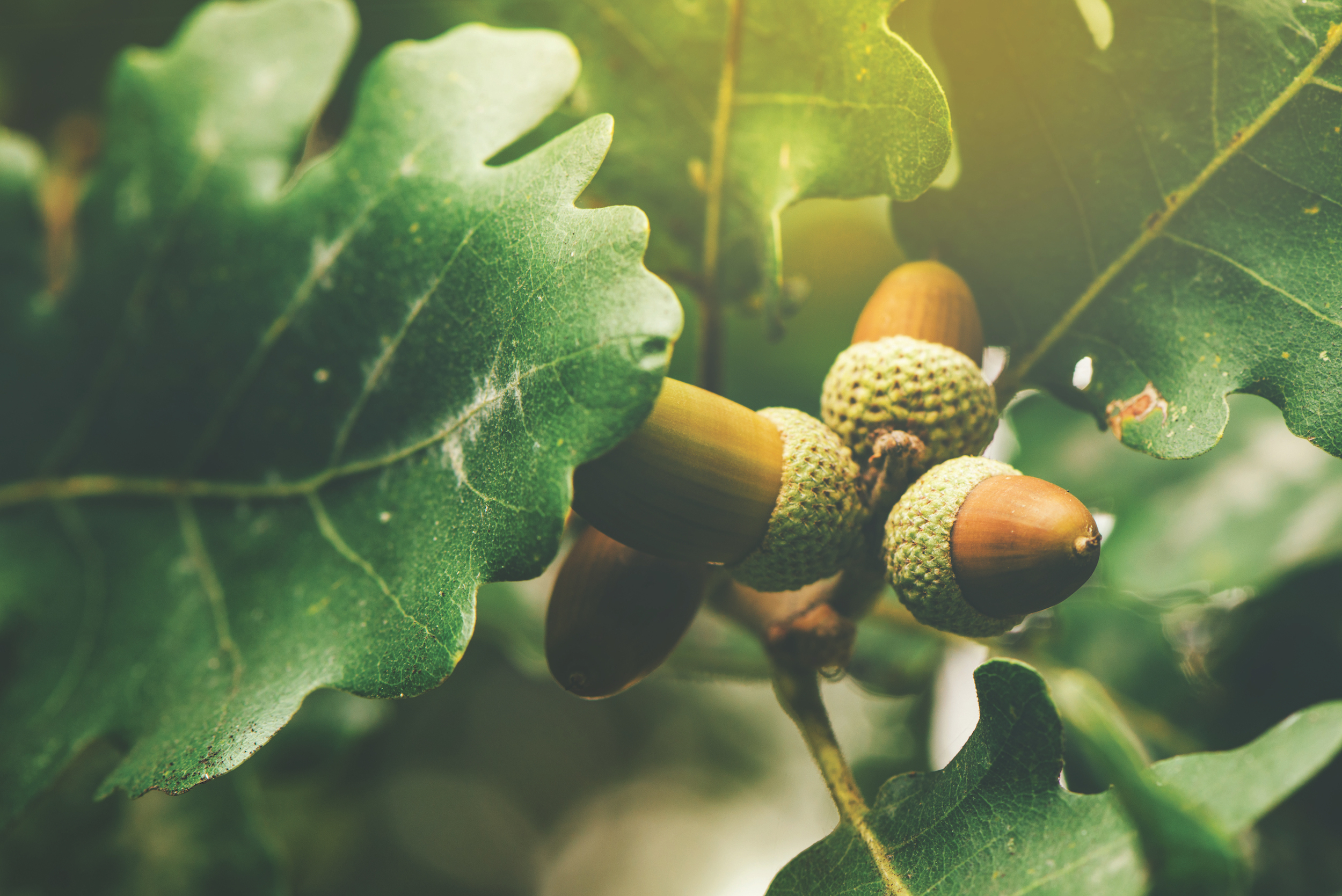
Students discover that trees have life stages that are similar to those of other living things. They discuss a tree’s role in the ecosystem at each stage of its life.
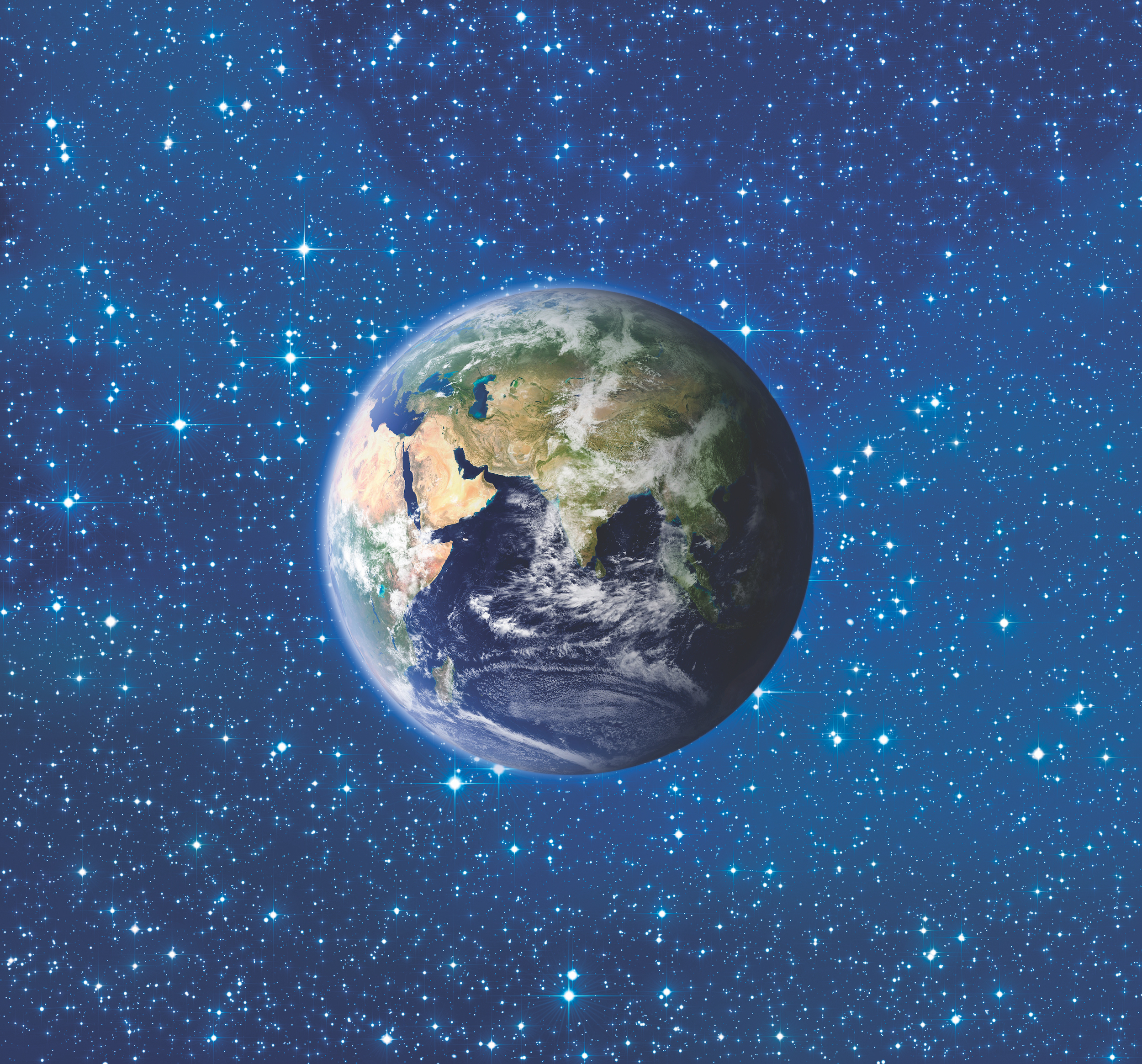
Students imagine that they are visitors from outer space, viewing life on Earth for the first time. By describing in minute detail all the life they find in a small plot of land, they will become more aware of the diversity and abundance of life.
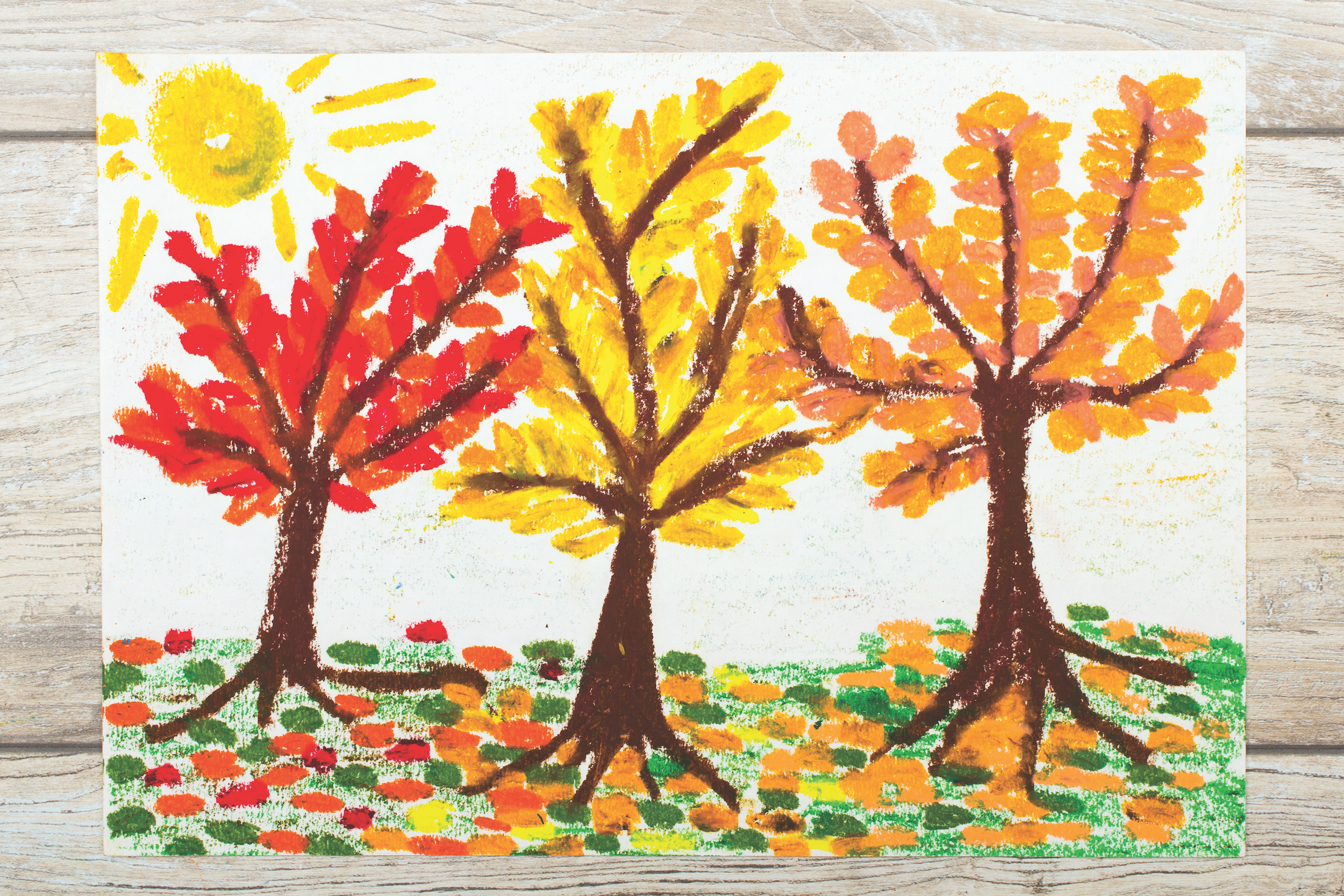
Even though students may be very familiar with trees, they may not have thought much about the actual structure of a tree. In this activity, your students will go outdoors or view pictures to take a closer look at trees and their parts.
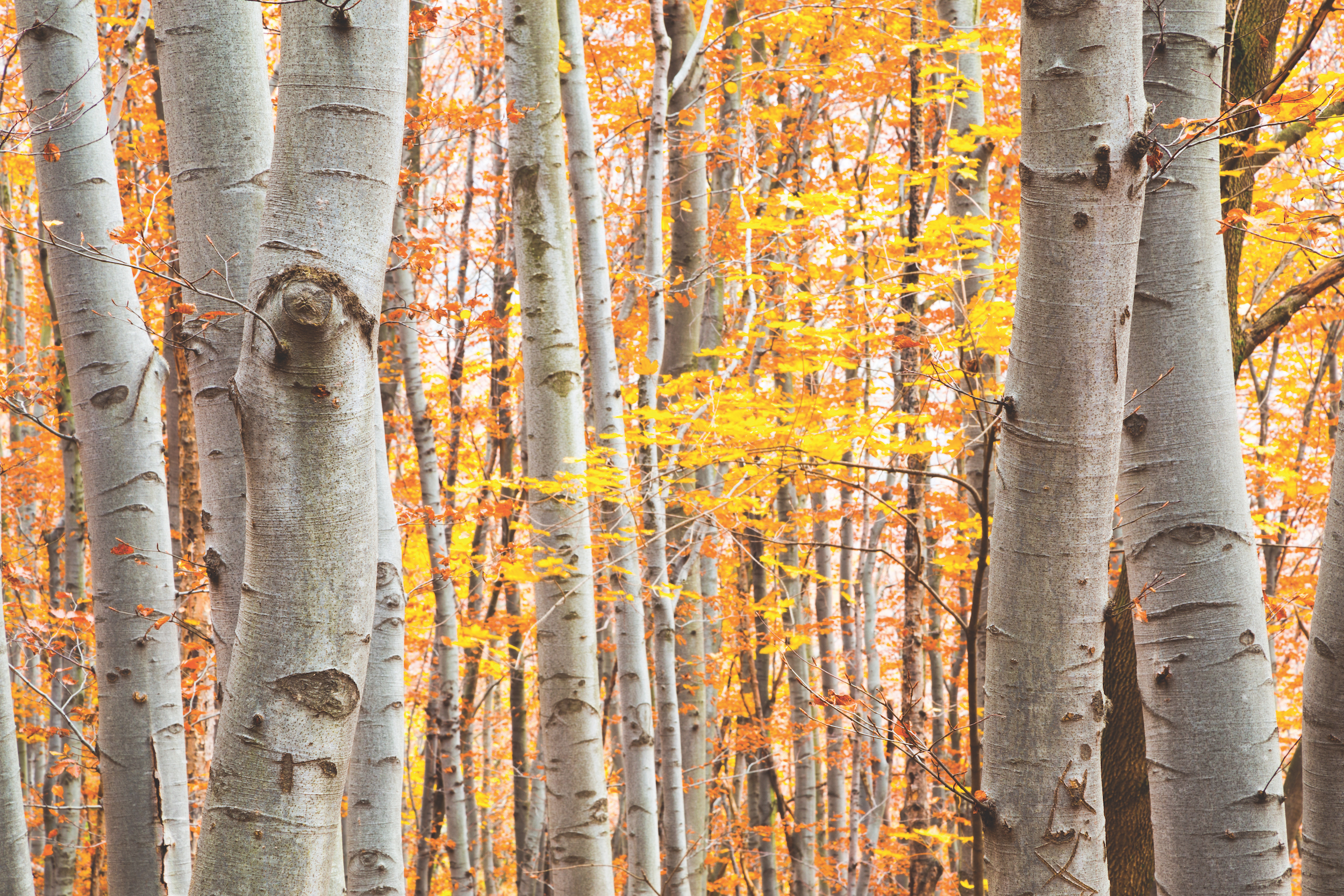
Students explore their sense of smell and discover why smell is important to animals, including beetles and humans.
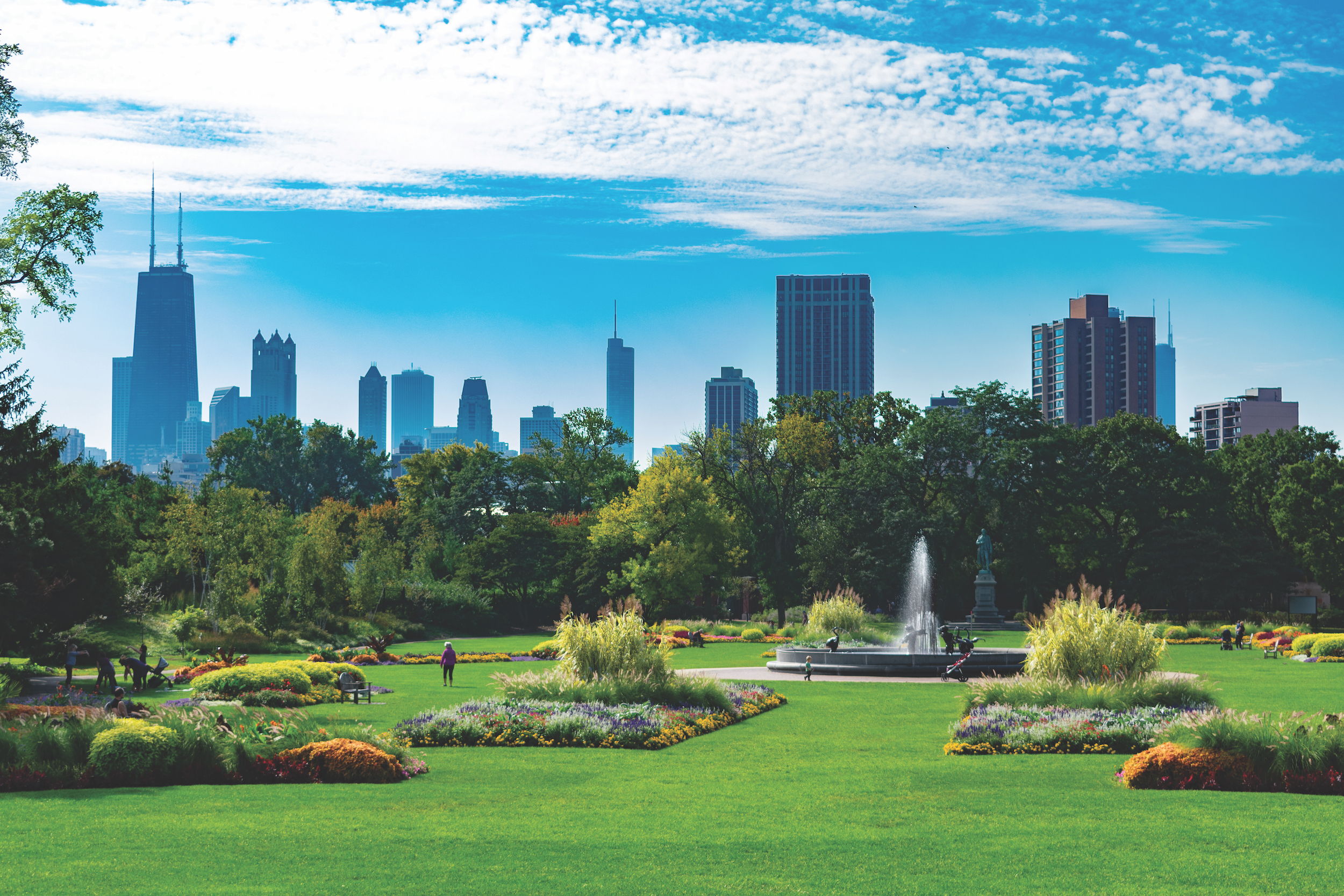
The trees in our communities provide many benefits: they improve air quality, store carbon, and conserve energy.
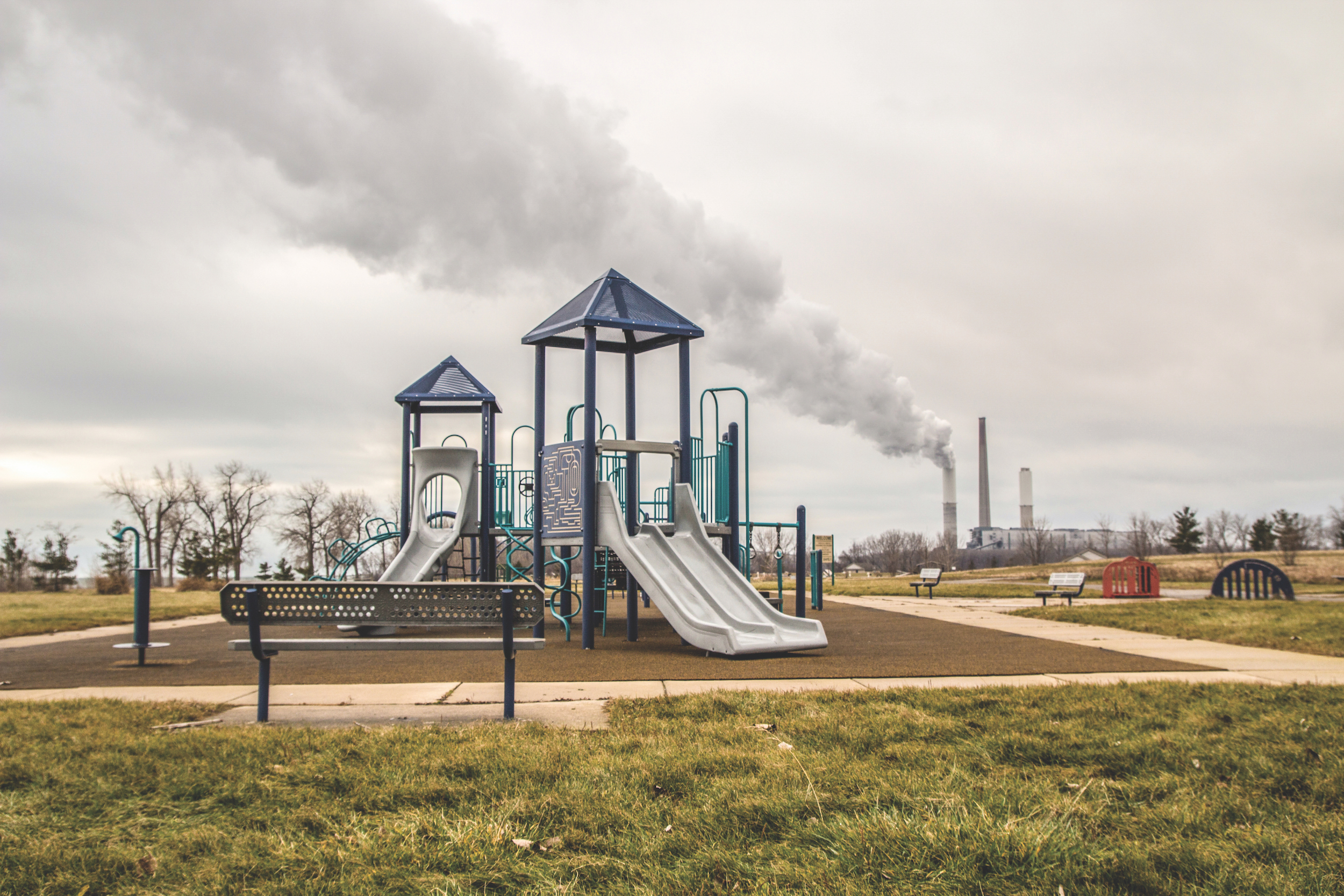
Everyone has an equal right to a healthy environment—but does everyone have a healthy environment?