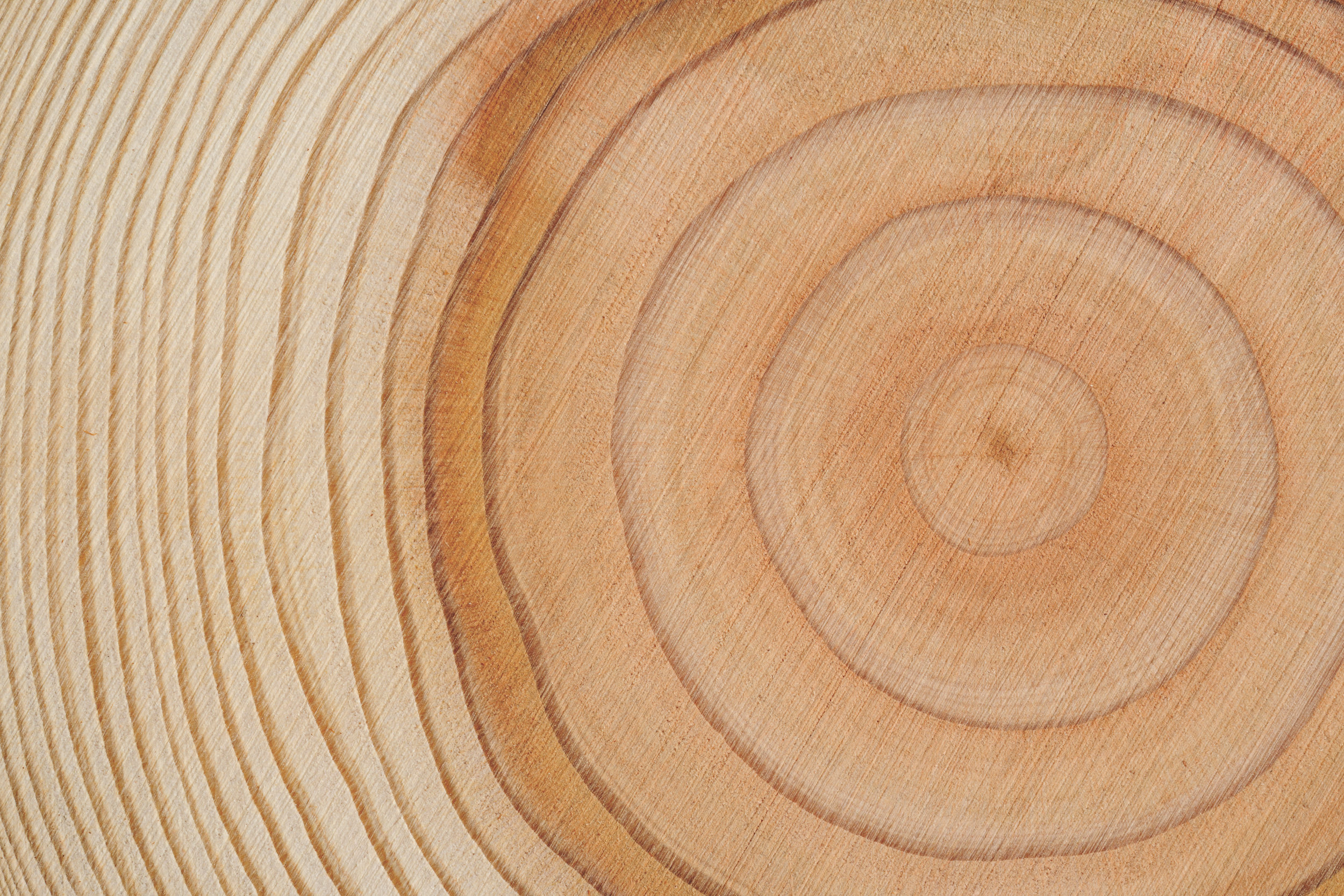
Tree Cookies
Tree rings show patterns of change in the tree’s life, as well as changes in the area where it grows. Students will trace environmental and historical changes using a cross-section of a tree.
Tree rings show patterns of change in the tree’s life, as well as changes in the area where it grows. Students will trace environmental and historical changes using a cross-section of a tree.
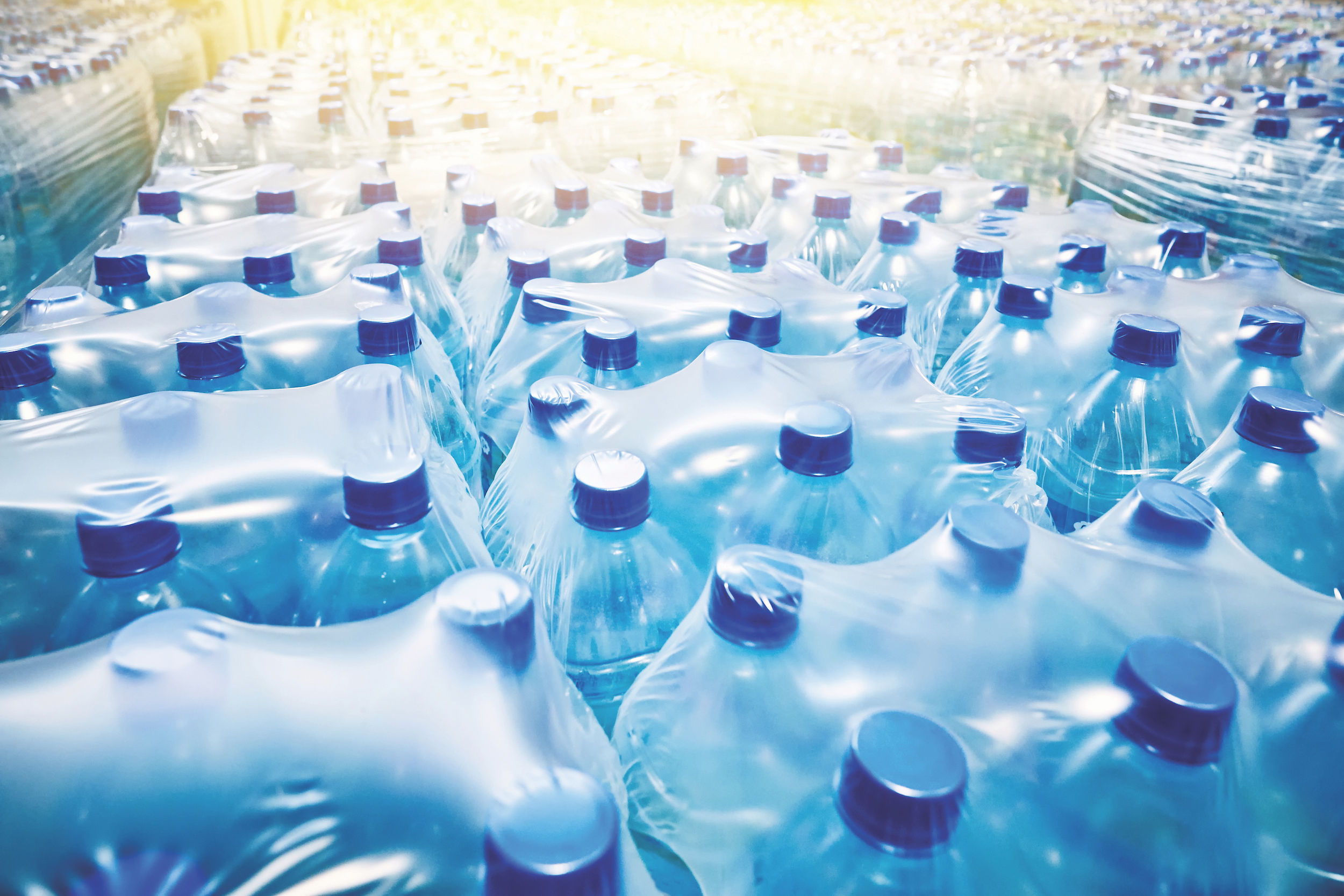
Nearly everything we buy comes in some sort of package. Students examine the pros and cons of different packaging and design an “ideal” package.
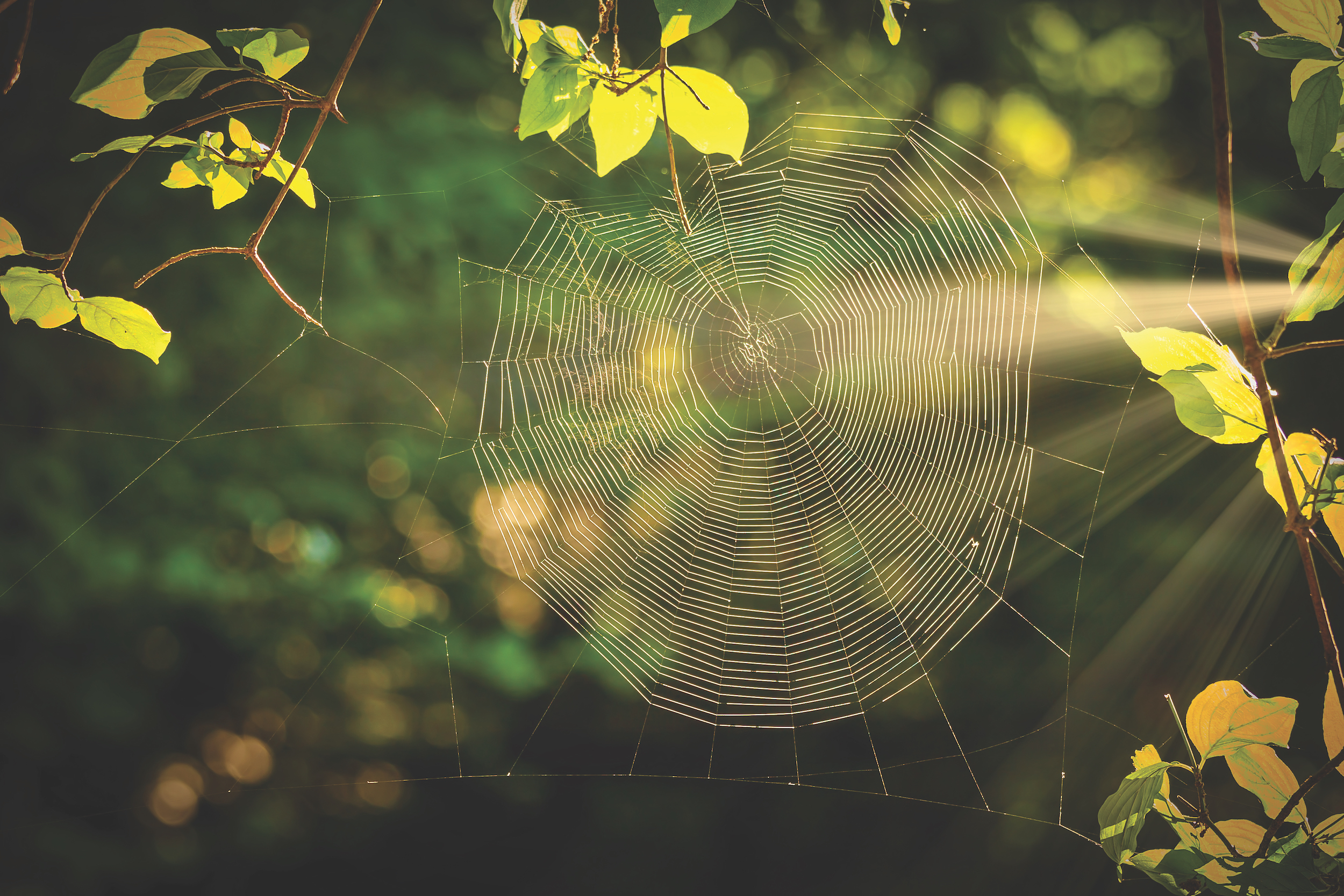
By conducting research and modeling a food web, students take a close look at a forest ecosystem and discover ways that plants and animals are connected to one another.
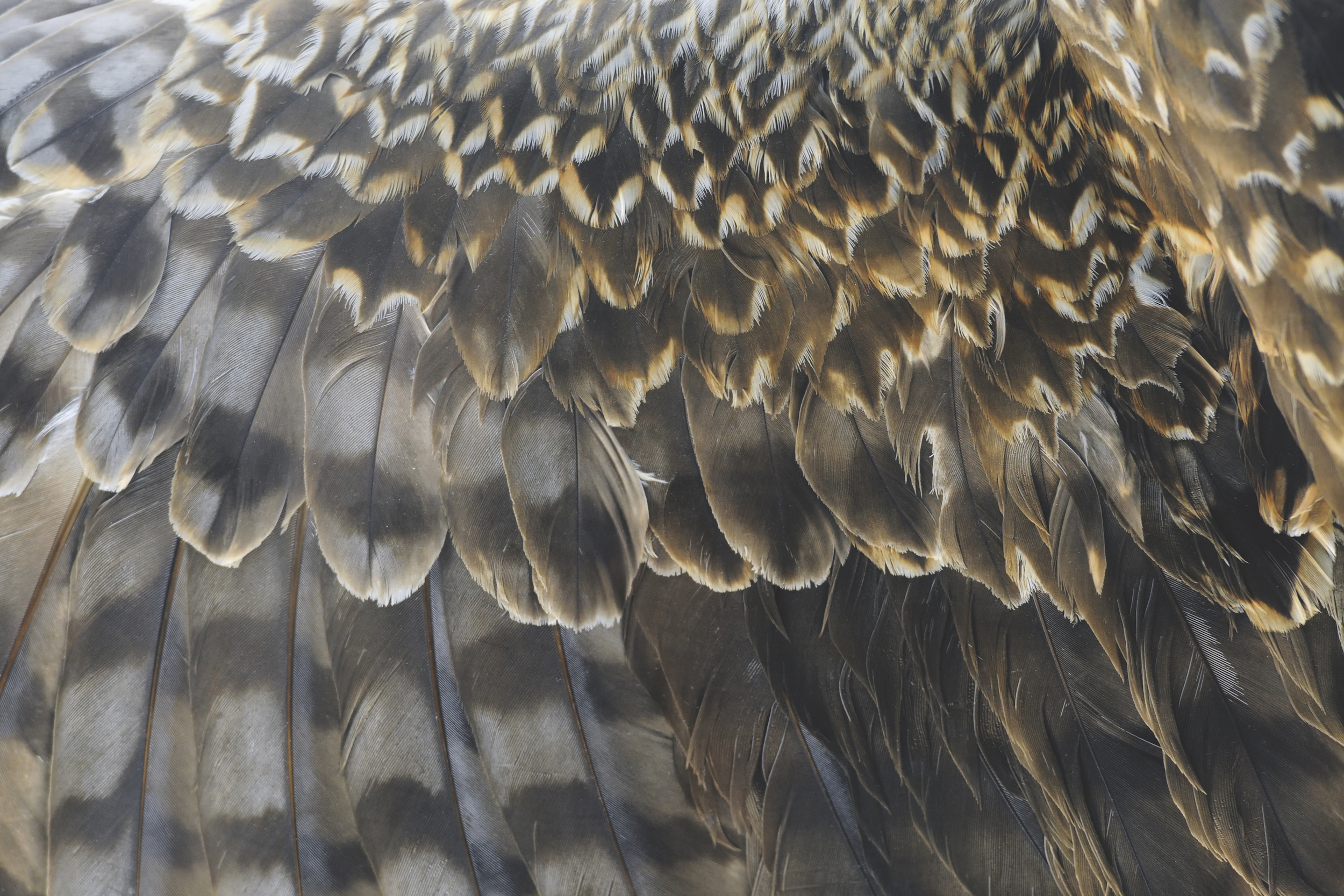
Students explore the amazing diversity of life on Earth and discover how plants and animals are adapted for survival. This activity helps students understand why there are so many different species and teaches them the value of biodiversity.
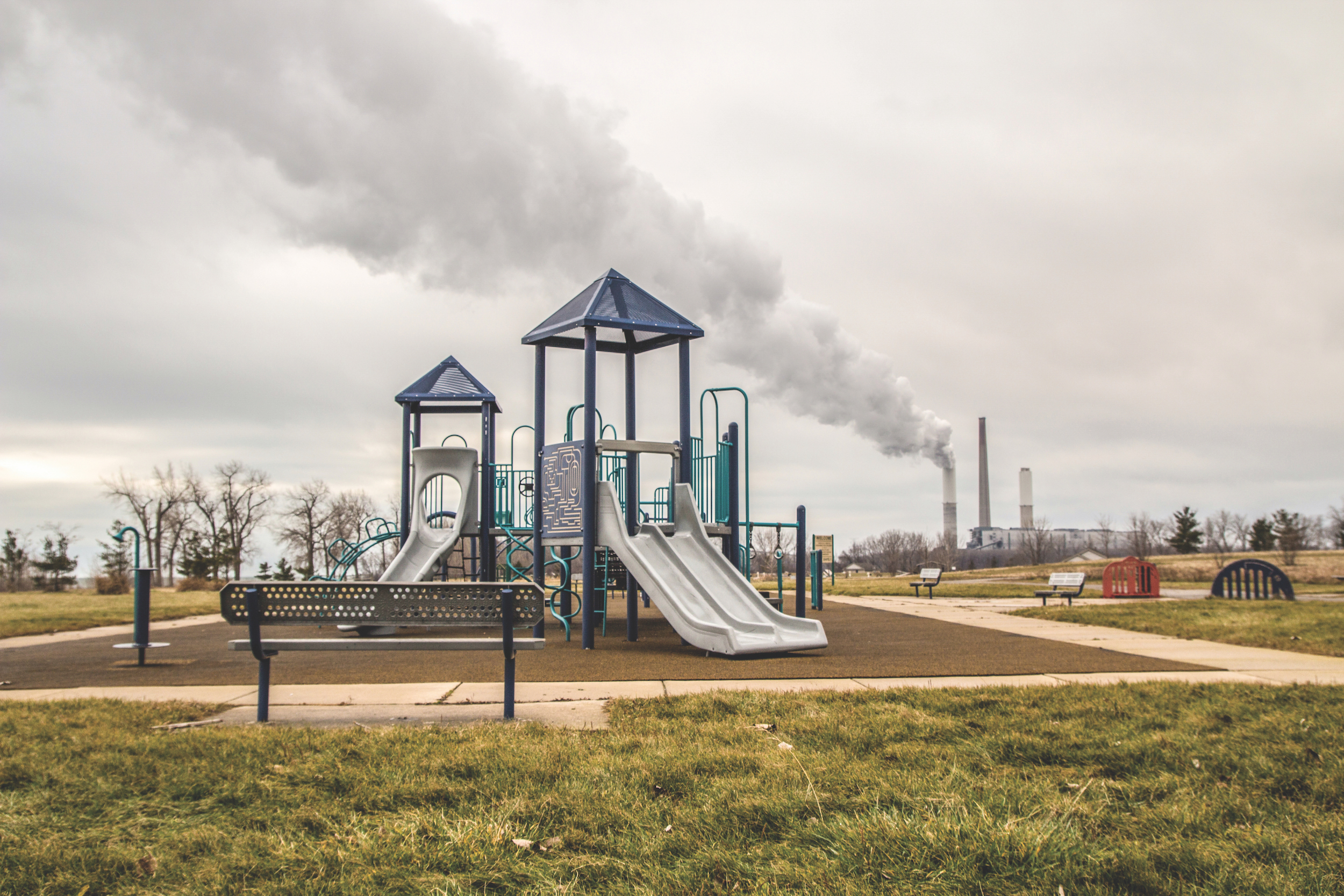
Everyone has an equal right to a healthy environment—but does everyone have a healthy environment?
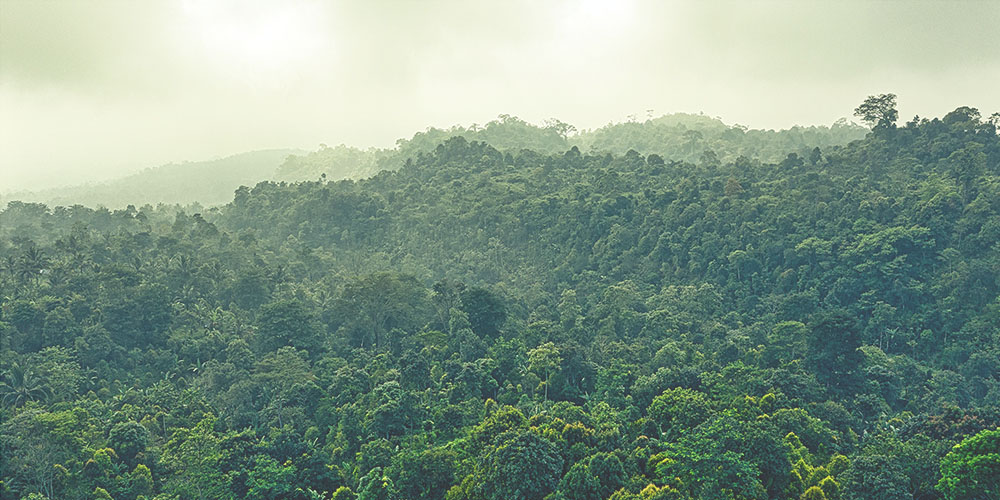
Students explore their connections to the world’s forests by researching a forest in another country or region and by creating a profile about that forest.
Using paper as an example, students analyze the life cycle and consumption patterns of forest products, and identify the international dimensions of product use. They then draw conclusions about consuming forest products in a more intelligent way.
Students conduct a simulation in which countries use their forest resources to “manufacture” products and to sell them to an international trader. Through the simulation, students explore some of the tradeoffs of resource use.
Students create and conduct a survey to help them determine how they and others view themselves as linked to forests around the world.
Students conduct a forest health checkup of a local forest area, will take forestry measurements, and will evaluate the ecological services provided by trees and forests.