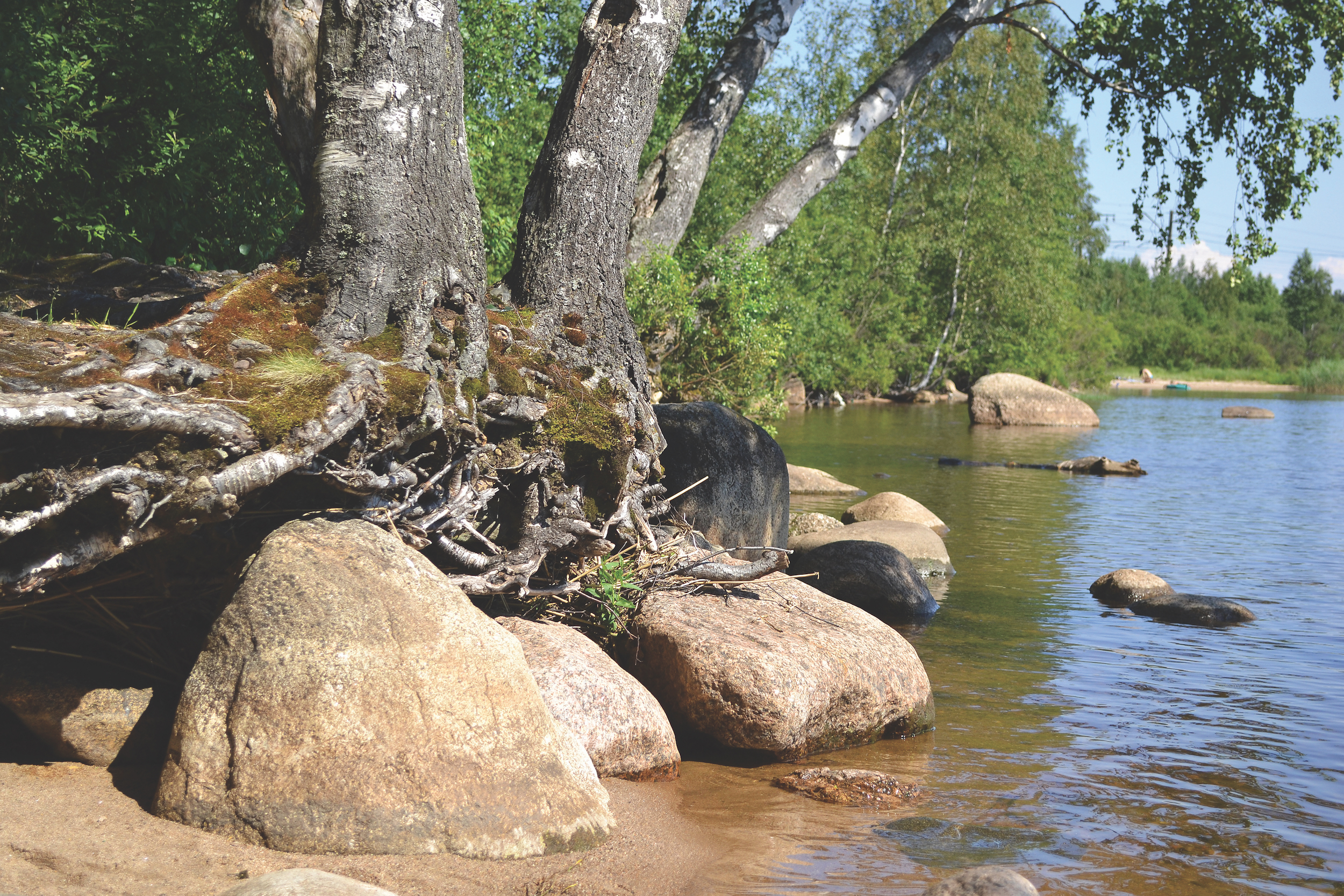
Field, Forest, and Stream
Students conduct a field study of three different environments as they focus on sunlight, soil moisture, temperature, wind, water flow, plants, and animals in each environment.
Students conduct a field study of three different environments as they focus on sunlight, soil moisture, temperature, wind, water flow, plants, and animals in each environment.
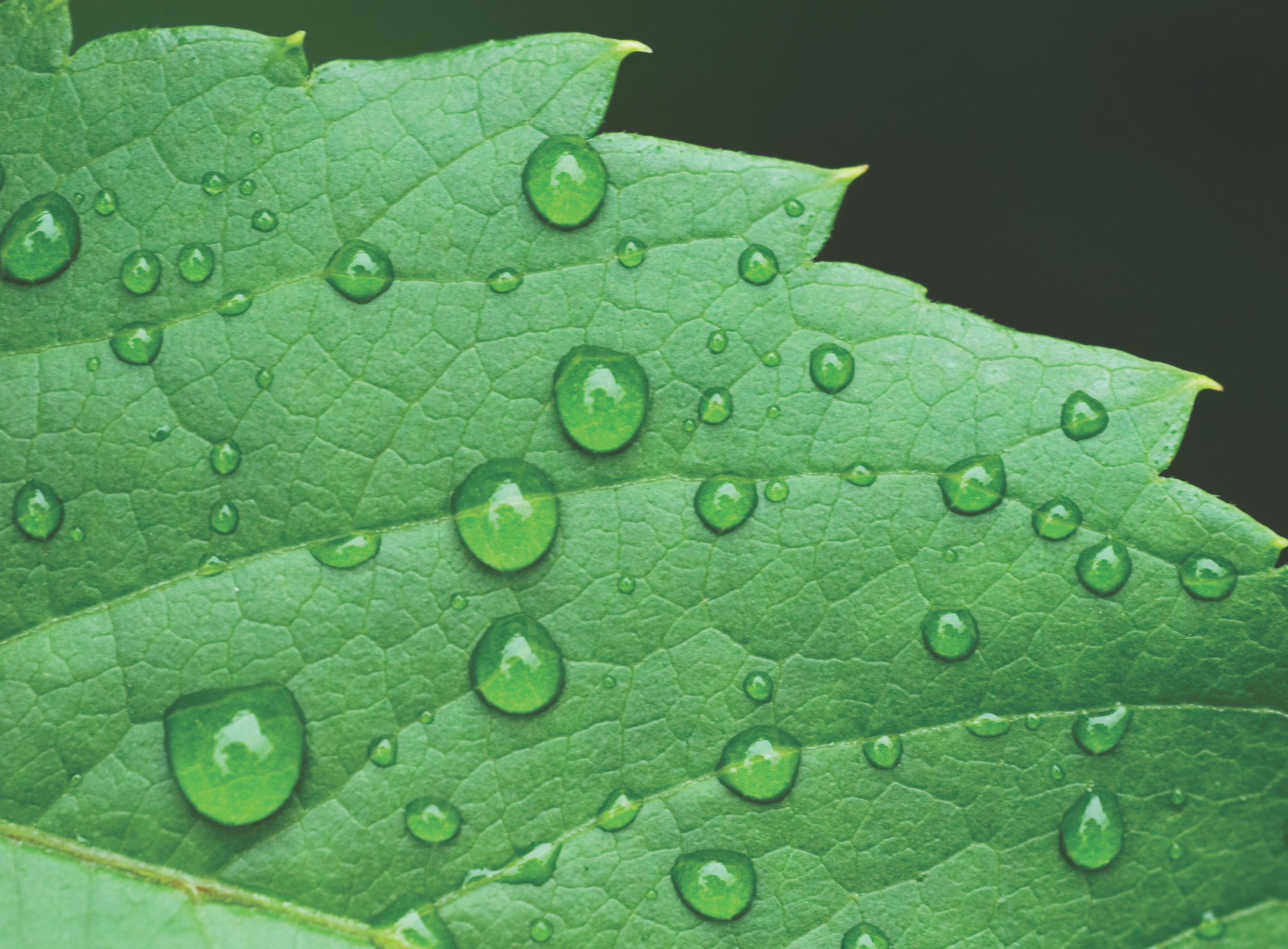
The water cycle is the system by which Earth’s water is collected, purified, and distributed from the environment to living things and then returned to the environment.
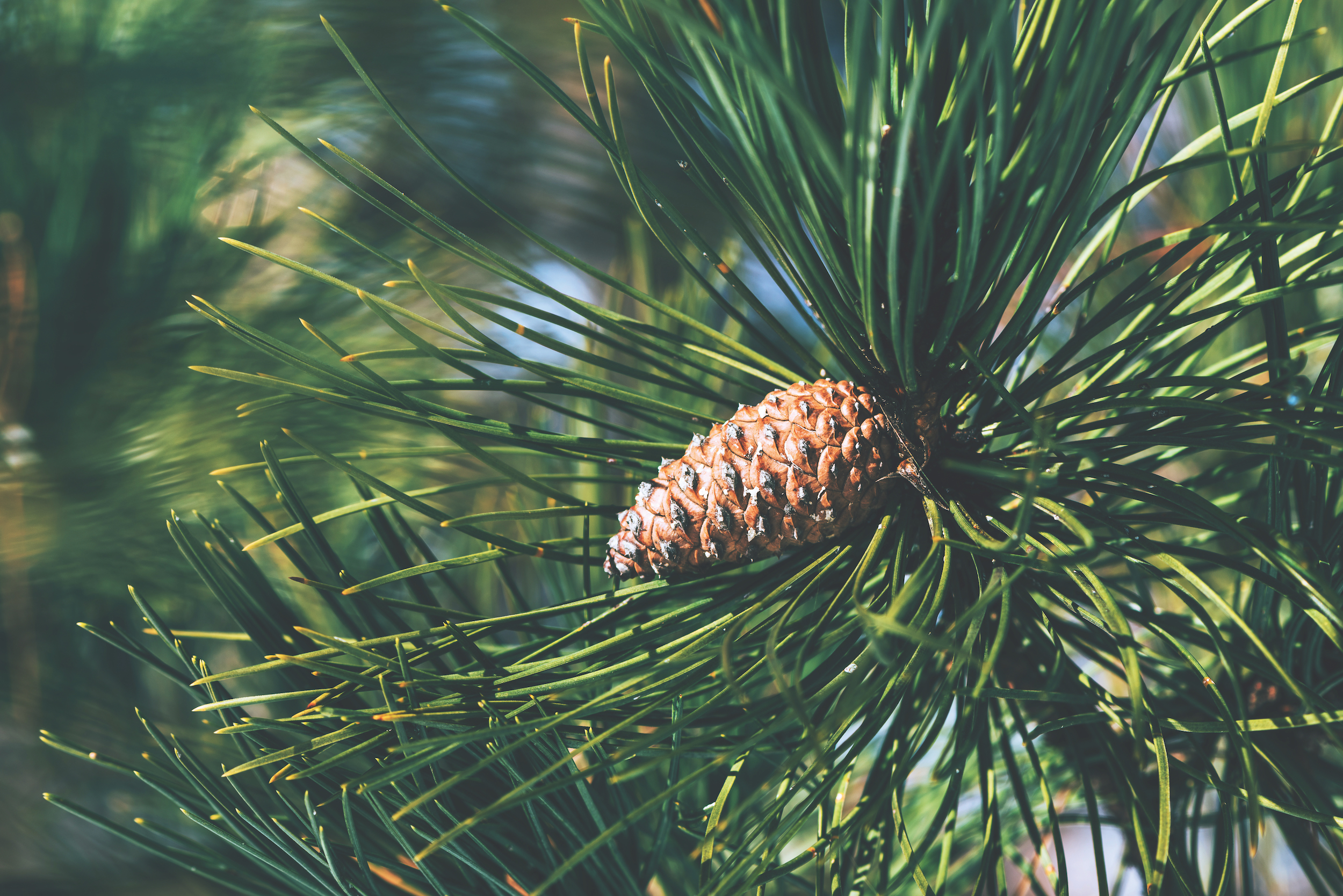
Tree species can be identified by looking at several different features: leaves, bark, twigs, flowers, fruit, and seeds. Even the overall shape of a tree can give clues to the tree’s identity.
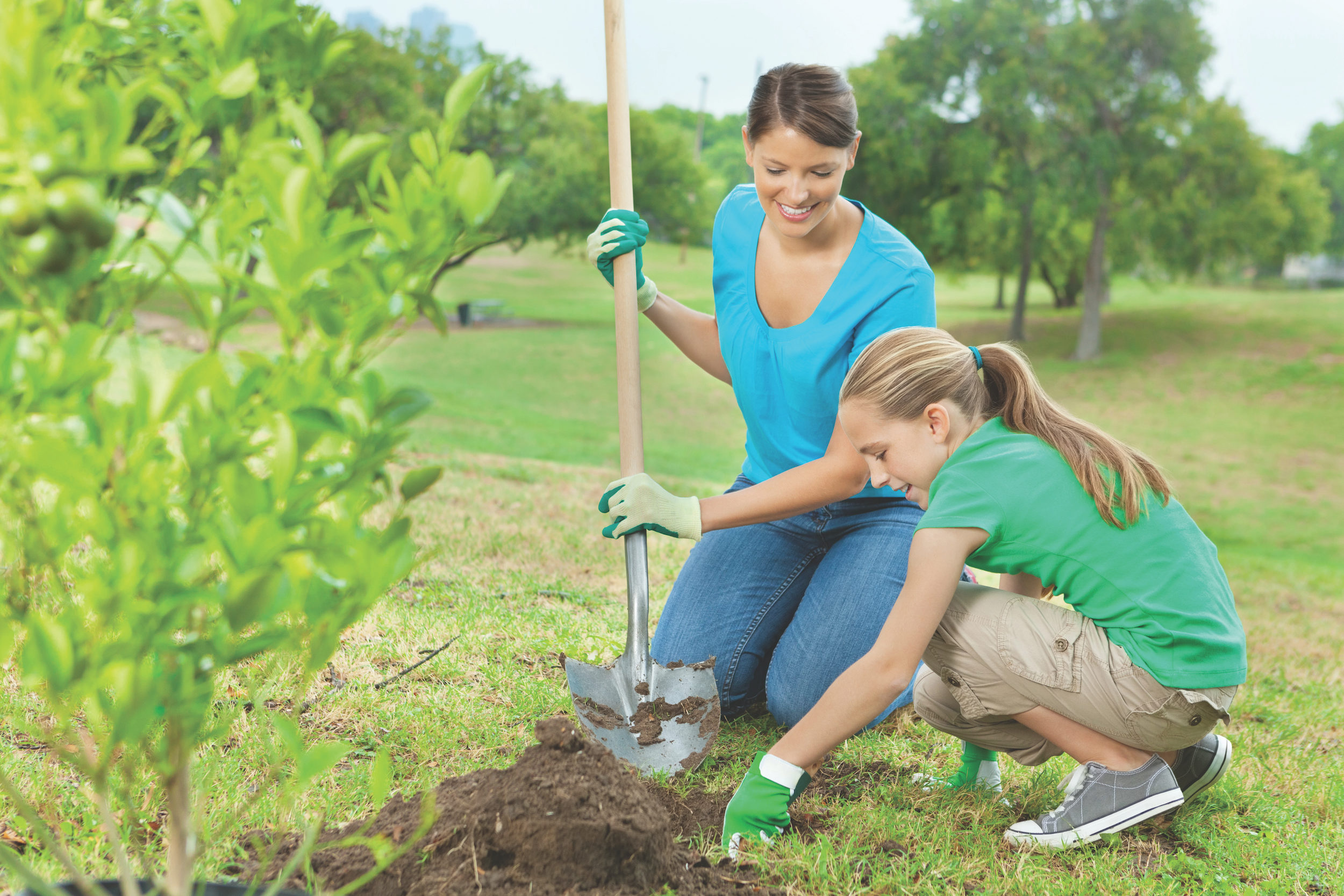
Students explore differences in soil types and what those differences mean to people and to plants. They also investigate the role soil organisms play, both in building soil and in decomposition.
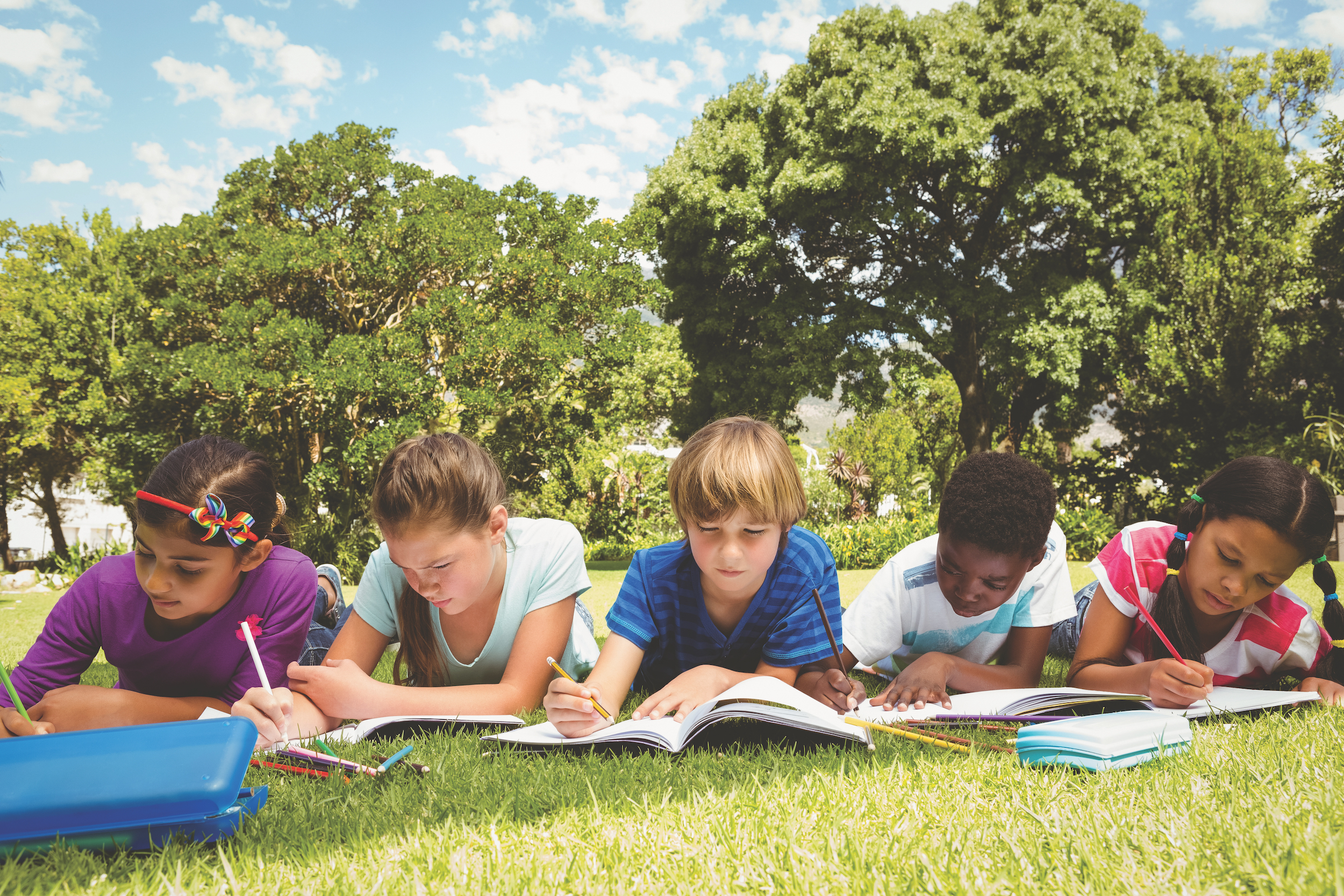
Writing and sharing poems gives students an opportunity to express their thoughts, feelings, and beliefs in creative and artistic ways. You can do this activity in combination with Adopt a Tree, to allow students to explore their adopted tree.
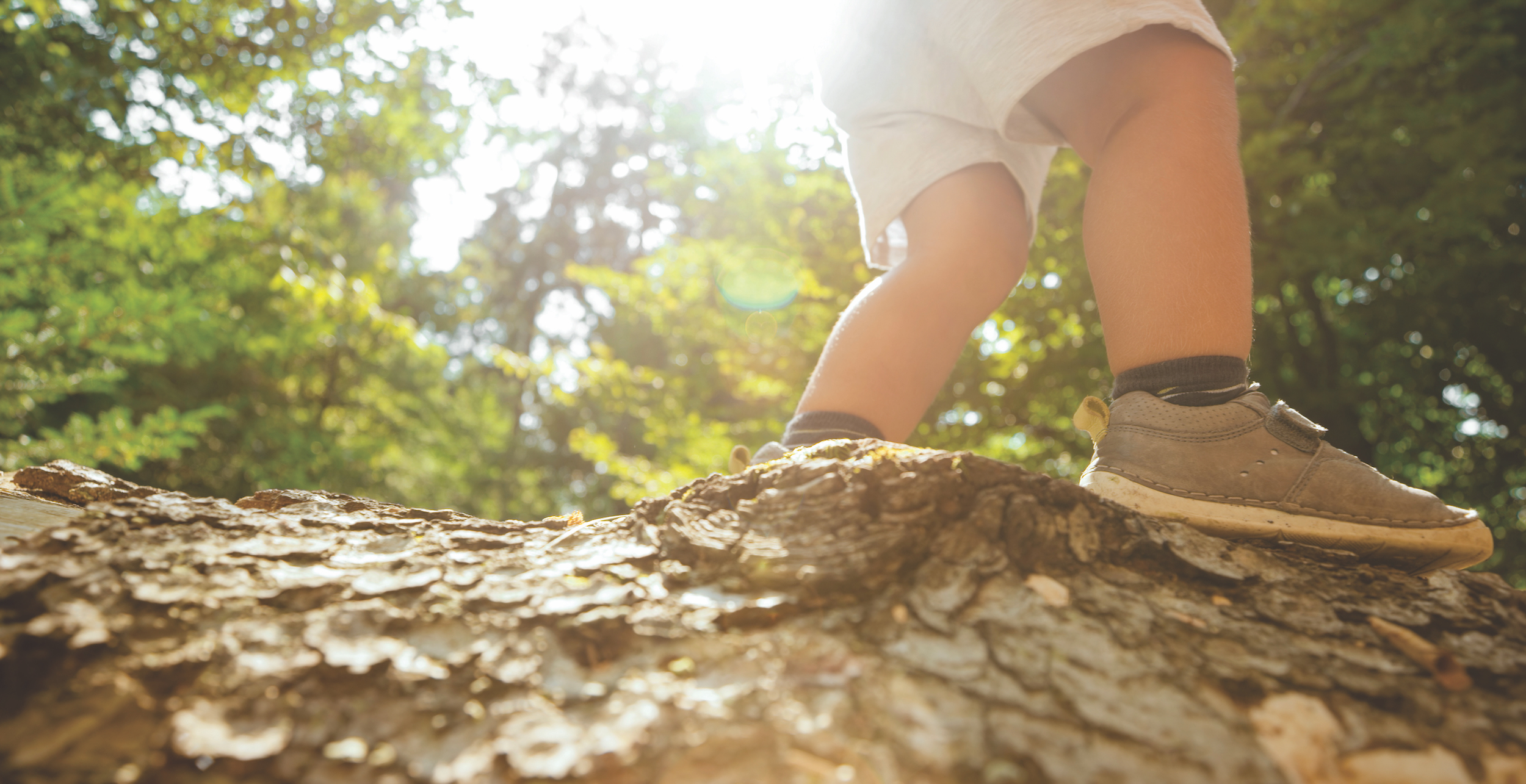
It’s amazing how many things live in and on rotting logs. In this activity, your students will become familiar with some of those organisms by observing fallen logs or other decomposing pieces of wood.
This fun and active modeling simulation reviews the conditions that trees need to live and grow, while also demonstrating that trees must compete to meet their needs.
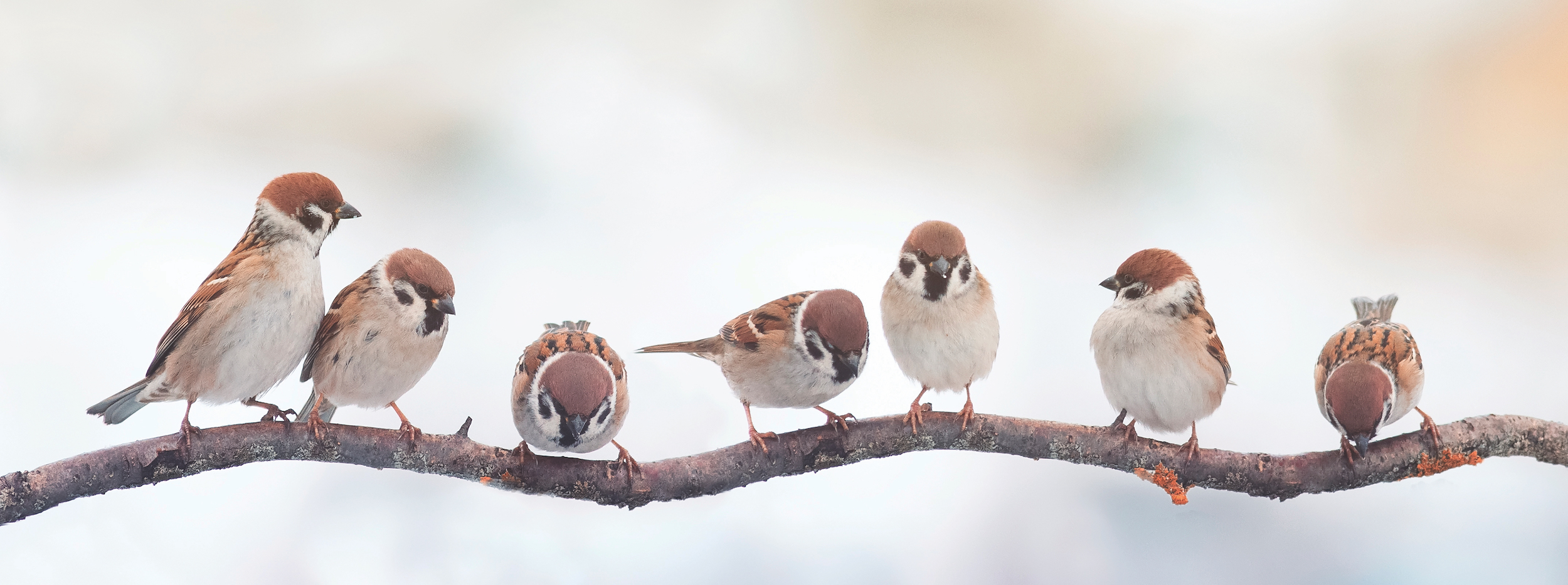
From their leafy branches to their tangled roots, trees provide habitat for a host of plants and animals. Students will inventory the plants and animals that live in, on, and around trees and discover how plants and animals depend on them.
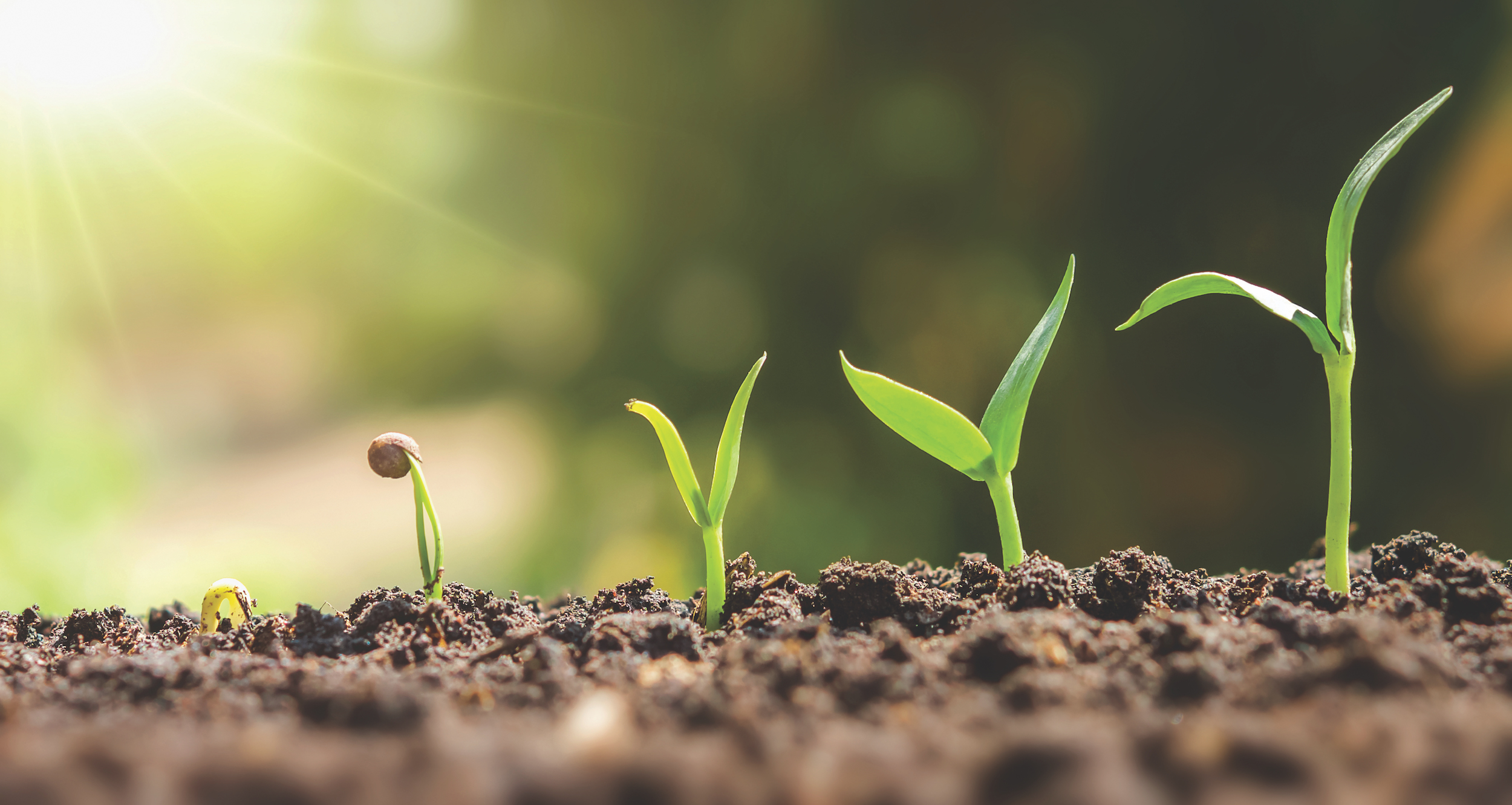
A plant is a biological system that needs sunlight, water, air, nutrients, and space in order to survive and thrive. Students conduct inquiry-based experiments to explore these essential plant requirements.
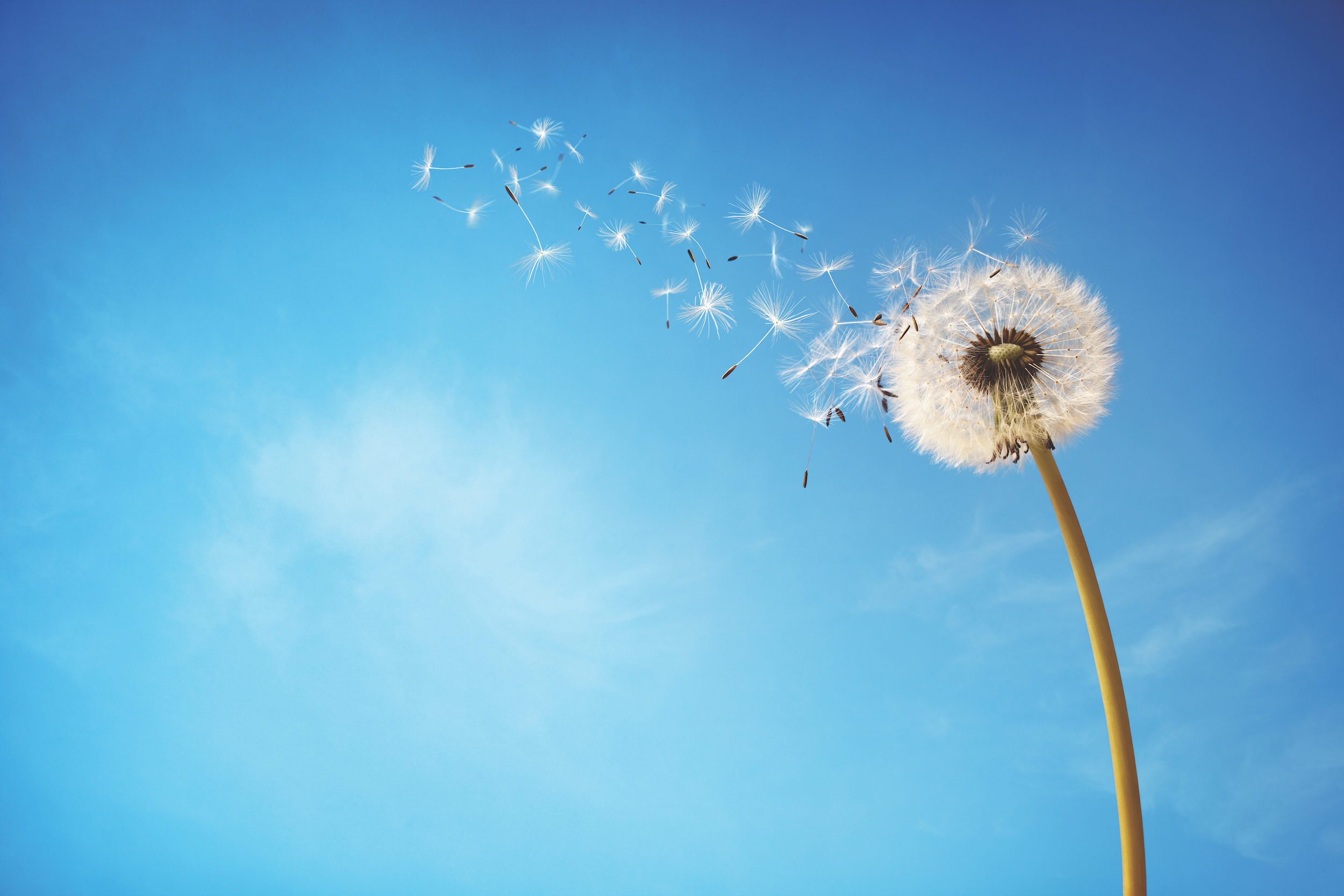
A plant is a biological system containing processes and components that enable it to grow and reproduce. By observing, collecting, and classifying seeds, students examine one aspect of a plant’s reproductive system.