My Green Future
All kinds of people work in the forest—from foresters, to loggers, to scientists. Everyone depends on properly managed forests for recreation, essential products, wildlife and biodiversity, clean water and air.
All kinds of people work in the forest—from foresters, to loggers, to scientists. Everyone depends on properly managed forests for recreation, essential products, wildlife and biodiversity, clean water and air.
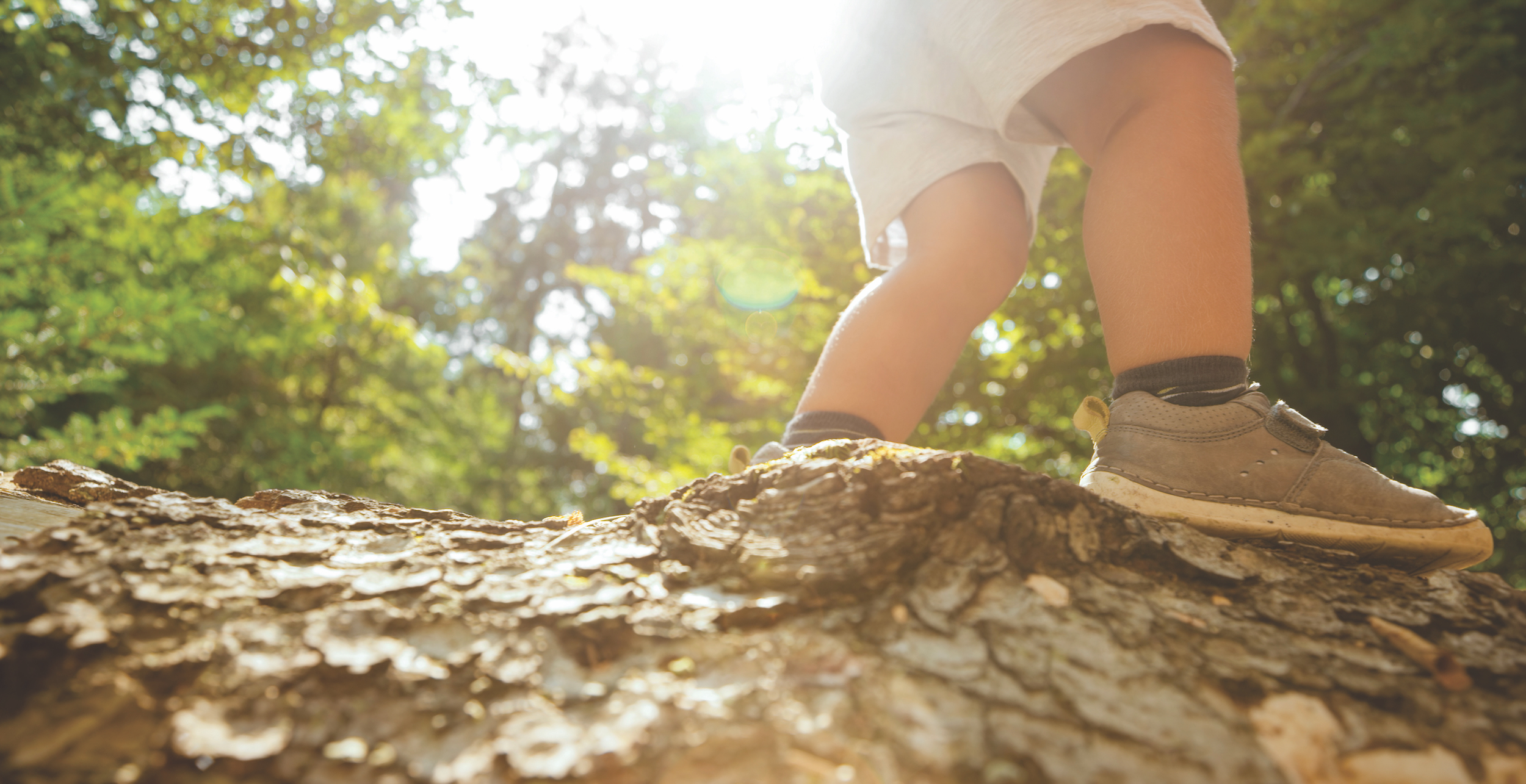
It’s amazing how many things live in and on rotting logs. In this activity, your students will become familiar with some of those organisms by observing fallen logs or other decomposing pieces of wood.
This fun and active modeling simulation reviews the conditions that trees need to live and grow, while also demonstrating that trees must compete to meet their needs.
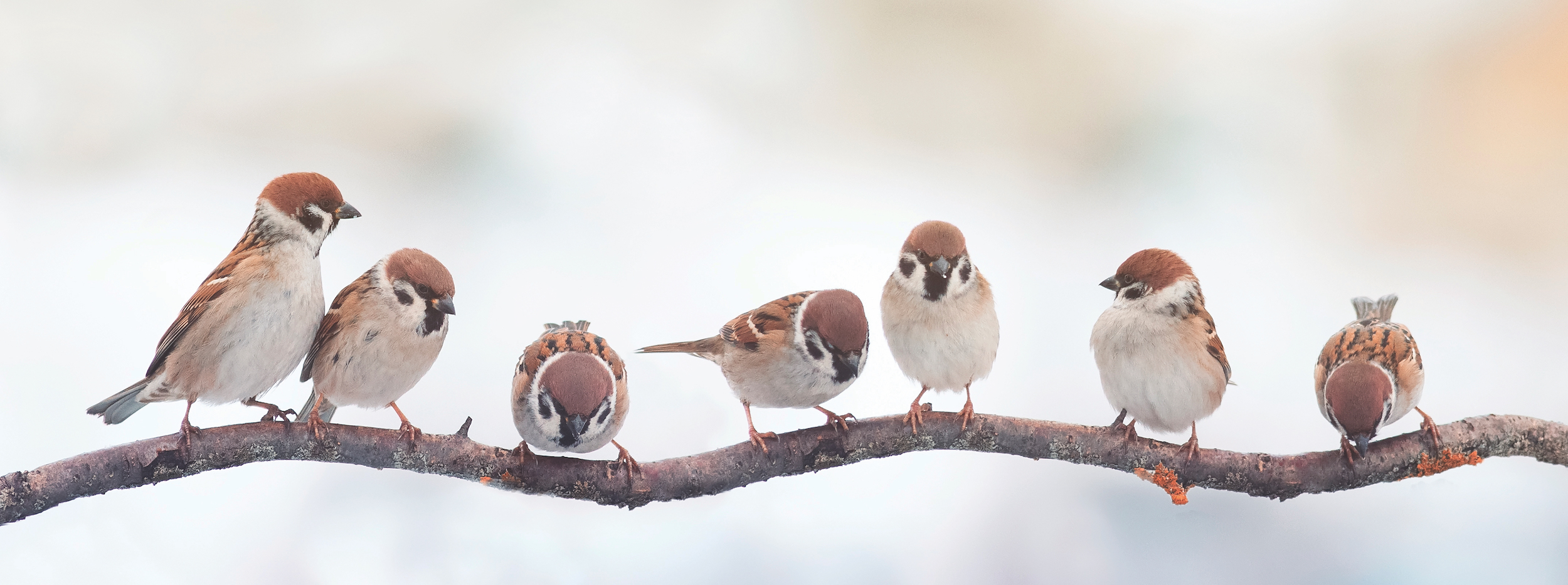
From their leafy branches to their tangled roots, trees provide habitat for a host of plants and animals. Students will inventory the plants and animals that live in, on, and around trees and discover how plants and animals depend on them.
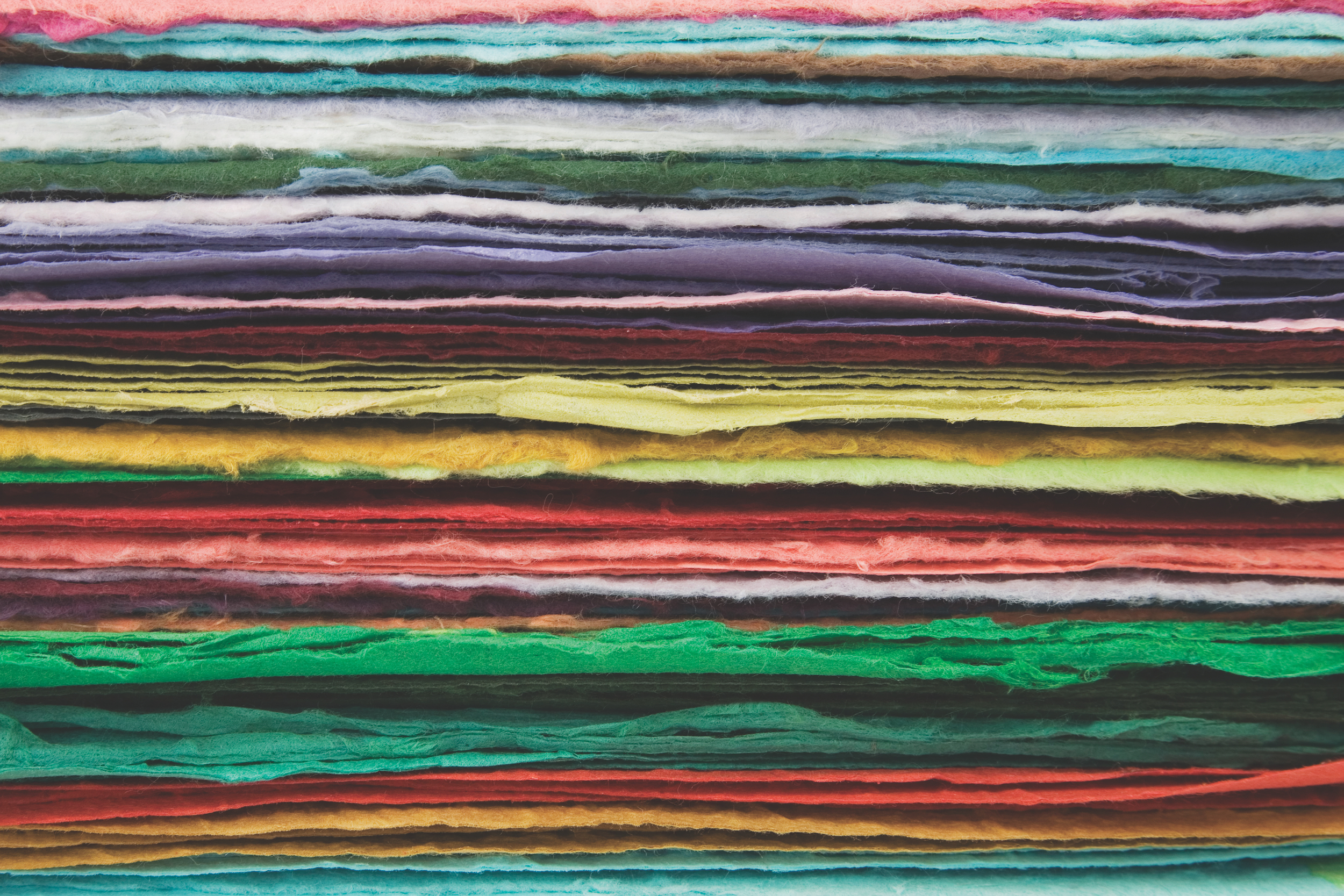
Students learn about the papermaking process by trying it themselves. Students will find out that they can make their own paper and that their product is practical, as well as beautiful.
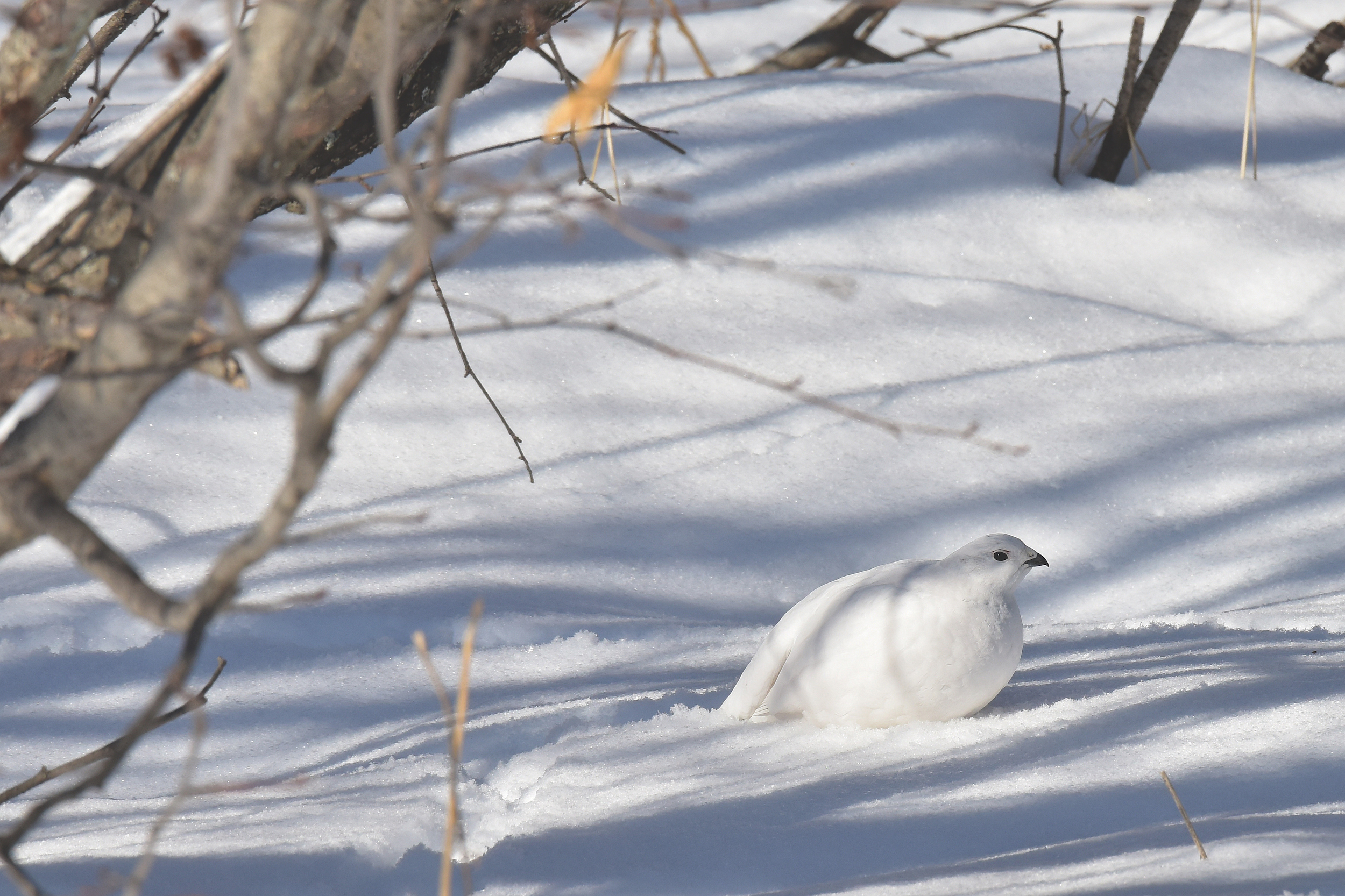
Camouflage is an essential survival strategy in the natural world. Students discover the value of protective coloration as they pretend to be birds in search of colored bugs.
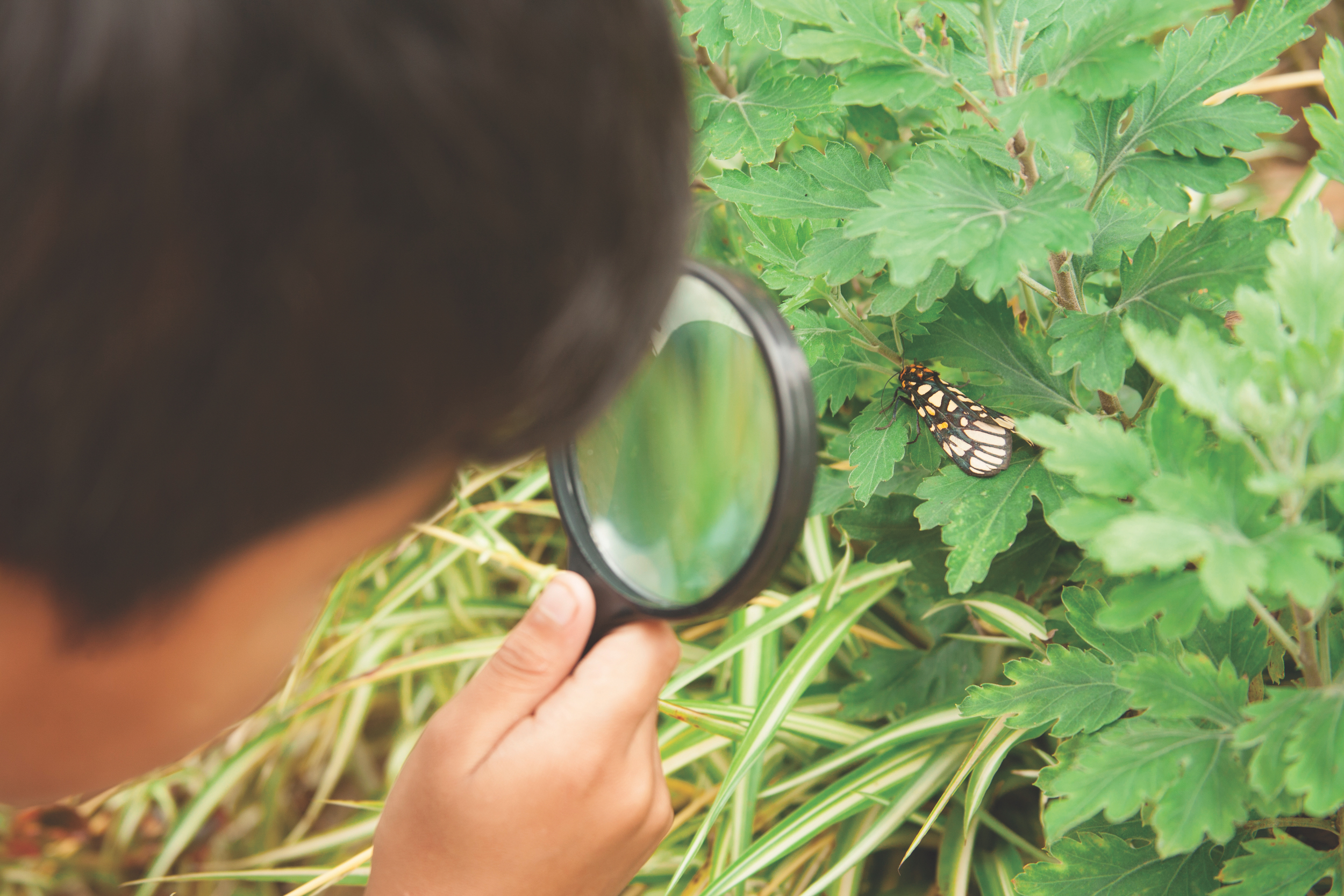
Every organism needs food, water, shelter, and space. A place that meets all these needs is called a habitat. Students will explore a nearby habitat—their backyard, schoolyard, or other outdoor setting—to look for signs of animals living there.

This Learn About Forest activity is perfect for forest sector professionals leading educational events, career days, or field visits with youth. Learners experience the magic of the paper-making process and the value of trees as a natural resource.
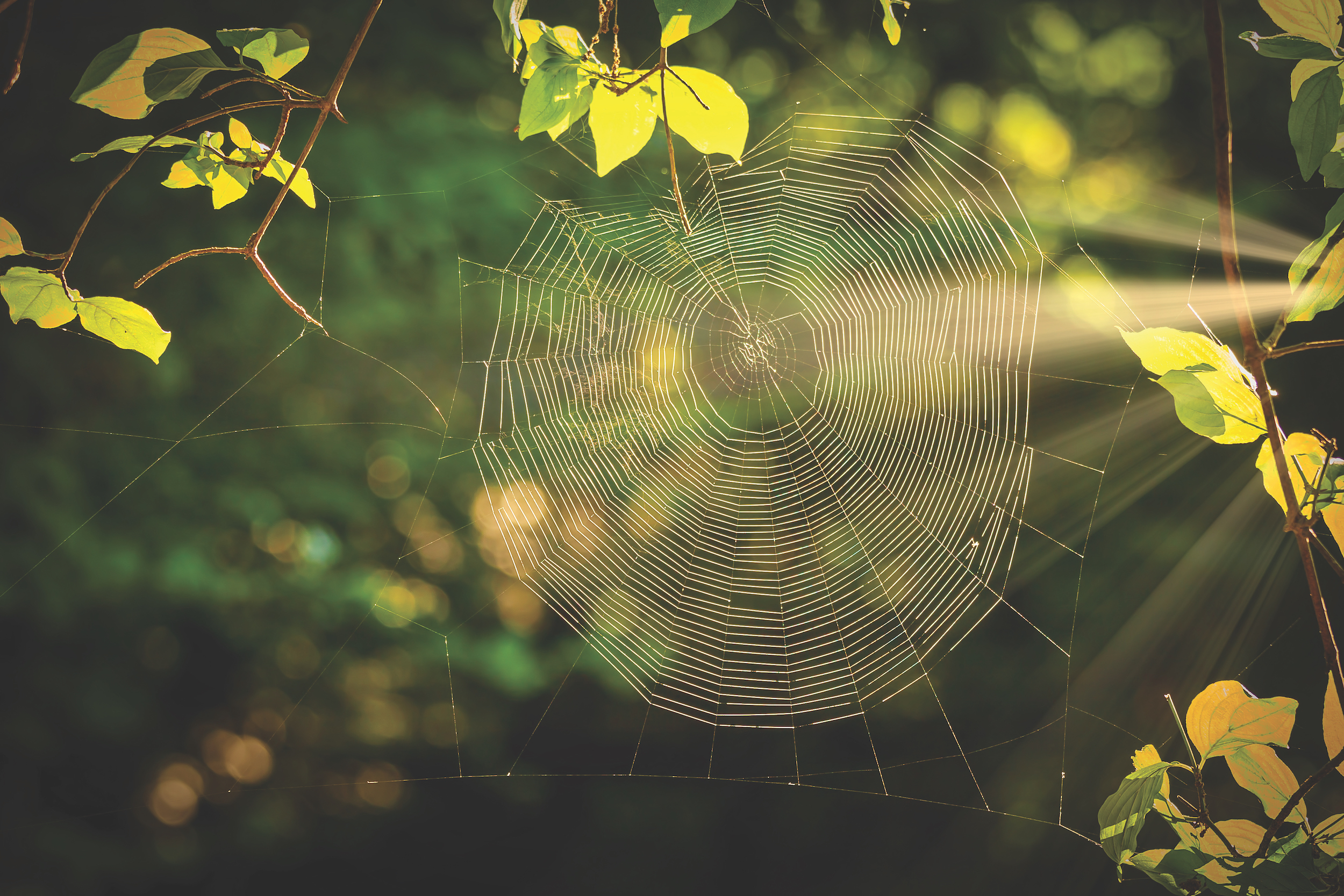
By conducting research and modeling a food web, students take a close look at a forest ecosystem and discover ways that plants and animals are connected to one another.
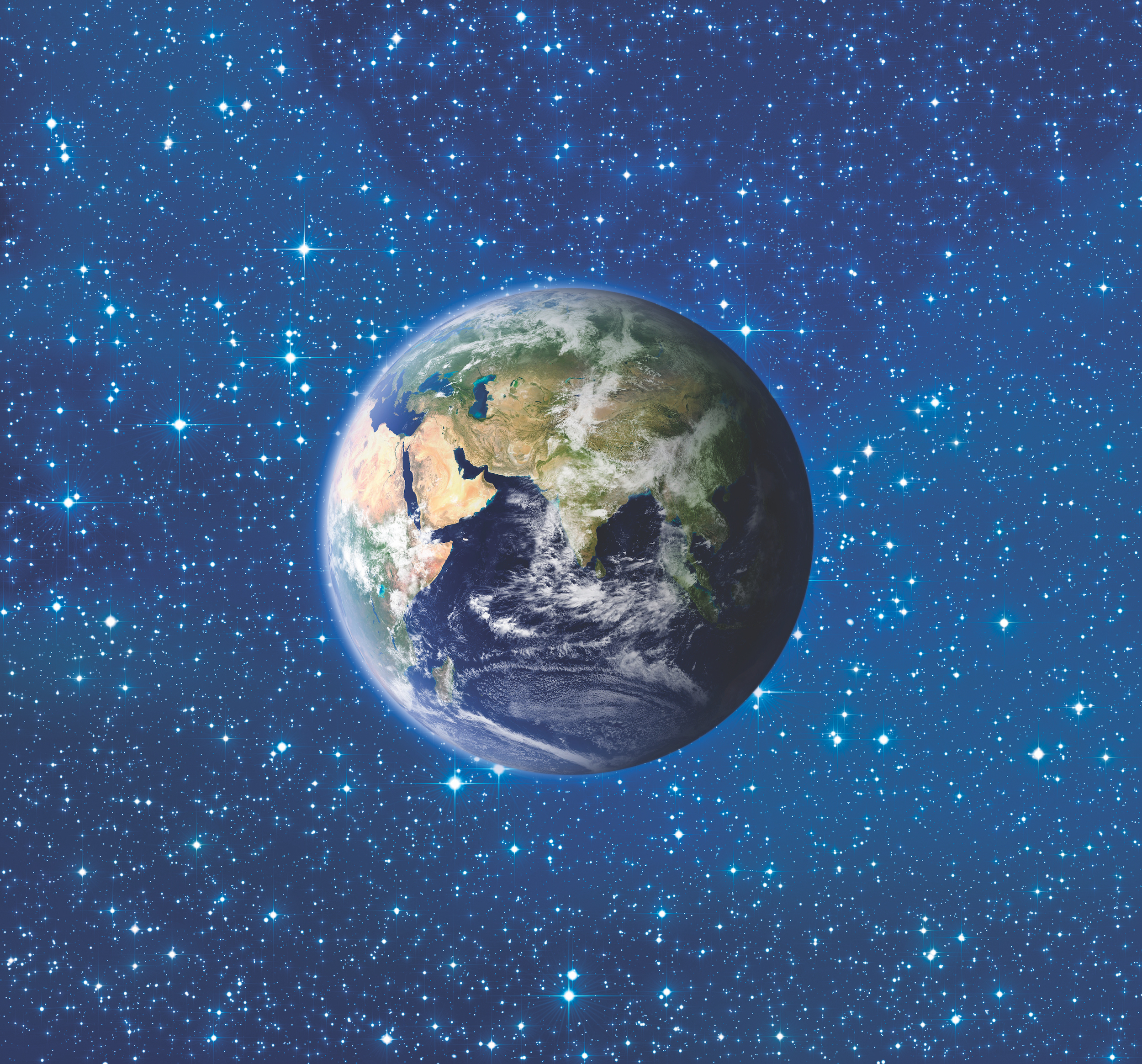
Students imagine that they are visitors from outer space, viewing life on Earth for the first time. By describing in minute detail all the life they find in a small plot of land, they will become more aware of the diversity and abundance of life.