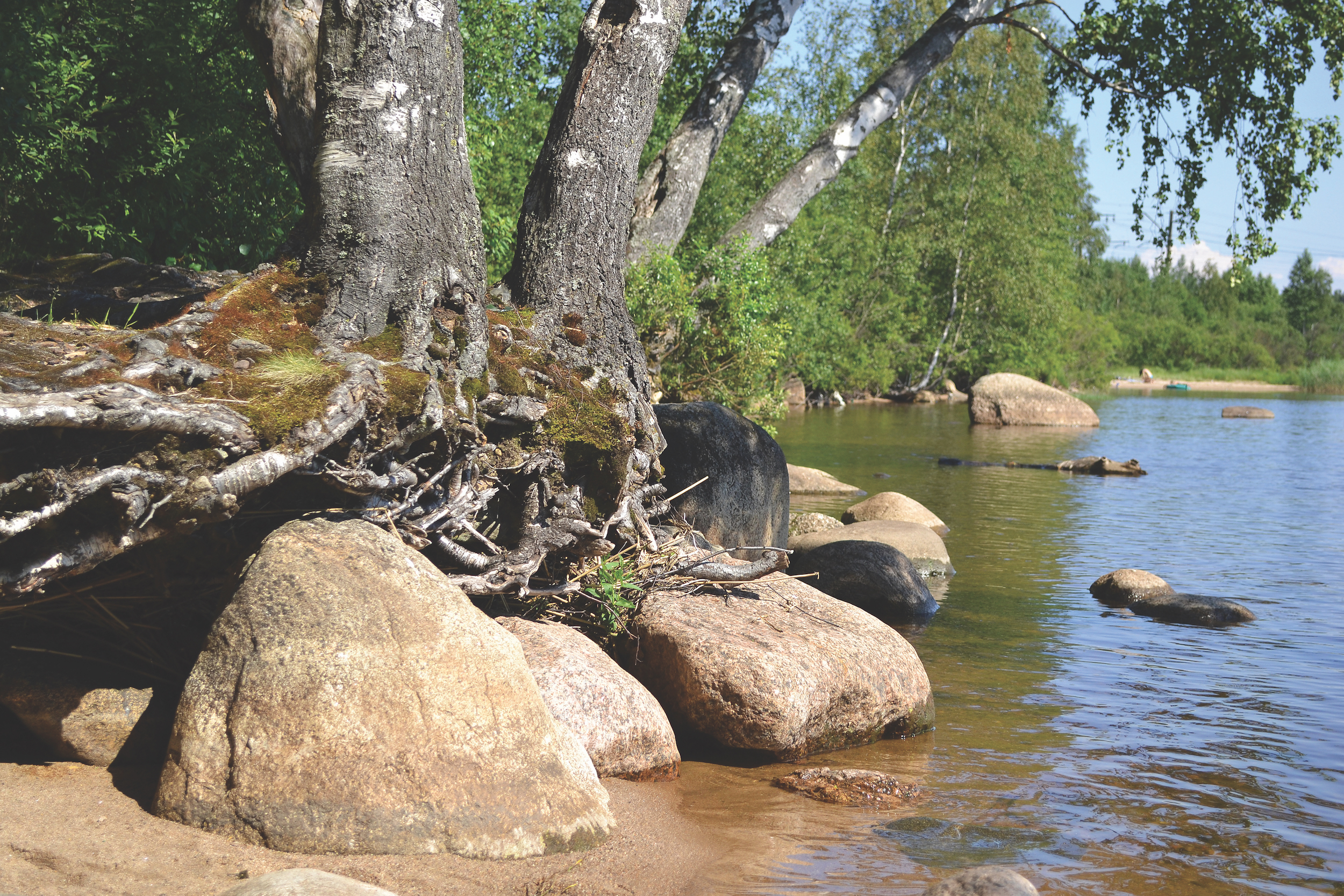
Field, Forest, and Stream
Students conduct a field study of three different environments as they focus on sunlight, soil moisture, temperature, wind, water flow, plants, and animals in each environment.

Students conduct a field study of three different environments as they focus on sunlight, soil moisture, temperature, wind, water flow, plants, and animals in each environment.
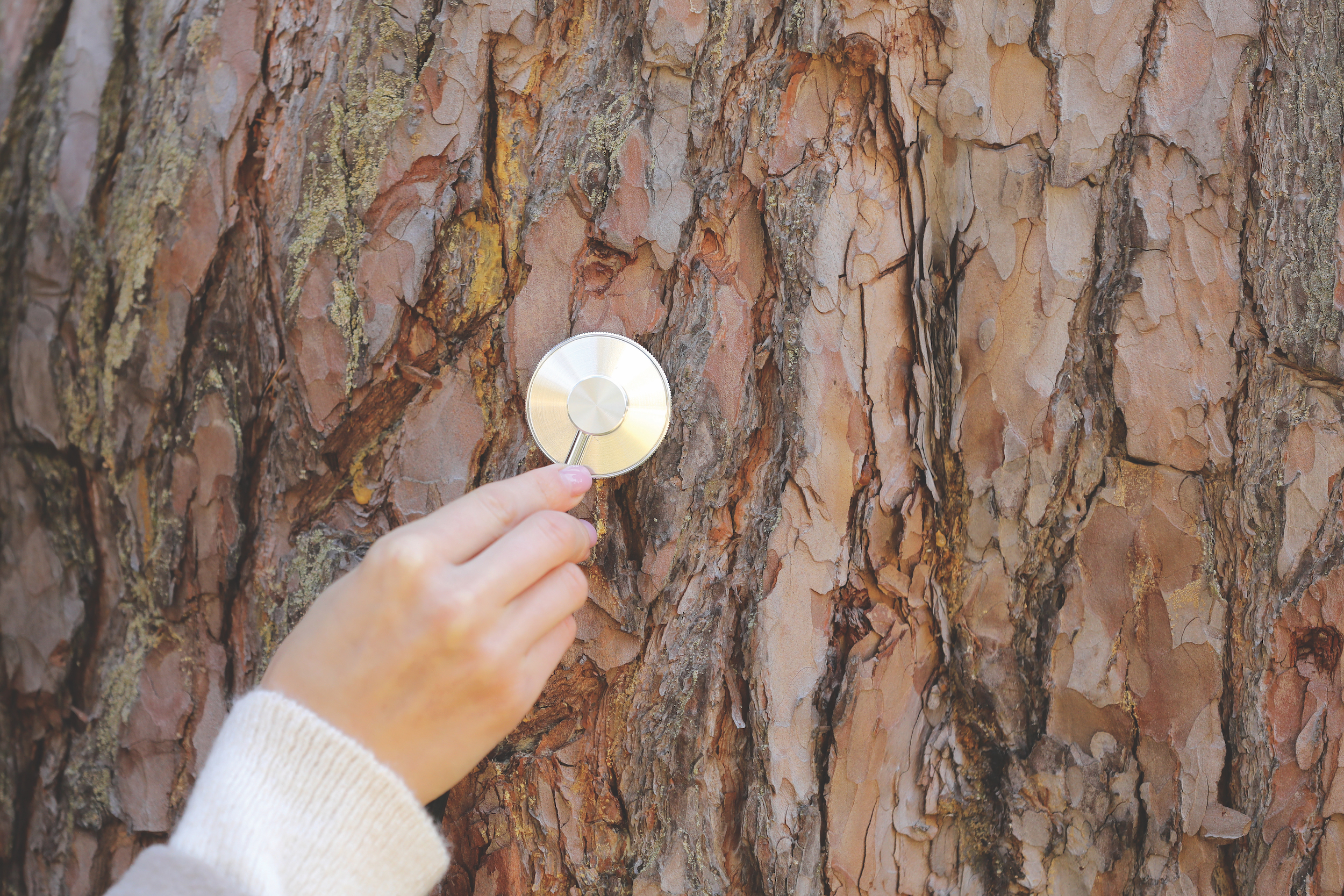
Students examine trees for signs of damage or poor health and investigate conditions that may cause trees and other plants to become unhealthy.
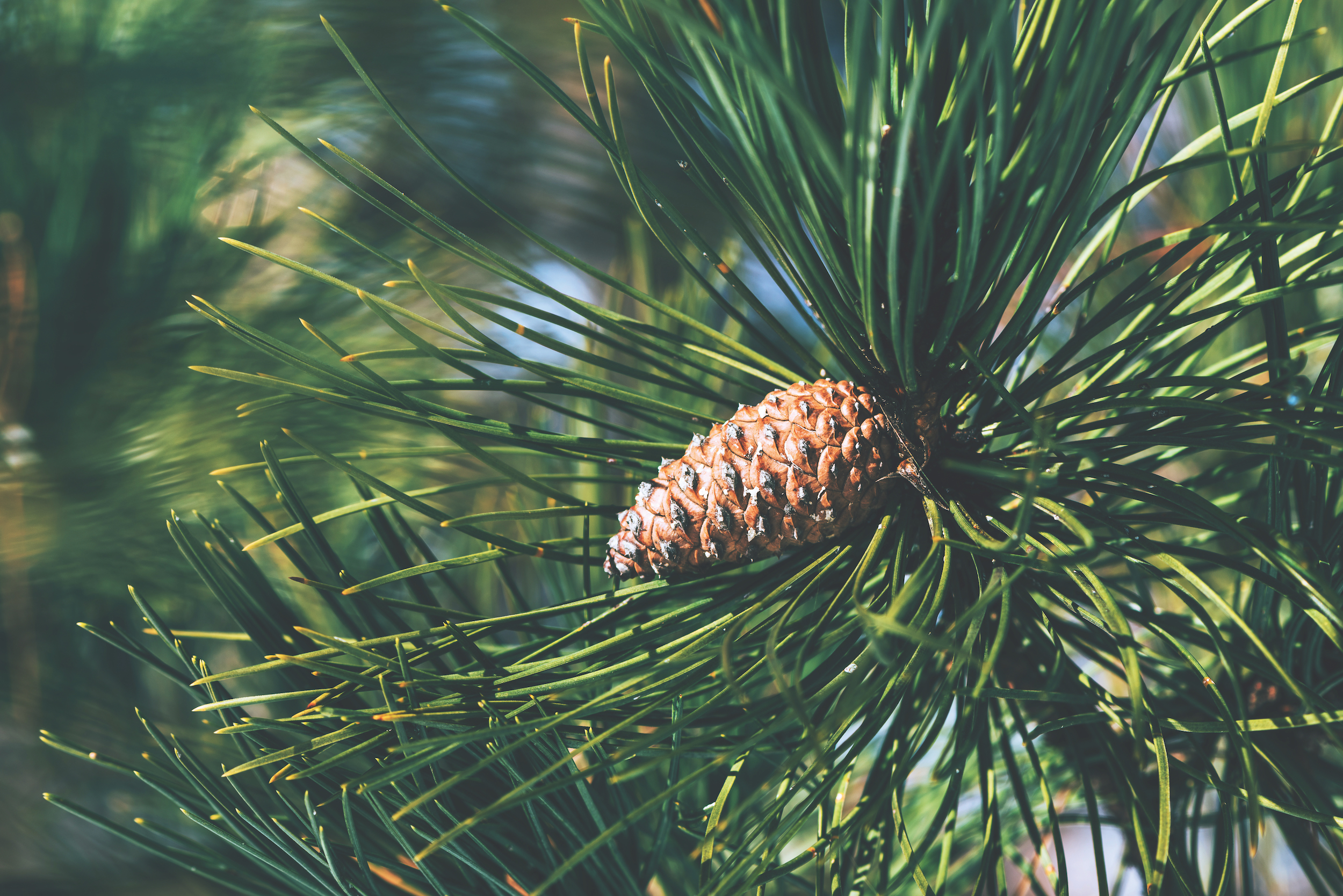
Tree species can be identified by looking at several different features: leaves, bark, twigs, flowers, fruit, and seeds. Even the overall shape of a tree can give clues to the tree’s identity.
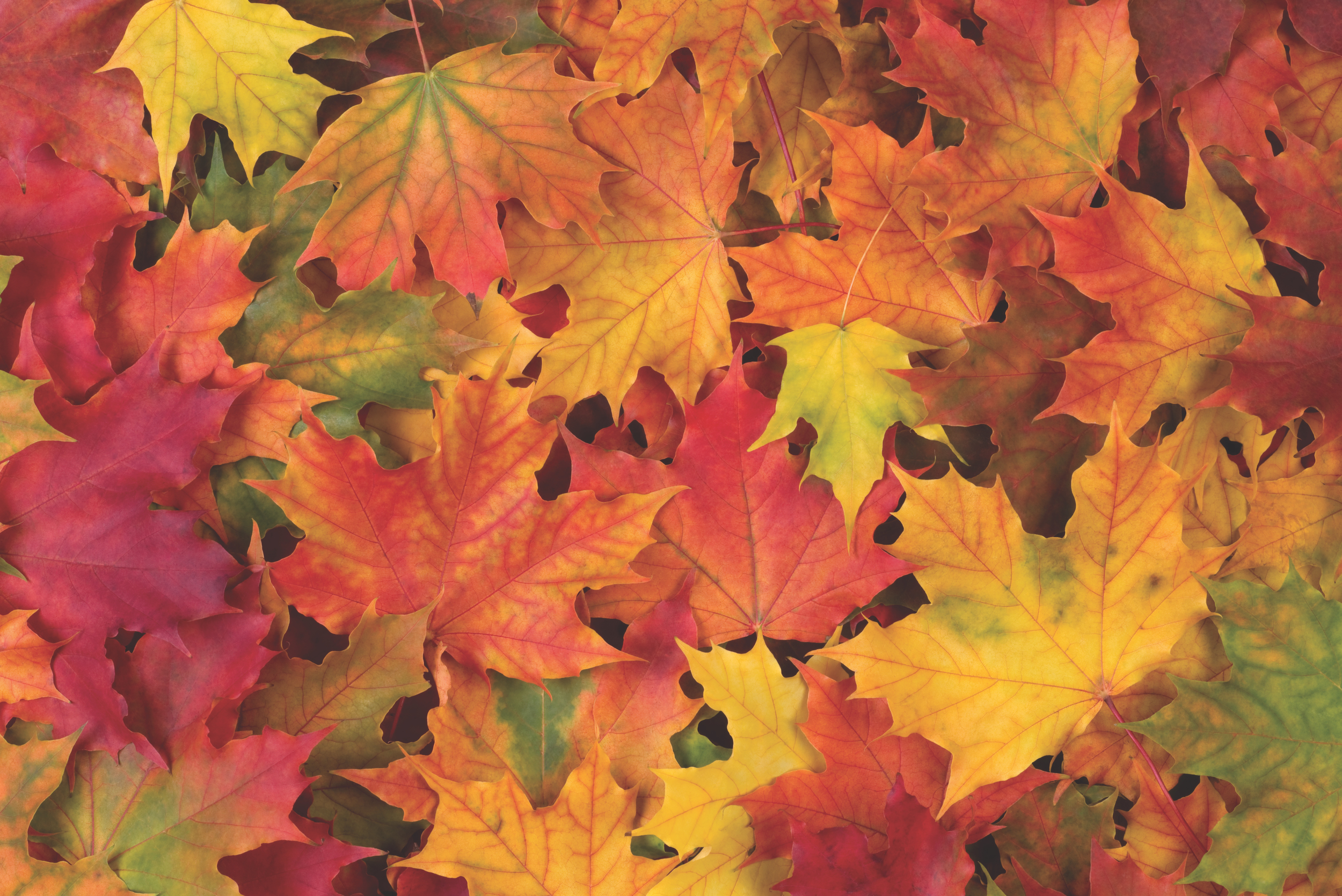
Students will look for signs of autumn and conduct an investigation to discover why the leaves of deciduous trees change color in the fall.
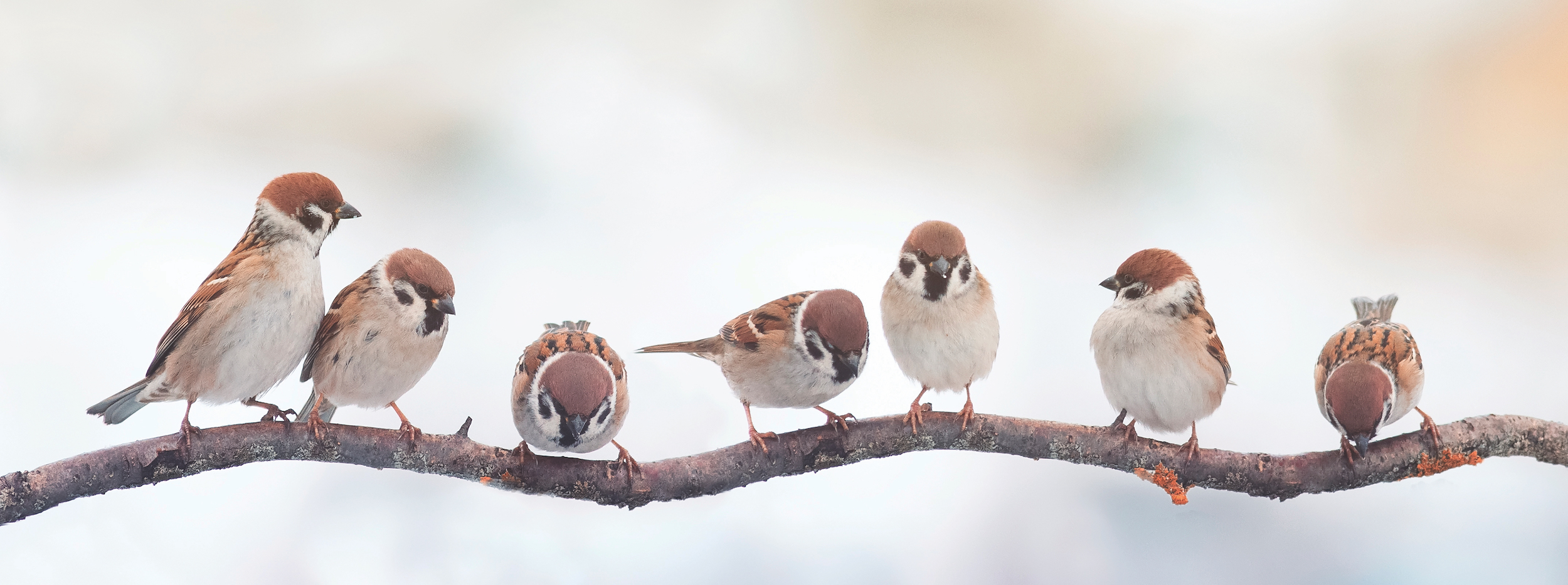
From their leafy branches to their tangled roots, trees provide habitat for a host of plants and animals. Students will inventory the plants and animals that live in, on, and around trees and discover how plants and animals depend on them.
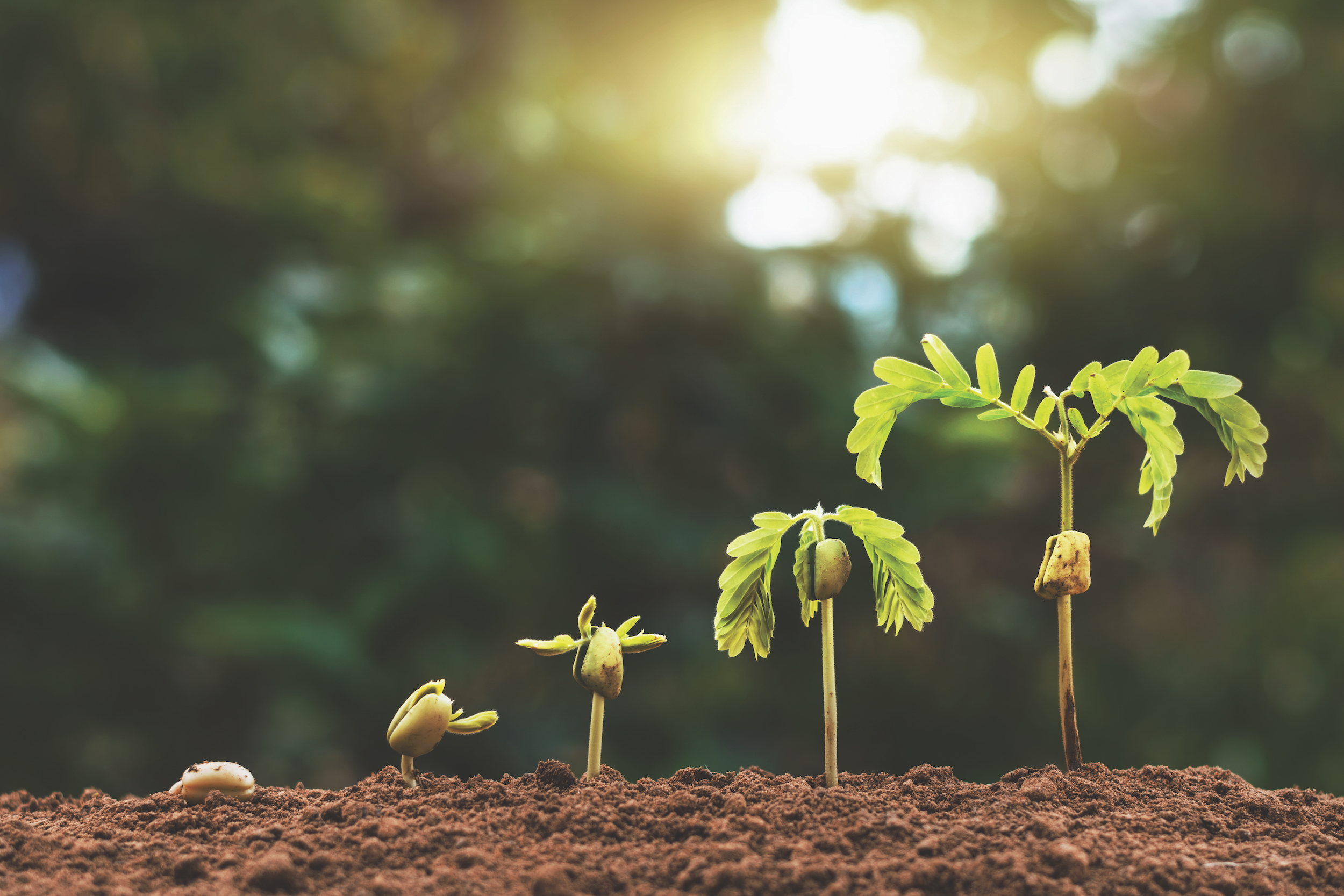
Students observe differences over time to learn that change in the environment can occur quickly, slowly, or not at all.
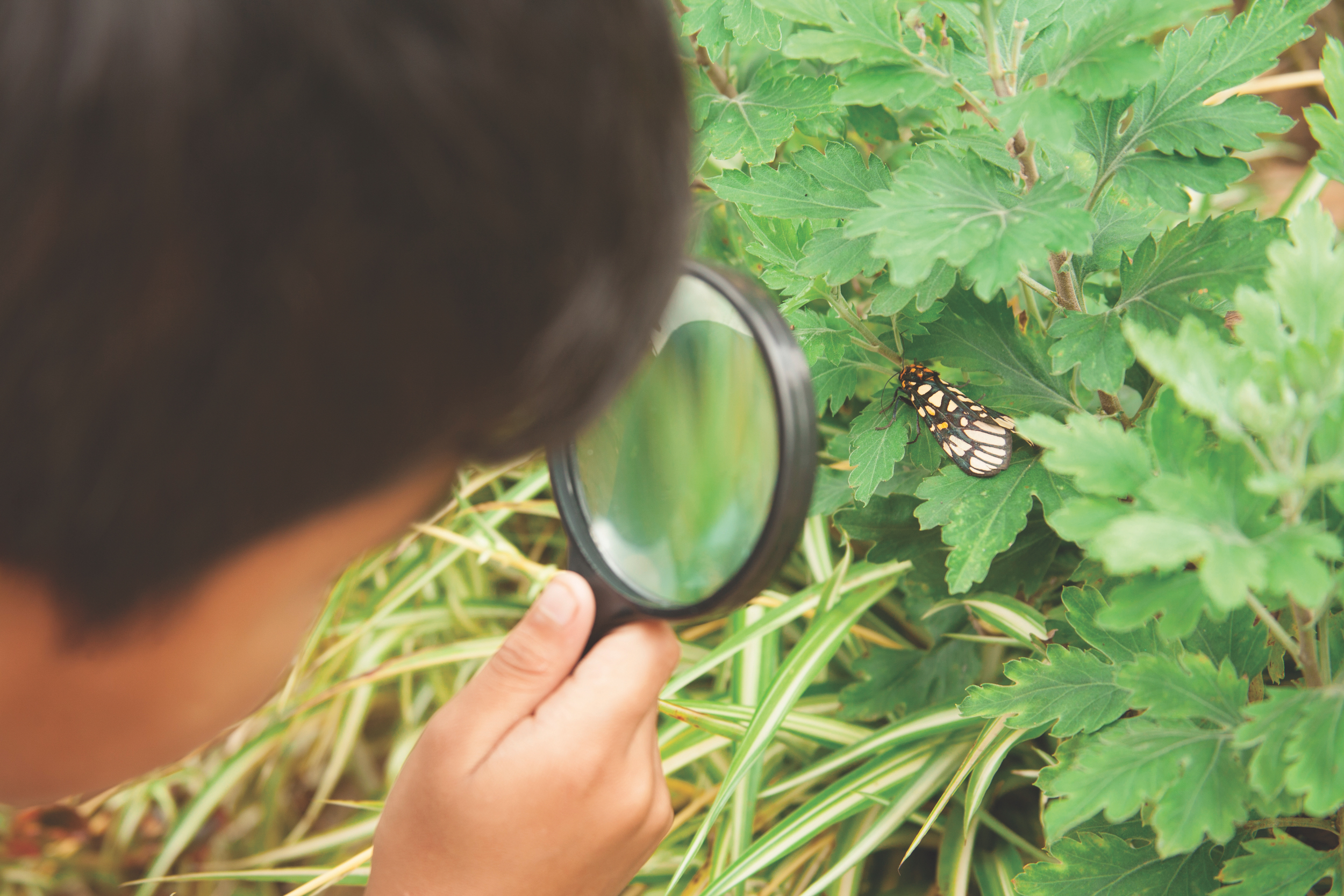
Every organism needs food, water, shelter, and space. A place that meets all these needs is called a habitat. Students will explore a nearby habitat—their backyard, schoolyard, or other outdoor setting—to look for signs of animals living there.
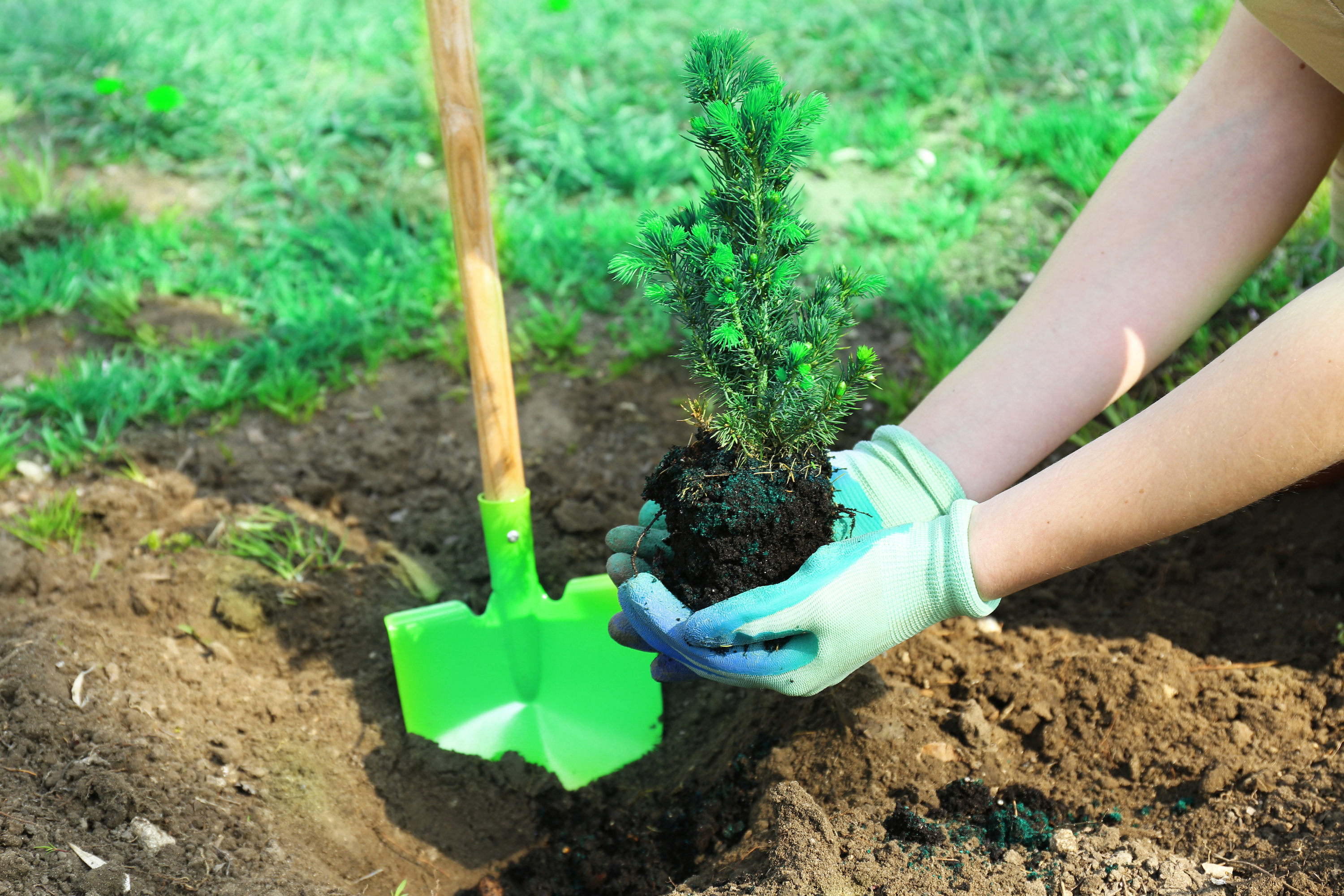
This Learn About Forest activity is perfect for forest sector professionals leading educational events, career days, or field visits with youth. Learners identify benefits we receive from trees and participate in a tree-planting event.

Students imagine that they are visitors from outer space, viewing life on Earth for the first time. By describing in minute detail all the life they find in a small plot of land, they will become more aware of the diversity and abundance of life.

The trees in our communities provide many benefits: they improve air quality, store carbon, and conserve energy.