Every Tree for Itself
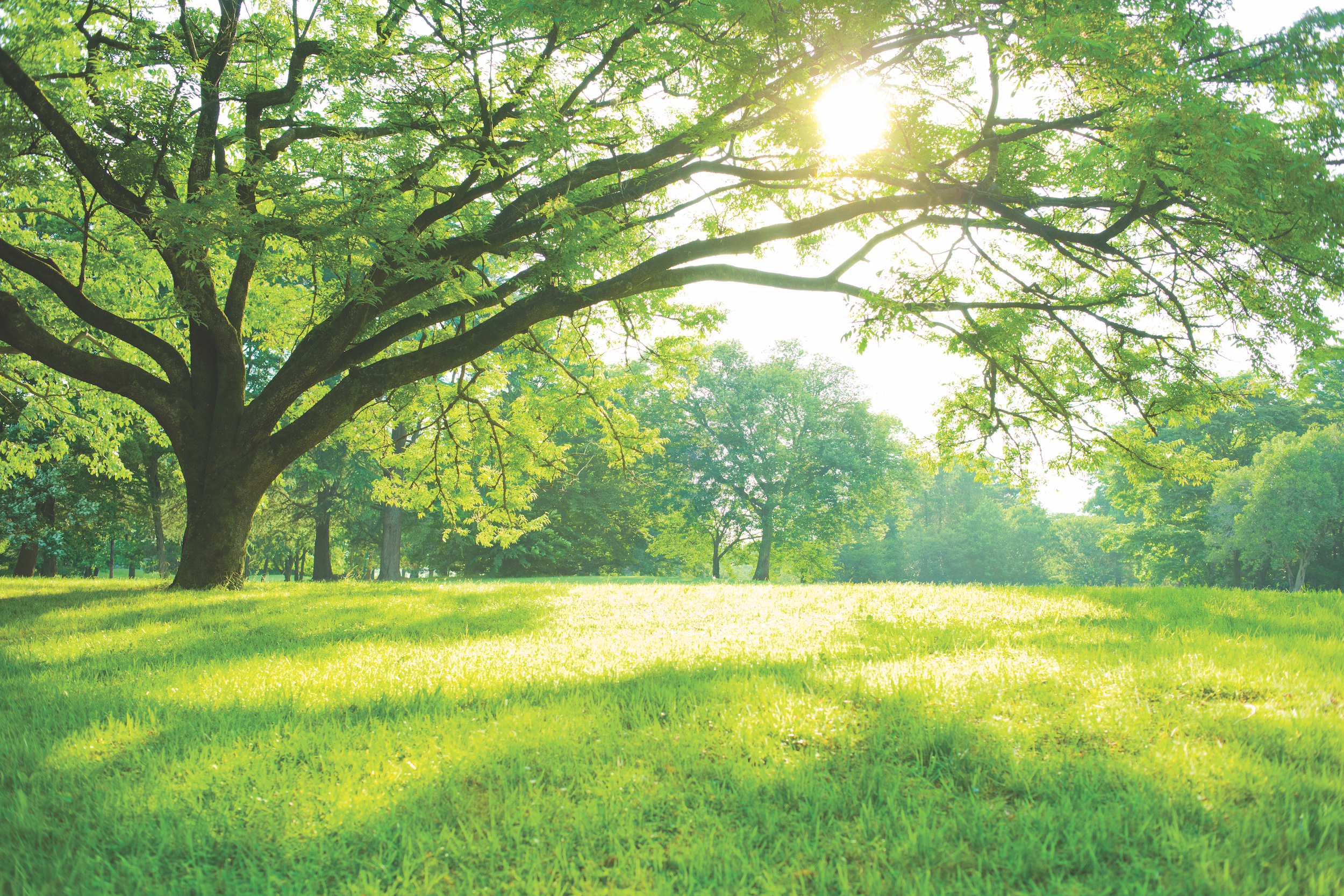
This fun and active modeling simulation reviews the conditions that trees need to live and grow, while also demonstrating that trees must compete to meet their needs.
This fun and active modeling simulation reviews the conditions that trees need to live and grow, while also demonstrating that trees must compete to meet their needs.
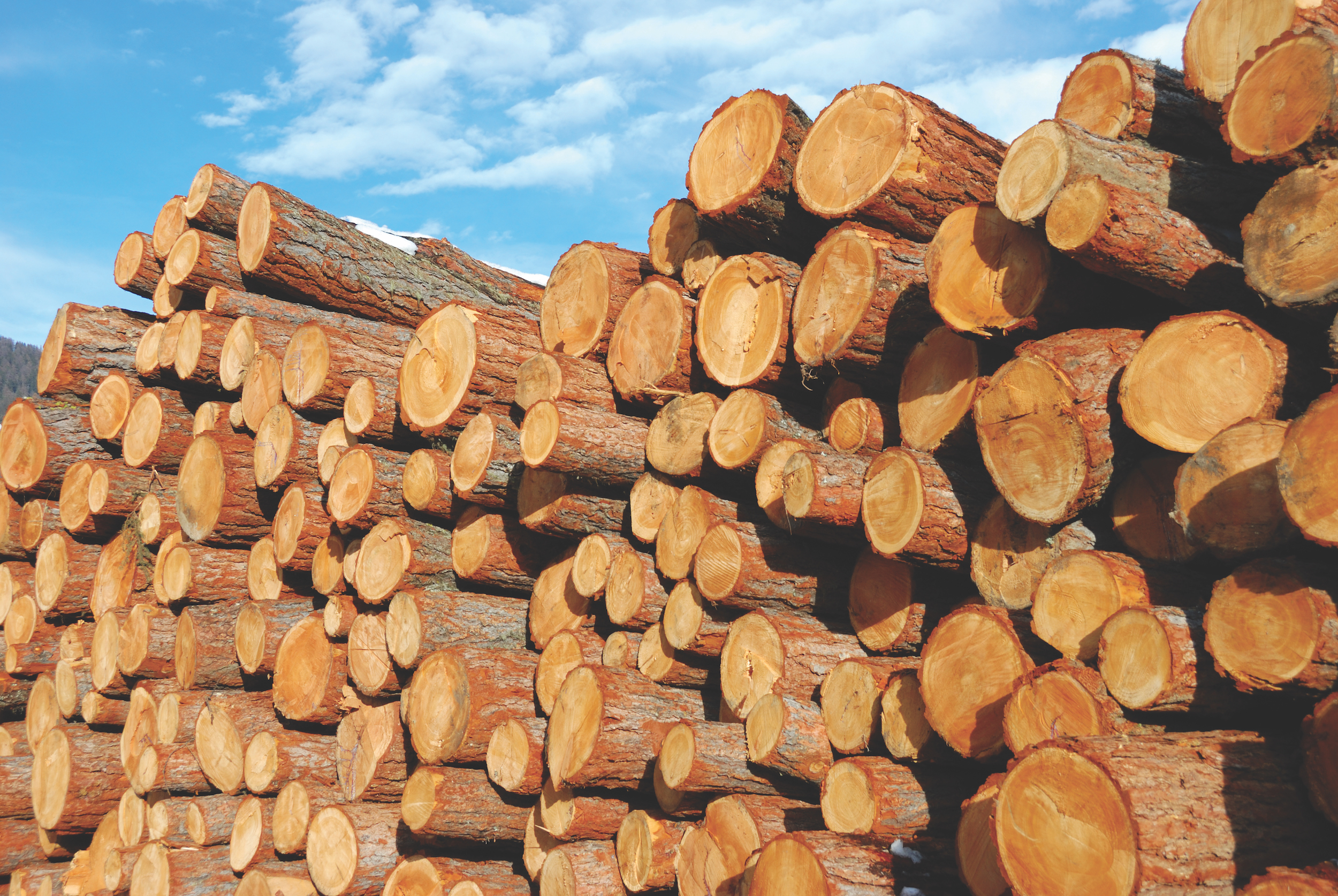
Students are often surprised to learn how many different products we get from trees. Use this activity to help students learn just how much we depend on trees in our daily lives.
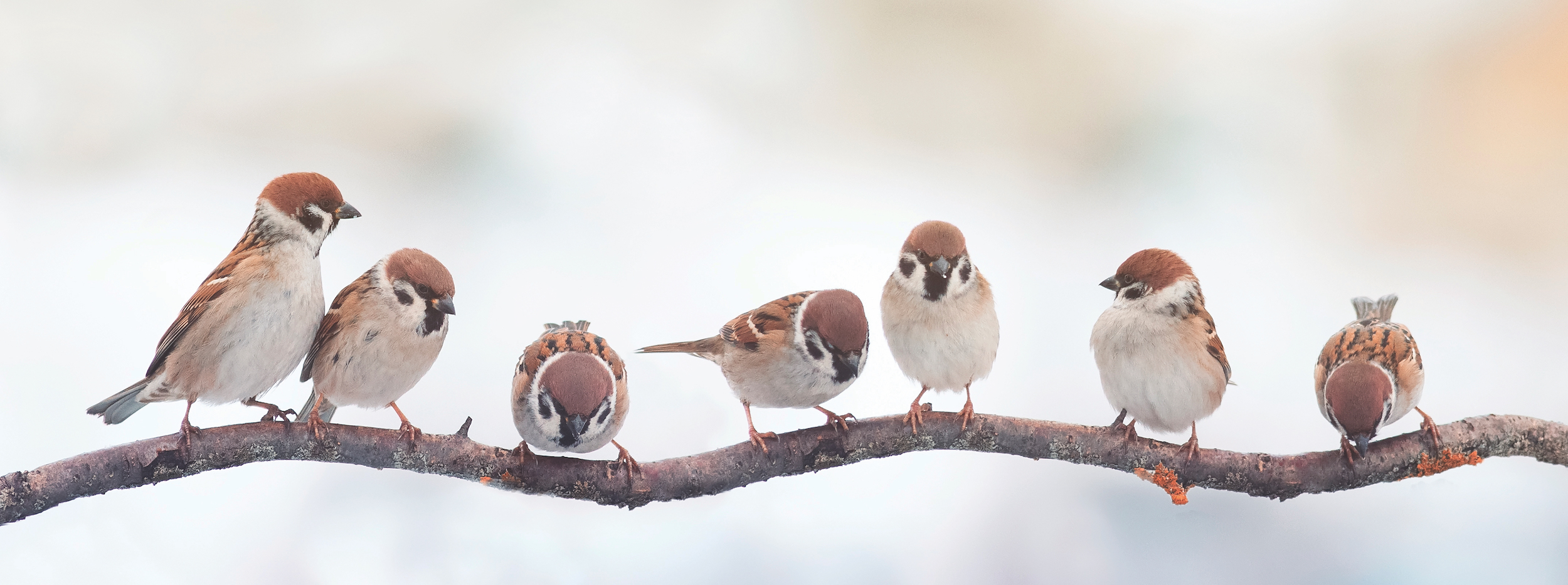
From their leafy branches to their tangled roots, trees provide habitat for a host of plants and animals. Students will inventory the plants and animals that live in, on, and around trees and discover how plants and animals depend on them.
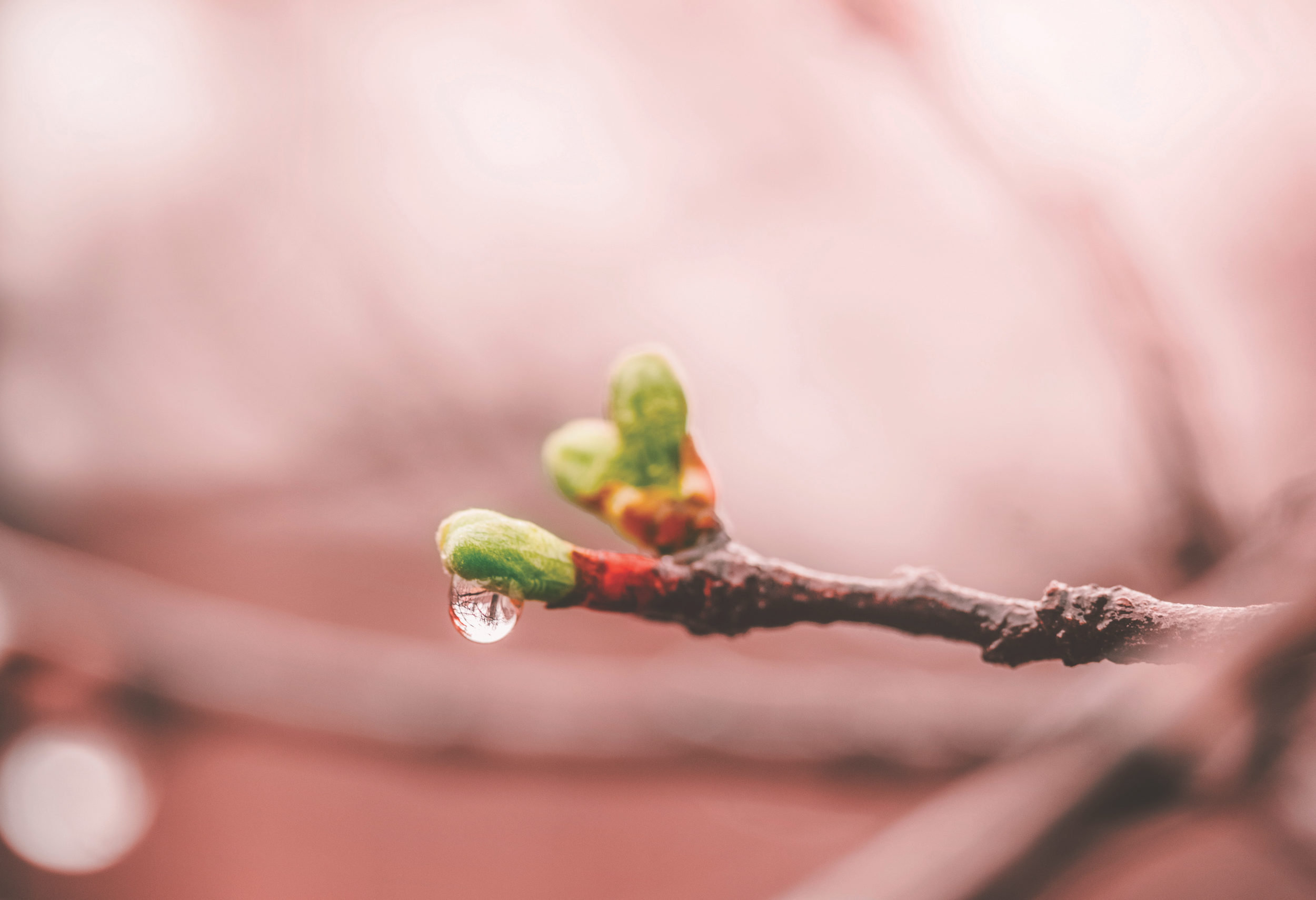
In early spring, many trees sprout bright green leaves. Where do the leaves come from? How do they form? Students investigate these questions by observing tree buds throughout the year.
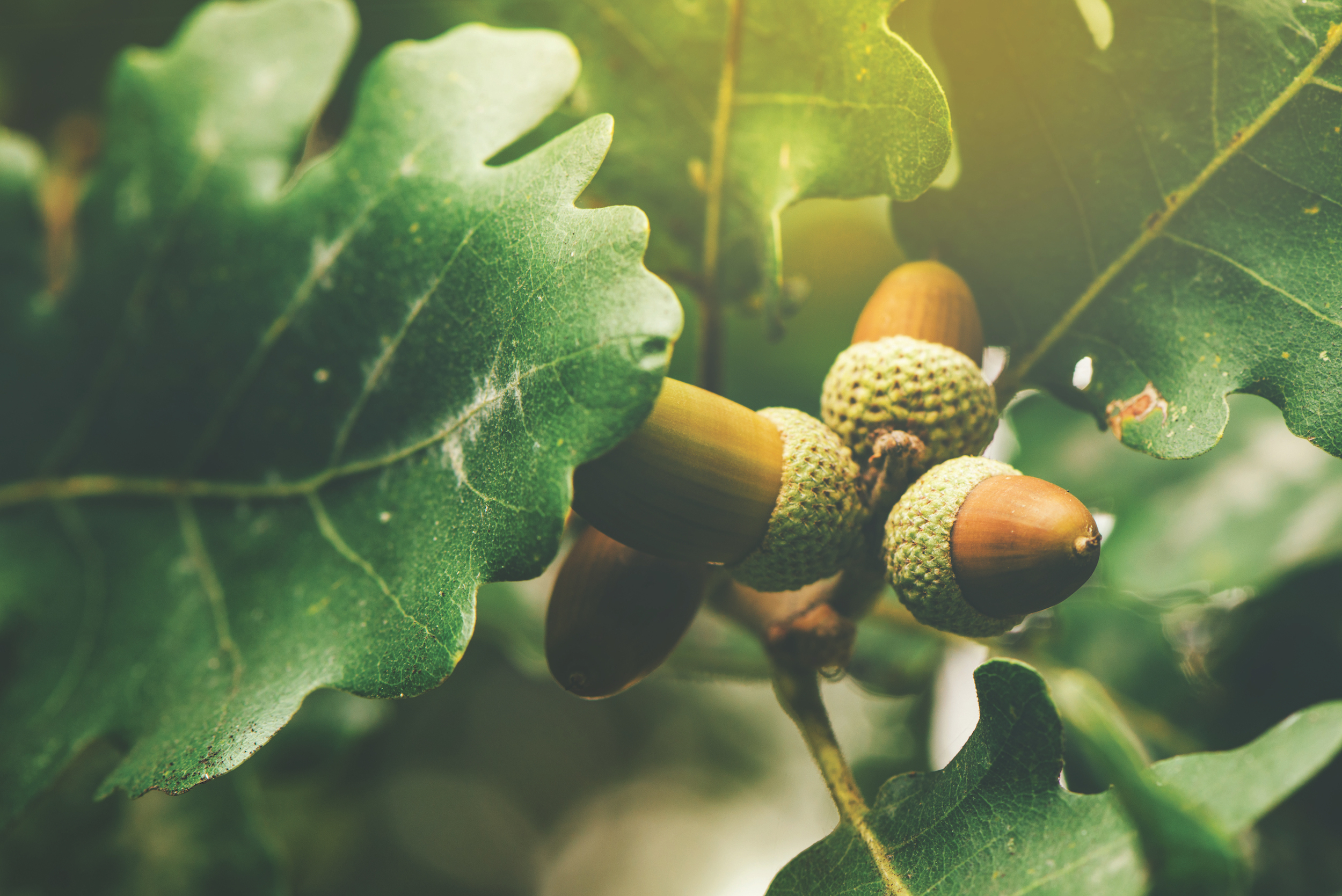
Students discover that trees have life stages that are similar to those of other living things. They discuss a tree’s role in the ecosystem at each stage of its life.
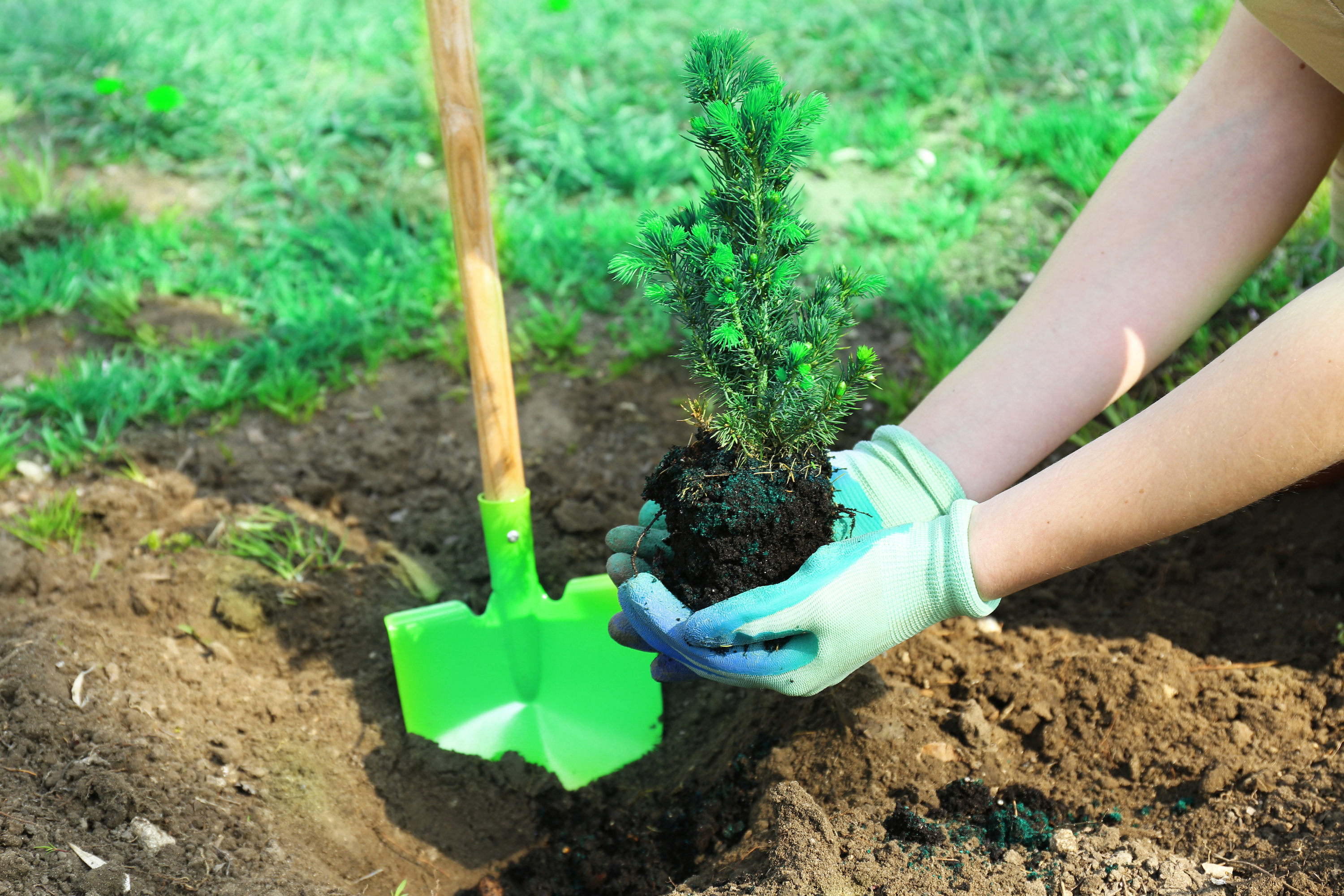
This Learn About Forest activity is perfect for forest sector professionals leading educational events, career days, or field visits with youth. Learners identify benefits we receive from trees and participate in a tree-planting event.
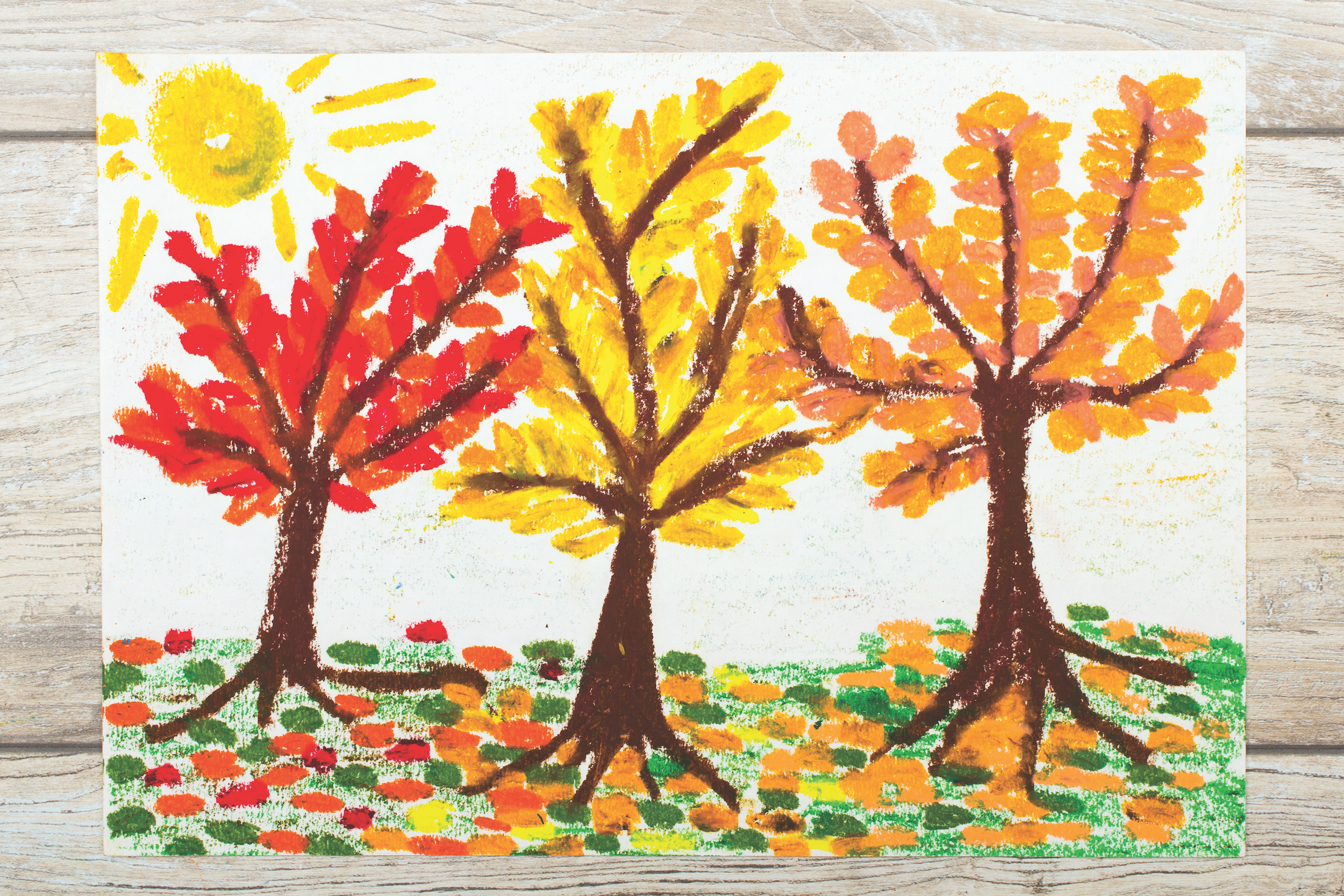
Even though students may be very familiar with trees, they may not have thought much about the actual structure of a tree. In this activity, your students will go outdoors or view pictures to take a closer look at trees and their parts.
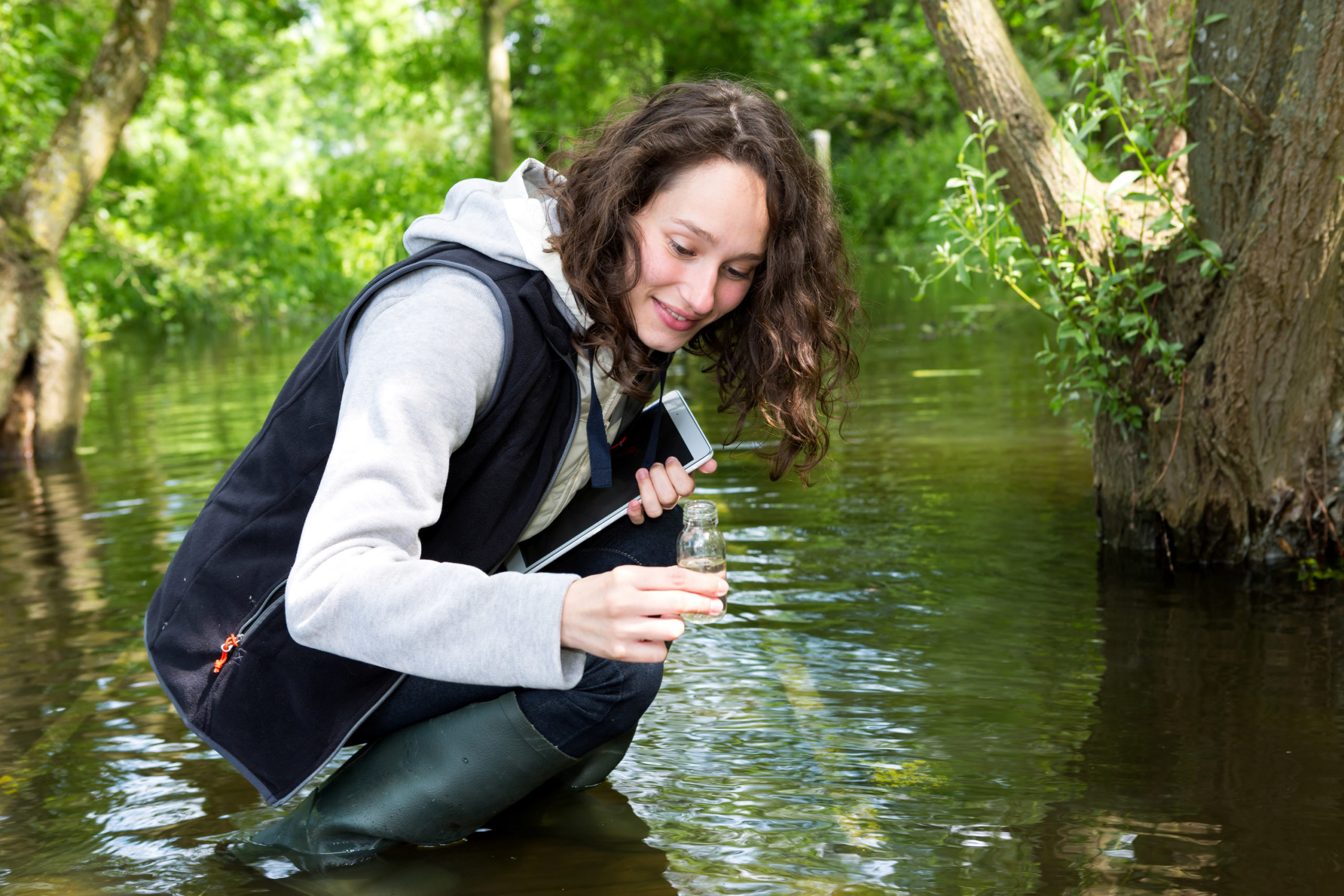
This Learn About Forest activity is perfect for forest sector professionals leading educational events, career days, or field visits with youth. Learners discover a range of forest-related careers that help to maintain forest ecosystems.
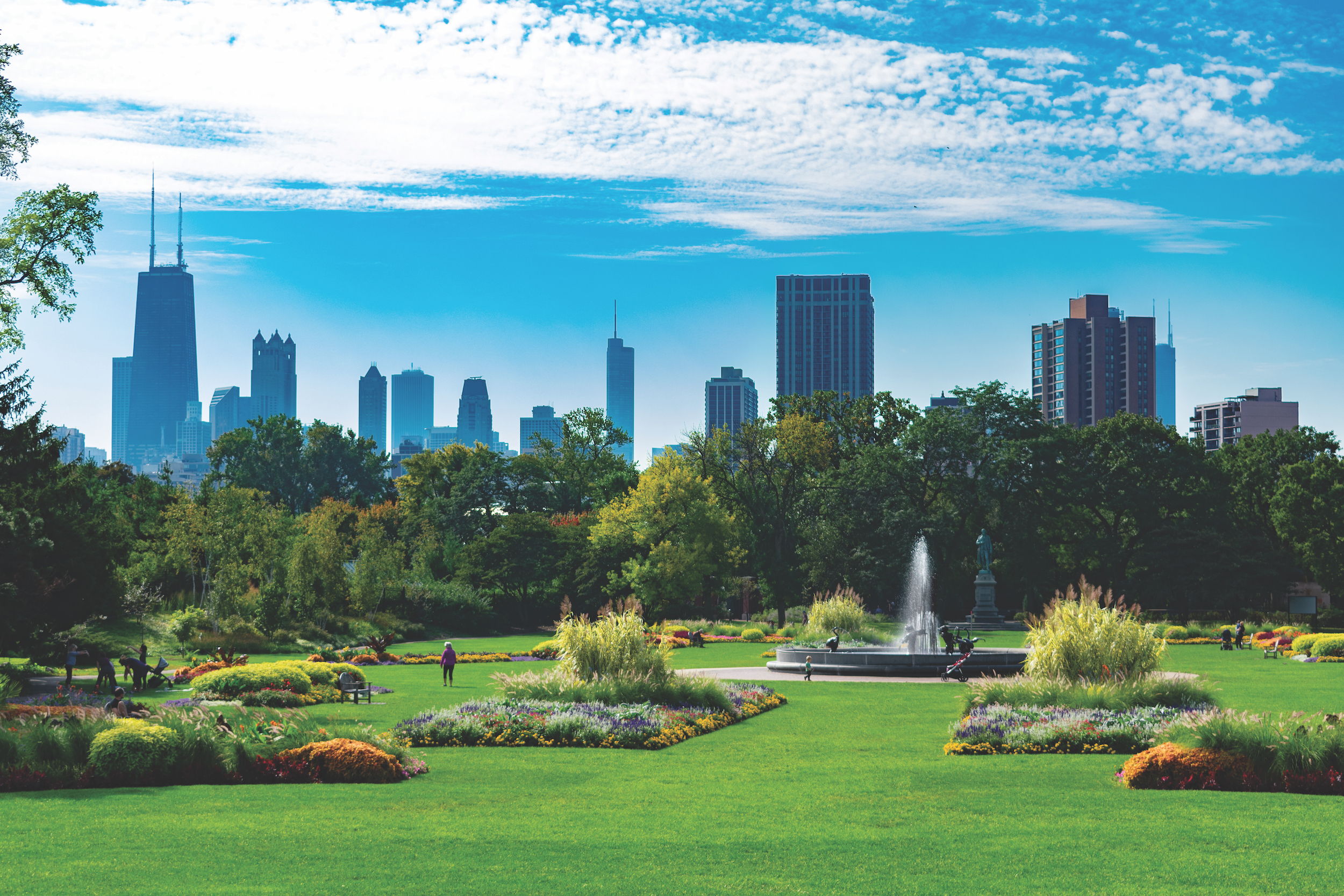
The trees in our communities provide many benefits: they improve air quality, store carbon, and conserve energy.
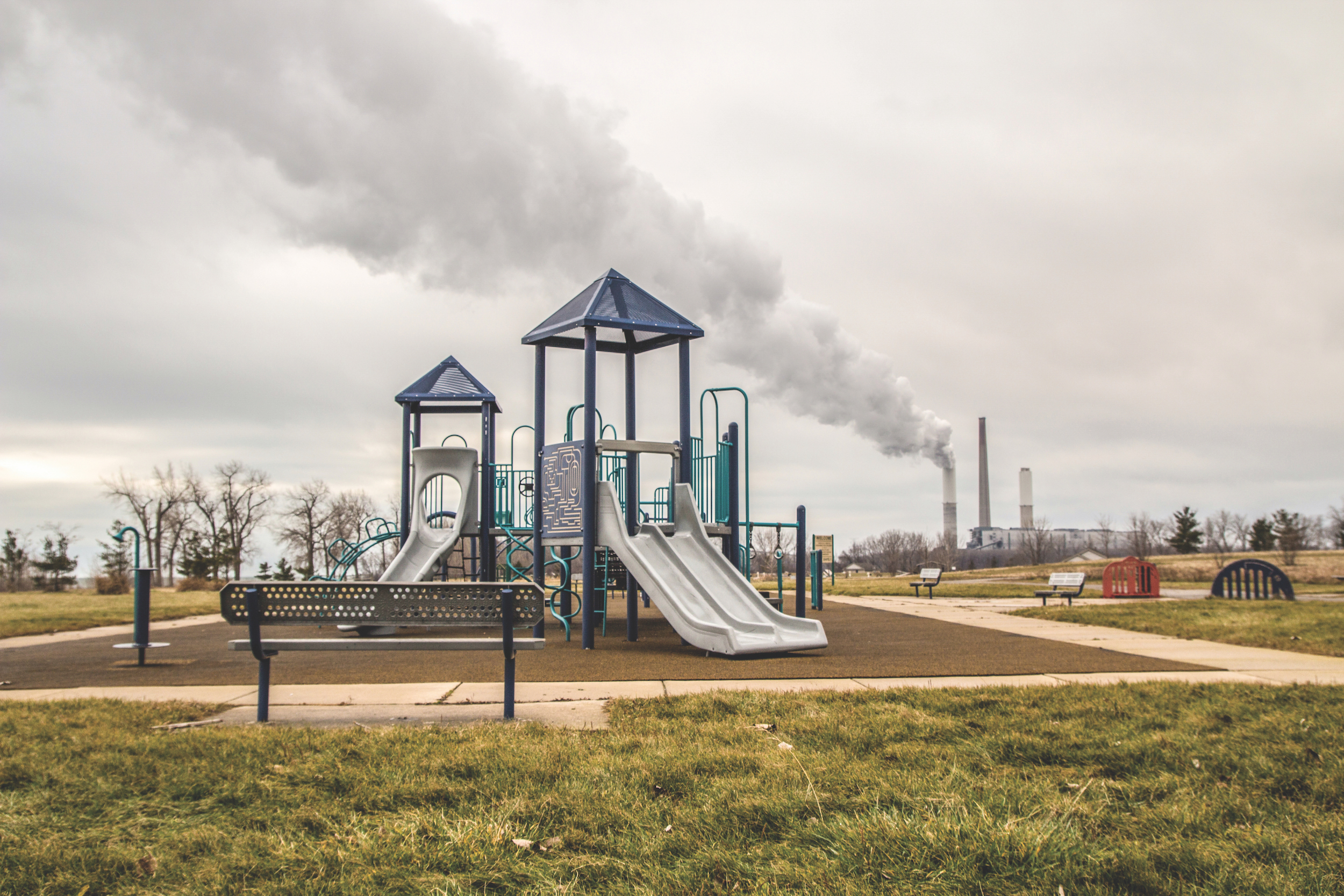
Everyone has an equal right to a healthy environment—but does everyone have a healthy environment?